
Choosing between corded and cordless garden tools boils down to **power versus convenience**. This complete guide breaks down the pros and cons of each type, helping you match the tool to your specific yard size and workload.
In this expert analysis, we compare runtime, maintenance, and long-term costs. You will learn proven methods for selecting the best equipment and discover which style offers the best value. Continue reading to find your perfect match and simplify your outdoor chores today.
Best Cordless Garden Tools for Homeowners – Detailed Comparison
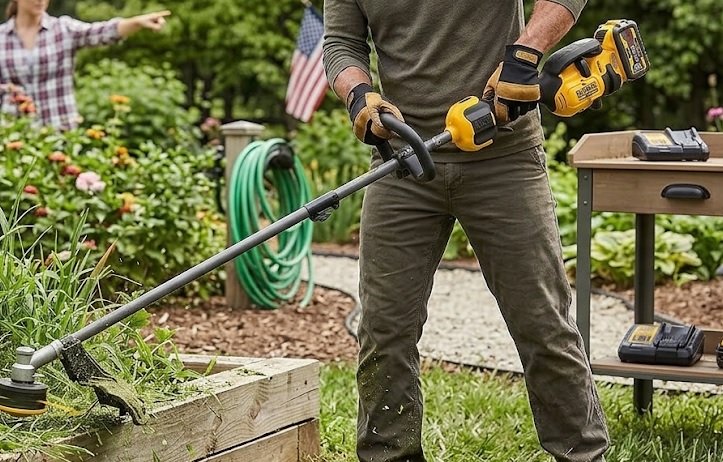
DEWALT 20V MAX XR String Trimmer (DCST972X1) – Best Overall Choice
This brushless trimmer delivers gas-like power without the fumes. The **14-inch cutting swath** handles thick weeds effortlessly, while the variable speed trigger offers precise control. It is the best option for medium to large yards. **Its 9Ah battery provides up to 90 minutes of runtime**, making it ideal for extended trimming sessions.
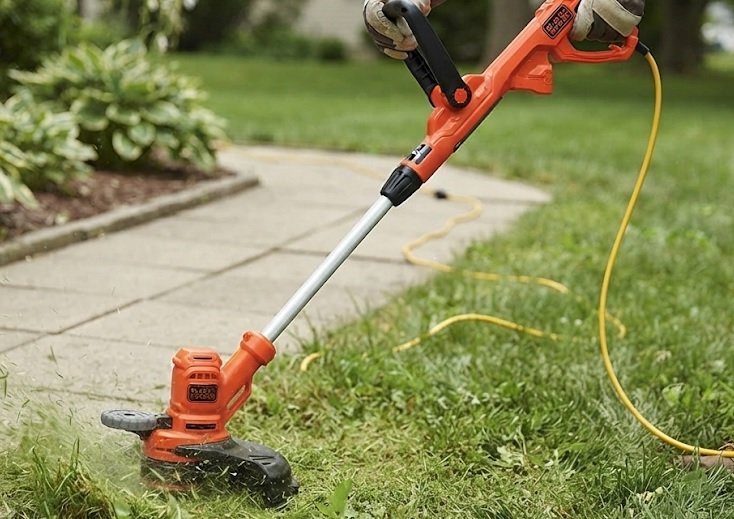
BLACK+DECKER 12 Amp Corded Electric String Trimmer (GH900) – Best Corded Value
For smaller properties, this corded model offers unlimited runtime and consistent power. The **auto-feed system** eliminates manual line adjustments, saving you time. It is recommended for tidy edges and tight spaces. **Weighing only 7.5 pounds**, it reduces fatigue during longer jobs, making it a practical, budget-friendly choice for urban gardeners.
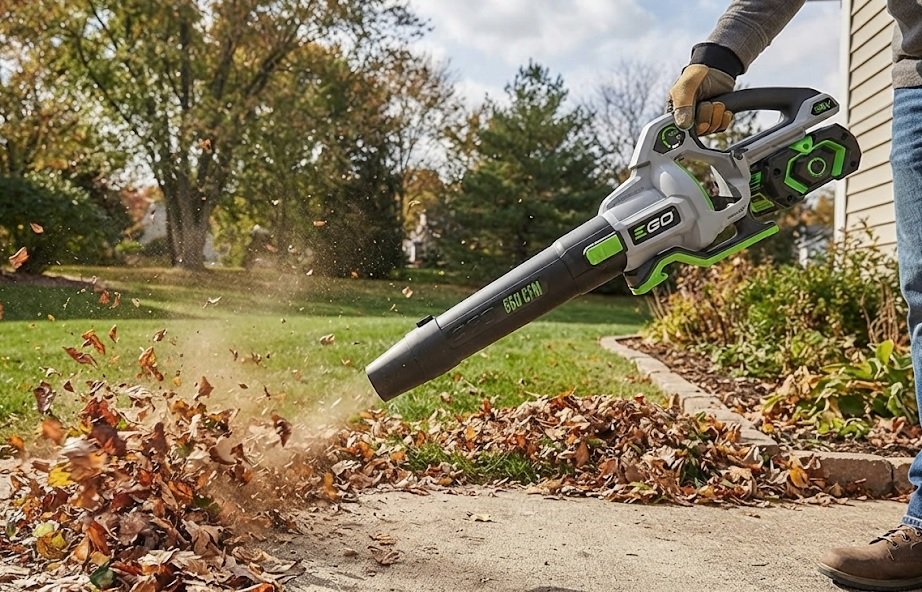
EGO Power+ 56V Cordless Leaf Blower (LB6504) – Best for Heavy-Duty Tasks
This powerhouse produces **650 CFM of air volume**, rivaling most gas backpacks. The variable-speed dial and cruise control allow for tailored performance. It is ideal for large driveways and thick autumn leaves. **The 5.0Ah battery charges fully in 45 minutes**, offering reliable, fade-free power that lasts through the toughest cleanup chores.
Understanding Power Sources: Corded vs. Cordless Technology
The fundamental difference between these tools lies in their energy delivery. Corded tools plug into a standard outlet, providing **constant, uninterrupted power** for as long as you work. Cordless tools rely on rechargeable lithium-ion batteries, offering portability but with finite runtime limits.
Runtime and Performance Limitations
Battery technology has advanced significantly, yet **runtime remains the primary constraint**. A typical 40V battery delivers 30-45 minutes of heavy use. Charging times often range from 60 to 120 minutes, which can interrupt workflow.
- Corded tools: Unlimited runtime, consistent torque, ideal for large properties.
- Cordless tools: Typically 30-60 minutes per charge, power decreases as battery drains.
- Hybrid options: Some models offer both plug-in and battery operation for flexibility.
Maintenance and Longevity Considerations
Gas engines require fuel stabilization, oil changes, and carburetor cleaning. Electric motors, however, are virtually maintenance-free. Cordless batteries degrade over time, usually lasting **3-5 years** before capacity drops significantly.
Replacement batteries can cost $100-$200, adding to long-term ownership expenses. Corded tools, conversely, rarely need parts replacement beyond consumables like trimmer line or blades.
Your property size and proximity to outlets should dictate your choice. For yards under a quarter-acre, cordless convenience often outweighs runtime limitations.
Cost Analysis and Environmental Impact of Garden Tools
Your budget extends beyond the initial purchase price. Corded tools typically cost **20-40% less** than their cordless counterparts. However, long-term electricity costs and the need for extension cords can add hidden expenses.
Upfront Pricing vs. Long-Term Value
Entry-level corded trimmers start around $50, while comparable cordless models begin near $150. The price gap narrows when you factor in battery replacement costs every few years.
- Corded tools: Lower upfront cost, no battery replacement, minimal repair expenses.
- Cordless tools: Higher initial investment, battery replacement every 3-5 years, charger included.
- Bundled kits: Buying a multi-tool system with shared batteries saves 30% versus individual purchases.
Environmental Footprint Comparison
Both electric options produce zero direct emissions, unlike gas-powered equipment. However, cordless batteries require lithium mining and eventual recycling. Corded tools draw electricity from the grid, which may involve fossil fuels depending on your region.
According to the EPA, gas lawn mowers emit **88 pounds of CO2 per year**. Electric alternatives reduce that to nearly zero at the point of use, making either choice environmentally superior to gas.
| Factor | Corded | Cordless |
|---|---|---|
| Average Cost | $50-$150 | $150-$400 |
| Annual Electricity | $10-$20 | $5-$10 |
| Battery Replacement | None | $100-$200 |
| Lifespan | 10+ years | 5-8 years |
Consider your usage frequency. Weekend warriors may prefer cordless freedom, while daily users benefit from corded reliability and lower operating costs.
Safety, Ergonomics, and Practical Usage Tips
Both tool types present unique safety considerations. Corded tools risk tripping hazards and accidental cord cutting. Cordless tools eliminate those dangers but introduce battery-related risks like overheating or improper disposal.
Weight Distribution and User Fatigue
Battery packs add significant weight to cordless tools, often shifting the center of gravity. A typical cordless trimmer weighs **8-10 pounds**, while corded versions average 6-7 pounds. This difference becomes noticeable during extended use.
- Shoulder straps: Essential for cordless trimmers over 8 pounds to distribute weight evenly.
- Balance points: Corded tools offer better balance since the heaviest component sits at the base.
- Vibration dampening: Look for rubberized grips on either type to reduce hand fatigue.
Extension Cord Management Strategies
Effective cord handling prevents frustration and accidents. Use a **cord retainer clip** near the tool base to prevent accidental disconnection. Always start near the outlet and work outward to keep the cord behind you.
- Purchase a 12-gauge, 100-foot cord for maximum power delivery.
- Use a cord caddy to prevent tangling during storage.
- Inspect cords regularly for cuts or frayed insulation.
- Never connect multiple extension cords in series—use one long cord instead.
For battery safety, store cells at room temperature and avoid charging immediately after heavy use. Allow 30 minutes for cooling to extend battery lifespan significantly.
How to Choose the Right Garden Tool for Your Property
Selecting between corded and cordless garden tools ultimately depends on your unique circumstances. Assess your yard size, existing equipment, and physical limitations before committing to a purchase.
Property Size and Layout Assessment
Measure your total lawn area and note the distance from your nearest power outlet. Properties under **2,500 square feet** rarely justify cordless investments since outlet access is typically nearby. Larger estates with distant corners benefit from battery mobility.
- Small urban lots: Corded tools offer sufficient reach and unlimited runtime.
- Suburban half-acre yards: Cordless models excel when outlets are scarce.
- Rural properties: Consider hybrid systems with multiple batteries for maximum flexibility.
Existing Battery Ecosystem Compatibility
If you already own power tools from a specific brand, check their battery platform. **Stick with one ecosystem** to share batteries across multiple devices. This strategy reduces costs and simplifies charging logistics.
Major manufacturers like DeWalt, EGO, and Ryobi offer extensive 40V-56V platforms. Investing in a single system allows you to expand your cordless arsenal without purchasing additional batteries.
Consider your storage space as well. Corded tools with long extension cords require organized wrapping solutions. Cordless tools need a dedicated charging station with proper ventilation to maintain battery health.
| Property Size | Recommended Type | Key Reason |
|---|---|---|
| Under 1/4 acre | Corded | Outlet proximity, lower cost |
| 1/4 to 1/2 acre | Cordless | Mobility, convenience |
| Over 1/2 acre | Hybrid system | Flexibility, backup power |
Maintenance Best Practices for Long-Lasting Performance
Proper upkeep dramatically extends the lifespan of your garden tools. Both corded and cordless models benefit from regular cleaning and seasonal storage preparation.
Battery Care and Storage Guidelines
Lithium-ion batteries perform best when kept between **20% and 80% charge** during storage. Avoid leaving them fully depleted or fully charged for extended periods. Store batteries in a cool, dry location away from direct sunlight.
- Charge cycle: Allow batteries to cool 30 minutes before recharging.
- Seasonal storage: Store at 50% charge during winter months.
- Cleaning contacts: Wipe battery terminals with a dry cloth monthly.
- Disposal: Recycle old batteries at designated collection points.
Cord and Motor Maintenance Tips
Inspect power cords before each use for cuts, kinks, or exposed wires. Replace damaged cords immediately to prevent electrical hazards. Clean motor vents regularly to prevent dust buildup that causes overheating.
For trimmers, remove grass clippings from the cutting head after every session. Apply a light coat of silicone lubricant to moving parts quarterly. Replace trimmer line proactively rather than waiting for breakage.
Store tools indoors during extreme weather conditions. Moisture accelerates corrosion on metal components and degrades plastic housings. Hang tools vertically to prevent pressure on cutting heads and maintain blade alignment.
Common Mistakes to Avoid When Buying Garden Tools
Many homeowners make costly errors when selecting between corded and cordless options. Understanding these pitfalls helps you make a smarter investment that matches your actual needs.
Overestimating Battery Runtime Needs
Most users overestimate how long they actually work in the yard. A typical trimming session lasts **20-30 minutes**, not hours. Buying extra batteries for hypothetical marathon sessions wastes money.
- Track usage: Time your yard work for two weeks before purchasing.
- Average session: Most homeowners need 40-60 minutes of total runtime.
- Charging breaks: Use battery cooling time to handle other garden tasks.
Ignoring Tool Weight and Balance
Shoppers often focus on power specs while neglecting ergonomics. A tool that feels heavy in the store becomes unbearable after 15 minutes of use. Always handle tools in person before buying.
Check the center of gravity by holding the tool in a working position. Cordless tools with rear-mounted batteries often balance better than those with top-mounted packs. Consider your height and arm strength when evaluating options.
Another common mistake is purchasing the cheapest option without considering replacement parts availability. Research brand reputations and warranty coverage before committing. Established brands offer better customer support and readily available accessories.
Future Trends in Garden Tool Technology
The garden tool industry is evolving rapidly with innovations that blur the line between corded and cordless options. Staying informed about emerging technologies helps you make future-proof purchasing decisions.
Advancements in Battery Chemistry
Solid-state batteries promise **double the energy density** of current lithium-ion cells. This breakthrough could deliver 2+ hours of runtime from smaller, lighter battery packs. Manufacturers expect commercial availability within 3-5 years.
- Silicon anode technology: Increases capacity by 40% without adding weight.
- Fast charging: New chargers replenish batteries to 80% in just 15 minutes.
- Smart batteries: Built-in sensors monitor temperature and usage patterns.
Hybrid and Solar-Powered Solutions
Several brands now offer hybrid tools that operate on both battery and corded power. These versatile options provide unlimited runtime when near outlets and portability for remote areas. Solar charging stations are also gaining traction for eco-conscious gardeners.
Wireless charging pads for garden tools are entering the market, allowing you to simply set tools down to recharge. This convenience eliminates cable management entirely and encourages consistent charging habits.
Robotic mowers and autonomous trimmers are becoming more affordable, reducing the need for manual tools altogether. While initial costs remain high, these systems offer hands-free lawn maintenance that pays off over time for busy homeowners.
Conclusion: Choosing Between Corded and Cordless Garden Tools
Both corded and cordless garden tools offer distinct advantages depending on your property size and usage patterns. **Corded tools deliver unlimited power** at a lower cost, while cordless models provide unmatched portability and convenience.
Evaluate your yard’s layout, existing battery ecosystem, and physical comfort before purchasing. **Prioritize ergonomics and long-term value** over short-term savings.
Ready to upgrade your equipment? Visit your local hardware store to test different models hands-on. Make an informed choice today and enjoy a beautifully maintained yard all season long.
Frequently Asked Questions about Corded and Cordless Garden Tools
Which is better for small yards: corded or cordless garden tools?
For small yards under 2,500 square feet, corded tools are often the better choice. They cost less upfront and provide unlimited runtime without charging interruptions.
However, if your outlets are inconveniently located or you dislike managing extension cords, a cordless model with a single battery will serve you well. Consider your specific layout and comfort preferences before deciding.
How long do cordless garden tool batteries last per charge?
Most cordless garden tool batteries provide 30-60 minutes of continuous runtime under normal conditions. Heavier tasks like thick weeds or wet grass drain batteries faster than light trimming.
Battery capacity, measured in amp-hours (Ah), directly impacts runtime. A 5.0Ah battery typically lasts 50-70% longer than a 3.0Ah pack. Always check the tool’s power rating and your specific workload requirements.
Can I use an extension cord with any corded garden tool?
Yes, but you must select the correct gauge for the tool’s amperage and cord length. Use a 14-gauge cord for tools under 10 amps and a 12-gauge cord for higher-powered equipment.
Longer cords require thicker gauges to prevent voltage drops. A 100-foot 12-gauge cord works well for most trimmers and blowers. Never use indoor-rated cords outdoors, as they lack proper insulation and weather resistance.
What is the best way to store cordless garden tools during winter?
Store batteries at approximately 50% charge in a cool, dry location between 40-70°F. Remove batteries from tools and clean all surfaces before storage.
Apply light oil to metal blades to prevent rust and lubricate moving parts. Keep tools elevated off concrete floors to avoid moisture absorption. Check batteries monthly and recharge to 50% if they drop below 30%.
Are cordless garden tools as powerful as corded models?
Modern brushless cordless motors rival corded tools in most residential applications. High-voltage systems like 56V and 60V deliver comparable torque to their corded counterparts.
However, corded tools maintain consistent power output, while cordless performance gradually decreases as the battery drains. For commercial or heavy-duty use, corded tools still hold a slight advantage in sustained power delivery.
How do I troubleshoot a corded garden tool that won’t start?
First, check the power outlet by plugging in another device. Inspect the entire extension cord for cuts, kinks, or damaged plugs. Test the tool’s reset button if it has one.
If the tool still won’t start, check the motor vents for debris buildup. Clean carbon brushes if accessible and ensure the switch mechanism functions properly. Consult the manufacturer’s manual before attempting any internal repairs.
What safety gear should I use with garden tools?
Always wear safety glasses to protect against flying debris and ear protection for loud equipment. Sturdy closed-toe shoes prevent foot injuries from dropped tools or sharp objects.
Use gloves with rubber grips for better handling and vibration reduction. Consider a dust mask when operating blowers or trimmers in dusty conditions. Never wear loose clothing that could become caught in moving parts.
Can I mix batteries from different brands with my cordless tools?
No, batteries are brand-specific and often model-specific within a brand. Voltage, amp-hour ratings, and connector designs vary significantly between manufacturers.
Stick with one battery platform to maximize compatibility and simplify charging. Some brands offer adapters, but these may void warranties and reduce performance. Investing in a single ecosystem saves money and reduces clutter.