
Learning how to store garden hand tools correctly is the single most effective way to extend their lifespan and save money. Proper storage prevents rust, keeps handles sturdy, and ensures your equipment is ready for action. This complete guide reveals professional techniques to protect your investment.
You will discover proven methods for cleaning, drying, and organizing your essential equipment. We break down simple daily habits and seasonal strategies that make a massive difference. **Master these expert tips** to keep every trowel, pruner, and spade in peak condition for years to come.
Best Tool Storage Solutions for Garden Hand Tools – Detailed Comparison
To maximize the longevity of your equipment, you need the right storage systems. We have analyzed the market to bring you the **top three recommended products** that offer superior protection against moisture and disorganization. These are the best options for keeping your tools pristine.
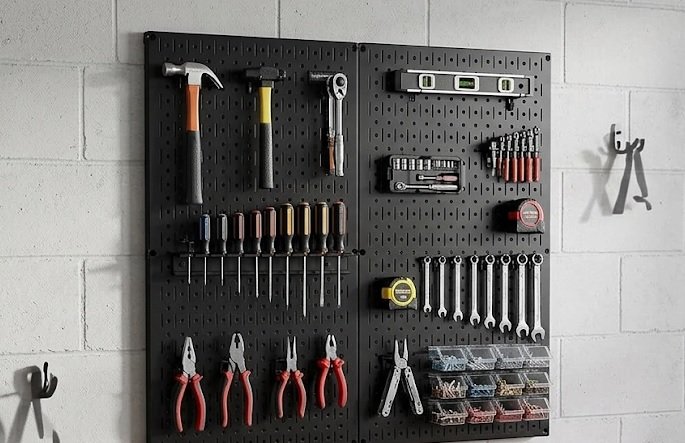
Wall Control 30-Peg Steel Pegboard – Best Overall Choice
The Wall Control 30-Peg Steel Pegboard is the **best option** for heavy-duty organization and durability. Its powder-coated steel surface prevents rust and supports up to 50 lbs per square foot, making it ideal for hanging shovels and pruners. This system keeps tools visible and off the damp floor, ensuring proper airflow.
Best use case: Perfect for garages or sheds where wall space is available and you need a permanent, high-capacity storage solution.
Rubbermaid FastTrack Garage Rail System – Best for Versatility
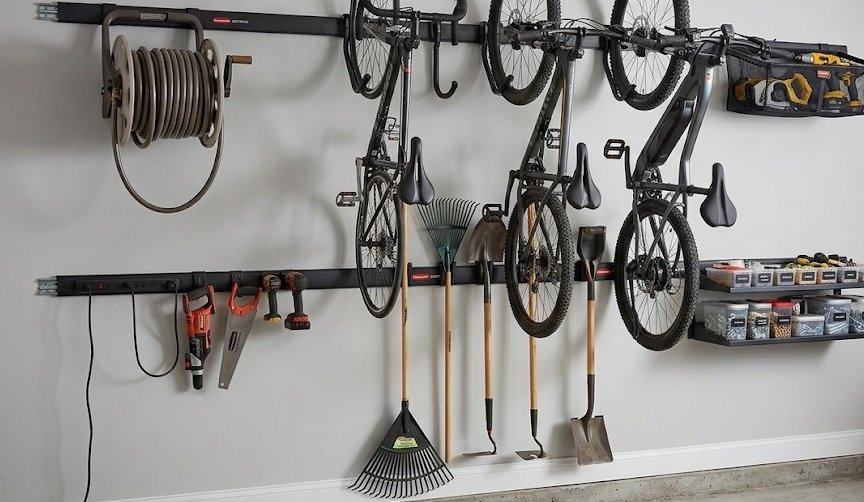
This rail system by Rubbermaid is **recommended** for its modular design and easy installation. The FastTrack system uses a single horizontal rail with various hooks and bins, allowing you to customize storage for different tool sizes. It keeps heavy tools secure while maintaining quick access for frequent gardening tasks.
Best use case: Ideal for renters or those who want to reconfigure their storage layout without committing to a full pegboard installation.
HYDE Tools 40-Pocket Tool Tote – Best for Portability
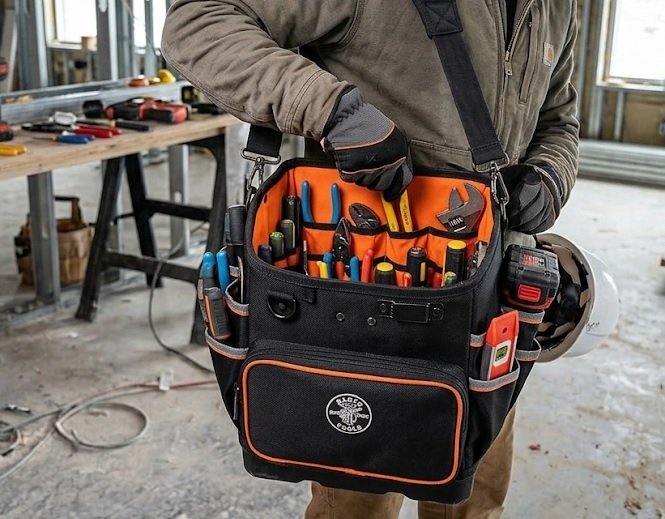
For gardeners on the move, the HYDE Tools 40-Pocket Tote is the **best option** for transport and temporary storage. Constructed from heavy-duty 600-denier polyester, it resists tears and moisture. The structured base allows it to stand upright, keeping hand tools organized and separated while you work across different garden beds.
Best use case: Excellent for community gardens or large properties where tools must travel frequently from the shed to the planting area.
Essential Cleaning and Drying Techniques Before Storage
The most critical step in tool preservation happens before you hang anything up. **Dirt and moisture are the primary enemies** of metal and wood, causing rust and rot. Proper cleaning ensures your storage efforts are not wasted.
The Complete Cleaning Process
Start by removing all caked-on soil using a stiff wire brush or a putty knife. For stubborn sap or resin, use a citrus-based degreaser or mineral spirits. Always rinse tools with clean water afterward to remove any chemical residue.
- Scrub: Remove visible dirt with a wire brush.
- Wash: Use warm soapy water for a deep clean.
- Disinfect: Wipe blades with rubbing alcohol to kill pathogens.
- Dry: Use a clean cloth immediately—never air-dry.
Rust Prevention and Lubrication
Once dry, apply a thin coat of **boiled linseed oil** to wooden handles to prevent cracking. For metal parts, a light spray of WD-40 or a silicone-based lubricant creates a moisture barrier. This simple step is the most effective rust prevention method available.
Key Takeaway: A clean, dry tool stored in a dry environment will last decades. A dirty tool stored in a shed will rust within months. Always prioritize the cleaning step.
Sharpening Before Storage
Sharpen edges before storing, not after. **Sharpening while the tool is clean** is easier and prevents the need for heavy grinding later. Use a mill file or bench grinder for hoes and shovels, and a whetstone for pruners and shears. This ensures your tools are ready for immediate use next season.
Optimal Storage Environments and Organization Methods
Where you store your tools matters just as much as how you clean them. **Humidity and temperature fluctuations** accelerate corrosion and wood decay. Choosing the right environment and organization system is essential for long-term preservation.
Ideal Storage Locations
A climate-controlled garage or basement is superior to an outdoor shed. If you must use a shed, ensure it has proper ventilation and a dehumidifier during humid months. Avoid storing tools directly on concrete floors, as moisture wicks up through the porous surface.
| Location | Humidity Risk | Recommendation |
|---|---|---|
| Heated Basement | Low | Best option |
| Garage | Moderate | Use wall mounts |
| Outdoor Shed | High | Add ventilation |
| Concrete Floor | Very High | Avoid entirely |
Wall-Mounted vs. Freestanding Systems
Wall-mounted systems like pegboards and rails keep tools off the ground, promoting airflow around every surface. Freestanding buckets or bins are convenient but can trap moisture at the bottom. **Vertical storage is the proven method** for maximizing air circulation and preventing accidental damage.
Key Takeaway: Elevate everything. Whether using a pegboard, rail system, or simple hooks, keeping tools suspended ensures they dry faster and remain rust-free.
Seasonal Rotation and Inventory
At the end of each season, rotate your storage layout to prioritize upcoming tasks. Conduct a quick inventory check to identify any tools needing repair or replacement. This proactive approach ensures you never reach for a broken tool during peak gardening season.
Preventing Rust, Handle Damage, and Pest Infestations
Even with proper cleaning, long-term storage introduces unique threats. **Rust, wood decay, and pests** can silently destroy your tools over winter months. Implementing preventive measures before storage is crucial for protecting your investment.
Advanced Rust Prevention Strategies
Beyond basic oiling, consider using **rust-inhibiting wraps** or silica gel packets inside storage containers. For tools stored for extended periods, apply a paste wax like Renaissance Wax to create a durable barrier. These products offer superior protection compared to standard oils, lasting months without reapplication.
- Silica gel packs: Absorb ambient moisture in closed containers.
- Barrier wraps: VCI paper releases corrosion inhibitors.
- Paste wax: Provides a hard, long-lasting protective coating.
Protecting Wooden Handles
Wooden handles require special attention to prevent splitting and rot. Sand any rough spots before applying a fresh coat of **boiled linseed oil** or tung oil. Never store tools with wet handles, as trapped moisture leads to fungal growth and structural weakness.
Key Takeaway: A well-oiled handle resists moisture absorption and splintering. Treat handles annually for optimal durability and comfort.
Deterring Pests and Rodents
Rodents often nest in tool sheds and chew on wooden handles. Place **mothballs or peppermint oil-soaked cotton balls** near storage areas to deter pests naturally. Additionally, inspect tools regularly for signs of chewing or nesting to catch infestations early before significant damage occurs.
Seasonal Maintenance Schedule for Long-Term Tool Care
Consistent maintenance throughout the year is the secret to decades of tool performance. **A structured seasonal routine** prevents small issues from becoming major problems. Implementing a simple schedule ensures your equipment remains in optimal condition regardless of usage frequency.
Spring Preparation Checklist
Before the growing season begins, inspect all tools for damage sustained during winter storage. Sharpen blades, tighten loose handles, and replace any broken parts. **This proactive inspection** saves valuable time during busy planting weeks.
- Inspect: Check handles, blades, and connections for wear.
- Sharpen: Restore edges on pruners, hoes, and shovels.
- Lubricate: Apply fresh oil to moving parts and pivot points.
- Test: Verify all tools function correctly before use.
Summer Maintenance Practices
During active gardening months, clean tools after every use to prevent sap and soil buildup. Keep a **five-gallon bucket filled with sand and mineral oil** near your work area for quick cleaning. Simply plunge tools into the mixture to remove dirt and apply a protective coating simultaneously.
Key Takeaway: The sand-and-oil bucket method is a professional gardener’s secret. It combines cleaning and rust prevention into one effortless step.
Fall and Winter Preparation
As the season winds down, perform a thorough deep clean on every tool before long-term storage. Drain any fuel from power equipment and store hand tools in a dry, protected area. **Winter is the perfect time** to handle repairs and replacements, ensuring everything is ready for spring.
By following this seasonal schedule, you establish a sustainable routine that keeps your garden tools performing like new. Regular attention eliminates the need for costly replacements and makes every gardening session more efficient.
Common Tool Storage Mistakes and How to Avoid Them
Even experienced gardeners make storage errors that shorten tool lifespan. **Identifying these common pitfalls** helps you correct habits that lead to rust, breakage, and inefficiency. Awareness is the first step toward better preservation practices.
Leaving Tools Outdoors or Uncovered
Leaving tools leaning against a wall or sitting in a wheelbarrow overnight exposes them to dew and rain. **Moisture is the number one cause** of rust formation on metal surfaces. Always return tools to their designated storage area immediately after use, even if you plan to use them again shortly.
- Morning dew: Damages metal even on sunny days.
- UV exposure: Weakens wooden handles over time.
- Accidental damage: Tools left on ground risk being stepped on.
Storing Tools Dirty or Wet
Putting away tools with soil still attached traps moisture against metal surfaces. **Dried soil absorbs humidity** from the air, creating a micro-environment perfect for corrosion. Get into the habit of wiping tools down before returning them to storage, even during busy workdays.
Key Takeaway: A 30-second wipe-down after each use is the most effective prevention method. This small habit eliminates the need for intensive cleaning later.
Neglecting Moving Parts and Pivot Points
Pruners, loppers, and shears have springs and bolts that require regular lubrication. **Dry pivot points** cause friction, leading to blade misalignment and premature wear. Apply a drop of oil to these mechanisms every few weeks during active use.
Overcrowding Storage Spaces
Cramming too many tools into a small bucket or drawer causes handles to knock together and blades to dull. **Proper spacing** prevents accidental damage and makes it easier to locate specific tools. Invest in adequate storage capacity to accommodate your full collection comfortably.
DIY Storage Solutions and Upcycling Ideas for Garden Tools
You don’t need expensive commercial systems to store garden tools effectively. **Creative DIY solutions** using repurposed materials can provide excellent organization on a budget. These projects are simple, functional, and add character to your workspace.
Repurposed Pallet Tool Rack
A wooden pallet can become a stunning vertical storage wall for long-handled tools. **Secure the pallet to a wall** with heavy-duty brackets, then add hooks or use the slats to hold tool handles. This rustic solution provides excellent airflow and keeps everything visible at a glance.
- Sand: Smooth rough edges to prevent splinters.
- Mount: Secure pallet to wall studs for stability.
- Add hooks: Install cup hooks or utility hooks for hanging.
- Finish: Apply a weather-resistant sealant for durability.
PVC Pipe Wall Holders
Cut sections of large-diameter PVC pipe at an angle to create individual slots for tool handles. **Mount these angled pipes** to a wall board to keep tools separated and easily accessible. This solution is particularly effective for organizing hand tools like trowels, cultivators, and small pruners.
Key Takeaway: PVC holders prevent tools from clanking together, protecting both blades and handles from unnecessary wear.
Magnetic Strips for Metal Tools
Install a heavy-duty magnetic strip on a wall or inside a cabinet door to hold metal tools securely. **This works brilliantly for trowels, weeding knives, and small shears.** The tools stay visible, dry quickly, and require zero reaching or digging through drawers.
Repurposed Bucket and Sand System
Fill a five-gallon bucket with coarse sand mixed with mineral oil to create a portable cleaning station. **Plunge dirty tools into the sand** to remove debris and apply a rust-preventive coating simultaneously. This classic gardener’s trick combines storage and maintenance in one simple solution.
Specialized Storage Considerations for Different Tool Types
Not all garden tools require identical storage treatment. **Different materials and functions** demand specific care to maintain optimal performance. Understanding these nuances ensures each tool receives the protection it needs.
Storing Pruners, Shears, and Loppers
Cutting tools require extra attention to protect their sharp edges and pivot mechanisms. **Store them with blades closed** and secured to prevent accidental injury and edge damage. Apply a light coat of oil to the blades and pivot points before storage to prevent rust and ensure smooth operation.
| Tool Type | Storage Position | Protection Needed |
|---|---|---|
| Pruners | Blades closed | Oil pivot points |
| Shears | Hanging vertically | Blade guards |
| Loppers | Hanging by handles | Lubricate spring |
Storing Shovels, Spades, and Hoes
Long-handled tools should always be stored vertically with the blade facing downward or covered. **This prevents accidental contact** with the sharp edges during retrieval. Hang them by their handles using hooks or a wall-mounted rail system to maximize airflow.
Key Takeaway: Vertical storage for long-handled tools prevents blade damage and reduces the risk of injury when reaching into storage areas.
Storing Hand Trowels, Cultivators, and Weeding Tools
Small hand tools are easily lost or damaged when tossed into a drawer or bucket. **Use a dedicated organizer** with individual slots or a magnetic strip to keep them separated and visible. This reduces the chance of blades chipping against each other and makes tools easier to locate.
Storing Power Tools and Specialty Equipment
Electric and battery-powered tools require dry, climate-controlled storage to protect motors and batteries. **Remove batteries before long-term storage** and keep them at partial charge in a cool location. Store specialty tools like bulb planters and edgers in labeled containers to prevent misplacement.
Conclusion: Master Garden Tool Storage for Lasting Performance
Properly storing garden hand tools is a simple investment that pays dividends for years. **Clean, dry, and organized tools** perform better and last significantly longer than neglected equipment. You now have the knowledge to protect your gardening investment.
Start implementing these strategies today to transform your shed and extend tool life. **Choose one storage solution** and one maintenance habit to begin with, then build from there. Your future self will thank you every time you reach for a perfectly maintained tool.
Frequently Asked Questions about Storing Garden Hand Tools
How often should I clean my garden tools before storage?
You should wipe down tools after every single use to prevent dirt and sap from hardening. A quick 30-second cleaning with a dry cloth removes debris before it causes damage. This simple habit eliminates the need for intensive scrubbing sessions later.
For deep cleaning, schedule a thorough session at the end of each gardening season. This involves washing with soapy water, disinfecting blades, and applying protective oils. Seasonal deep cleaning ensures tools remain in optimal condition throughout the year.
What is the best way to prevent rust on garden tools?
The most effective rust prevention method is keeping tools completely dry before storage. Always wipe metal surfaces with a dry cloth and apply a light coat of oil like WD-40 or boiled linseed oil. These products create a moisture barrier that prevents oxidation.
For long-term storage, consider using rust-inhibiting wraps or silica gel packets in closed containers. Paste wax products like Renaissance Wax provide durable protection lasting several months. These advanced solutions offer superior defense against humidity and corrosion.
Should I store garden tools indoors or outdoors?
Indoor storage in a climate-controlled garage or basement is always preferable for tool longevity. Outdoor sheds expose tools to temperature fluctuations and higher humidity levels that accelerate rust formation. If you must use a shed, ensure proper ventilation and use a dehumidifier.
Never store tools directly on concrete floors, as moisture wicks upward through the porous surface. Use wall-mounted racks, pegboards, or shelves to keep tools elevated and promote airflow. This simple practice significantly extends tool lifespan.
Can I store tools with wooden handles outside?
Storing wooden-handled tools outside exposes them to moisture that causes swelling, splitting, and rot. If outdoor storage is unavoidable, apply a fresh coat of boiled linseed oil before the season ends. This seals the wood and prevents water absorption.
Consider covering wooden handles with a weatherproof sealant for added protection. Inspect handles regularly for cracks or splinters and sand them smooth. Reapply oil annually to maintain the wood’s integrity and prevent structural failure.
What is the best storage solution for small hand tools?
Small hand tools like trowels and cultivators benefit from individual slots or magnetic strips for organization. Wall-mounted pegboards with specific hooks keep tools visible and prevent them from clanking together. This arrangement protects blades and makes retrieval effortless.
For portability, use a sturdy tool tote with multiple pockets to keep tools separated during transport. A five-gallon bucket filled with sand and mineral oil serves as both storage and cleaning station. This dual-purpose solution is popular among professional gardeners.
How do I store pruners and shears to keep them sharp?
Always store cutting tools with blades closed and secured to protect the cutting edge. Apply a light oil coating to the blades and pivot points before storage to prevent rust. Consider using blade guards or sheaths for additional protection during handling.
Hang pruners and shears vertically rather than tossing them into drawers. This prevents blades from knocking against other tools and becoming dull. Regular sharpening with a whetstone before storage ensures they are ready for immediate use.
What should I do if my tools already have rust?
Remove existing rust by scrubbing affected areas with a wire brush or steel wool. For stubborn rust, apply a commercial rust remover or a paste made from baking soda and water. Rinse thoroughly and dry completely before applying protective oil.
After rust removal, assess the severity of damage to determine if the tool is still functional. Severe rust may compromise structural integrity and require replacement. For minor surface rust, proper cleaning and oiling will restore the tool to working condition.
How should I organize my garden shed for maximum efficiency?
Group tools by type and frequency of use, placing frequently accessed items at eye level. Install wall-mounted systems like pegboards or rails to maximize vertical space and keep floors clear. Label storage containers to quickly locate seasonal or specialty tools.
Create designated zones for different categories such as digging tools, cutting tools, and maintenance supplies. This systematic approach reduces clutter and saves time when searching for specific equipment. Regular reorganization keeps the space functional and efficient.