
Choosing the right hedge trimmer starts with accurately assessing your yard’s dimensions and growth patterns. The correct tool saves you hours of labor and delivers cleaner cuts that promote healthier shrubs.
This complete guide breaks down the selection process by yard size, covering manual shears, electric models, and gas-powered units. You will learn proven methods for matching power output to hedge density, plus critical safety features to consider. Keep reading to find your perfect match and transform your landscaping routine.
Best Hedge Trimmers for Yard Size – Detailed Comparison
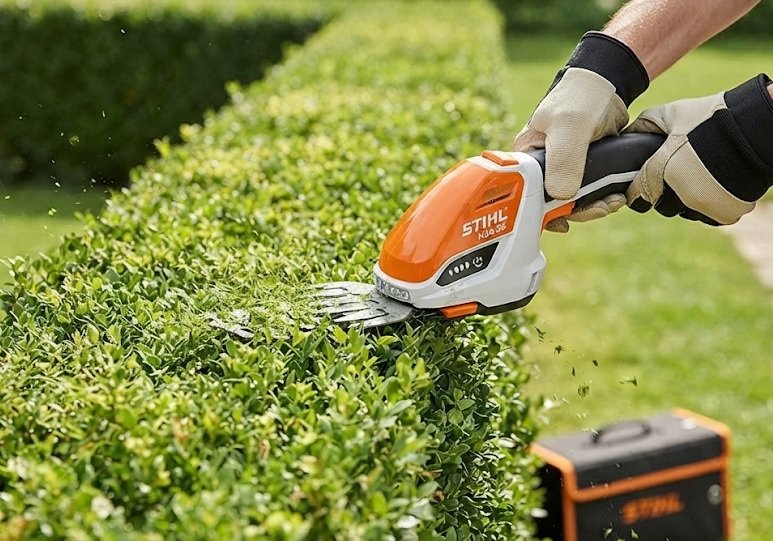
STIHL HSA 56 – Best Overall for Medium Yards
The STIHL HSA 56 is our recommended choice for most homeowners with medium-sized properties. This battery-powered model delivers quiet operation and zero emissions, making it ideal for residential areas. Its lightweight design reduces fatigue during extended trimming sessions. The built-in LED battery indicator prevents unexpected power loss mid-task.
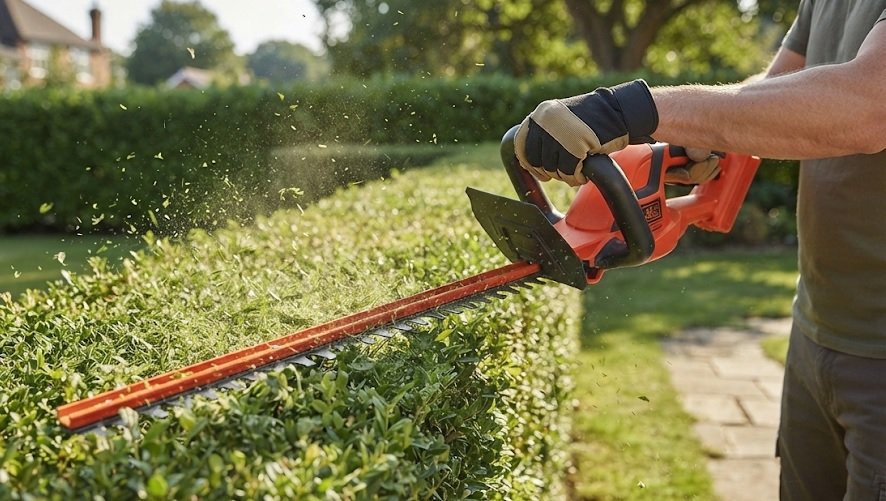
Black+Decker LHT2436 – Best Value for Small Yards
The Black+Decker LHT2436 offers exceptional value for small yards with modest hedging needs. Its 24-inch dual-action blade reduces vibration while providing clean, precise cuts. The 40-volt lithium-ion battery delivers up to 45 minutes of runtime. This is the best option for budget-conscious gardeners seeking reliable performance.
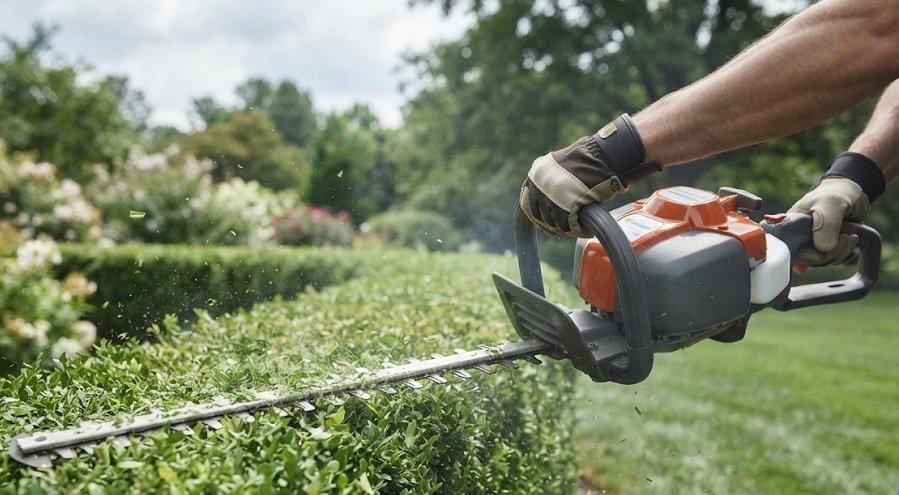
Husqvarna 122HD60 – Best for Large Properties
The Husqvarna 122HD60 is a gas-powered powerhouse designed for large estates with extensive hedgerows. Its 21.7cc X-Torq engine reduces fuel consumption while delivering superior cutting torque. The adjustable rear handle improves maneuverability in tight spaces. This model is ideal for professional-grade results on expansive properties.
Assessing Your Yard Size and Hedge Characteristics
Before purchasing any trimmer, you must accurately measure your total hedge footage. Walk your property and note every shrub, bush, and hedge row that requires regular maintenance. This measurement directly determines the power and blade length you need for efficient work.
Calculating Total Hedge Length
Use a tape measure to record the length of each hedge in feet, then add these figures together. For example, a property with three 10-foot hedges and two 15-foot hedges has 60 total linear feet. This number serves as your baseline for selecting the appropriate tool category.
- Under 50 feet: Manual shears or lightweight electric trimmers work well
- 50-150 feet: Cordless battery models provide sufficient runtime
- Over 150 feet: Gas-powered or high-capacity battery units are necessary
Evaluating Hedge Thickness and Branch Diameter
Inspect the thickest branches on your hedges to gauge cutting difficulty. Most residential trimmers handle branches up to ¾ inch thick, but older, overgrown hedges may have thicker growth. Measure the diameter of several mature branches to ensure your chosen model has adequate cutting capacity.
Consider growth density as well. Dense, tightly-packed hedges require more powerful motors to prevent blade jamming. Sparse, ornamental shrubs demand less torque and allow for lighter, more maneuverable tools.
Key Takeaway: Measure total hedge footage and branch thickness before shopping. These two metrics eliminate guesswork and prevent purchasing an underpowered or oversized tool.
Matching Tool Type to Yard Category
Small urban yards with minimal greenery benefit from compact corded trimmers. Suburban properties with mixed landscaping require versatile cordless models. Rural estates with extensive property lines demand heavy-duty gas units that handle continuous operation without recharge breaks.
Understanding Hedge Trimmer Power Sources and Their Trade-offs
Your yard size heavily influences which power source suits your needs best. Each option—corded electric, battery-powered, and gas—presents distinct advantages and limitations. Matching the power source to your property’s layout prevents frustrating limitations during use.
Corded Electric Trimmers: Consistent Power for Small to Medium Yards
Corded models provide unlimited runtime as long as you remain near an outlet. They are lightweight, quiet, and require minimal maintenance compared to gas alternatives. However, extension cord management becomes tedious on larger properties.
- Best for: Yards under 100 feet of hedge with nearby outdoor outlets
- Pros: Lower cost, instant start, consistent power output
- Cons: Limited reach, cord tangling, potential trip hazards
Battery-Powered Trimmers: Flexible Convenience for Most Properties
Cordless trimmers offer freedom of movement without the noise and fumes of gas engines. Modern lithium-ion batteries provide 30-60 minutes of runtime, sufficient for typical residential tasks. Purchase an extra battery to double your working time without waiting for recharges.
Consider the battery platform compatibility across your other yard tools. Investing in one brand’s ecosystem allows sharing batteries between trimmers, blowers, and chainsaws. This approach reduces overall cost and simplifies charging logistics.
Gas-Powered Trimmers: Maximum Power for Large or Commercial Settings
Gas units deliver unmatched cutting force and endurance for sprawling properties. They handle thick, woody branches effortlessly and operate for hours on a single tank. The trade-offs include louder operation, heavier weight, and routine engine maintenance.
| Power Source | Best Yard Size | Runtime | Maintenance |
|---|---|---|---|
| Corded Electric | Small (under 100 ft) | Unlimited | Minimal |
| Battery | Medium (50-150 ft) | 30-60 min | Low |
| Gas | Large (150+ ft) | Hours | Regular |
Choose based on your measured hedge footage and willingness to perform upkeep. Honest assessment of your maintenance tolerance prevents buyer’s remorse after purchase.
Key Features to Evaluate Before Making Your Purchase
Beyond power source, several design features significantly impact your trimming experience. Understanding these specifications helps you avoid common pitfalls that lead to poor cutting performance. Prioritizing the right features ensures comfortable, efficient operation for years to come.
Blade Length and Tooth Spacing
Blade length determines how much hedge surface you cover with each pass. Longer blades, typically 24-30 inches, suit medium to large properties by reducing total passes required. Shorter blades around 18-22 inches offer better maneuverability for detailed shaping work.
- Tooth spacing: Wider gaps handle thicker branches but leave rougher cuts
- Narrow gaps: Produce finer finishes ideal for formal hedges
- Dual-action blades: Reduce vibration and provide cleaner cuts than single-action
Weight and Ergonomics
Heavier trimmers cause arm fatigue during extended sessions, especially when working above shoulder height. Look for models under 8 pounds for manageable overhead work on tall hedges. Rotating rear handles improve access to awkward angles without straining your wrists.
Test the grip comfort and trigger placement before purchasing when possible. Well-balanced tools feel lighter than their actual weight suggests. Anti-vibration systems also reduce hand numbness during prolonged operation.
Safety Features and Accessories
Modern trimmers include essential safety mechanisms that protect users from accidents. Blade guards prevent contact with the cutting teeth during storage and transport. Two-hand switching systems stop the blade immediately when either hand releases the handle.
Check for included accessories like blade covers, wall mounts, and replacement blades. Some manufacturers offer extended warranties that provide peace of mind for major investments. Verify replacement part availability before committing to lesser-known brands.
Key Takeaway: Match blade length to your hedge footage, prioritize lightweight designs for comfort, and confirm safety features are standard equipment.
Practical Tips for Maintaining Your Hedge Trimmer
Proper maintenance extends your trimmer’s lifespan and ensures consistent cutting performance. Neglecting routine care leads to dull blades, reduced battery life, and premature motor failure. Following a simple maintenance schedule keeps your equipment in peak condition throughout the growing season.
Cleaning After Every Use
Remove sap, debris, and plant residue from blades immediately after each session. Use a stiff brush and warm soapy water to dislodge stubborn buildup. Dry blades thoroughly before storage to prevent rust formation on cutting surfaces.
- Disconnect power source or remove battery before cleaning
- Wipe blades with a cloth dampened with rubbing alcohol
- Apply a light coat of lubricating oil to pivot points
- Store in a dry location away from moisture
Sharpening and Blade Replacement
Dull blades tear foliage instead of cutting cleanly, leaving brown, ragged edges. Sharpen your trimmer blades at the start of each season using a flat file or sharpening stone. Replace blades entirely when nicks or bends compromise cutting accuracy.
Inspect blades monthly for damage, especially after trimming near rocks or fences. Some manufacturers offer replacement blade kits that install without special tools. Keep spare blades on hand to avoid downtime during peak trimming periods.
Battery Care and Storage
Lithium-ion batteries perform best when stored at moderate temperatures between 50-80°F. Avoid leaving batteries fully discharged for extended periods. Recharge batteries to approximately 50% before long-term storage to preserve capacity.
Clean battery contacts periodically with a dry cloth to ensure proper electrical connection. Replace batteries showing significant capacity loss after several seasons of use. Most quality batteries last 3-5 years with proper care and handling.
Key Takeaway: Clean after every use, sharpen seasonally, and store batteries properly to maximize your hedge trimmer investment.
Budget Considerations and Long-Term Value
Hedge trimmer prices vary dramatically based on power source, brand reputation, and included features. Understanding the cost spectrum helps you allocate your budget effectively without overspending. Balancing upfront costs against long-term value prevents costly replacements down the road.
Price Ranges by Power Source
Manual shears remain the most affordable option at $20-$50, suitable for minimal trimming needs. Corded electric models typically range from $50-$120, offering reliable performance for budget-conscious homeowners. Battery-powered units cost $120-$300, with additional batteries representing a significant expense.
- Entry-level gas trimmers: $150-$250 for basic residential models
- Mid-range professional units: $250-$400 with enhanced features
- Commercial-grade equipment: $400-$800 for daily heavy use
Hidden Costs to Factor Into Your Decision
Replacement batteries for cordless models cost $50-$150 each, depending on voltage and capacity. Purchase an extra battery upfront to avoid downtime and extend working sessions. Gas trimmers require fuel, two-stroke oil, and periodic tune-ups that add to ownership costs.
Blade replacement kits range from $30-$80 depending on brand and length. Consider warranty coverage when comparing prices, as longer warranties reduce long-term repair expenses. Some manufacturers offer free sharpening services for the life of the product.
Value-Based Purchasing Strategies
Invest in the highest quality tool your budget allows, especially for frequent use. Cheaper models often require replacement within 2-3 seasons, negating initial savings. Mid-range trimmers from reputable brands offer the best balance of performance and durability for most homeowners.
Watch for seasonal sales during spring and fall when retailers discount gardening equipment. Bundle purchases with other yard tools to maximize savings on shared battery platforms. Read verified customer reviews to identify common failure points before committing.
Common Hedge Trimmer Mistakes to Avoid
Even experienced gardeners make errors that damage both their equipment and plants. Recognizing these frequent pitfalls helps you achieve professional-quality results safely. Avoiding these mistakes extends equipment life and produces healthier hedges with cleaner cuts.
Cutting Too Much at Once
Attempting to remove large branches in a single pass strains the motor and causes blade binding. Work in gradual layers, removing no more than one-third of branch thickness per pass. This technique prevents stalling and produces smoother, more precise cuts.
- Start with outer growth: Shape the exterior before addressing deeper branches
- Use sweeping motions: Move the trimmer in steady arcs rather than chopping
- Check for hidden obstacles: Inspect hedges for bird nests or wire before cutting
Trimming at the Wrong Time of Year
Pruning during extreme heat or freezing temperatures stresses plants and inhibits recovery. Late spring and early summer provide optimal conditions for most hedge varieties to heal quickly. Avoid heavy trimming during drought periods when plants lack moisture reserves.
Different hedge species have unique growth cycles requiring specific timing. Research your particular plants to determine the ideal pruning window. Improper timing can remove flower buds and reduce seasonal blooming.
Ignoring Safety Precautions
Hedge trimmers cause thousands of injuries annually due to careless handling. Always wear protective eyewear, gloves, and long sleeves to shield against flying debris. Never operate the tool while standing on unstable ladders or wet surfaces.
Inspect power cords and batteries for damage before each use. Never attempt to clear jammed blades while the tool is running—always disconnect power first. Store equipment out of reach of children and pets at all times.
Key Takeaway: Cut gradually, time your trimming correctly, and prioritize safety equipment for injury-free maintenance.
Comparing Popular Brands and Their Reputations
Brand selection significantly impacts your hedge trimmer’s reliability, parts availability, and resale value. Established manufacturers invest heavily in research and development to produce durable equipment. Choosing a reputable brand ensures access to replacement parts and customer support for years after purchase.
STIHL: Professional-Grade Durability
STIHL dominates the commercial landscaping market with its rugged, high-performance trimmers. Their battery-powered models integrate seamlessly with a comprehensive ecosystem of yard tools. STIHL equipment commands premium prices but delivers exceptional longevity and dealer support networks nationwide.
- Warranty: 2-year residential, 1-year commercial coverage
- Best for: Homeowners who prioritize long-term investment value
- Drawback: Higher upfront cost compared to competitors
Black+Decker: Accessible Innovation
Black+Decker focuses on user-friendly features at approachable price points for casual gardeners. Their trimmers feature lightweight designs and intuitive controls that appeal to beginners. Widespread retail availability makes replacement parts and accessories easy to source at most home improvement stores.
Battery compatibility across the brand’s 20V and 40V platforms adds versatility. Many homeowners build entire tool collections around Black+Decker batteries. Customer service responsiveness varies by region, but generally receives satisfactory ratings.
Husqvarna: Swedish Engineering Excellence
Husqvarna combines Scandinavian design precision with rugged construction suited for demanding conditions. Their gas-powered trimmers deliver exceptional torque for thick, woody growth. Husqvarna’s X-Torq engines reduce emissions while maximizing fuel efficiency compared to conventional two-stroke motors.
The brand offers extensive dealer networks providing professional maintenance services. Their equipment holds resale value exceptionally well due to strong brand recognition. Expect to pay a premium for Husqvarna’s reputation and build quality.
| Brand | Price Range | Best Use Case | Warranty |
|---|---|---|---|
| STIHL | $150-$500 | Frequent, heavy use | 2-year |
| Black+Decker | $50-$200 | Casual, light trimming | 2-year |
| Husqvarna | $200-$600 | Large properties | 2-year |
Conclusion: Choosing the Right Hedge Trimmer for Your Yard
Selecting the perfect hedge trimmer requires honest assessment of your yard size, hedge thickness, and maintenance preferences. Matching power source to property dimensions ensures efficient, enjoyable trimming sessions without frustration.
Prioritize blade length, weight, and safety features that suit your physical capabilities. Invest in reputable brands offering solid warranties and available replacement parts. Your measured approach will reward you with years of reliable service.
Apply these expert tips today and transform your hedges with confidence. Your ideal trimmer awaits—now go find it and enjoy a beautifully manicured landscape.
Frequently Asked Questions about Choosing the Right Hedge Trimmer
What size hedge trimmer do I need for my yard?
Your yard’s total hedge footage determines the ideal blade length. Measure all hedges and add the lengths together—under 50 feet suits 18-22 inch blades, while 50-150 feet requires 22-26 inch options. Properties with over 150 feet of hedges need 26-30 inch blades for efficient coverage.
Consider hedge height as well, since taller hedges demand longer reach. Pole trimmers or extended handles help access overhead growth without ladders. Match blade length to your specific measurements rather than guessing.
How to choose between gas and battery hedge trimmers?
Battery models suit most residential properties under 150 feet of hedge with quieter operation and zero emissions. Gas trimmers excel on large estates with thick, woody growth requiring sustained power. Your maintenance tolerance also matters—batteries need minimal upkeep while gas engines require fuel mixing and periodic servicing.
Consider runtime requirements for your typical session. Standard batteries provide 30-60 minutes, sufficient for most homeowners. Large properties may need spare batteries or gas power for uninterrupted work.
Which is better: corded or cordless hedge trimmers?
Corded trimmers offer unlimited runtime and consistent power at lower prices, ideal for small yards near outlets. Cordless models provide freedom of movement without extension cord management, making them preferable for larger properties. Your yard layout determines the better choice—consider outlet accessibility and hedge placement.
Battery technology has improved significantly, narrowing the performance gap. Modern lithium-ion batteries rival corded power for most residential tasks while eliminating trip hazards.
What is the best way to trim tall hedges safely?
Use a pole hedge trimmer or attach an extension handle to reach heights safely from the ground. Never stand on ladders while operating hedge trimmers—this causes numerous injuries annually. Position yourself with feet shoulder-width apart and maintain a stable stance.
Work from top to bottom, allowing clippings to fall clear of the cutting area. Take frequent breaks to prevent arm fatigue that compromises control and precision.
Why does my hedge trimmer keep jamming?
Jamming typically occurs when cutting branches thicker than the blade’s capacity or when debris accumulates between teeth. Measure branch thickness before trimming and respect manufacturer specifications. Clear jammed material only after disconnecting power completely.
Regular cleaning prevents sap buildup that causes blades to stick. Lubricate pivot points after each use and sharpen blades seasonally to maintain clean cutting action.
How often should I sharpen my hedge trimmer blades?
Sharpen blades at the start of each growing season and again mid-season for heavy use. Signs of dullness include torn leaf edges and increased effort during cutting. Use a flat file or sharpening stone, maintaining the original bevel angle.
Professional sharpening services cost $15-$30 and extend blade life significantly. Replace blades entirely when nicks or bends affect cutting accuracy—typically every 3-5 years with regular maintenance.
What safety gear do I need for hedge trimming?
Essential safety equipment includes protective eyewear, heavy-duty gloves, and long-sleeved shirts. Steel-toed boots protect feet from falling branches and accidental drops. Hearing protection matters for gas-powered models exceeding 90 decibels.
Consider a hard hat when trimming overhead branches or tall hedges. Never wear loose clothing or jewelry that could catch in moving parts.
Can I use a hedge trimmer on wet hedges?
Avoid trimming wet hedges whenever possible—moisture increases slipping risks and causes poor cut quality. Wet foliage clumps and sticks to blades, reducing cutting efficiency. For electric models, water creates serious electrical shock hazards.
Wait for foliage to dry completely before trimming. Morning dew typically evaporates by midday, providing optimal conditions for clean cuts and safe operation.