
Choosing the right wheelbarrow size for a home garden is the first step to effortless yard work. The correct capacity prevents wasted trips and reduces physical strain. This complete guide reveals proven methods for matching the tool to your specific tasks.
You will learn how to decode cubic feet ratings and compare single versus dual-wheel designs. We break down the best options for moving mulch, soil, and heavy debris. Continue reading to get expert tips that save you time and money on your next purchase.
Best Wheelbarrows for Home Gardens – Detailed Comparison
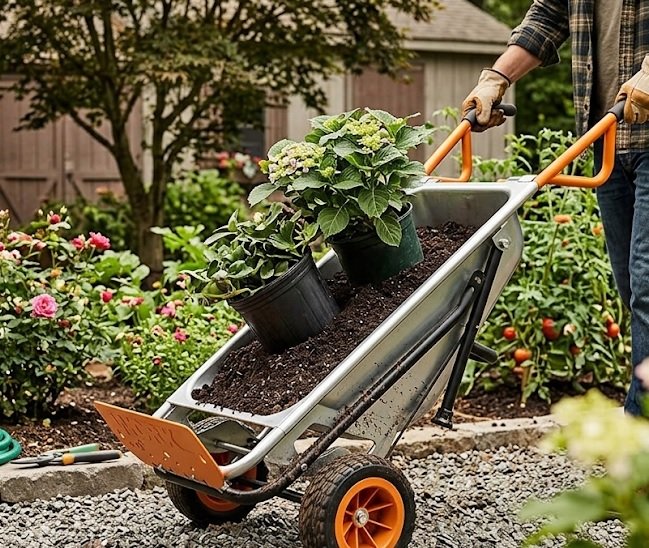
Worx Aerocart 8-in-1 Wheelbarrow (WG050) – Best Overall Choice
The Worx Aerocart WG050 is the most versatile option for homeowners, converting into eight different tools. Its unique design lifts heavy loads using two large wheels, reducing strain on your back by up to 100%. This is the best option for anyone who needs a wheelbarrow for multiple garden tasks.
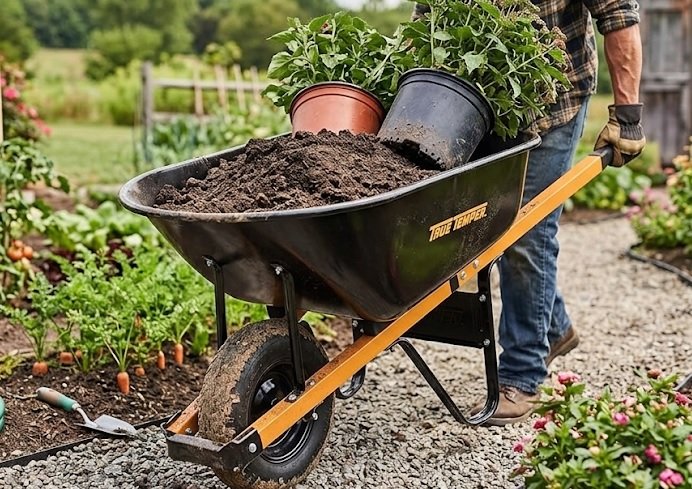
Jackson 6 Cubic Foot Steel Tray Wheelbarrow (JCS600) – Best for Heavy Duty
The Jackson JCS600 features a 6-cubic-foot steel tray and a pneumatic tire, making it ideal for hauling wet soil and rocks. Its heavy-duty undercarriage provides superior stability on uneven terrain. This is the recommended choice for larger gardens requiring frequent, heavy material transport.
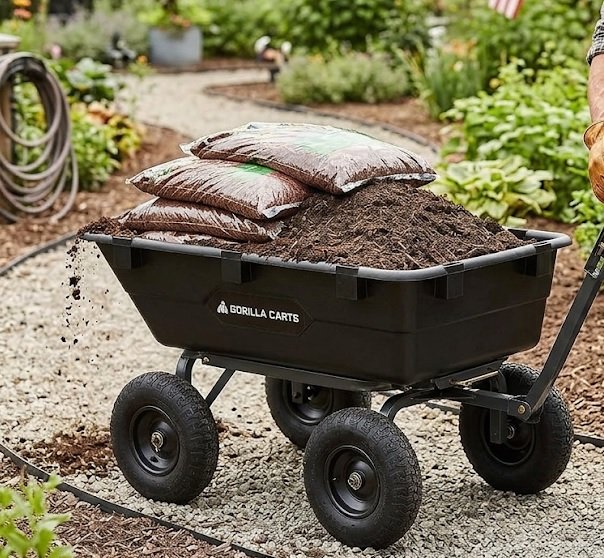
Gorilla Carts GOR866D Poly Yard Cart – Best for Lightweight Maneuverability
The Gorilla Carts GOR866D uses a 600-pound capacity poly deck with a quick-release hinge for easy dumping. Its two-wheel design offers perfect balance, making it ideal for moving mulch or leaves without tipping over. This model is perfect for smaller yards where storage space is limited.
Understanding Wheelbarrow Capacity and Cubic Feet
Wheelbarrow sizes are measured in cubic feet, which refers to the volume of the tray. Most home garden models range from 4 to 6 cubic feet, with 6 cubic feet being the industry standard for residential use. Understanding this measurement is crucial before comparing specific models.
How to Match Capacity to Your Garden Size
Smaller gardens under 1,000 square feet rarely need more than a 4-cubic-foot model. Larger properties with extensive landscaping benefit from the 6-cubic-foot capacity, reducing the number of trips required.
- 4 cubic feet: Best for light tasks like moving leaves or potting soil bags.
- 5 cubic feet: A balanced option for mixed use, including mulch and compost.
- 6 cubic feet: Ideal for heavy materials like gravel, bricks, and wet topsoil.
The Weight Factor: Tray Material Matters
The tray material directly impacts how much weight you can safely carry. Steel trays handle the heaviest loads but add significant weight to the unit itself. Polyethylene trays are lighter, resist rust, and slide materials out more easily when dumping.
Consider the total weight of the wheelbarrow plus the load. A 6-cubic-foot steel tray filled with wet soil can easily exceed 300 pounds. This is why pneumatic tires are essential for larger capacities, as they absorb shock and provide better traction on soft ground.
For most home gardeners, a 6-cubic-foot poly tray with a steel frame offers the best balance of durability and maneuverability. This combination handles heavy loads without the rust issues associated with all-steel construction.
Key Takeaway: Match your wheelbarrow size to the heaviest material you plan to haul, not just the volume. A 6-cubic-foot capacity is the most versatile for standard home garden use.
Single-Wheel vs. Dual-Wheel Designs: Which Is Right for You?
The number of wheels dramatically affects how a wheelbarrow handles different terrain and loads. Single-wheel models offer superior maneuverability on narrow garden paths and through tight spaces. Dual-wheel designs provide exceptional stability but require more width to operate effectively.
Advantages of Single-Wheel Wheelbarrows
Single-wheel units are the traditional choice for home gardeners because they allow you to navigate uneven ground with precision. The single wheel creates a pivot point that makes dumping loads easier and more controlled.
- Maneuverability: Navigates narrow gates and tight corners with ease.
- Lighter weight: Easier to lift and store when not in use.
- Lower cost: Generally more affordable than dual-wheel counterparts.
- Better for rough terrain: The wheel tracks through ruts without catching.
Benefits of Dual-Wheel Wheelbarrows
Dual-wheel models excel at carrying heavy, unbalanced loads without tipping. The wider stance distributes weight more evenly, making them safer for less experienced users or those with back concerns.
However, dual-wheel units are significantly wider and heavier than single-wheel versions. They are best suited for open spaces like large vegetable plots or landscaping projects where maneuverability is less critical than stability.
| Feature | Single-Wheel | Dual-Wheel |
|---|---|---|
| Stability | Moderate | Excellent |
| Maneuverability | Excellent | Moderate |
| Best For | Narrow paths, dumping | Heavy loads, flat ground |
| Weight | Lighter | Heavier |
For most home gardens with mixed terrain, a single-wheel model with a 6-cubic-foot capacity remains the most practical and versatile option.
Wheelbarrow Tire Types and Handle Ergonomics
Tire selection is often overlooked, yet it significantly impacts how easily you can push a loaded wheelbarrow across your property. Pneumatic tires provide the best shock absorption and traction on soft ground. Solid or flat-free tires eliminate maintenance but deliver a rougher ride on uneven surfaces.
Choosing the Right Tire for Your Terrain
Pneumatic tires with deep treads are the best choice for muddy or loose soil conditions. They grip the ground effectively, preventing the wheel from sinking or spinning when hauling heavy loads. For paved driveways or patio work, a smoother tread offers less rolling resistance.
- Pneumatic tires: Best for gardens, lawns, and uneven terrain; require occasional inflation.
- Flat-free tires: Ideal for construction sites or areas with nails and debris; no maintenance needed.
- Wide tires: Distribute weight better on soft ground, preventing ruts in your lawn.
Handle Design and Ergonomic Considerations
Proper handle height and grip material reduce fatigue during extended use. Handles should sit at hip height when the wheelbarrow is resting on the ground, allowing for a natural pushing posture. Soft-grip handles reduce friction and prevent blisters on long projects.
Look for models with extended handle loops that allow for multiple grip positions. This feature is particularly useful when navigating slopes or lifting the wheelbarrow over obstacles.
Pro Tip: Test the handle height before purchasing. A wheelbarrow with handles that are too low forces you to hunch over, leading to back pain and reduced control.
Wooden handles offer classic aesthetics but require varnishing to prevent splinters. Steel and composite handles are virtually maintenance-free and withstand years of exposure to the elements without degrading.
How to Choose the Right Wheelbarrow for Specific Garden Tasks
Different gardening activities demand different wheelbarrow specifications. A model perfect for moving lightweight leaves will struggle with heavy construction materials. Matching the wheelbarrow size for a home garden to your primary tasks ensures efficiency and longevity.
Mulch and Compost: Volume Matters Most
For spreading mulch or compost, prioritize large tray capacity over heavy-duty construction. A 6-cubic-foot poly tray allows you to move more material per trip without adding excessive weight. These materials are light, so even a fully loaded tray remains manageable.
- Best capacity: 6 cubic feet for fewer trips across your yard.
- Best tray material: Polyethylene for easy release of sticky compost.
- Best wheel type: Pneumatic for navigating soft garden beds.
Soil, Rocks, and Pavers: Durability Is Critical
Heavy materials require a wheelbarrow built to withstand significant stress. A steel tray with reinforced edges prevents bending when loading sharp rocks or bricks. The undercarriage must feature a sturdy frame with welded joints to handle concentrated weight.
Consider a 5-cubic-foot capacity for heavy loads rather than the larger 6-cubic-foot option. The reduced volume keeps total weight lower, making the wheelbarrow easier to control and reducing the risk of tipping on slopes.
General Yard Work: Versatility Wins
If you perform a mix of tasks, look for a versatile mid-range model around 5 to 6 cubic feet. This capacity handles everything from seasonal leaf removal to occasional soil transport. Features like a quick-release dump mechanism add convenience across multiple applications.
Key Takeaway: Assess your heaviest regular task first. If you rarely move heavy materials, prioritize capacity and ease of use over maximum durability.
Wheelbarrow Maintenance Tips to Extend Lifespan
Proper maintenance dramatically extends the life of your wheelbarrow, regardless of the size you choose. A well-maintained unit operates smoothly and safely for decades. Neglecting basic care leads to rust, flat tires, and premature frame failure.
Essential Cleaning and Storage Practices
Always remove debris and soil from the tray after each use. Leaving wet material in the tray accelerates rust on steel models and causes poly trays to become brittle over time. Rinse the tray thoroughly and allow it to dry completely before storing.
- Rinse: Use a garden hose to remove all dirt and residue.
- Dry: Tilt the wheelbarrow to drain standing water from the tray.
- Store: Keep it in a shed or garage, protected from direct sunlight and rain.
- Lubricate: Apply grease to the wheel axle and pivot points twice per season.
Maintaining Tires and Wheels
Check pneumatic tire pressure monthly during the gardening season. Properly inflated tires roll easier and prevent unnecessary strain on the wheel axle. Inspect the tire tread for embedded nails or sharp stones that could cause punctures.
For flat-free tires, periodically check that the wheel hub remains securely fastened to the frame. Loose hubs cause wobbling and accelerate bearing wear. Tighten any loose bolts with a wrench to maintain stability.
Preventing Rust on Steel Trays
Steel trays require extra attention to prevent corrosion. Touch up any scratches or chips with rust-resistant paint immediately. Apply a thin coat of boiled linseed oil to the exterior of the tray each spring to create a protective barrier against moisture.
Pro Tip: Store your wheelbarrow upside down or on its handles to prevent water pooling in the tray. This simple habit significantly reduces rust formation on steel models.
Budget Considerations and Value for Money
Wheelbarrow prices vary significantly based on capacity, materials, and brand reputation. Entry-level models start around $50, while premium units with advanced features can exceed $200. Understanding what you pay for helps you make a smart investment.
What Determines the Price of a Wheelbarrow?
The tray material is the primary cost driver. Polyethylene trays are cheaper to manufacture and typically appear on budget-friendly models. Steel trays require more material and fabrication, increasing the overall price but offering superior durability.
- Under $75: Basic poly trays, standard wheels, and lighter frames; suitable for light use.
- $75–$150: Balanced options with steel or heavy-duty poly trays and pneumatic tires.
- Over $150: Premium features like dual wheels, ergonomic handles, and reinforced frames.
Long-Term Value vs. Upfront Cost
A cheaper wheelbarrow may seem appealing, but it often requires replacement within a few seasons. Investing in a mid-range model with a steel tray and quality tires typically delivers 10–15 years of reliable service. This translates to better value over time compared to replacing budget units frequently.
Consider the cost per use when evaluating your options. If you garden weekly, a $120 wheelbarrow costs less than $0.25 per use over a decade. That same calculation makes a $60 model less economical if it fails after only three years.
Where to Find the Best Deals
Hardware stores and garden centers frequently offer seasonal discounts on wheelbarrows during spring and fall. Online retailers often provide competitive pricing, but shipping costs can offset savings on heavy items. Check local classifieds for gently used models from homeowners downsizing their gardens.
Key Takeaway: Aim for the $75–$150 price range to balance quality and affordability. This segment offers the best durability for the average home gardener.
Safety Tips for Operating a Wheelbarrow
Using a wheelbarrow correctly prevents injuries and property damage. Many accidents occur from overloading, improper lifting, or navigating slopes carelessly. Following basic safety guidelines keeps your gardening experience productive and injury-free.
Proper Lifting and Pushing Techniques
Always lift the handles using your legs, not your back, to avoid strain. Keep your back straight and bend at the knees when raising the wheelbarrow from a resting position. Maintain a firm grip on both handles to ensure full control.
- Position yourself: Stand close to the handles with feet shoulder-width apart.
- Bend your knees: Squat down while keeping your back straight.
- Lift smoothly: Rise using leg strength, not your lower back.
- Push, don’t pull: Always push the wheelbarrow forward rather than dragging it.
Avoiding Overloading and Tipping Hazards
Never fill the tray beyond its rated capacity, as this compromises stability. Center the load over the wheel to maintain balance and prevent tipping on uneven ground. Distribute heavy items evenly across the tray bottom rather than stacking them on one side.
When moving downhill, keep the wheelbarrow in front of you and use controlled resistance. When moving uphill, push steadily without sudden bursts of force that could cause the load to shift.
Navigating Slopes and Obstacles
Take extra caution on slopes and uneven terrain. Reduce your speed and take shorter steps to maintain balance. For steep inclines, consider reducing the load size to keep the wheelbarrow manageable.
- On grass: Watch for hidden holes or roots that could catch the wheel.
- On pavement: Be aware of cracks and uneven joints that can cause jolts.
- On gravel: Move slowly to prevent the wheel from sinking or skidding.
Key Takeaway: Always prioritize control over speed. A slower, steady pace prevents most wheelbarrow-related accidents and injuries.
Conclusion: Choose the Right Wheelbarrow Size for a Home Garden Today
Selecting the correct wheelbarrow size for a home garden transforms yard work from a chore into an efficient task. Consider your primary activities, terrain, and budget to find the perfect match.
Prioritize a 6-cubic-foot model with pneumatic tires for the best balance of versatility and durability. Visit your local hardware store to test handle heights and wheel designs firsthand.
Make the smart investment now, and enjoy years of effortless gardening. Your back will thank you.
Frequently Asked Questions about Wheelbarrow Sizes for Home Gardens
What is the most common wheelbarrow size for home garden use?
The 6-cubic-foot wheelbarrow is the industry standard for residential gardening. This size offers the best balance between load capacity and maneuverability for most homeowners.
It handles everything from mulch to soil without requiring excessive trips. For smaller gardens or users with limited strength, a 4 or 5-cubic-foot model may be more comfortable to operate.
How much weight can a 6-cubic-foot wheelbarrow hold?
A standard 6-cubic-foot wheelbarrow can safely carry approximately 300 to 400 pounds of material. This weight limit depends on the tray material and frame construction quality.
Wet soil and gravel are among the heaviest materials you will haul. Always check the manufacturer’s rated capacity to avoid overloading and damaging the frame.
Which is better for a garden: a single-wheel or dual-wheel wheelbarrow?
Single-wheel models are better for navigating narrow paths and tight spaces in established gardens. They offer superior maneuverability and are easier to tip for dumping.
Dual-wheel models provide greater stability on flat, open terrain and are ideal for heavy loads. Choose based on your garden layout and the weight of materials you typically move.
How do I choose the right wheelbarrow capacity for my yard?
Assess the heaviest material you plan to haul regularly, not just the volume. If you move rocks or wet soil, prioritize a steel tray with a slightly smaller capacity to manage weight.
For lightweight materials like leaves or mulch, a larger poly tray maximizes efficiency. Match the wheelbarrow size for a home garden to your specific tasks and physical strength.
What is the best way to store a wheelbarrow to prevent rust?
Store your wheelbarrow indoors or under a covered area to protect it from rain and moisture. Always empty the tray and allow it to dry completely before storage.
Hang it upside down or rest it on its handles to prevent water pooling in the tray. Apply a rust inhibitor to steel trays annually for added protection.
How often should I replace the tire on my wheelbarrow?
Pneumatic tires typically last three to five years with regular use and proper inflation. Inspect the tread and sidewalls monthly for cracks, bulges, or embedded debris.
Flat-free tires can last the lifetime of the wheelbarrow but may become brittle with extreme weather exposure. Replace any tire that shows signs of structural damage immediately.
Can I use a wheelbarrow for mixing concrete?
Yes, a steel-tray wheelbarrow is excellent for mixing small batches of concrete. The smooth steel surface allows for easy mixing and cleaning after the concrete sets.
Avoid using poly trays for concrete mixing, as the abrasive aggregate can scratch and weaken the plastic. Use a heavy-duty model with reinforced edges to withstand the weight.
What is the ideal handle height for a wheelbarrow?
Ideal handle height places the grips at hip level when the wheelbarrow is at rest on flat ground. This position promotes a natural posture and reduces back strain during pushing.
When shopping, stand next to the wheelbarrow and grasp the handles to test the fit. Adjustable handles are available on premium models for customized comfort.