
If your leaf blower won’t turn on, the problem is usually simple to fix. This complete guide covers the most common causes and proven methods to get your equipment running again. You can solve most starting issues in under 15 minutes with basic tools.
We’ll walk you through a step-by-step diagnostic process covering fuel, spark, and air systems. You’ll learn expert tips for both gas and electric models. Keep reading to discover the exact fixes that professional small-engine mechanics use every day.
Best Leaf Blower Starting Aids and Replacement Parts
When your equipment fails to start, the right replacement part or diagnostic tool saves time and money. Below are our top recommendations for getting your leaf blower running again, whether you need a spark tester, fuel stabilizer, or a complete carburetor kit.
Inline Spark Tester – Best Overall Diagnostic Tool
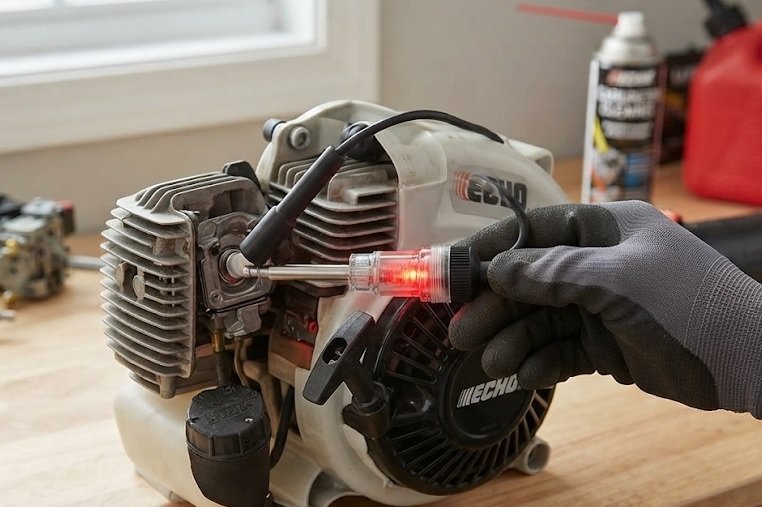
The Lisle 26800 Inline Spark Tester is our best overall choice for diagnosing ignition problems. This affordable tool connects between the spark plug boot and plug, letting you verify spark in seconds. It is ideal for all gas-powered leaf blowers and requires no special skills to operate. The clear housing shows a bright blue flash when spark is present, making troubleshooting straightforward. This is the recommended first step for any no-start condition.
STA-BIL 22214 Fuel Stabilizer – Best Preventative Option
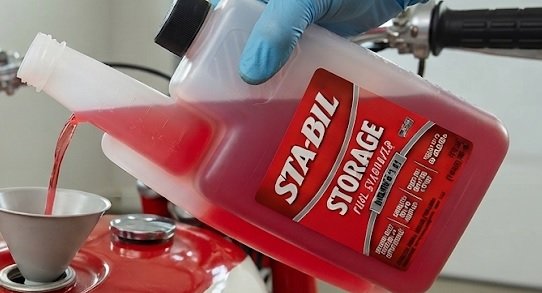
The STA-BIL 22214 8-Ounce Fuel Stabilizer is the best option for preventing fuel-related starting issues before they occur. Ethanol-blended gasoline degrades quickly, clogging carburetors and fuel lines. This treatment keeps fuel fresh for up to 24 months, protecting the entire fuel system. It is ideal for seasonal storage and infrequent use, which are the leading causes of leaf blower starting failures. A single bottle treats up to 40 gallons of fuel, making it a highly cost-effective solution.
Carburetor Repair Kit – Best Full Repair Solution
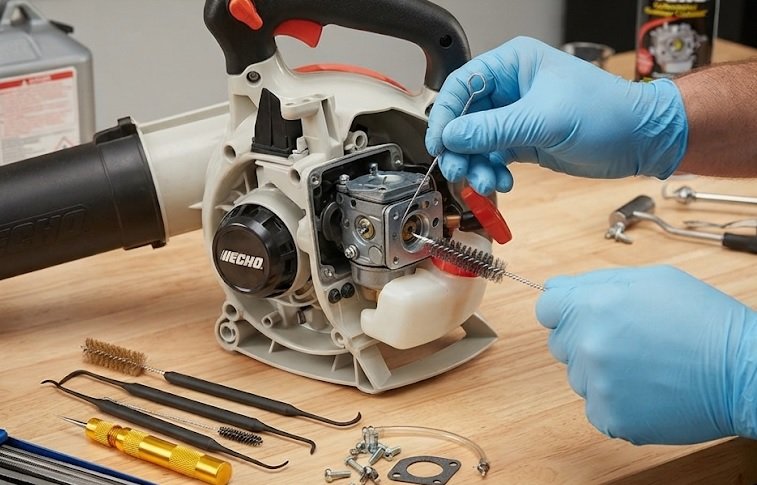
For leaf blowers with clogged carburetors, the Rokman Carburetor Repair Kit for Ryobi is our recommended comprehensive fix. This kit includes a new carburetor, fuel lines, air filter, and primer bulb, covering all common wear items. It is best for Ryobi models with 27cc to 30cc engines, fitting most popular trimmers and blowers. This all-in-one solution eliminates guesswork and ensures you replace every failing component in one session. It is the fastest path to a fully restored, reliable starting leaf blower.
Diagnosing Why Your Leaf Blower Won’t Start
Before attempting any repair, you need to identify the root cause of the starting failure. Most gas leaf blowers fail to start due to one of three primary issues: fuel delivery problems, ignition system failures, or airflow blockages. By following a systematic diagnostic approach, you can quickly isolate the problem and apply the correct fix.
Check the Fuel System First
Old or contaminated fuel is the leading cause of starting issues. If your fuel has been sitting for over 30 days, it may have lost its volatility or absorbed moisture.
- Inspect the fuel: Fresh fuel should be a clear, light amber color. Dark, cloudy, or foul-smelling fuel requires immediate replacement.
- Examine the fuel lines: Cracks, brittleness, or disconnections restrict fuel flow to the carburetor.
- Test the primer bulb: A working primer bulb should feel firm and fill with fuel after 5-6 presses. If it stays soft, the fuel line is likely clogged or broken.
Verify the Ignition System
If the fuel system checks out, move to the ignition components. A lack of spark prevents combustion completely.
- Remove the spark plug: Inspect the electrode for carbon buildup or damage.
- Test for spark: Reattach the plug wire and ground the plug against the engine block while pulling the starter cord.
- Check the gap: Use a feeler gauge to ensure the gap matches your owner’s manual specifications.
If no spark appears, replace the spark plug first, as it is the cheapest component. A faulty ignition coil or kill switch requires more advanced testing with a multimeter.
Step-by-Step Fixes for Common Leaf Blower Starting Problems
Once you have identified the likely culprit, you can apply targeted fixes that resolve most starting issues. These proven methods address the most frequent failures without requiring professional mechanic skills. Follow these steps in order for the fastest results.
Cleaning or Replacing the Spark Plug
A fouled or worn spark plug is a common reason a leaf blower won’t turn on. Carbon deposits prevent the plug from creating a strong enough spark to ignite the fuel mixture.
- Remove the plug: Use a spark plug socket to unscrew it from the cylinder head.
- Clean the electrode: Scrub with a wire brush to remove carbon buildup, then wipe dry.
- Set the gap: Use a feeler gauge to match the manufacturer’s specification, typically 0.020 to 0.030 inches.
- Reinstall and test: Hand-tighten the plug, then give it a quarter turn with the socket.
If cleaning fails to restore spark, replace the spark plug entirely. A new plug costs under $10 and eliminates this variable from your troubleshooting.
Clearing Clogged Fuel Lines and Carburetor
Ethanol in modern gasoline leaves sticky residue that blocks tiny carburetor jets. This prevents fuel from reaching the combustion chamber, causing the engine to crank without starting.
- Drain the fuel tank: Remove old fuel completely and dispose of it properly.
- Clean the carburetor bowl: Remove the bowl and spray carburetor cleaner through all ports and jets.
- Replace fuel lines: Soft, swollen, or cracked lines collapse under vacuum and restrict fuel flow.
For severely clogged carburetors, a repair kit with a new carburetor is often more cost-effective than repeated cleaning. This guarantees all internal passages are clear and functional.
Advanced Troubleshooting for Stubborn Leaf Blower Starting Issues
If basic fixes fail, the problem may lie deeper within the engine’s mechanical systems. These advanced checks require a bit more effort but are still manageable for most DIY homeowners. Working through these steps systematically will reveal even the most hidden starting faults.
Inspecting the Air Filter and Housing
A severely clogged air filter starves the engine of oxygen, creating an overly rich fuel mixture that prevents ignition. This is especially common if you use your blower in dusty autumn conditions.
- Remove the air filter cover: Typically secured by a single screw or clip on the side of the carburetor.
- Check the filter element: Hold it up to the light. If you cannot see light through it, the filter is blocked.
- Clean or replace: Wash foam filters with warm soapy water, dry thoroughly, then re-oil. Replace paper filters if dirty.
Never run the engine without an air filter, as debris will enter the cylinder and cause severe internal damage. A clean filter ensures proper airflow and reliable cold starts.
Testing the Compression and Recoil Starter
Low compression prevents the engine from building enough pressure to ignite fuel. Common causes include a worn piston ring, a loose spark plug, or a damaged cylinder wall.
- Install a compression gauge: Thread it into the spark plug hole.
- Pull the starter cord: Pull rapidly 5-6 times and note the reading.
- Compare results: Most leaf blower engines should read between 90 and 120 PSI. Lower readings indicate internal wear.
Also inspect the recoil starter assembly for a broken spring or frayed rope. A seized starter pulley will prevent the engine from cranking altogether, even with a perfectly healthy engine.
Electric Leaf Blower Troubleshooting: Specific Fixes
Electric leaf blowers, both corded and battery-powered, have different failure points than gas models. Most issues stem from power delivery or motor protection systems rather than fuel problems. These troubleshooting steps will help you get your electric blower running again quickly.
Diagnosing Corded Electric Leaf Blower Issues
A corded blower that won’t turn on usually has a simple electrical fault. Start by testing the power source before inspecting the tool itself.
- Test the outlet: Plug in a known-working device to confirm the outlet has power.
- Inspect the extension cord: Check for cuts, kinks, or damaged plugs that interrupt current flow.
- Check the trigger switch: A worn trigger switch may fail to make contact, preventing the motor from receiving power.
- Look for a reset button: Many models have a thermal overload switch that trips when the motor overheats.
Press the reset button if present and allow the motor to cool for 15 minutes. If the blower still won’t start, the motor brushes may be worn and require replacement.
Fixing Battery-Powered Leaf Blower Problems
Battery blowers often fail due to depleted or faulty batteries, not motor issues. The battery management system may also lock out power if the pack is too hot or too cold.
- Check the battery charge: Insert the battery into the charger and confirm the charging light activates.
- Clean the contacts: Dirty terminals prevent proper electrical connection between battery and tool.
- Test with a spare battery: If available, try a different fully-charged pack to isolate the problem.
- Inspect the battery release latch: A loose battery can lose contact during operation and fail to restart.
If the battery charges but the blower still won’t run, the motor or speed control board may be defective, requiring professional service.
Preventative Maintenance to Avoid Future Starting Problems
Regular maintenance is the most effective way to ensure your leaf blower starts reliably every time. A consistent care routine prevents the buildup of fuel residue, carbon deposits, and debris that cause most starting failures. Investing 10 minutes after each use will save you hours of troubleshooting later.
Proper Fuel Storage and Stabilization
Fuel degradation is the number one cause of gas leaf blower starting issues. Ethanol absorbs moisture from the air and leaves sticky varnish behind when it evaporates.
- Use fresh fuel: Mix only what you need for 30 days of use, and store it in a sealed container.
- Add fuel stabilizer: Treat every gallon of gas with a quality stabilizer like STA-BIL to prevent varnish formation.
- Run the engine dry: Before long-term storage, run the blower until the carburetor is empty of fuel.
- Drain the tank: For winter storage, empty the tank completely and dispose of old fuel properly.
Always use the correct oil-to-fuel ratio specified in your owner’s manual. Too much oil causes heavy smoke and carbon buildup, while too little oil leads to engine seizure.
Seasonal Cleaning and Inspection Checklist
A quick inspection at the start of each season catches minor issues before they become major repairs. This routine takes about 15 minutes and covers all critical components.
- Replace the spark plug: Install a new plug annually or every 100 hours of operation.
- Clean or replace the air filter: Check foam and paper elements for dirt accumulation.
- Inspect fuel lines: Look for cracks, brittleness, or loose connections.
- Check the primer bulb: Ensure it returns to shape quickly after pressing.
- Tighten loose hardware: Vibrations can loosen screws and bolts over time.
Store your blower in a dry, protected area to prevent rust and moisture damage. Following these simple steps keeps your equipment ready for immediate use all season long.
When to Seek Professional Leaf Blower Repair Services
Some starting issues require specialized tools and expertise that go beyond DIY repair. Knowing when to call a professional saves you time, money, and frustration. Attempting complex repairs without proper training can cause further damage to your equipment.
Signs You Need Expert Assistance
Certain symptoms indicate internal engine problems that are not easily fixed at home. If you notice any of the following, it’s time to consult a certified small-engine technician.
- Metal grinding noises: This suggests bearing failure or internal component damage.
- Excessive smoke: Blue smoke indicates burning oil, while white smoke may mean a blown head gasket.
- Loss of power: The engine runs but lacks the power to move leaves effectively.
- Fuel leaks: Visible leaks from the carburetor or fuel lines require immediate attention.
- Repeated failures: If the same issue recurs after multiple repairs, a deeper problem exists.
Professional diagnostics typically cost $50-$100, which is often applied toward the repair cost. This is a worthwhile investment for complex issues that you cannot resolve with basic troubleshooting.
Cost Comparison: Repair vs. Replacement
Before spending money on repairs, consider the age and value of your leaf blower. A general rule of thumb is to avoid repairs exceeding 50% of the replacement cost.
| Repair Type | Average Cost | DIY Feasibility |
|---|---|---|
| Spark plug replacement | $10-$20 | Easy |
| Carburetor cleaning | $40-$80 | Moderate |
| Full carburetor replacement | $60-$120 | Moderate |
| Ignition coil replacement | $50-$100 | Hard |
| Engine rebuild | $150-$300 | Not recommended |
If your blower is over five years old and requires major engine work, purchasing a new model is often the smarter financial choice. Modern leaf blowers are more fuel-efficient and produce fewer emissions than older units.
Frequently Asked Questions About Leaf Blower Starting Problems
Many homeowners encounter the same questions when dealing with a stubborn leaf blower. Below are direct answers to the most common queries, helping you resolve issues faster. These concise solutions cover the scenarios we see most frequently in repair shops.
Why Does My Leaf Blower Start Then Immediately Die?
This is typically a fuel delivery issue, not an ignition problem. The engine fires on the prime fuel but starves once that small amount is consumed.
- Clogged carburetor jets: Dried fuel residue blocks the tiny passages that deliver fuel during operation.
- Faulty fuel primer bulb: A cracked bulb draws air instead of fuel, preventing proper fuel flow.
- Blocked fuel tank vent: A vacuum forms in the tank, stopping fuel from reaching the carburetor.
- Dirty air filter: An over-rich mixture can flood the engine and kill it shortly after starting.
Clean the carburetor and replace the fuel filter to resolve most of these issues. Ensure the fuel tank cap vent is clear and functioning properly.
How Do I Start a Leaf Blower That Has Been Sitting for Years?
Long-term storage requires a thorough revival process before the engine will run reliably. Old fuel, dried seals, and corroded components all need attention.
- Drain all old fuel: Dispose of it properly at a hazardous waste facility.
- Replace the fuel lines: Old rubber lines will be brittle and cracked after years of storage.
- Rebuild or replace the carburetor: Dried fuel varnish often requires a full cleaning or replacement.
- Install a new spark plug: Old plugs corrode and fail to produce adequate spark.
- Check the air filter: Replace it if it shows any signs of deterioration or contamination.
If the piston is seized from rust, professional service or replacement is your only option. Attempting to force a seized engine will cause catastrophic damage.
Can a Bad Primer Bulb Prevent My Leaf Blower From Starting?
Yes, a cracked or porous primer bulb prevents the carburetor from receiving the fuel needed for a cold start. The bulb must create suction to draw fuel from the tank through the carburetor.
Test the bulb by pressing it 5-6 times and watching for fuel movement. If no fuel appears in the bulb or fuel lines, the bulb or its connecting hoses are faulty. Replacement bulbs cost under $10 and install in minutes.
Conclusion: Mastering Leaf Blower Starting Solutions
Getting a leaf blower that won’t turn on running again comes down to systematic troubleshooting. Check fuel, spark, and air systems in that order to resolve most issues quickly.
Regular maintenance prevents 90% of starting problems before they occur. Store fuel properly, clean filters, and replace spark plugs annually.
Start with the simplest fix today, and you will likely have your blower running within minutes. Take action now and enjoy a clean yard without the frustration of a stalled engine.
Frequently Asked Questions About Leaf Blower Starting Problems
Why does my leaf blower only start with starting fluid?
If your blower runs only with starting fluid, the carburetor is not delivering fuel on its own. This indicates clogged fuel passages or a faulty fuel pump diaphragm that prevents proper fuel delivery.
Clean the carburetor thoroughly or replace it with a repair kit. Also check the fuel filter and lines for blockages that restrict fuel flow to the carburetor.
What is the correct fuel mixture for a gas leaf blower?
Most modern leaf blowers require a 50:1 fuel-to-oil ratio, which means 2.6 ounces of two-cycle oil per gallon of gasoline. Always check your owner’s manual, as some older models may require a 40:1 ratio.
Using the wrong ratio causes serious engine damage. Too little oil leads to seizure, while too much oil causes carbon buildup and hard starting.
How do I know if my leaf blower spark plug is bad?
Remove the spark plug and inspect the electrode for heavy carbon deposits, oil fouling, or a worn gap. A healthy plug has a light tan or gray color with a clean electrode.
Test for spark by grounding the plug against the engine block while pulling the starter cord. A weak or absent blue spark confirms the plug needs replacement.
Why is my electric leaf blower not turning on?
Check the power source first, including the outlet, extension cord, and any reset buttons on the blower. A tripped thermal overload switch is a common cause that resets after cooling.
For battery models, verify the battery is charged and properly seated. Dirty contacts or a faulty trigger switch also prevent power from reaching the motor.
What is the best way to store a leaf blower for winter?
Drain all fuel from the tank and run the engine until it stalls to empty the carburetor. Add fuel stabilizer to the last tank of gas before draining to protect internal components.
Clean the air filter, inspect fuel lines, and store the blower in a dry location. Remove the battery from electric models and store it at room temperature.
Can a dirty air filter cause a leaf blower not to start?
Yes, a severely clogged air filter restricts airflow and creates an overly rich fuel mixture that prevents ignition. The engine may crank but fail to fire or run poorly.
Clean foam filters with soapy water and re-oil them, or replace paper filters if dirty. Inspect the filter at the start of every season for best results.
Why does my leaf blower lose power after a few minutes?
This usually indicates a fuel delivery problem, such as a clogged fuel filter or a failing fuel pump diaphragm. As the engine runs, it requires more fuel than the restricted system can supply.
Check the fuel tank vent for blockage, which creates a vacuum and stops fuel flow. Replace the fuel filter and inspect all fuel lines for kinks or cracks.
How much does it cost to repair a leaf blower that won’t start?
Basic repairs like spark plug replacement cost $10-$20, while carburetor cleaning runs $40-$80. Full carburetor replacement typically ranges from $60-$120, depending on the model.
If engine compression is low, repair costs can exceed $150, making replacement a more economical option. Always compare repair costs against the price of a new blower.