Common household items like vinegar, dish soap, and baking soda are surprisingly effective natural pesticides. These everyday staples offer a non-toxic alternative to harsh chemicals for protecting your plants. You can create powerful, budget-friendly sprays right from your pantry.
This complete guide explores the best DIY solutions and expert tips for tackling common garden pests. You will learn proven methods to mix, apply, and maximize the effectiveness of these natural remedies. Continue reading to discover how to reclaim your garden safely and sustainably.
Best Natural Pesticide Products for Home Gardeners – Detailed Comparison
While DIY solutions are effective, commercial natural pesticides offer concentrated, lab-tested power for severe infestations. These recommended products combine botanical ingredients with proven efficacy, making them ideal for gardeners seeking reliable, toxin-free results. Below are the top three options available on the market today.
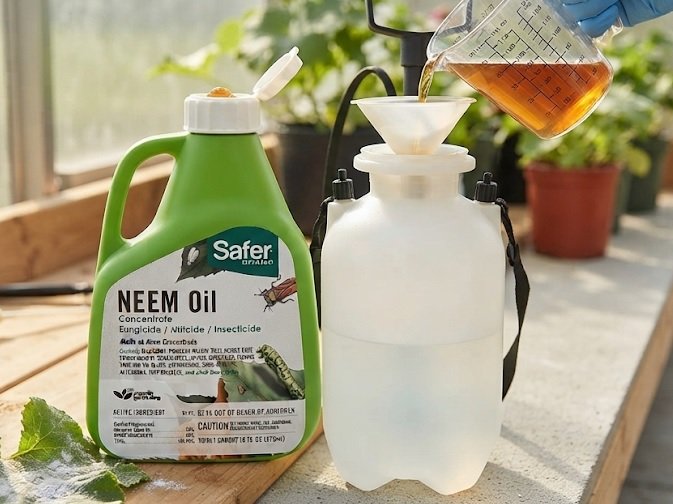
Safer Brand Neem Oil Concentrate (Product #51703) – Best Overall Choice
The Safer Brand Neem Oil Concentrate (51703) is our top recommendation for broad-spectrum pest control. This 100% cold-pressed neem oil effectively kills insects at all life stages while preventing fungal diseases like powdery mildew. It is the best option for organic gardening because it breaks down quickly without harming beneficial pollinators. Ideal for vegetable gardens, fruit trees, and ornamental plants.
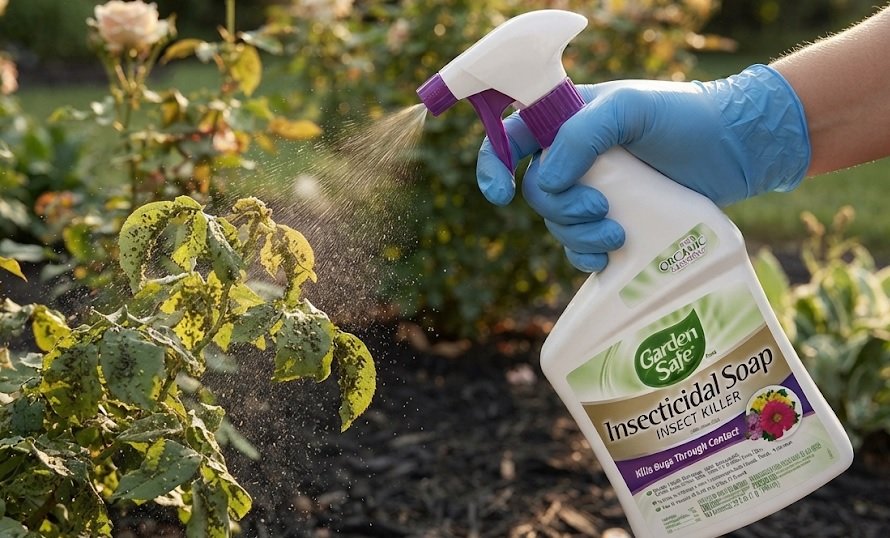
Garden Safe Insecticidal Soap (Product #10424X) – Best for Soft-Bodied Insects
For tackling aphids, mites, and whiteflies, the Garden Safe Insecticidal Soap (10424X) is a highly recommended, ready-to-use spray. Its potassium salts of fatty acids work on contact to dehydrate pests, offering immediate results without residual toxicity. This product is perfect for indoor houseplants and edible crops, as it is safe to use up to the day of harvest. Best use case: Targeted spot treatments for sudden outbreaks.
Bonide Captain Jack’s Deadbug Brew (Product #1866) – Best for Caterpillars
When dealing with chewing pests like tomato hornworms, Bonide Captain Jack’s Deadbug Brew (1866) is the most effective natural solution. It contains Spinosad, a soil bacterium byproduct that targets a wide range of insects while remaining safe for mammals and birds. This concentrate is easy to mix and provides long-lasting protection against leaf-eating larvae. Ideal for serious infestations that require potent, fast-acting intervention.
How to Make DIY Natural Pesticides at Home
Creating your own natural pesticides is simple, cost-effective, and highly customizable. You likely already have the core ingredients in your kitchen cabinets. Here are the three most effective DIY recipes using household items.
Vinegar and Dish Soap Spray for Garden Pests
This classic combination is a powerhouse against aphids, ants, and fruit flies. The acetic acid in vinegar disrupts pests while the soap breaks down their protective waxy coating. Mix one part white vinegar with three parts water and add a few drops of mild liquid dish soap.
- Best for: Soft-bodied insects and ant trails.
- Application: Spray directly on pests, avoiding plant foliage in direct sunlight.
- Caution: High vinegar concentration can harm plants, so always dilute properly.
Baking Soda Fungicide for Powdery Mildew
Baking soda is not just for baking; it is a proven method for controlling fungal diseases. It alters the pH level on leaf surfaces, creating an environment where fungus cannot survive. Combine one tablespoon of baking soda with one gallon of water and a splash of horticultural oil.
The oil helps the solution adhere to leaves for longer-lasting protection. Apply this mixture weekly to prevent the spread of black spot and rust on roses and vegetables.
Essential Oil Repellent for Indoor Plants
For indoor infestations, essential oils offer a gentle yet effective solution. Peppermint, rosemary, and tea tree oils are natural deterrents for spider mites and gnats. Add 10 drops of your chosen oil to a spray bottle filled with water and a teaspoon of neem oil.
These homemade solutions are safe for children and pets when used correctly. They provide immediate action against common pests without leaving toxic residues in your soil or on your produce.
How to Apply Natural Pesticides Effectively
Knowing the right mixture is only half the battle; proper application determines success. Natural pesticides require more frequent application than synthetic chemicals. Follow these expert tips to maximize effectiveness and protect your plants.
Best Time of Day to Spray Pesticides
Timing is critical when applying any pesticide, especially natural ones. The optimal window is early morning or late evening when temperatures are cooler and beneficial insects are less active. Spraying in direct sunlight can cause leaf burn and cause the solution to evaporate before it works.
- Morning (6-9 AM): Ideal for allowing leaves to dry before nightfall.
- Evening (6-8 PM): Best for targeting nocturnal pests like slugs.
- Avoid: Windy days, rainy forecasts, and temperatures above 85°F.
How Often Should You Reapply Natural Pesticides
Unlike synthetic options that last for weeks, natural pesticides degrade quickly. Most DIY solutions require reapplication every 5-7 days to maintain protection. After heavy rain, you must reapply immediately since water washes away the active ingredients.
For active infestations, switch to a 3-day schedule until pest populations decline. Monitor your plants closely and adjust frequency based on new damage or pest sightings.
Targeted Application Techniques for Maximum Coverage
Proper coverage ensures the pesticide reaches the pests hiding underneath leaves. Spray the undersides of foliage where eggs and larvae typically reside. Use a fine mist setting to coat surfaces evenly without soaking the soil.
| Pest Type | Spray Target | Technique |
|---|---|---|
| Aphids | New growth, stem tips | Direct stream to dislodge colonies |
| Spider Mites | Leaf undersides | Fine mist with high pressure |
| Whiteflies | Undersides, soil surface | Spray at dusk when they settle |
Common Mistakes to Avoid When Using Natural Pesticides
Even the best natural pesticide will fail if applied incorrectly. Many home gardeners make simple errors that reduce effectiveness or damage their plants. Here are the most frequent pitfalls and how to avoid them.
Over-Diluting or Over-Concentrating Solutions
More is not always better when mixing natural pesticides. Using excessive vinegar or soap can burn leaf tissue and cause irreversible damage. Conversely, over-diluting creates a solution too weak to kill pests effectively.
- Follow recipes exactly: Measure ingredients precisely for consistent results.
- Test concentration: Start with lower strength and increase only if needed.
- Watch for damage: Yellowing or browning leaves indicate the mixture is too strong.
Spraying Beneficial Insects Alongside Pests
Natural pesticides do not discriminate between harmful pests and helpful pollinators. Spraying broad-spectrum solutions can kill ladybugs, bees, and lacewings essential for your garden’s health. This mistake often leads to worse infestations over time.
To protect beneficial insects, spot-treat affected areas rather than broadcasting spray across the entire garden. Apply treatments only when pests are present, not as a preventive measure.
Ignoring the Root Cause of the Infestation
Pesticides treat the symptom, not the underlying problem. If pests keep returning, your plants may be stressed from poor watering, inadequate sunlight, or nutrient deficiencies. Healthy plants naturally resist pest attacks better than weakened ones.
Expecting Immediate, Permanent Results
Natural pesticides work gradually compared to synthetic chemicals. They require patience and consistent application over several weeks to break pest life cycles. Do not abandon your treatment plan after just one or two sprays.
Track your progress by monitoring pest populations weekly. If you see no improvement after three weeks, reassess your identification and try a different natural approach.
Safety Precautions for Handling Natural Pesticides
While natural pesticides are safer than synthetic chemicals, they still require responsible handling. Improper use can cause skin irritation, eye damage, or unintended harm to your garden ecosystem. Follow these safety guidelines to protect yourself and your plants.
Protective Gear and Personal Safety Measures
Always wear gloves and safety glasses when mixing and applying any pesticide solution. Even natural ingredients like vinegar can cause stinging sensations on cuts or sensitive skin. Long sleeves and pants provide an additional barrier against accidental splashes.
- Gloves: Nitrile or rubber gloves prevent skin contact with concentrates.
- Eye protection: Safety goggles shield against spray drift and splashes.
- Mask: A simple dust mask filters airborne particles when mixing powders.
Proper Storage and Labeling of Homemade Solutions
Store all homemade pesticide mixtures in clearly labeled containers out of reach of children and pets. Never reuse food containers for pesticide storage, as this creates dangerous confusion. Most DIY solutions lose potency within one to two weeks, so make only what you need.
Keep solutions away from direct sunlight and extreme temperatures to maintain effectiveness. Discard unused mixtures responsibly by pouring them down a drain or onto a weedy area away from water sources.
Protecting Edible Crops and Harvest Timing
Even natural pesticides can leave residues on fruits and vegetables. Always wash produce thoroughly before consumption, regardless of the product used. Wait at least 24-48 hours after spraying before harvesting edible parts of plants.
| Pesticide Type | Minimum Wait Time Before Harvest | Washing Requirement |
|---|---|---|
| Vinegar spray | 24 hours | Rinse under running water |
| Neem oil | 48 hours | Scrub firm produce |
| Insecticidal soap | 24 hours | Soak in clean water |
By following these precautions, you can confidently use household items for pest control. Your garden, family, and the environment will all benefit from these safer practices.
Comparing Natural vs. Chemical Pesticides: Which Is Right for You
Choosing between natural and chemical pesticides depends on your specific situation and gardening philosophy. Both approaches have distinct advantages and limitations. Understanding these differences helps you make an informed decision that aligns with your goals.
Effectiveness and Speed of Action
Chemical pesticides typically deliver faster, more dramatic results than natural alternatives. They are formulated to kill pests on contact and provide residual protection for weeks. However, this speed comes with significant environmental and health trade-offs.
- Chemical: Immediate knockdown, long-lasting residual effects.
- Natural: Slower action, requires repeated applications.
- Chemical: Broad-spectrum toxicity affects many organisms.
- Natural: Target-specific when used correctly.
Environmental Impact and Ecosystem Health
Natural pesticides break down quickly in sunlight and water, leaving minimal environmental footprint. Chemical pesticides persist in soil and waterways, potentially harming wildlife and beneficial microorganisms. This long-term contamination poses risks to pollinators and aquatic life.
Organic gardening practices prioritize building healthy soil and encouraging natural predators. This preventive approach reduces reliance on any pesticide, whether natural or chemical.
Cost Comparison and Long-Term Value
| Factor | Natural Pesticides | Chemical Pesticides |
|---|---|---|
| Initial cost | Low (household items) | Moderate to high |
| Application frequency | Every 5-7 days | Every 2-4 weeks |
| Health risks | Minimal | Potential toxicity |
| Environmental persistence | Days | Weeks to months |
Safety for Family, Pets, and Beneficial Insects
Natural pesticides pose minimal risk to children, pets, and wildlife when used as directed. Chemical pesticides carry warning labels and require strict safety precautions during application. If you have young children or curious pets, natural options provide greater peace of mind.
Ultimately, many gardeners adopt an integrated approach. Start with natural methods and escalate only when necessary for the health of your garden.
Seasonal Pest Control Calendar for Natural Pesticides
Different pests emerge during different seasons, requiring a strategic approach to natural pest control. A year-round calendar helps you stay ahead of infestations before they spiral out of control. Use this seasonal guide to time your applications for maximum effectiveness.
Spring: Preventing Early Infestations
Spring brings new growth and the first wave of hungry pests emerging from winter dormancy. Aphids, slugs, and cutworms are most active during this period. Apply a preventive neem oil spray to fruit trees and roses before buds fully open.
- March-April: Apply dormant oil sprays to fruit trees.
- April-May: Set out beer traps for slugs in vegetable beds.
- May: Begin weekly vinegar spray routine for aphid control.
Summer: Managing Peak Pest Activity
Summer heat accelerates pest reproduction, with spider mites, whiteflies, and Japanese beetles reaching peak populations. Increase application frequency during this critical window. Monitor plants daily for early signs of damage or pest presence.
Early morning spraying is essential during summer to prevent leaf burn. Focus on the undersides of leaves where mites and whiteflies congregate. Consider introducing beneficial insects like ladybugs to supplement your spraying efforts.
Fall: Breaking the Pest Life Cycle
Fall is the time to eliminate overwintering pests before they settle in for cold months. Remove plant debris where insects hide and apply a final round of natural pesticides. This proactive approach significantly reduces next year’s pest pressure.
| Season | Primary Pests | Recommended Natural Pesticide |
|---|---|---|
| Spring | Aphids, slugs, cutworms | Neem oil, vinegar spray |
| Summer | Spider mites, whiteflies, beetles | Insecticidal soap, essential oils |
| Fall | Cabbage worms, scale insects | Baking soda fungicide, neem oil |
| Winter | Indoor pests, fungus gnats | Diatomaceous earth, essential oils |
Winter: Protecting Indoor Plants
Indoor pests like fungus gnats and spider mites thrive in dry, heated homes during winter. Reduce watering to discourage gnats and apply essential oil sprays every two weeks. Quarantine new plants for two weeks before introducing them to your collection.
Frequently Asked Questions About Natural Pesticides
Many gardeners have specific questions about using household items as pesticides. This section addresses the most common concerns with clear, actionable answers. Use this information to refine your approach and achieve better results.
Can I Use Natural Pesticides on Edible Crops?
Yes, most natural pesticides are safe for edible crops when used correctly. However, you must always wash produce thoroughly before eating. Wait at least 24-48 hours after application before harvesting any fruits or vegetables.
- Safe options: Neem oil, insecticidal soap, vinegar spray.
- Harvest timing: Check the label or recipe for specific wait periods.
- Washing: Use clean running water and gently scrub firm produce.
Will Natural Pesticides Harm Bees and Butterflies?
Some natural pesticides can harm pollinators if applied directly or during bloom periods. To protect bees and butterflies, spray early morning or evening when they are less active. Avoid spraying flowers and focus on affected foliage instead.
Consider using targeted application methods like spot-treating rather than broadcasting. This minimizes exposure to beneficial insects while still controlling pest populations effectively.
How Long Do Homemade Pesticides Last in Storage?
Most homemade pesticide solutions lose potency within 7-14 days. The active ingredients degrade when exposed to light, heat, and air. Always label containers with the date and discard unused mixtures after two weeks.
| Solution Type | Shelf Life | Storage Recommendation |
|---|---|---|
| Vinegar spray | 2 weeks | Cool, dark cabinet |
| Neem oil mixture | 1 week | Shake well before use |
| Baking soda solution | 1 week | Discard if cloudy |
| Essential oil spray | 2 weeks | Amber glass bottle |
What Is the Best Natural Pesticide for Indoor Plants?
For indoor plants, insecticidal soap and essential oil sprays are the safest and most effective options. They have minimal odor and do not leave harmful residues on furniture or surfaces. Apply them sparingly to avoid over-saturating the soil.
These answers cover the most common questions gardeners have about natural pest control. Applying this knowledge ensures safer, more effective results in your garden.
Conclusion: Embracing Natural Pesticides for a Healthier Garden
Household items like vinegar, baking soda, and dish soap provide powerful, affordable solutions for common garden pests. These natural pesticides protect your plants without introducing toxic chemicals into your environment. Your family, pets, and beneficial insects will all benefit from this safer approach.
Start small by testing one or two DIY recipes on a single plant. Monitor results over two weeks and adjust your approach based on what you observe. Consistency and patience are the keys to success with natural pest control.
Your garden deserves the gentlest, most effective care possible. Take action today and transform your pest management strategy with these proven household solutions.
Frequently Asked Questions about Natural Pesticides
What is the most effective natural pesticide for vegetable gardens?
Neem oil is widely considered the most effective natural pesticide for vegetable gardens. It controls over 200 species of insects while also preventing fungal diseases. This dual-action benefit makes it a versatile addition to any organic gardening routine.
Apply neem oil every 7-14 days during active pest seasons for best results. Always spray in the early morning or evening to prevent leaf burn. Combine it with proper crop rotation and healthy soil practices for comprehensive protection.
How do I make a natural pesticide with dish soap and water?
Mix one tablespoon of mild liquid dish soap with one gallon of lukewarm water. Pour the solution into a clean spray bottle and shake gently to combine. Avoid using dish soap with degreasers or bleach, as these can harm plants.
Spray directly onto affected plants, focusing on the undersides of leaves where pests hide. Reapply every 5-7 days until the infestation clears. Test on a small leaf area first to ensure your plants tolerate the solution well.
Can vinegar kill bugs on plants without damaging them?
Vinegar can kill bugs on contact, but it also damages plant foliage if used at full strength. Always dilute vinegar with water at a ratio of one part vinegar to three parts water. Add a few drops of dish soap to help the solution stick to pests.
Use vinegar spray primarily on hard surfaces like garden paths, patios, and fence lines. For direct plant application, spot-test a small area first and monitor for leaf damage over 24 hours.
What is the best way to get rid of aphids naturally?
The best natural method for aphids combines a strong water spray with insecticidal soap. Blast aphids off plants with a garden hose to dislodge colonies immediately. Follow up with a soap spray to eliminate any remaining pests.
Introducing beneficial insects like ladybugs and lacewings provides long-term aphid control. Plant companion flowers such as marigolds and nasturtiums to naturally repel aphids. Consistent monitoring and early intervention prevent severe infestations.
Are essential oils safe to use as natural pesticides indoors?
Essential oils like peppermint, rosemary, and tea tree are safe for indoor use when properly diluted. Mix 10-15 drops of essential oil with water and a teaspoon of neem oil or mild soap. This solution effectively repels spider mites, gnats, and other indoor pests.
Always ventilate the room after spraying and keep solutions away from pets, especially cats. Essential oils are concentrated and can cause irritation if used undiluted. Store mixtures in labeled amber glass bottles away from sunlight.
Why are my natural pesticides not working on pests?
Natural pesticides may fail due to incorrect pest identification, improper dilution, or inconsistent application. Confirm you are targeting the correct pest species before treating. Ensure you mix solutions to the exact recipe specifications for optimal effectiveness.
Apply treatments consistently every 5-7 days to break the pest life cycle. Natural pesticides degrade quickly, so reapply after rain or heavy watering. If problems persist, combine multiple approaches like traps, barriers, and beneficial insects.
Which is better for pest control: neem oil or insecticidal soap?
Neem oil works systemically to disrupt pest growth and reproduction, making it ideal for ongoing prevention. Insecticidal soap kills pests on contact, providing immediate results for active infestations. Choose neem oil for long-term protection and soap for rapid knockdown.
Many gardeners use both products in rotation for comprehensive coverage. Apply insecticidal soap first to eliminate existing pests, then follow with neem oil to prevent reinfestation. This combined strategy delivers superior results against persistent pest problems.
Can I use baking soda to kill pests on my plants?
Baking soda primarily works as a fungicide rather than an insecticide. It effectively controls powdery mildew, black spot, and rust on plant leaves. Mix one tablespoon of baking soda with one gallon of water and a splash of horticultural oil.
Spray affected plants weekly to prevent fungal diseases from spreading. Baking soda alone will not kill insects, so combine it with other natural pesticides for complete pest management. Always test on a small area before widespread application.