
Yes, neem oil is safe for vegetable plants when used correctly. This natural pesticide effectively controls pests and fungal diseases without leaving toxic residues. It is a proven method for organic gardeners seeking reliable crop protection.
This complete guide covers application rates, timing, and expert tips for maximizing safety. You will learn which vegetables are sensitive and how to avoid common mistakes. Master safe neem oil use to protect your harvest from harmful insects and mildew.
Best Neem Oil Products for Vegetable Gardens – Detailed Comparison
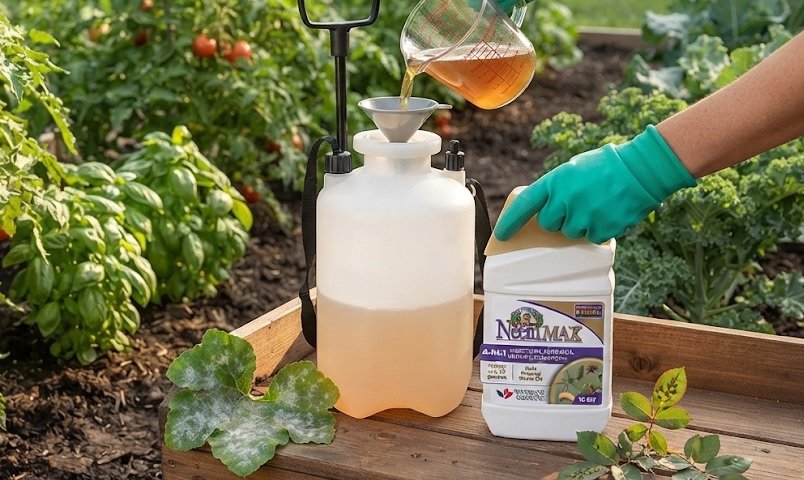
Bonide Neem Oil Concentrate (Product #2154) – Best Overall Choice
This 16-ounce concentrate mixes easily and covers up to 2,500 square feet of vegetable garden space. It is the best option for large plots needing broad-spectrum pest control. Bonide’s clarified hydrophobic extract ensures consistent potency for reliable results against aphids and powdery mildew.
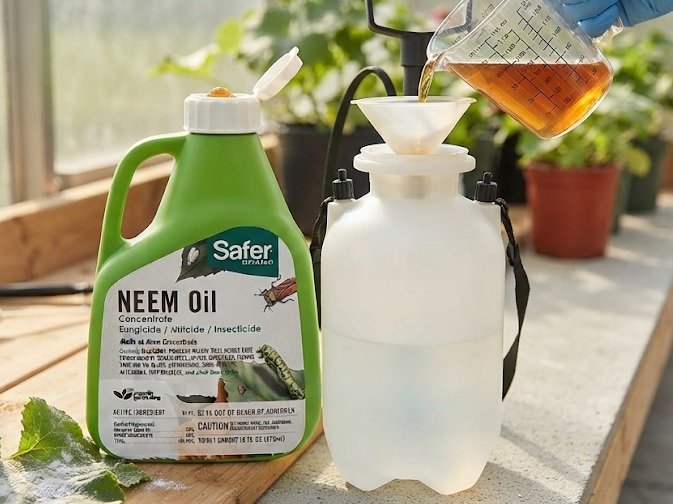
Safer Brand Neem Oil Concentrate (Product #5672) – Best for Sensitive Plants
Safer Brand’s 8-ounce formula uses 70% clarified neem oil, making it ideal for delicate vegetables like lettuce and spinach. It offers excellent fungal disease prevention without harsh additives. This recommended product is OMRI listed and perfect for organic gardeners seeking gentle yet effective treatment.
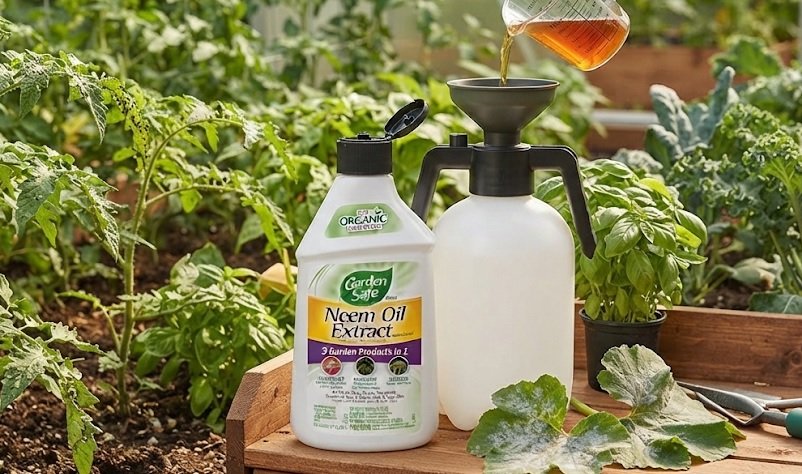
Garden Safe Neem Oil Extract (Product #93107) – Best Ready-to-Use Spray
This 24-ounce spray bottle requires no mixing, making it the best choice for quick spot treatments. It is ideal for beginners or small container gardens needing immediate action. The precise spray nozzle targets pests directly, minimizing waste while protecting tomatoes, peppers, and herbs from common insects.
How Neem Oil Works on Vegetable Plants
Neem oil contains azadirachtin, a natural compound that disrupts insect hormones and feeding patterns. It works systemically when absorbed through plant roots or leaves, protecting new growth from within. This dual action makes it effective against over 200 common garden pests.
The Science Behind Pest Control
Azadirachtin interferes with insects’ ability to molt, grow, and reproduce effectively. It also suppresses their appetite, causing pests to stop feeding within hours of exposure. This proven method reduces pest populations without harming beneficial pollinators.
- Contact action: Kills eggs, larvae, and soft-bodied insects on contact
- Systemic protection: Absorbed into plant tissue for lasting defense
- Repellent properties: Deters future pest invasions naturally
Safety Profile for Edible Crops
Neem oil breaks down rapidly in sunlight and water, leaving minimal residue on vegetables. The EPA classifies it as safe for food crops when applied according to label directions. Proper timing and dilution ensure harvests remain clean and safe for consumption.
Always wash produce thoroughly before eating, even when using organic pesticides. This simple habit removes any surface residue and garden debris effectively. It also reduces the risk of ingesting beneficial insects accidentally.
Key Takeaway: Neem oil offers dual protection through contact and systemic action while maintaining a strong safety profile for vegetable gardens. Always follow label instructions for dilution and application timing.
Timing your applications correctly maximizes effectiveness while minimizing risks. Apply neem oil in early morning or late evening when beneficial insects are less active. This expert tip protects bees and butterflies while still targeting destructive pests.
Step-by-Step Guide to Applying Neem Oil Safely
Proper application technique determines whether neem oil protects or damages your vegetable plants. Following a proven method ensures maximum effectiveness while preventing leaf burn or residue issues. Here is the complete process for safe, successful application.
Mixing the Correct Dilution Ratio
Most concentrated neem oil products require mixing at a rate of 1-2 tablespoons per gallon of water. Add a few drops of mild dish soap to help the oil emulsify and spread evenly across leaf surfaces. Always test on a small leaf first before treating your entire vegetable garden.
- Fill sprayer: Add water first, then neem oil concentrate
- Add emulsifier: Include 2-3 drops of gentle liquid soap
- Shake thoroughly: Mix until the solution appears milky white
- Test spray: Apply to one leaf and wait 24 hours
Best Times and Conditions for Application
Apply neem oil during cooler hours—early morning or late evening—to prevent leaf scorching. Avoid spraying when temperatures exceed 85°F or when rain is forecast within 24 hours. Ideal conditions include calm winds and moderate humidity for even coverage.
Reapply every 7-14 days during active pest pressure or after heavy rainfall. Consistent scheduling maintains protective coverage throughout the growing season. This routine prevents pest populations from establishing before you notice damage.
Key Takeaway: Success depends on proper dilution, timing, and consistent reapplication. Always test first and avoid extreme temperatures to protect your vegetable plants from damage.
Vegetables That Require Extra Caution
Some leafy greens and herbs are more sensitive to neem oil than others. Young seedlings and newly transplanted vegetables can experience leaf burn even at recommended concentrations. Consider these plants for spot treatments only rather than full foliar sprays.
- Sensitive crops: Arugula, basil, cilantro, and young lettuce
- Moderate tolerance: Tomatoes, peppers, and cucumbers
- High tolerance: Squash, beans, and root vegetables
Common Mistakes to Avoid When Using Neem Oil
Even experienced gardeners make errors that reduce neem oil’s effectiveness or harm their plants. Understanding these pitfalls helps you achieve better results with fewer problems. Here are the most frequent mistakes and how to avoid them completely.
Over-Application and Concentration Errors
Using too much neem oil can clog leaf pores and cause phytotoxicity, leading to yellowing or burned foliage. More concentrated solutions do not work better—they simply increase the risk of plant damage. Always follow the exact dilution ratio specified on your product’s label for safe results.
- Too much oil: Causes leaf burn and blocks photosynthesis
- Too little oil: Fails to control pests effectively
- Wrong timing: Reduces efficacy and harms beneficial insects
Spraying at the Wrong Time of Day
Applying neem oil during peak sunlight hours can magnify heat and cause severe leaf scorching. The combination of oil and intense UV rays creates a greenhouse effect on leaf surfaces. Early morning or evening applications prevent this damage while maximizing absorption.
Spraying right before rain wastes your effort since water washes away the protective coating. Check weather forecasts and plan applications around dry, calm days. This simple step ensures the solution has adequate time to work effectively.
Ignoring Beneficial Insect Protection
Neem oil affects all insects, including pollinators like bees and butterflies, when sprayed directly. Avoid applying it to open flowers where beneficial insects are actively feeding. Target only affected areas and use spot treatments whenever possible to preserve your garden’s ecosystem.
Key Takeaway: Avoid over-concentration, improper timing, and indiscriminate spraying. These common mistakes cause more harm than the pests themselves, so always follow label instructions carefully.
Finally, always store neem oil properly in a cool, dark place away from direct sunlight. Degraded oil loses its active compounds and becomes less effective over time. Check expiration dates regularly and replace old bottles to maintain consistent pest control results.
Neem Oil vs. Chemical Pesticides for Vegetable Gardens
Choosing between neem oil and synthetic chemicals affects both your harvest safety and garden ecosystem. Understanding the key differences helps you make an informed decision aligned with your gardening philosophy. Here is a direct comparison of these two pest control approaches.
Safety and Environmental Impact
Neem oil is biodegradable and breaks down rapidly without leaving harmful residues in soil or water. Chemical pesticides can persist for weeks or months, potentially contaminating groundwater and harming wildlife. Organic gardeners prefer neem oil because it targets pests without disrupting the broader environment.
| Factor | Neem Oil | Chemical Pesticides |
|---|---|---|
| Residue persistence | 2-4 days | 2-6 weeks |
| Beneficial insects | Minimal impact | High mortality |
| Harvest safety | Safe with washing | Requires waiting period |
| Environmental impact | Biodegradable | Persistent toxins |
Effectiveness Against Common Pests
Neem oil works gradually, disrupting pest life cycles over several days rather than killing instantly. Chemical pesticides provide immediate knockdown but often require repeated applications as pests develop resistance. Neem oil offers long-term prevention while chemicals deliver short-term eradication.
For severe infestations, combining neem oil with insecticidal soap creates a powerful one-two punch. This approach provides both contact control and systemic protection without synthetic chemicals. Integrated pest management strategies often pair these natural options for optimal results.
Key Takeaway: Neem oil excels in safety and environmental compatibility, while chemical pesticides offer faster knockdown. For most home vegetable gardens, neem oil provides sufficient control without compromising harvest safety.
Cost Comparison Over Time
A bottle of neem oil concentrate costs $15-25 and treats multiple growing seasons. Chemical pesticides often require repeated purchases due to resistance development and limited effectiveness. Neem oil delivers better long-term value for budget-conscious organic gardeners seeking sustainable solutions.
Frequently Asked Questions About Neem Oil Safety
Gardeners consistently ask similar questions about using neem oil on edible crops. Addressing these concerns clarifies proper usage and builds confidence in this natural pest control method. Here are direct answers to the most common safety questions.
Can You Eat Vegetables Immediately After Spraying Neem Oil?
You should wait at least 24 hours before harvesting vegetables after applying neem oil. This waiting period allows the solution to dry and break down on plant surfaces. Always wash produce thoroughly with water before eating to remove any residual oil.
- Leafy greens: Wait 24-48 hours before harvest
- Fruiting vegetables: Wait 24 hours after application
- Root crops: No waiting period needed if soil drenched
Is Neem Oil Safe for Seedlings and Young Plants?
Young seedlings have delicate tissues that can burn more easily than mature plants. Use a weaker dilution of 1 teaspoon per gallon for tender new growth. Wait until seedlings have at least two sets of true leaves before applying any neem oil treatment.
If you notice leaf curling or yellowing after application, rinse plants with clean water immediately. This simple remedy stops further damage and helps stressed seedlings recover quickly. Monitor young plants closely for the first 48 hours after any treatment.
Does Rain Wash Away Neem Oil Protection?
Heavy rain can wash neem oil off leaves, reducing its effectiveness against pests and diseases. Reapply after significant rainfall or if you notice pest activity returning. Light drizzles typically do not remove the protective coating completely.
Key Takeaway: Always respect waiting periods before harvest, use gentler dilutions for seedlings, and reapply after heavy rain. These simple practices ensure safe, effective neem oil use on vegetable plants.
Can Neem Oil Harm Pets or Children?
Neem oil is generally safe around pets and children once dried, but keep them away during application. The concentrated form can cause skin irritation or stomach upset if ingested directly. Store neem oil products securely out of reach of curious hands and paws at all times.
Seasonal Neem Oil Application Schedule for Vegetable Gardens
Timing your neem oil applications throughout the growing season maximizes protection while minimizing plant stress. Different growth stages require different approaches for optimal results. Here is a proven seasonal schedule that keeps your vegetables healthy all year.
Spring: Preventative Applications for New Growth
Begin spraying neem oil when seedlings emerge or transplants establish in the garden. This early application creates a protective barrier against overwintering pests and fungal spores. Apply a light mist every 10-14 days during cool spring weather to prevent problems before they start.
- Early spring: Apply after last frost date
- Mid-spring: Repeat every two weeks
- Late spring: Increase frequency if pests appear
Summer: Active Pest Control During Peak Growing
Summer brings increased pest pressure and faster plant growth, requiring more vigilant monitoring. Inspect leaves weekly for signs of aphids, mites, or whiteflies and treat promptly. Apply neem oil in early morning to avoid heat stress on your vegetables.
During hot weather, reduce concentration slightly to prevent leaf burn on stressed plants. Use 1 tablespoon per gallon instead of the standard 2 tablespoons. This adjusted dilution protects plants while still controlling common summer pests effectively.
Key Takeaway: Adjust your neem oil routine as seasons change—preventative in spring, active in summer, and tapering in fall. This approach maintains protection while respecting plant growth cycles.
Fall: Final Treatments Before Dormancy
Reduce applications as temperatures cool and pest activity naturally declines in autumn. Apply one final treatment after harvesting to protect soil from overwintering pests. This end-of-season spray prevents pest populations from surviving to attack next year’s garden.
Organic Gardening Certification and Neem Oil Compliance
Gardeners pursuing organic certification must understand how neem oil fits within strict regulatory guidelines. The National Organic Program (NOP) has specific rules governing neem oil use on edible crops. Compliance requires using approved formulations and maintaining accurate application records.
Approved Neem Oil Products for Organic Gardens
Only clarified hydrophobic neem oil and cold-pressed neem oil are approved for organic vegetable production. Products containing azadirachtin extracted with chemical solvents do not meet organic standards. Look for OMRI-listed products to ensure compliance with organic certification requirements.
- Clarified hydrophobic neem oil: Approved for foliar applications
- Cold-pressed neem oil: Acceptable for soil drenches
- Azadirachtin extracts: Restricted and often non-compliant
Record-Keeping Requirements for Certified Growers
Organic certification requires detailed documentation of all pest control inputs used on crops. Maintain logs showing application dates, dilution rates, and targeted pests for each treatment. Accurate records demonstrate compliance during annual certification inspections and audits.
Include weather conditions and plant growth stages in your application notes. This information helps inspectors verify that treatments were applied appropriately. Detailed documentation also helps you refine your pest management strategies over multiple growing seasons.
Key Takeaway: Use OMRI-listed neem oil products and maintain thorough application records for organic certification. Proper documentation ensures compliance and supports sustainable gardening practices.
Transitioning to Organic Pest Management
Switching from synthetic chemicals to neem oil requires patience as beneficial insect populations rebuild. Expect increased pest activity during the first transition season before natural predators establish. Combine neem oil with companion planting and crop rotation for comprehensive organic pest control.
Conclusion: Safe and Effective Neem Oil Use for Vegetable Plants
Neem oil is a proven, safe solution for protecting vegetable plants when used correctly. Following proper dilution, timing, and application techniques ensures healthy harvests without harmful residues. This natural pesticide offers effective pest control while preserving your garden’s ecosystem.
Start with a small test area and monitor results before treating your entire garden. Implement the seasonal schedule outlined here for consistent, reliable protection. Your vegetables deserve safe, effective care—neem oil delivers both.
Begin your organic pest management journey today and enjoy healthier, more productive vegetable plants all season long.
Frequently Asked Questions About Neem Oil on Vegetable Plants
What is the best way to apply neem oil to vegetable plants?
The best method is using a pump sprayer to coat all leaf surfaces, including undersides where pests hide. Mix the solution according to label directions and add a mild soap emulsifier. Spray until leaves are wet but not dripping for optimal coverage.
Apply during early morning or late evening to prevent leaf burn from sunlight. Reapply every 7-14 days or after heavy rainfall for continuous protection. Always test on a small area first to check for sensitivity.
How often should I spray neem oil on my vegetable garden?
For preventative care, spray every 10-14 days during the growing season. During active pest infestations, increase frequency to every 5-7 days until problems subside. Consistent scheduling maintains protective coverage against recurring garden pests.
Reduce applications during hot weather or when plants show signs of stress. Monitor your garden weekly and adjust frequency based on pest pressure and plant health. This flexible approach balances protection with plant safety.
Can neem oil harm beneficial insects like bees and ladybugs?
Neem oil affects beneficial insects when sprayed directly on them while wet. Once dried, it poses minimal risk to pollinators and predatory insects. Avoid spraying open flowers where bees actively forage to protect these essential garden helpers.
Ladybugs and other beneficial insects can be harmed if directly contacted during application. Use spot treatments rather than broad sprays when possible. This targeted approach preserves your garden’s natural pest control ecosystem.
What vegetables should not be treated with neem oil?
Sensitive leafy greens like arugula, basil, and young lettuce can experience leaf burn from neem oil. Squash and cucumber plants may also show sensitivity when treated during hot weather. Always test sensitive crops on a single leaf before full application.
Seedlings under four weeks old require weaker dilutions or alternative treatments. Root vegetables rarely need foliar neem oil applications. Focus sprays on above-ground growth where pests actually cause damage.
Why are my vegetable leaves turning yellow after neem oil application?
Yellowing leaves typically indicate over-application or spraying during intense sunlight conditions. The oil can clog leaf pores, interfering with photosynthesis and causing stress. Rinse affected plants with clean water immediately to remove excess oil residue.
Wait 48 hours before assessing whether plants recover from the damage. Adjust your dilution ratio to be weaker for future applications. This troubleshooting approach prevents permanent damage to your vegetable plants.
Is neem oil safe to use on vegetable plants right up until harvest?
Neem oil is safe for use on vegetables up to the day of harvest when used as directed. However, waiting 24 hours after application before picking is recommended. Always wash produce thoroughly before eating to remove any surface residue.
The EPA has established that neem oil breaks down rapidly and poses minimal risk. This makes it ideal for organic gardeners who need late-season pest control. Proper washing ensures clean, safe vegetables for your family.
What is the difference between neem oil and neem extract products?
Neem oil is pressed directly from neem tree seeds and contains multiple active compounds. Neem extract, or azadirachtin concentrate, isolates the primary insecticidal compound for stronger effect. Cold-pressed neem oil offers broader pest control while extracts provide targeted action.
Organic gardeners typically prefer whole neem oil for its multi-faceted benefits. Extracts may be more suitable for severe infestations requiring rapid results. Choose based on your specific pest problems and gardening philosophy.
Can I mix neem oil with other organic pesticides?
Neem oil can be combined with insecticidal soap for enhanced contact and systemic control. Avoid mixing with sulfur-based fungicides, which can cause plant damage. Always test combinations on a small area before treating your entire garden.
Do not mix neem oil with baking soda or other alkaline substances that reduce effectiveness. Apply different treatments on separate days to prevent chemical interactions. This careful approach maximizes benefits while minimizing plant stress.