Are aphids destroying your garden? Attracting ladybugs is the most effective natural pest control method available to home gardeners. These beneficial beetles can consume up to 50 aphids per day, offering a chemical-free solution that protects your plants instantly.
In this complete guide, you will discover proven methods to invite these hungry predators into your yard permanently. We will cover expert tips on companion planting, habitat optimization, and strategic purchasing to create a self-sustaining aphid defense system. Keep reading to transform your garden into a ladybug sanctuary.
Best Ladybug Attractant Products for Natural Aphid Control
While planting the right flowers is essential, certain products can accelerate your ladybug attraction efforts significantly. These scientifically formulated solutions and delivery systems make establishing a beneficial insect population easier than ever. Here are our top three recommended products for jumpstarting your natural pest control program.
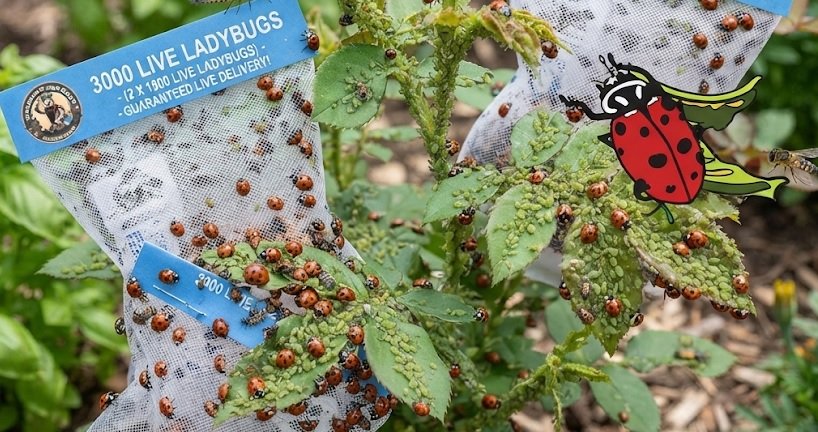
Beneficial Insectary Live Ladybugs (1,500 Count) – Best Overall Choice
This is the gold standard for immediate aphid suppression, delivered directly to your door. The shipment includes adult Hippodamia convergens ladybugs, which are voracious feeders ready to work upon release. Each container includes a food source and hydration gel to ensure survival during transit. This is the best option for gardeners needing rapid, visible results within 48 hours.
Gardens Alive! Ladybug Attractant Spray – Best for Long-Term Prevention
This unique product uses a food-based pheromone lure to signal to passing ladybugs that your garden is a reliable food source. Simply spray it on foliage and stems to encourage native ladybugs to stay and lay eggs in your garden. It is completely organic and safe for vegetables, fruits, and flowering ornamentals. This spray is ideal for gardeners who prefer a preventative approach without introducing new insects.
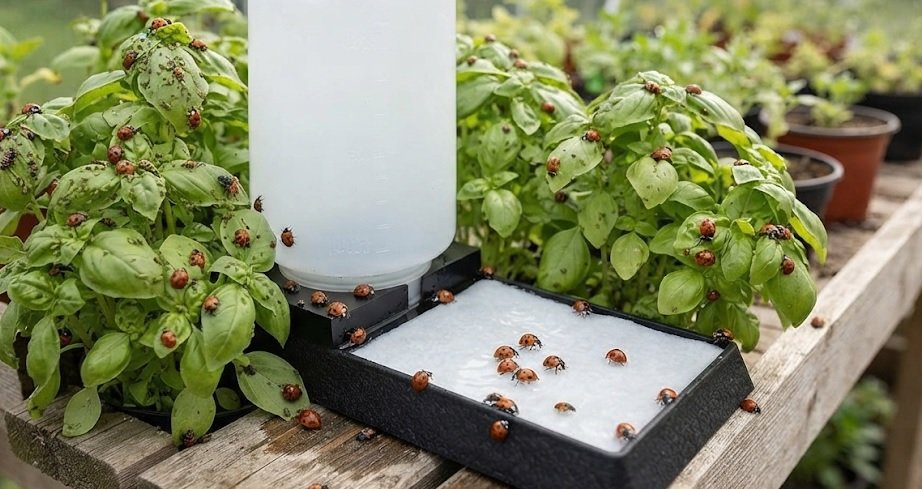
Bug Sales Ladybug Feeder & Hydration Station – Best for Sustaining Populations
Once ladybugs arrive, they need water and supplemental food to stick around and reproduce. This durable, weather-resistant station provides a shallow water source and a feeding tray for pollen or sugar water. It prevents ladybugs from dehydrating during hot summer months, encouraging them to establish a permanent residence. This product is essential for maintaining a thriving, self-sustaining ecosystem in your yard.
Why Ladybugs Are the Ultimate Natural Aphid Predator
Ladybugs are not just charming garden visitors; they are relentless predators with a massive appetite for soft-bodied pests. A single adult ladybug can devour up to 50 aphids daily, while its larvae consume hundreds more during their development. This makes them the most efficient biological control agents available to home gardeners.
The Lifecycle Advantage: Larvae vs. Adults
Most gardeners focus on adult ladybugs, but the larvae are actually the true aphid-killing machines. Ladybug larvae resemble tiny black alligators with orange spots, and they are insatiable feeders. One larva can eat up to 400 aphids before it pupates into an adult, making them far more effective than their parents.
- Adults: Consume 20-50 aphids per day; excellent for immediate suppression
- Larvae: Consume 300-400 aphids over 2-3 weeks; ideal for long-term control
- Pupae: Non-feeding stage; requires undisturbed habitat to mature
How Ladybugs Locate Aphid Colonies
Ladybugs use their keen sense of smell to detect aphid pheromones and the honeydew they excrete. This chemical signal guides them directly to infested plants, saving you the effort of manual pest removal. Once they find a reliable food source, they will lay eggs nearby to ensure their offspring have immediate access to prey.
Key Takeaway: To maximize effectiveness, attract both adult ladybugs and their larvae. This ensures continuous aphid control throughout the entire growing season, not just a one-time feeding event.
Best Companion Plants to Attract Ladybugs Naturally
Strategic companion planting is the most sustainable way to attract ladybugs to your garden without purchasing insects. These plants provide the nectar, pollen, and shelter that ladybugs need when aphid populations are low. By diversifying your garden, you create a reliable habitat that keeps beneficial insects returning year after year.
Top Nectar-Rich Flowers for Adult Ladybugs
Adult ladybugs rely on nectar and pollen when aphids are scarce, making flowering plants essential. Choose varieties with shallow, accessible flowers that allow ladybugs to feed easily. Dill, fennel, and cilantro are excellent choices because they bloom in umbels, providing dense clusters of tiny flowers.
| Plant | Bloom Type | Best Season |
|---|---|---|
| Alyssum | Small clusters | Spring to Fall |
| Calendula | Open daisy | Summer |
| Yarrow | Flat-topped umbel | Summer |
| Angelica | Large umbel | Early Summer |
Herbs That Double as Ladybug Shelters
Many culinary herbs serve dual purposes by attracting ladybugs and providing ground cover habitat. Dill, fennel, and parsley are particularly effective because their feathery foliage offers hiding spots for ladybug larvae. Let these herbs flower rather than harvesting them immediately to maximize their appeal.
- Dill: Attracts ladybugs and predatory wasps; self-seeds easily
- Fennel: Provides tall shelter; supports beneficial insect populations
- Marigolds: Repel aphids while attracting ladybugs with bright blooms
- Nasturtiums: Act as a trap crop for aphids, keeping them away from vegetables
Pro Tip: Plant a diverse mix of flowering herbs and perennials to ensure blooms are available from early spring through late fall. This continuous food supply is the key to keeping ladybugs resident in your garden.
How to Release Ladybugs for Maximum Aphid Control
Simply scattering ladybugs in your garden is ineffective; they will likely fly away within hours. Proper release techniques are crucial for keeping them where you need them most. Follow these proven methods to ensure your purchased ladybugs stay and work in your garden.
Step-by-Step Release Process
Timing and preparation are everything when releasing ladybugs. Always release them at dusk or early morning when temperatures are cool and humidity is higher. This encourages them to settle in and search for food rather than immediately flying off.
- Water your garden first: Moisture gives ladybugs a drink and encourages them to stay
- Release in small batches: Place 10-15 ladybugs at the base of each infested plant
- Scatter near aphid colonies: Position them directly on leaves with aphid activity
- Use a misting spray: Lightly mist the area to prevent immediate flight
Common Mistakes to Avoid
Many gardeners unknowingly sabotage their ladybug releases by making simple errors. Releasing during the heat of the day is the most common mistake, as ladybugs will immediately fly to find shade and moisture. Additionally, applying pesticides within two weeks of release will kill both the ladybugs and their larvae.
- Avoid storing ladybugs: Release them within 24 hours of delivery
- Skip chemical sprays: Even organic insecticides can harm beneficial insects
- Don’t release all at once: Save some for a second release in 2-3 weeks
Key Takeaway: The success of your ladybug release depends entirely on timing, moisture, and food availability. A well-executed release can provide aphid control for up to six weeks.
Creating a Ladybug-Friendly Habitat for Year-Round Control
To achieve lasting aphid control, you must create an environment where ladybugs naturally want to live and reproduce. This means providing shelter, water sources, and avoiding practices that harm beneficial insects. A well-designed habitat will attract native ladybugs without the need for repeated purchases.
Essential Habitat Features for Ladybugs
Ladybugs need more than just food; they require safe spaces to hibernate and lay eggs. Leaving leaf litter and garden debris in quiet corners provides overwintering sites for adult ladybugs. Installing insect hotels or leaving hollow-stemmed plants standing through winter offers additional protection.
- Water sources: Shallow dishes with pebbles prevent drowning while providing hydration
- Ground cover: Low-growing plants like thyme or creeping charlie offer shelter
- Undisturbed areas: Leave some garden sections wild for natural habitats
- Diverse plant heights: Mix tall and short plants to create microclimates
Eliminating Harmful Garden Practices
Many common gardening habits inadvertently kill ladybugs and their larvae. Broad-spectrum pesticides are the number one threat to beneficial insect populations, even organic ones like neem oil. Tilling the soil in autumn destroys hibernating ladybugs and disrupts their life cycle.
| Practice | Impact on Ladybugs | Alternative |
|---|---|---|
| Chemical pesticides | Kills adults and larvae | Use insecticidal soap |
| Fall cleanup | Removes hibernation sites | Leave debris until spring |
| Frequent tilling | Destroys ground beetles | Use no-till methods |
Pro Tip: A diverse, pesticide-free garden with year-round shelter will naturally sustain a healthy ladybug population. This eliminates the need for repeated purchases and creates a self-regulating ecosystem.
Monitoring Aphid Populations and Ladybug Effectiveness
To ensure your natural pest control strategy is working, you must regularly monitor both aphid and ladybug activity. This allows you to intervene early if aphid populations explode or if ladybugs fail to establish. Consistent observation helps you fine-tune your approach for optimal results.
How to Identify Ladybug Eggs and Larvae
Many gardeners mistakenly remove ladybug larvae, thinking they are garden pests. Ladybug eggs appear as tiny yellow clusters on the undersides of leaves, while larvae look like small black alligators with orange markings. Recognizing these life stages is critical to avoiding accidental removal.
- Eggs: Yellow or orange ovals in clusters of 10-50, found near aphid colonies
- Larvae: Elongated, dark bodies with bright orange or blue spots; six visible legs
- Pupae: Immobile, orange-black structures attached to leaves or stems
When to Intervene with Additional Controls
Even with a healthy ladybug population, severe aphid infestations may require supplemental action. If aphid damage exceeds 30% of leaf surface, consider using insecticidal soap or a strong water spray to reduce numbers. This gives ladybugs breathing room to catch up without eliminating their food source entirely.
| Aphid Level | Ladybug Activity | Recommended Action |
|---|---|---|
| Light (1-10 per leaf) | Active adults present | No action needed |
| Moderate (10-30 per leaf) | Larvae present | Monitor weekly |
| Severe (30+ per leaf) | No ladybugs found | Release more ladybugs |
Key Takeaway: Regular monitoring prevents minor aphid issues from becoming major infestations. A balanced approach that supports ladybugs while managing extreme outbreaks ensures long-term garden health.
Combining Ladybugs with Other Beneficial Insects for Integrated Pest Management
While ladybugs are powerful allies, relying on a single predator limits your garden’s natural defense capabilities. An integrated pest management (IPM) approach combines multiple beneficial insects to target aphids at different life stages. This creates a robust, self-sustaining ecosystem that prevents pest outbreaks before they begin.
Key Beneficial Insects That Complement Ladybugs
Different predators attack aphids in different ways, ensuring comprehensive control. Lacewing larvae, also known as aphid lions, are fierce predators that consume up to 200 aphids per week. Hoverfly larvae and parasitic wasps target aphids that ladybugs might miss, filling critical gaps in coverage.
- Green Lacewings: Voracious larvae feed on aphids, mites, and thrips
- Hoverflies: Larvae consume 400+ aphids; adults pollinate flowers
- Parasitic Wasps: Lay eggs inside aphids, turning them into mummies
- Predatory Midges: Target aphids in soil and low foliage
Creating a Balanced Predator Community
To attract a diverse range of beneficial insects, plant a wide variety of flowering species that bloom sequentially. Alyssum, buckwheat, and sweet alyssum are particularly effective at attracting lacewings and hoverflies. Avoid broad-spectrum pesticides entirely, as they disrupt the delicate balance between predator and prey.
| Beneficial Insect | Primary Prey | Attractant Plants |
|---|---|---|
| Ladybugs | Aphids, scale, mites | Dill, fennel, calendula |
| Lacewings | Aphids, mealybugs | Cosmos, coreopsis, dill |
| Hoverflies | Aphids, thrips | Alyssum, buckwheat, marigold |
| Parasitic Wasps | Aphids, caterpillars | Yarrow, parsley, sweet fennel |
Pro Tip: A diverse predator community provides round-the-clock aphid control. By combining ladybugs with lacewings and hoverflies, you create a resilient defense system that adapts to changing pest pressures.
Troubleshooting Common Ladybug Attraction Problems
Even with the best intentions, gardeners sometimes struggle to attract or retain ladybugs in their yards. Understanding why ladybugs are not staying can help you diagnose and fix the underlying issues. Here are the most common problems and proven solutions to get your natural pest control back on track.
Why Are Ladybugs Flying Away Immediately?
If your released ladybugs vanish within hours, environmental conditions are likely the culprit. High temperatures, dry conditions, and lack of immediate food sources are the primary reasons ladybugs take flight. Ladybugs need moisture and a readily available aphid population to feel secure enough to stay and reproduce.
- Release at dusk: Cooler temperatures reduce the urge to fly
- Mist plants beforehand: Provides essential hydration for settling
- Ensure aphids are present: Ladybugs will leave if no food is available
- Use a reflective mulch: Confuses ladybugs and encourages them to stay
What If Ladybugs Are Present But Aphids Persist?
Sometimes ladybugs are active in your garden, yet aphid populations continue to grow unchecked. This usually indicates that the ladybug population is too small to keep up with aphid reproduction rates. Aphids reproduce rapidly, with females giving birth to live young every day, so predator numbers must be substantial to gain control.
| Problem | Likely Cause | Solution |
|---|---|---|
| Ladybugs fly away | Released mid-day | Release at sunset |
| Aphids still thriving | Too few ladybugs | Release 1,000+ per 500 sq ft |
| No ladybugs in garden | Lack of habitat | Plant nectar-rich flowers |
| Ladybugs not reproducing | Pesticide residue | Stop chemical sprays |
Key Takeaway: Ladybug attraction is a process that requires patience and proper conditions. By diagnosing the specific issue, you can implement targeted solutions that create a welcoming environment for these beneficial predators.
Conclusion: Attract Ladybugs for Natural, Lasting Aphid Control
Attracting ladybugs is the most sustainable, chemical-free solution for managing aphid populations in your garden. By combining the right plants, proper release techniques, and a welcoming habitat, you create a self-regulating ecosystem. Your garden becomes a fortress against pests without harmful chemicals.
Start implementing these proven strategies today and observe the transformation within weeks. Plant nectar-rich flowers, release ladybugs at dusk, and eliminate pesticides to build a thriving beneficial insect community. Your plants will thank you with vigorous growth and abundant harvests.
Frequently Asked Questions about Attracting Ladybugs to Control Aphids
How many ladybugs do I need to release for effective aphid control?
For a standard home garden, release approximately 1,500 ladybugs per 500 square feet of garden space. This density ensures enough predators to significantly reduce aphid populations within the first week. Larger properties may require multiple releases spaced two to three weeks apart.
Monitor aphid levels after the initial release to determine if additional ladybugs are necessary. If severe infestations persist after two weeks, release another batch to supplement the existing population.
What is the best time of day to release ladybugs?
The optimal release time is dusk or early evening when temperatures are cooler and sunlight is fading. Ladybugs naturally settle during this period, making them less likely to fly away immediately. Releasing at dawn is the second-best option for similar reasons.
Avoid releasing during the heat of midday, as ladybugs will instinctively fly toward cooler areas. Always water your garden thoroughly before release to provide essential moisture that encourages them to stay.
Will ladybugs stay in my garden after the aphids are gone?
Ladybugs will typically leave once aphid populations are depleted, as they need a reliable food source to survive. However, providing nectar-rich flowering plants ensures they have an alternative food supply. This encourages them to remain in your garden even when aphids are scarce.
To maintain a permanent ladybug presence, plant a diverse range of flowers that bloom from spring through fall. This continuous food source keeps adult ladybugs resident and supports their reproduction cycle.
How long does it take for ladybugs to control an aphid infestation?
Visible reduction in aphid populations usually occurs within three to seven days after releasing ladybugs. Adult ladybugs feed immediately, while larvae emerging from eggs provide sustained control over several weeks. Complete control typically takes two to four weeks depending on infestation severity.
For severe infestations, combine ladybug release with a strong water spray to knock down aphid numbers initially. This gives ladybugs a head start and prevents crop damage while they establish themselves.
What plants attract ladybugs to my garden naturally?
Ladybugs are strongly attracted to plants with small, shallow flowers that provide accessible nectar and pollen. Top choices include dill, fennel, cilantro, alyssum, calendula, yarrow, and marigolds. These plants offer abundant blooms that support adult ladybugs when aphids are unavailable.
Allow herbs like dill and fennel to flower rather than harvesting them early. The umbrella-shaped flower clusters are particularly attractive to ladybugs and other beneficial insects like lacewings and hoverflies.
Should I buy ladybugs or attract them naturally?
Purchasing ladybugs provides immediate aphid control but may not result in long-term establishment. Naturally attracted ladybugs are more likely to stay and reproduce since they have chosen your garden voluntarily. The best approach combines both methods for rapid relief and sustainable control.
Start by creating a ladybug-friendly habitat with nectar plants and water sources. If aphids persist, supplement with purchased ladybugs released using proper techniques for maximum retention.
Why are ladybugs flying away after I release them?
Ladybugs typically fly away due to unfavorable conditions such as high temperatures, low humidity, or lack of immediate food sources. Releasing during the heat of the day is the most common cause of immediate flight. Additionally, if aphids are not present in sufficient numbers, ladybugs will search elsewhere for food.
To prevent this, always release at dusk, mist plants beforehand, and ensure aphid colonies are present. Consider releasing ladybugs in small batches rather than all at once to improve retention rates.
Can I use ladybugs in a greenhouse or indoor garden?
Yes, ladybugs are highly effective in enclosed environments like greenhouses and indoor grow rooms. The controlled environment prevents them from flying away and allows for targeted aphid control. Release 10-20 ladybugs per plant, depending on infestation severity, and ensure adequate humidity.
Provide supplemental food sources like sugar water or pollen to sustain ladybugs between aphid feedings. Monitor regularly and release additional ladybugs every three to four weeks for continuous protection.