Making a homemade insecticidal soap spray is the safest, most effective way to eliminate soft-bodied pests like aphids and mites. This simple solution uses everyday ingredients to protect your garden without harsh chemicals.
This complete guide reveals expert tips and proven methods for mixing, testing, and applying your DIY spray. You will learn the exact ratios for success and how to avoid damaging your plants. Let’s dive into the simple steps to protect your greenery today.
Best Insecticidal Soap Sprays for Garden Pest Control
While making your own spray is effective, commercial options offer concentrated, proven formulas. These top-rated products provide reliable pest control with added ingredients for stubborn infestations. Here are our expert recommendations for every gardener.
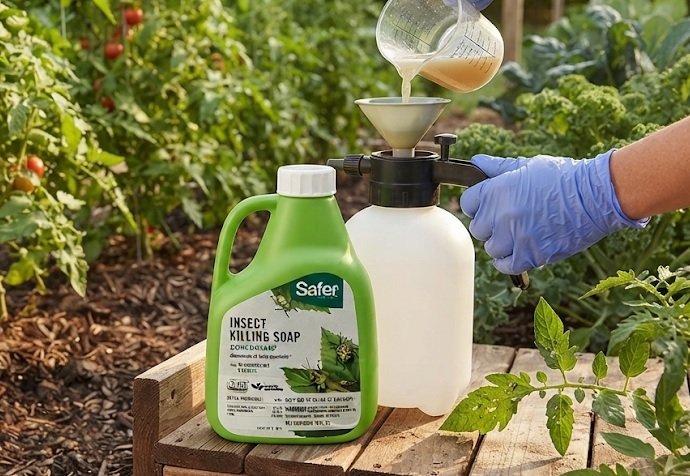
Safer Brand 5110-6 Insect Killing Soap – Best Overall Choice
The Safer Brand 5110-6 is the industry standard, containing potassium salts of fatty acids for rapid pest elimination. It kills aphids, mealybugs, and mites on contact without harming beneficial insects. This ready-to-use spray is ideal for organic gardening and works within hours, making it our top recommendation.
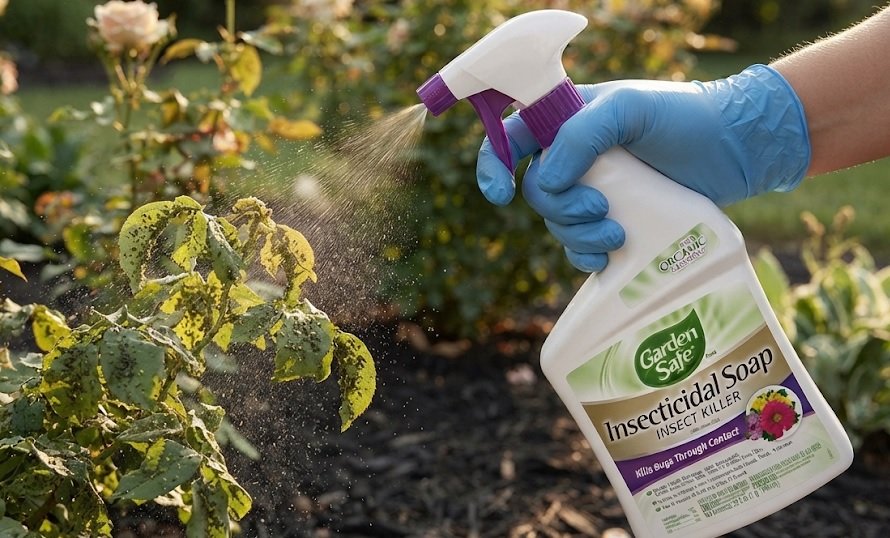
Garden Safe 80422 Insecticidal Soap – Best Budget Option
The Garden Safe 80422 offers a concentrated formula that makes up to 24 gallons of spray, providing exceptional value. It targets soft-bodied insects while being safe for edible crops up to the day of harvest. This option is ideal for large gardens needing an economical, versatile solution.
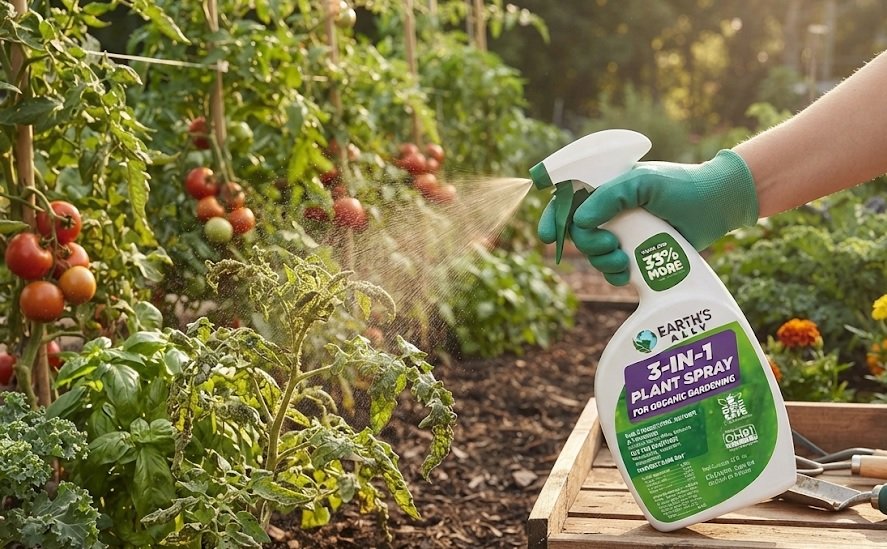
Espoma Earth-tone 3-in-1 Insecticide Spray – Best Multi-Purpose Formula
The Espoma Earth-tone combines insecticidal soap with neem oil and pyrethrin for a powerful triple-action defense. It treats pests, controls fungal diseases like black spot, and kills spider mites at all life stages. This spray is the best option for gardeners needing comprehensive plant protection in one bottle.
Understanding How Insecticidal Soap Spray Works
Insecticidal soap spray works through a simple physical mechanism rather than chemical toxicity. The potassium salts of fatty acids penetrate the insect’s outer shell, causing cellular collapse and dehydration. This process kills soft-bodied pests within hours while leaving no harmful residue.
The Science Behind the Solution
The soap molecules break down the waxy protective layer on insects like aphids and whiteflies. Once this barrier is compromised, the insect loses vital fluids and dies quickly. Beneficial insects like bees and ladybugs remain unaffected because their hard exoskeletons resist soap penetration.
Which Pests Does It Eliminate?
This homemade remedy targets specific garden pests effectively. It works best on insects with soft exteriors that are actively feeding on plant tissue.
- Aphids: Suck sap from new growth and flower buds
- Spider mites: Tiny arachnids that cause stippling on leaves
- Mealybugs: Cotton-like pests that cluster on stems
- Thrips: Slender insects that scar leaf surfaces
Why Homemade Beats Store-Bought
Creating your own spray gives you complete control over ingredients and concentration. You avoid synthetic additives found in commercial products while saving money. A homemade batch costs pennies per application and uses items already in your kitchen.
The spray degrades rapidly in sunlight, leaving no toxic buildup in your soil. This makes it perfect for edible gardens where you harvest regularly. Understanding these fundamentals ensures you apply the solution correctly for maximum pest control.
Step-by-Step Recipe for Homemade Insecticidal Soap Spray
Creating an effective homemade insecticidal soap spray requires precise measurements and the right type of soap. Using dish detergent or laundry soap can harm your plants due to harsh additives. Follow this proven recipe for a safe, potent solution.
Essential Ingredients You Need
Gather these simple items before mixing your spray. Pure castile soap is the best option because it contains no synthetic degreasers or fragrances.
- Liquid castile soap: 1 tablespoon (pure, unscented)
- Water: 1 quart (distilled or tap water)
- Spray bottle: Clean, with adjustable nozzle
- Optional: 1 teaspoon vegetable oil for extra sticking power
Mixing Instructions
Combine the soap and water in your spray bottle, then gently swirl to mix. Do not shake vigorously as excessive foam can clog the nozzle. Add the optional oil to help the solution adhere to leaves longer.
Proper Application Techniques
Apply the spray during early morning or late evening to prevent leaf burn from sun magnifying droplets. Test on a small leaf first and wait 24 hours to check for damage. Spray all plant surfaces thoroughly, especially the undersides of leaves where pests hide.
- Target visible pests directly with a fine mist
- Cover stems, buds, and leaf undersides completely
- Reapply every 4-7 days until pests disappear
This recipe is gentle enough for most houseplants and garden vegetables. However, always avoid spraying sensitive plants like ferns and succulents. Proper mixing and timing ensure your homemade solution works effectively without causing leaf damage.
Common Mistakes to Avoid When Using Insecticidal Soap
Even with the right recipe, improper application can render your homemade insecticidal soap spray ineffective or harmful. Many gardeners make avoidable errors that damage plants or fail to control pests. Understanding these pitfalls ensures your treatment works perfectly every time.
Using the Wrong Type of Soap
Not all soaps are safe for plants. Dish detergents and laundry soaps contain degreasers, dyes, and synthetic fragrances that strip plant leaves of their natural protective oils. These harsh chemicals cause leaf burn, yellowing, and even plant death.
- Avoid: Dawn, Palmolive, or any dish soap
- Avoid: Soaps with antibacterial additives
- Use only: Pure castile soap or horticultural soap
Spraying at the Wrong Time of Day
Applying your solution during peak sunlight hours is a recipe for disaster. The soap magnifies UV rays, causing severe leaf scorching and permanent tissue damage. Always spray in the early morning or evening when temperatures are below 80°F.
Over-Saturating Plants
More is not better when it comes to insecticidal soap. Excessive spraying leads to soap buildup in the soil, which can harm beneficial microorganisms and root systems. A light, even mist that covers pests without dripping is sufficient.
Skipping the Patch Test
Every plant species reacts differently to soap solutions. Sensitive plants like sweet peas, cherries, and Japanese maples are particularly prone to damage. A simple patch test prevents widespread leaf burn and saves your garden from unnecessary stress.
Avoiding these common errors keeps your plants healthy while effectively eliminating pests. Remember that insecticidal soap is a contact killer—it must touch the insects to work. Proper timing, correct soap selection, and conservative application deliver the best results.
When to Apply Insecticidal Soap for Maximum Effectiveness
Timing your applications correctly is just as crucial as the recipe itself. The pest life cycle dictates when your homemade insecticidal soap spray will deliver the best results. Applying at the wrong stage wastes effort and leaves infestations thriving.
Early Detection and Immediate Action
The moment you spot aphids or mites, begin treatment immediately. Pest populations double every few days, so early intervention prevents a full-blown infestation. Inspect your plants weekly, paying close attention to new growth and leaf undersides.
Targeting the Vulnerable Life Stages
Insecticidal soap works best on young nymphs and soft-bodied adults that are actively feeding. It cannot penetrate the hard shells of eggs or pupae, so you must reapply as new generations hatch.
- Eggs: Unaffected by soap spray
- Nymphs: Most vulnerable, killed on contact
- Adults: Susceptible if soft-bodied
Seasonal Spraying Schedule
Different seasons require different approaches to pest control. A consistent schedule keeps your garden protected throughout the growing season.
| Season | Frequency | Purpose |
|---|---|---|
| Spring | Every 7-10 days | Preventative control |
| Summer | Every 5-7 days | Active infestation treatment |
| Fall | As needed | Eliminate overwintering pests |
Weather Considerations
Rain and wind significantly reduce the effectiveness of your spray. Apply only when dry weather is forecast for 24 hours to allow the solution to work fully. Avoid spraying in windy conditions to prevent drift onto beneficial plants.
Consistency is the key to successful pest management with insecticidal soap. By monitoring your plants regularly and spraying at the right times, you maintain a pest-free garden without harsh chemicals.
Alternative Natural Pest Control Methods to Complement Soap Spray
While homemade insecticidal soap spray is highly effective, combining it with other natural strategies creates a comprehensive pest management system. Integrated Pest Management (IPM) reduces reliance on any single treatment. These complementary methods target pests at different stages and prevent future outbreaks.
Introducing Beneficial Insects
Nature provides its own pest control through predatory insects. Ladybugs, lacewings, and parasitic wasps feed on aphids, mites, and thrips without harming your plants. Releasing these beneficial insects creates a self-sustaining defense system in your garden.
- Ladybugs: Consume up to 50 aphids per day
- Green lacewings: Target eggs and young larvae
- Praying mantis: Hunts larger pests like caterpillars
Neem Oil as a Powerful Partner
Neem oil works differently than soap by disrupting insect hormones and feeding patterns. It also acts as a fungicide, preventing powdery mildew and black spot. Combine neem oil with your soap spray for a broader spectrum of protection against both pests and diseases.
Physical Barriers and Traps
Prevention is always better than cure. Simple physical barriers stop pests from reaching your plants in the first place.
- Row covers: Lightweight fabric blocks flying insects
- Sticky traps: Yellow cards capture whiteflies and fungus gnats
- Diatomaceous earth: Sharp powder cuts soft-bodied pests
Companion Planting Strategies
Certain plants naturally repel pests through their scent or chemical compounds. Interplanting these species confuses pests and reduces infestation rates significantly.
| Companion Plant | Pest Repelled |
|---|---|
| Marigolds | Aphids, whiteflies |
| Basil | Thrips, mosquitoes |
| Garlic | Spider mites, beetles |
These natural methods work synergistically with your homemade spray. By diversifying your pest control toolkit, you protect your plants more effectively while maintaining an eco-friendly garden environment.
Frequently Asked Questions About Homemade Insecticidal Soap
Many gardeners have questions about creating and using homemade insecticidal soap spray effectively. This section addresses the most common concerns with clear, actionable answers. Understanding these details helps you achieve optimal pest control results.
Can I Use Dish Soap Instead of Castile Soap?
No, dish soap is not recommended for homemade insecticidal sprays. Dish detergents contain degreasers, fragrances, and dyes that strip plants of their natural protective oils. These harsh chemicals cause leaf burn, yellowing, and stunted growth in most plant species.
How Often Should I Apply the Spray?
Apply your homemade insecticidal soap spray every 4 to 7 days during an active infestation. This frequency targets newly hatched pests while the soap remains effective. Once pests disappear, reduce applications to a preventative schedule every 10-14 days.
Will Insecticidal Soap Harm Bees or Butterflies?
Insecticidal soap is generally safe for beneficial insects when applied correctly. Bees and butterflies have hard exoskeletons that resist soap penetration, unlike soft-bodied pests. However, avoid spraying open flowers to prevent direct contact with pollinators.
Can I Use the Spray on Edible Plants?
Yes, homemade insecticidal soap is safe for edible plants like tomatoes, peppers, and herbs. Rinse produce thoroughly before eating to remove any soap residue. The soap breaks down quickly in sunlight, leaving no toxic buildup.
What If My Plants Are Already Damaged?
Stop spraying immediately if you notice leaf burn or wilting after application. Rinse the plant thoroughly with clean water to remove residual soap. Wait two weeks before attempting another treatment with a more diluted solution.
Does Rain Wash Away the Spray?
Rain will wash away your insecticidal soap, reducing its effectiveness significantly. Reapply after any rainfall exceeding a light drizzle to maintain pest control. Check weather forecasts and schedule applications during dry periods for best results.
Troubleshooting Common Issues with Insecticidal Soap Spray
Even experienced gardeners encounter problems when using homemade insecticidal soap spray. Identifying and resolving these issues quickly prevents further plant damage. This troubleshooting guide addresses the most frequent challenges and provides practical solutions.
Leaf Burn or Discoloration After Application
If your plants show brown spots, yellowing, or wilting after spraying, the solution may be too concentrated. Dilute your mixture with more water and test again on a single leaf. Also, check that you are using pure castile soap rather than dish detergent with harsh additives.
- Symptom: Brown crispy edges on leaves
- Cause: Solution too strong or sprayed in direct sunlight
- Fix: Dilute 50% and spray only in early morning or evening
Pests Returning After Treatment
Recurring infestations typically mean you stopped spraying too soon or missed hidden pest populations. Continue applications for two weeks after pests disappear to catch newly hatched eggs. Inspect leaf undersides and stem joints thoroughly during each treatment.
Spray Nozzle Clogging or Foaming Excessively
Excessive foam clogs spray nozzles and wastes your solution. Avoid vigorous shaking when mixing and use a spray bottle with a coarse mist setting. Filter your water if it contains high mineral content that reacts with the soap.
Solution Not Killing Pests Effectively
If pests survive your spray, you may be using water that is too hard or the soap concentration is too weak. Use distilled or rainwater for best results, and increase soap slightly to 1.5 tablespoons per quart. Ensure you are spraying directly on the pests, as the soap only works on contact.
Powdery Residue Left on Leaves
A white chalky film on foliage indicates you are using soap with too many additives or hard water minerals. Switch to a purer castile soap and rinse plants with clean water a few hours after treatment. This residue is harmless but can block sunlight absorption if left unchecked.
Conclusion: Master Homemade Insecticidal Soap Spray for a Healthier Garden
Creating your own homemade insecticidal soap spray is simple, cost-effective, and environmentally friendly. You now have the complete recipe, application techniques, and troubleshooting knowledge to tackle soft-bodied pests confidently.
Consistency and proper timing are the secrets to lasting pest control success. Start with a patch test, spray during cooler hours, and monitor your plants weekly.
Take action today by mixing your first batch and inspecting your garden. Your plants will thank you with vigorous growth and vibrant blooms all season long.
Frequently Asked Questions about Homemade Insecticidal Soap Spray
What is the best ratio of soap to water for insecticidal spray?
The most effective ratio is 1 tablespoon of pure castile soap per 1 quart of water. This concentration provides enough fatty acids to break down pest exoskeletons without damaging plant tissue. For heavy infestations, you can increase to 1.5 tablespoons.
Always use soft or distilled water for best results. Hard water minerals bind to the soap and reduce its effectiveness significantly. Test the solution on one leaf before treating your entire plant.
How long does homemade insecticidal soap spray last in storage?
Homemade insecticidal soap spray remains effective for up to one week when stored properly. Keep the solution in a sealed container away from direct sunlight and extreme temperatures. The soap degrades over time, losing its pest-killing potency.
For best results, mix only what you need for immediate use. Fresh solution works more effectively than stored batches. Label your container with the mixing date to track freshness.
Can I use insecticidal soap spray on indoor houseplants?
Yes, insecticidal soap spray is safe for most indoor houseplants when applied correctly. Test on a single leaf first and wait 24 hours to check for adverse reactions. Indoor plants often have softer foliage that may be more sensitive to soap.
Spray indoor plants in a well-ventilated area or take them outside for treatment. Avoid soaking the soil with excess solution. Wipe leaves gently after a few hours to remove any soap residue.
Why are pests still alive after spraying insecticidal soap?
Pests may survive because the soap only works on contact and does not have residual effects. You must spray directly on the insects for the solution to penetrate their exoskeletons. Hidden pests on leaf undersides often escape treatment.
Additionally, eggs are unaffected by soap spray and hatch within days. Reapply every 4-7 days to catch newly emerged nymphs. Inspect your plants thoroughly before each application.
What is the difference between insecticidal soap and neem oil?
Insecticidal soap works by physically breaking down pest exoskeletons on contact, while neem oil disrupts insect hormones and feeding patterns systemically. Soap acts quickly but has no residual effect, whereas neem oil provides longer-lasting protection.
Neem oil also treats fungal diseases like powdery mildew. Many gardeners use both products in rotation for comprehensive pest management. Avoid mixing them together in the same spray bottle.
Can I add essential oils to my insecticidal soap spray?
Adding essential oils like peppermint, rosemary, or tea tree oil can enhance pest-repelling properties. Use only 5-10 drops per quart to avoid overwhelming the soap solution. These oils add a pleasant scent and deter certain insects.
However, some essential oils can burn sensitive plant foliage. Test the mixture on a single leaf first. Avoid citrus oils, which may damage leaf surfaces.
How do I get rid of aphids permanently with insecticidal soap?
To eliminate aphids permanently, combine insecticidal soap spray with introducing beneficial insects like ladybugs. Apply the soap every 4-5 days for three weeks to break the aphid life cycle. Remove heavily infested leaves to reduce the population.
Encourage natural predators by planting companion flowers like marigolds and dill. Maintain consistent monitoring to catch new infestations early. Permanent control requires an integrated approach, not just one treatment.
Will insecticidal soap spray damage my vegetable garden?
Insecticidal soap spray is safe for most vegetable crops when used correctly. Rinse produce thoroughly before eating to remove any soap residue. Avoid spraying during peak sunlight hours to prevent leaf burn on sensitive vegetables like tomatoes and peppers.
Apply the spray in the early morning or evening for best results. Stop treatment two weeks before harvesting to ensure no residue remains. Always follow the basic recipe for safe, effective pest control.