
Are tiny pests ruining your harvest? Learning how to make a DIY fruit fly trap for the garden is the fastest way to reclaim your produce. This complete guide reveals simple, proven methods using everyday household items.
Discover cost-effective solutions that target these pests without harsh chemicals. We’ll cover expert tips for different garden scenarios and bait recipes that actually work. Read on to master these simple, effective techniques and protect your crops starting today.
Best Fruit Fly Traps for Garden Pest Control
When homemade solutions aren’t enough, commercial options offer superior durability and coverage. Here are three top-rated products recommended by gardening experts for effective fruit fly management.
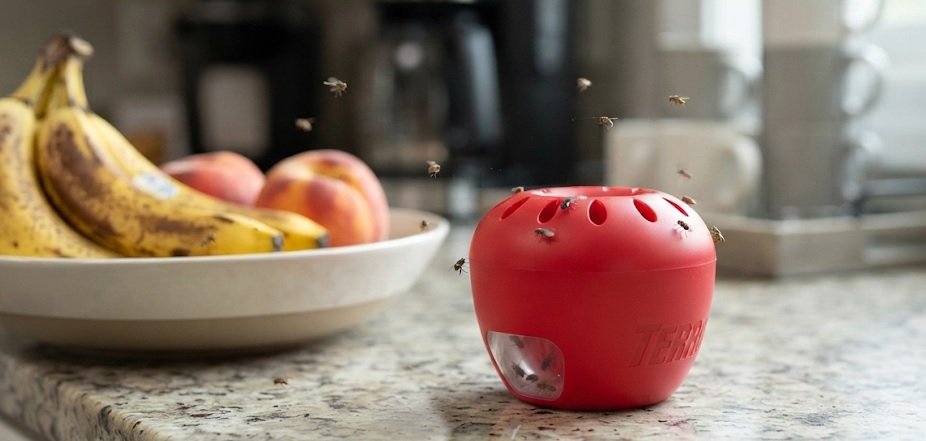
TERRO Fruit Fly Trap T2500 – Best Overall Choice
The TERRO T2500 is our recommended top pick for garden use. This ready-to-use trap covers up to 300 square feet with a potent liquid lure. It is ideal for vegetable gardens and compost bins, offering 30 days of continuous protection against fruit flies and fungus gnats.
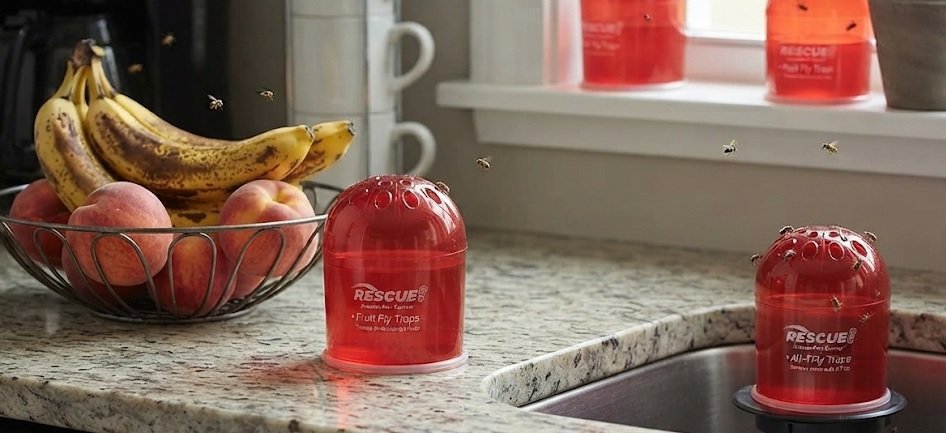
Rescue! Disposable Fruit Fly Trap – Best Eco-Friendly Option
The Rescue! Trap uses a non-toxic, food-based attractant that is safe around edible plants. Its weather-resistant design holds up well in outdoor conditions. This is the best option for organic gardeners seeking a chemical-free solution that targets multiple fly species without harming beneficial pollinators.
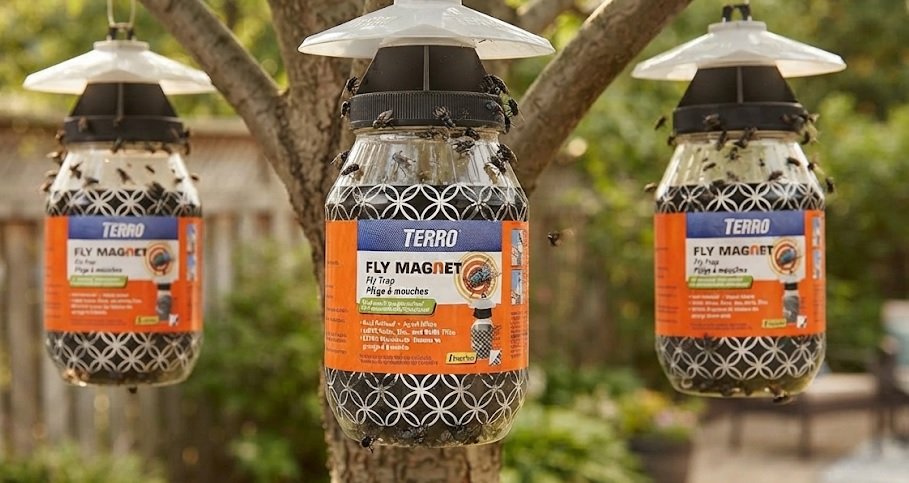
Victor M380 Fruit Fly Trap – Best Value for Large Gardens
For expansive outdoor spaces, the Victor M380 offers exceptional value with its long-lasting, reusable design. It comes with a refillable lure that lasts up to four weeks. This trap is ideal for protecting fruit trees and large vegetable plots, providing cost-effective, reliable pest suppression all season long.
Understanding Fruit Fly Behavior for Effective Trapping
To build a successful DIY fruit fly trap for the garden, you must first understand your enemy. Fruit flies are drawn to fermenting organic matter, which signals a food source and breeding ground. Targeting this specific attraction is the secret to a high-performing trap.
Why Garden Fruit Flies Differ from Kitchen Pests
Garden fruit flies, often called vinegar flies, are more resilient than their indoor cousins. They breed rapidly in warm, moist conditions found near compost piles and overripe produce. Therefore, your garden trap needs a stronger lure and larger capacity to handle outdoor populations.
The Critical Role of Bait Fermentation
The most effective bait mimics the natural fermentation process of rotting fruit. Here is what works best:
- Apple cider vinegar: The golden standard for attracting adults with its sweet, fermented aroma.
- Overripe banana peels: Provide a potent, natural scent that outcompetes surrounding garden smells.
- Red wine: Highly effective due to its strong, complex odor profile that mimics decaying fruit.
Placement Strategy Maximizes Catch Rates
Placement is just as important as the bait itself. Position traps in shaded areas near the soil line where flies typically hover. Avoid direct sunlight, which can dry out bait quickly and reduce its potency.
Set traps upwind of your most vulnerable plants to intercept pests before they arrive. Check and refresh bait every 3-4 days to maintain peak effectiveness. This proactive approach ensures you target the breeding cycle, not just the adult flies.
Key Takeaway: Successful trapping relies on strong fermentation scents and strategic shade placement to outsmart garden fruit flies.
Step-by-Step Guide to Building Your DIY Garden Trap
Now that you understand the science, it is time to build your own trap. These proven methods use common household materials and take less than ten minutes to assemble. Follow these instructions carefully to create a powerful, cost-effective defense for your garden.
Method 1: The Classic Jar Trap with Funnel
This design is the most reliable for capturing large numbers of flies. The funnel prevents captured insects from escaping while allowing new ones to enter easily.
- Prepare the container: Use a clean mason jar or plastic deli container.
- Add the bait: Pour 1 inch of apple cider vinegar into the bottom.
- Add a drop of dish soap: This breaks surface tension, causing flies to sink.
- Create the funnel: Roll paper into a cone, trim the tip, and tape it inside the jar rim.
Method 2: The Plastic Bottle Soda Trap
This zero-waste solution repurposes a standard 2-liter soda bottle. It is ideal for hanging near fruit trees or compost bins.
- Cut the bottle: Slice off the top third, just below the neck taper.
- Invert the top: Turn the cut piece upside down and insert it into the base.
- Seal the seam: Use duct tape to secure the funnel and prevent escapes.
- Fill with bait: Add a mixture of red wine and a splash of apple cider vinegar.
Bait Recipes That Outperform Basic Vinegar
Standard vinegar works, but these enhanced recipes significantly increase catch rates. Experiment to find what works best in your specific garden microclimate.
Fermented Fruit Punch: Combine mashed strawberries, sugar, and water. Let it sit for 48 hours before use to maximize fermentation.
Yeast-Activated Lure: Mix warm water, dry yeast, and sugar. This produces carbon dioxide, a powerful attractant that mimics ripening fruit.
Pro Tip: Always add dish soap to any liquid bait. It is the single most important ingredient for ensuring flies cannot escape.
Maintenance, Placement Strategies, and Preventive Measures
Building the trap is only half the battle; maintaining it correctly ensures long-term success. A neglected trap becomes ineffective and can even attract more pests to your garden. Follow these maintenance schedules and preventive tactics to stay ahead of infestations.
When and How Often to Empty Your Traps
Regular maintenance is crucial for sustaining trap effectiveness. A full trap loses its appeal and becomes a breeding hazard rather than a solution.
- Every 3-4 days: Check bait levels and replace liquid if it looks cloudy or evaporated.
- Weekly: Empty the trap completely, rinse with hot water, and refill with fresh bait.
- After rain: Outdoor traps need immediate attention, as rainwater dilutes the lure and reduces potency.
Strategic Placement for Maximum Garden Coverage
Where you position your DIY traps determines how many flies you intercept. Use a multi-trap approach for larger gardens to create a protective perimeter.
Compost bin proximity: Place one trap within 5 feet of your compost pile to catch flies at the source. Near fruit trees: Hang traps at chest height in shaded branches where flies congregate. Entry points: Position traps near garden gates or pathways to intercept incoming pests.
Prevention Tactics That Reduce Fly Populations
Traps alone cannot solve a severe infestation. Combine trapping with these cultural practices for comprehensive control.
| Preventive Action | Impact Level | Frequency |
|---|---|---|
| Harvest ripe produce immediately | High | Daily |
| Remove fallen fruit from ground | High | Every 2 days |
| Turn compost regularly | Medium | Weekly |
| Cover compost with dry leaves | Medium | As needed |
Key Takeaway: Consistent maintenance, smart placement, and proactive sanitation create a three-pronged defense against garden fruit flies.
Troubleshooting Common DIY Trap Problems and Solutions
Even with the best instructions, you may encounter issues with your homemade traps. Identifying why a trap is underperforming is key to restoring its effectiveness quickly. Here are the most common problems gardeners face and how to fix them.
Why Are Flies Ignoring My Trap?
If your trap sits empty while flies swarm nearby, the bait is likely the culprit. Fruit flies have highly sensitive olfactory receptors and can detect stale or weak scents.
- Problem: Bait has lost its potency after several days.
- Solution: Replace the liquid entirely, not just top it off, every 3-4 days.
- Problem: The surrounding environment offers more attractive food sources.
- Solution: Remove overripe produce and clean up fallen fruit immediately.
Dealing with Unwanted Insects in Your Trap
Sometimes, beneficial insects like bees or wasps may enter your trap. This is a sign that your bait is too sweet and broad-spectrum in its appeal.
Switch to a targeted lure: Use plain apple cider vinegar without added sugar or fruit. This specific scent attracts fruit flies while being less appealing to bees and wasps.
Use a smaller entry hole: Reduce the funnel opening to ¼ inch. This allows fruit flies to enter but excludes larger beneficial insects.
Weather-Related Issues Affecting Trap Performance
Outdoor traps face unique environmental challenges that indoor traps do not. Rain, wind, and extreme heat can all compromise your trap’s functionality.
Rain dilution: Always use a trap with a lid or overhang to prevent rainwater from flooding the bait. Heat evaporation: Place traps in shaded locations to slow liquid evaporation during hot summer months. Wind interference: Secure lightweight bottles with stakes or string to prevent them from tipping over.
Pro Tip: If you notice moths or larger insects in your trap, consider switching to a bottle design with a narrower neck to filter out non-target species.
Comparing DIY Traps vs. Commercial Solutions for Your Garden
While DIY traps are cost-effective, commercial options offer distinct advantages in certain scenarios. Understanding the trade-offs helps you choose the right approach for your specific garden needs. Both methods have merit, and many gardeners use a combination strategy.
Cost Analysis and Long-Term Value
The initial investment differs significantly between homemade and store-bought traps. However, the true cost depends on how frequently you replace materials and the scale of your infestation.
| Factor | DIY Trap | Commercial Trap |
|---|---|---|
| Initial cost | $0-$5 | $8-$15 |
| Replacement frequency | Every 3-4 days | Every 30 days |
| Monthly cost | $5-$10 | $8-$15 |
| Time investment | High | Low |
Effectiveness for Severe Infestations
Commercial traps often use proprietary synthetic lures that are scientifically engineered for maximum attraction. These pheromone-based formulas can outperform homemade vinegar baits during peak infestation periods.
When to upgrade: If DIY traps capture dozens of flies but populations remain steady, a commercial trap with a stronger lure may be necessary. Hybrid approach: Use commercial traps near high-traffic zones and DIY traps for general perimeter coverage.
Environmental Considerations and Sustainability
DIY traps excel in eco-friendliness since they repurpose household waste like bottles and jars. Commercial traps, while effective, create plastic waste that must be disposed of properly.
- DIY advantage: Zero manufacturing footprint and complete control over ingredients.
- Commercial advantage: Often use biodegradable lures despite plastic housing.
- Best choice: Start with DIY, then supplement with commercial traps only if needed.
Key Takeaway: A hybrid strategy combining DIY traps with commercial reinforcements offers the best balance of cost, effectiveness, and sustainability.
Seasonal Strategies for Year-Round Fruit Fly Control
Fruit fly pressure fluctuates dramatically across the gardening calendar. Adapting your trapping strategy to seasonal changes maximizes effectiveness while minimizing unnecessary effort. Understanding these patterns helps you stay ahead of population explosions.
Spring: Early Intervention and Prevention
Spring is the critical window for preventing summer infestations. Overwintering adults emerge as temperatures rise above 50°F, seeking food sources to establish new colonies.
- Set traps early: Deploy your first traps when fruit trees begin flowering.
- Use protein-based baits: These attract females seeking protein for egg development.
- Monitor soil: Check for pupae near compost areas and remove them before emergence.
Summer: Peak Population Management
Summer brings peak fruit fly activity, requiring aggressive trapping and sanitation. Warm temperatures accelerate breeding cycles, with eggs hatching in as little as 24 hours.
Increase trap density: Double the number of active traps during July and August. Refresh bait frequently: Switch to a 2-day maintenance schedule during heat waves. Harvest diligently: Pick ripe produce daily and remove any damaged fruit immediately.
Fall: Reducing Overwintering Populations
Fall is the most overlooked season for fruit fly control, yet it determines next year’s pressure. Flies begin seeking shelter and food sources to survive winter dormancy.
Continue trapping until frost: Many gardeners stop too early, allowing late-season breeding. Clean up thoroughly: Remove all fallen fruit and decaying vegetation from garden beds. Turn compost completely: Bury fresh organic matter to eliminate surface breeding sites.
Winter: Strategic Preparation
While activity slows dramatically, winter is the perfect time to prepare for the next season. Use this period to repair traps, stockpile supplies, and plan your defense strategy.
Key Takeaway: Year-round vigilance, with adjusted intensity by season, is the most effective approach to keeping fruit fly populations manageable.
Natural Predators and Biological Controls for Fruit Flies
Traps are effective, but they only address adult flies. Introducing natural predators creates a sustainable, self-regulating ecosystem that targets fruit flies at multiple life stages. This biological approach reduces reliance on traps and chemicals over time.
Beneficial Insects That Hunt Fruit Flies
Several predatory insects feed on fruit fly larvae and pupae in the soil. Encouraging these beneficial species provides continuous, passive pest control.
- Rove beetles: Voracious predators of fruit fly larvae in compost and soil.
- Parasitic wasps: Tiny, non-stinging wasps that lay eggs inside fruit fly pupae.
- Green lacewings: Their larvae consume fruit fly eggs and small larvae on plant surfaces.
Attracting Predators to Your Garden
Creating a welcoming habitat is essential for establishing a predator population. These beneficial insects need shelter, water, and alternative food sources to thrive in your garden.
Plant diverse flowering species: Dill, fennel, and yarrow provide nectar for adult parasitic wasps. Maintain a water source: Shallow dishes with pebbles offer drinking spots for predatory insects. Avoid broad-spectrum pesticides: These chemicals kill beneficial predators along with pests.
Using Nematodes for Soil-Based Control
Beneficial nematodes are microscopic organisms that infect and kill fruit fly larvae in the soil. They are applied as a soil drench and provide long-lasting control.
| Nematode Type | Target Stage | Application Time |
|---|---|---|
| Steinernema feltiae | Larvae in soil | Spring and fall |
| Heterorhabditis bacteriophora | Pupae in soil | Summer |
Key Takeaway: Combining traps with biological controls creates a comprehensive, sustainable approach that targets fruit flies throughout their entire life cycle.
Conclusion: Master Your DIY Fruit Fly Trap for the Garden
Creating a DIY fruit fly trap for the garden is a simple, cost-effective solution that protects your harvest naturally. You now have proven methods, expert placement strategies, and troubleshooting tips at your disposal.
The best approach combines consistent trapping with preventive sanitation and biological controls. Start building your traps today and monitor them weekly for optimal results.
Your garden deserves protection from these persistent pests. Take action now and enjoy a healthier, more productive growing season.
Frequently Asked Questions about DIY Fruit Fly Traps for the Garden
What is the best bait for a DIY fruit fly trap in the garden?
Apple cider vinegar is widely considered the most effective bait for garden fruit fly traps. Its fermented aroma closely mimics overripe fruit, which strongly attracts these pests. Add one drop of dish soap to break surface tension and prevent escapes.
For enhanced results, combine vinegar with a small piece of overripe banana or strawberry. This creates a more complex scent profile that outperforms plain vinegar. Red wine also works exceptionally well as an alternative bait option.
How often should I replace the bait in my garden fruit fly trap?
Replace the bait every three to four days for optimal effectiveness. Warm weather accelerates fermentation and evaporation, reducing bait potency more quickly. During peak summer heat, consider switching to a two-day replacement schedule.
Signs that bait needs replacement include cloudy liquid, reduced fly capture, or an unpleasant rotting odor. Always rinse the container thoroughly before adding fresh bait to prevent bacterial buildup that repels flies.
Why are fruit flies still swarming my garden despite using traps?
Traps capture adult flies but do not address larvae and pupae in the soil. You likely have an ongoing breeding cycle that requires a multi-pronged approach. Remove all overripe and fallen fruit immediately to eliminate breeding sites.
Consider adding beneficial nematodes to your soil to target larvae directly. Additionally, increase trap density and ensure proper placement near compost and fruit trees. Consistency is key to breaking the reproductive cycle.
Can I use apple cider vinegar instead of red wine in my trap?
Yes, apple cider vinegar is actually the preferred choice for most garden fruit fly traps. It offers a stronger, more reliable attractant scent than red wine. The acetic acid in vinegar specifically targets fruit flies while being less appealing to bees.
Red wine works well but may attract more non-target insects. For best results, use raw, unfiltered apple cider vinegar with the “mother” intact, as it produces a more potent fermentation aroma.
What is the best way to position traps around fruit trees?
Hang traps at chest height in shaded areas of the tree canopy. Fruit flies prefer cool, humid environments and avoid direct sunlight. Position traps on the windward side to intercept pests as they approach.
Place one trap every ten to fifteen feet around larger trees. For smaller trees, a single strategically placed trap may suffice. Ensure traps are secured against wind movement to prevent spills.
How do I prevent bees and other beneficial insects from entering my trap?
Reduce the funnel opening to a quarter-inch diameter to exclude larger insects. This simple modification allows fruit flies to enter while keeping bees and wasps out. Alternatively, switch to a bait without added sugar or fruit.
Plain apple cider vinegar is less attractive to beneficial pollinators than sweeter baits. You can also add a few drops of vinegar outside the trap to deter bees from investigating the area.
Are commercial traps more effective than homemade fruit fly traps?
Commercial traps often use synthetic pheromone lures that are scientifically engineered for maximum attraction. These can be more effective during severe infestations. However, DIY traps are highly effective for moderate populations and offer significant cost savings.
For best results, combine both approaches. Use commercial traps near high-traffic zones and DIY traps for general perimeter coverage. This hybrid strategy maximizes effectiveness while managing costs.
Can I use the same DIY trap for both indoor and outdoor fruit fly problems?
Yes, the same basic trap design works for both indoor and outdoor applications. However, outdoor traps require more durable construction to withstand weather conditions. Use heavier containers and secure lids to prevent rain dilution.
Indoor traps benefit from smaller, more discreet designs. Consider using a small jar with a paper funnel indoors and a larger bottle outdoors. Adjust bait replacement frequency based on environmental conditions.