
Blossom end rot is a common tomato disorder caused by a calcium deficiency, typically triggered by inconsistent soil moisture. This complete guide reveals proven methods to identify, treat, and prevent this frustrating condition for a healthier harvest.
Discover exactly why those dark, sunken spots appear on your fruit bottoms and how to fix them fast. We’ll cover expert tips on watering, soil amendments, and calcium management to ensure your plants thrive. Keep reading to master the ultimate prevention strategy.
Best Calcium Sprays and Soil Amendments for Blossom End Rot
Fixing blossom end rot requires the right tools. Here are the three most recommended products to correct calcium deficiencies and stabilize moisture levels effectively.
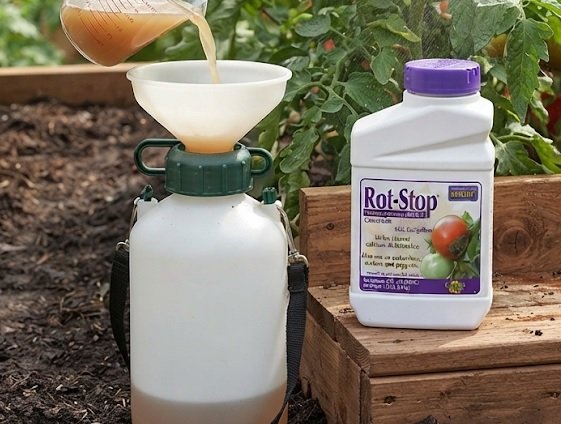
Bonide Rot Stop Tomato & Pepper Blossom End Rot Spray – Best Overall Choice
This ready-to-use liquid calcium spray provides immediate foliar absorption, targeting affected plants directly. It is the best option for a quick rescue mission when fruit is already developing. Apply weekly to halt the spread of rot on existing tomatoes and peppers.
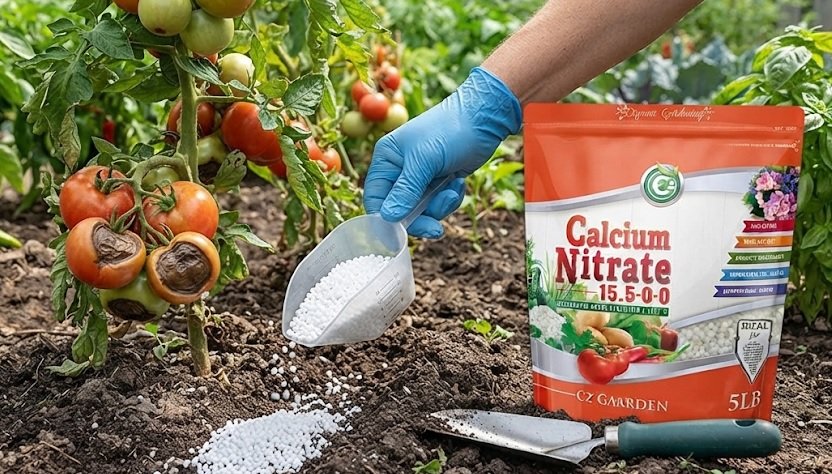
Calcium Nitrate Fertilizer (YaraLiva Calcinit) – Best Soil Solution
Ideal for long-term soil correction, this water-soluble fertilizer delivers nitrogen and calcium directly to the root zone. It is highly recommended for treating calcium-deficient soil before planting. Mix 1 tablespoon per gallon of water for a potent, fast-acting drench that prevents future fruit damage.
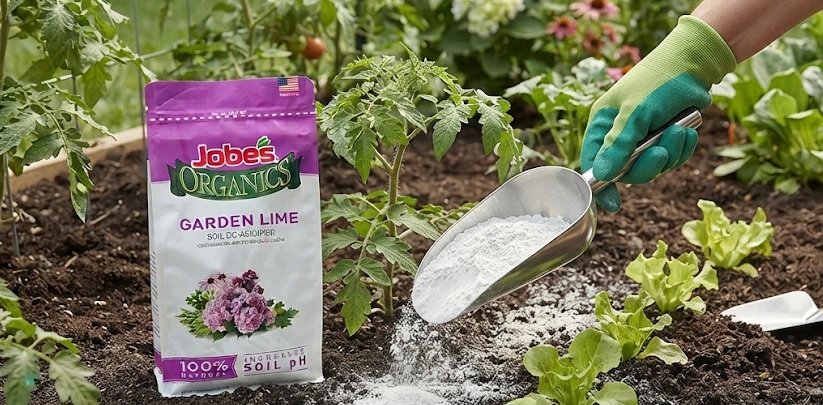
Garden Lime (Fast Acting Dolomite Lime) – Best Preventative Amendment
This granular amendment is perfect for adjusting soil pH and adding essential calcium pre-season. It works slowly but steadily, making it ideal for gardeners preparing beds in early spring. Work it into the top 6 inches of soil to ensure a consistent nutrient supply throughout the growing season.
Understanding the Root Causes of Blossom End Rot
Blossom end rot is not a disease caused by pests or fungi; it is a physiological disorder. The primary culprit is a calcium deficiency in the developing fruit, which leads to cell breakdown in the tomato’s bottom tip.
The Critical Role of Calcium Uptake
Calcium is essential for building strong cell walls. When a tomato plant grows rapidly, it demands massive amounts of calcium to support new tissue. However, calcium only moves through the plant via water uptake from the roots. If moisture levels fluctuate wildly, the plant cannot transport calcium to the fruit fast enough, resulting in rot.
Why Watering Inconsistency is the Main Trigger
Inconsistent watering is the number one environmental trigger for this condition. When the soil dries out completely, the roots lose their ability to absorb nutrients. Conversely, overwatering drowns the roots and creates the same deficiency. This stress often occurs during hot summer months when plants need consistent hydration.
- Drought stress: Dry soil halts calcium transport entirely.
- Over-saturation: Waterlogged soil suffocates feeder roots.
- Rapid growth spurts: Heavy nitrogen feeding accelerates growth faster than calcium uptake.
Soil pH and Nutrient Imbalance
Extreme soil pH levels can lock out calcium, even if it is present in the soil. Ideally, tomato soil should maintain a pH between 6.2 and 6.8. High levels of potassium, magnesium, or ammonium nitrogen can also compete with calcium, preventing root absorption.
Key Takeaway: Blossom end rot is a water management issue first, and a soil chemistry issue second. Fixing your watering schedule is the fastest path to recovery.
How to Fix Blossom End Rot on Affected Tomato Plants
Once blossom end rot appears, the damaged fruit will not recover. However, you can stop the disorder from ruining your entire harvest by taking immediate corrective action.
Step-by-Step Treatment for Existing Plants
First, remove all affected tomatoes from the plant. This redirects the plant’s energy toward producing healthy new fruit instead of wasting resources on damaged ones. Next, apply a foliar calcium spray to provide an immediate nutrient boost.
- Prune damaged fruit: Snip off any tomatoes showing dark, sunken lesions.
- Apply calcium spray: Use a product like Bonide Rot Stop directly on leaves and flowers.
- Water deeply: Give plants 1-2 inches of water per week, ensuring consistent moisture.
- Mulch heavily: Add 2-3 inches of organic mulch to lock in soil moisture.
Correcting Watering Habits Immediately
Inconsistent moisture is the primary driver of this issue. You must establish a regular watering schedule to keep soil evenly moist, not soggy. Drip irrigation systems are the most effective solution because they deliver water slowly and steadily to the root zone.
Adjusting Fertilizer Regimen
Switch to a low-nitrogen, calcium-rich fertilizer to prevent rapid foliage growth that outpaces calcium absorption. Avoid high-nitrogen formulas like ammonium nitrate, which exacerbate the problem. Look for fertilizers with calcium nitrate as a primary ingredient to support fruit development.
Quick Fix: Mix 2 tablespoons of calcium nitrate with 1 gallon of water and apply as a soil drench. Repeat every two weeks until new fruit sets without rot.
Preventing Blossom End Rot with Proper Soil Preparation
Prevention is always easier than treatment. By preparing your soil correctly before planting, you can significantly reduce the risk of blossom end rot developing in future crops.
Testing and Amending Soil pH Levels
Start by testing your soil pH at least three months before planting. If your soil is too acidic or too alkaline, calcium becomes unavailable to roots regardless of how much is present. Aim for a pH range between 6.2 and 6.8 for optimal nutrient uptake.
| Soil pH Level | Amendment Needed | Application Rate |
|---|---|---|
| Below 6.2 (Acidic) | Dolomitic Lime | 5-10 lbs per 100 sq ft |
| Above 6.8 (Alkaline) | Elemental Sulfur | 1-2 lbs per 100 sq ft |
| Optimal (6.2-6.8) | Compost | 2-3 inches tilled in |
Incorporating Calcium-Rich Amendments Early
Work calcium sources into the soil weeks before transplanting to allow them to break down. Crushed eggshells, gypsum, and bone meal are excellent organic options that release calcium slowly. Gypsum is particularly effective because it does not alter soil pH while providing a readily available calcium source.
Choosing Resistant Tomato Varieties
Some tomato cultivars naturally exhibit greater resistance to blossom end rot. Look for varieties labeled as “BER-resistant” or those with robust root systems. Roma, San Marzano, and Celebrity varieties are known for their resilience against this disorder.
- Roma: Heavy producers with excellent calcium utilization.
- San Marzano: Paste tomatoes with strong cell wall integrity.
- Celebrity: Hybrid variety with consistent moisture tolerance.
Pro Tip: Rotate your tomato planting location each year. This prevents soil nutrient depletion and reduces the buildup of pathogens that stress plants.
Maintaining Consistent Moisture Levels Throughout the Season
Consistent watering is the single most effective defense against blossom end rot. Your goal is to keep the root zone evenly moist without creating waterlogged conditions that suffocate roots.
Implementing a Drip Irrigation System
Drip irrigation delivers water directly to the soil surface at a slow, steady rate. This method prevents the drastic wet-dry cycles that trigger calcium transport failures. Install a timer to automate watering, ensuring your tomatoes receive 1-2 inches of water weekly regardless of your schedule.
Using Mulch to Regulate Soil Temperature
Organic mulch acts as a protective barrier that reduces evaporation and keeps soil temperatures stable. Apply 2-3 inches of straw, shredded leaves, or grass clippings around your plants, keeping mulch a few inches away from the stem. This simple step dramatically reduces moisture fluctuations that cause fruit rot.
Monitoring Weather and Adjusting Accordingly
Hot, windy days rapidly deplete soil moisture, while cool, cloudy periods require less water. Check soil moisture regularly by inserting your finger 2 inches into the soil. If it feels dry, water deeply; if it feels damp, wait another day.
- During heatwaves: Water more frequently, possibly daily for container plants.
- After heavy rain: Skip watering and monitor for standing water.
- During fruit set: Pay extra attention, as this is the critical period for calcium demand.
Key Takeaway: A consistent watering schedule prevents the stress that triggers blossom end rot. Invest in a reliable irrigation system to protect your harvest.
Identifying Blossom End Rot vs. Other Tomato Fruit Disorders
Correctly diagnosing blossom end rot is crucial because other issues mimic its symptoms. Misdiagnosis leads to ineffective treatments and continued crop loss.
Visual Symptoms of Blossom End Rot
Blossom end rot typically begins as a small, water-soaked spot on the blossom end of the fruit. This spot rapidly expands and turns dark brown or black, becoming leathery and sunken. The affected area remains dry and firm, unlike rot caused by fungi, which appears soft and wet.
Common Look-Alikes and How to Distinguish Them
Several other conditions can confuse gardeners. Understanding the differences ensures you apply the correct remedy.
| Condition | Appearance | Key Difference |
|---|---|---|
| Blossom End Rot | Dry, sunken, dark lesion at bottom | Firm texture, no foul odor |
| Anthracnose | Circular, sunken spots with pink spores | Spots appear anywhere on fruit |
| Sunscald | White or yellow patches on sun-exposed side | Occurs on top or sides, not bottom |
| Catfacing | Misshapen fruit with deep crevices | Physical deformity, not discoloration |
When to Inspect Your Plants
Check your tomatoes every 2-3 days once fruits begin to form. Early detection allows you to remove affected fruit quickly and adjust your care routine before the problem spreads. Focus your inspection on the lower clusters, which often show symptoms first.
- Morning inspection: Look for water-soaked spots that are easier to see in early light.
- Check new growth: Monitor newly set fruit, as they are most vulnerable during rapid expansion.
- Inspect after weather changes: Heavy rain or drought periods increase risk significantly.
Quick Tip: If the lesion is dry and sunken, it is blossom end rot. If it is soft, oozing, or smells bad, it is likely a secondary fungal infection requiring different treatment.
Organic Remedies and Natural Solutions for Blossom End Rot
Many gardeners prefer organic methods to address blossom end rot without synthetic chemicals. These natural solutions are effective for both treatment and long-term soil health.
Using Compost Tea and Organic Calcium Sources
Compost tea enriches soil biology, improving nutrient uptake efficiency. Add crushed eggshells or oyster shells to your compost pile to boost calcium content naturally. Seaweed extract is another excellent organic supplement that provides trace minerals and supports overall plant vigor.
Applying Foliar Sprays with Natural Ingredients
Homemade foliar sprays can deliver calcium directly to leaves for rapid absorption. Mix 1 tablespoon of calcium chloride or calcium lactate with 1 gallon of water and spray plants weekly during fruit development. This method works best in the early morning or late evening to prevent leaf burn.
Building Healthy Soil Biology
Healthy soil teeming with beneficial microbes naturally makes nutrients more available to plants. Incorporate worm castings, aged manure, and cover crops to improve soil structure and nutrient cycling. These organic additions also enhance water retention, reducing the moisture fluctuations that trigger rot.
- Worm castings: Rich in available calcium and beneficial bacteria.
- Kelp meal: Provides micronutrients that aid calcium absorption.
- Composted leaves: Improve soil aeration and moisture retention.
Pro Tip: Spraying milk diluted with water (1 part milk to 9 parts water) on foliage provides a quick calcium boost and may also help prevent fungal diseases.
Common Mistakes That Worsen Blossom End Rot
Even well-intentioned gardeners often make errors that exacerbate blossom end rot. Avoiding these common pitfalls is essential for successful tomato cultivation.
Over-Fertilizing with Nitrogen
Excessive nitrogen promotes lush, rapid foliage growth at the expense of fruit development. This vegetative explosion increases calcium demand faster than roots can supply it. Switch to a balanced fertilizer with lower nitrogen content once flowers appear, such as a 5-10-10 formula.
Inconsistent Watering Schedules
Alternating between drought and saturation is the fastest way to trigger blossom end rot. Many gardeners water lightly every day, which only wets the surface and encourages shallow root growth. Water deeply and less frequently to encourage roots to grow downward where moisture is more stable.
Ignoring Container Plant Needs
Tomatoes grown in pots dry out much faster than garden plants, especially during summer heat. Container soil heats up quickly, accelerating evaporation and stressing roots. Use larger pots (5+ gallons) and consider self-watering containers to maintain consistent moisture levels.
- Mistake: Watering with cold water shocks roots and reduces uptake.
- Mistake: Planting too early in cold soil inhibits root function.
- Mistake: Removing too many leaves exposes fruit to sunscald, confusing diagnosis.
Warning: Never apply calcium spray to the fruit itself; it is ineffective. Focus on leaves and surrounding soil for proper absorption.
Conclusion: Mastering Blossom End Rot Prevention for Healthy Tomatoes
Blossom end rot is a manageable disorder when you understand its root causes. Consistent watering, proper soil preparation, and balanced nutrition are your best defenses against this frustrating condition.
Start implementing these strategies today to protect your harvest. Monitor your plants regularly and act quickly at the first sign of trouble. With these expert tips, you can enjoy a bountiful, healthy tomato crop all season long.
Now that you know how to fix it, get out there and grow your best tomatoes yet!
Frequently Asked Questions about Blossom End Rot on Tomatoes
What is blossom end rot on tomatoes?
Blossom end rot is a physiological disorder caused by a calcium deficiency in developing fruit. It appears as a dark, sunken, leathery lesion on the blossom end of tomatoes.
This condition is not caused by pests or diseases, making it non-contagious between plants. It typically occurs when environmental stress prevents the plant from transporting calcium efficiently to the fruit.
Can tomatoes recover from blossom end rot?
Affected tomatoes will not heal, but the plant itself can recover fully. Remove damaged fruit immediately to redirect energy toward healthy new growth.
Once you correct watering habits and calcium availability, new fruit will develop normally. Most plants produce a healthy second flush of tomatoes within a few weeks of treatment.
How often should I water tomatoes to prevent blossom end rot?
Tomatoes need 1-2 inches of water per week, delivered deeply and consistently. Water 2-3 times weekly rather than lightly every day.
Using drip irrigation with a timer ensures steady moisture levels. Always check soil moisture 2 inches below the surface before watering to avoid over-saturation.
What is the best calcium source for tomatoes?
Gypsum (calcium sulfate) is the best soil amendment because it provides calcium without altering pH. Foliar sprays containing calcium chloride offer immediate relief during active fruit development.
For organic gardeners, crushed eggshells and bone meal work well when incorporated into soil months before planting. These natural sources release calcium slowly for sustained availability.
Why do my tomatoes only get blossom end rot on certain fruits?
Blossom end rot often affects only the earliest fruit clusters because they develop during rapid plant growth. These fruits compete heavily for available calcium.
Later fruits typically remain unaffected once the plant establishes a deeper root system. This pattern is normal and usually resolves without intervention as the season progresses.
Does Epsom salt help blossom end rot?
No, Epsom salt (magnesium sulfate) does not treat blossom end rot and can actually worsen it. Excess magnesium competes with calcium for root uptake, exacerbating the deficiency.
Only use Epsom salt if your soil test confirms a magnesium deficiency. Otherwise, focus on calcium-specific amendments and consistent watering instead.
Can blossom end rot spread to other plants?
No, blossom end rot is not contagious and cannot spread between plants. It is purely a physiological response to environmental and nutritional stress.
However, neighboring plants may show similar symptoms if they share the same soil conditions and watering issues. Treat the underlying soil and moisture problems to protect your entire garden.
What is the fastest way to fix blossom end rot?
The fastest treatment combines immediate foliar calcium spray with deep watering corrections. Apply a calcium chloride spray to leaves and water thoroughly to restore moisture balance.
Remove all affected fruit promptly and mulch around plants to stabilize soil temperature. You should see improvement in new fruit set within 10-14 days.