
How to identify and treat powdery mildew on plants starts with recognizing the telltale white powder on leaves. This common fungal disease weakens plants by stealing nutrients and blocking sunlight. Early detection is critical for effective control.
This complete guide covers proven methods for identification, prevention, and organic treatment. You will learn expert tips to stop the spread and restore your garden’s health. Keep reading to master these essential strategies.
Best Fungicides for Powdery Mildew Treatment – Detailed Comparison
Choosing the right fungicide is essential for effective powdery mildew control. We have evaluated top-rated options to help you select the best product for your specific garden needs. Here are our three recommended solutions based on efficacy, safety, and ease of use.
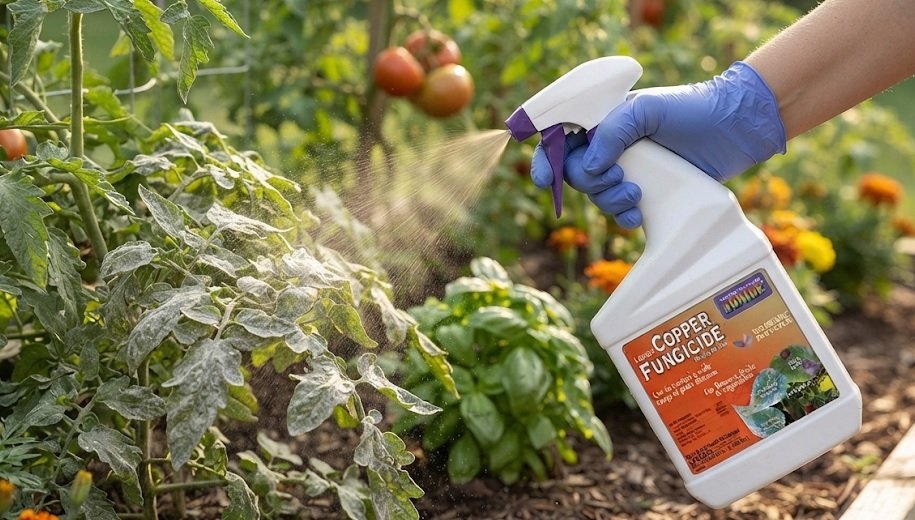
Bonide 775 Copper Fungicide – Best Overall Choice
The Bonide 775 Copper Fungicide is a trusted, broad-spectrum solution ideal for organic gardening. It creates a protective barrier on plant surfaces that prevents fungal spores from germinating and spreading. This liquid concentrate is perfect for treating vegetables, fruits, and ornamentals, and it offers excellent coverage. For severe infections, this is the most reliable option to use weekly.
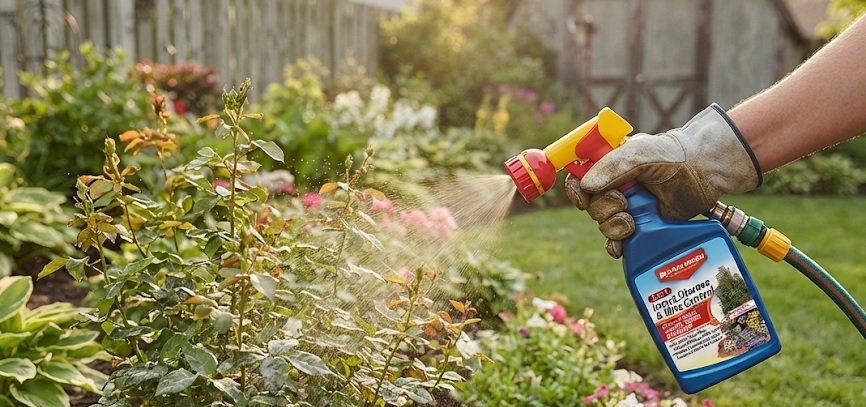
BioAdvanced 3-in-1 Insecticide & Fungicide – Best Systemic Option
Recommended for comprehensive plant care, the BioAdvanced 3-in-1 formula works systemically to cure existing diseases. It not only kills powdery mildew on contact but also protects against insects and mites. This product is absorbed into the plant tissue, providing lasting protection for up to 30 days. It is the best option for rose bushes and large shrubs requiring all-around defense.
Garden Safe 93183 Neem Oil Extract – Best Organic Prevention
For a natural approach, Garden Safe 93183 Neem Oil Extract is a highly effective, ready-to-use spray. This botanical fungicide disrupts the life cycle of mildew while being safe for beneficial insects like bees. It is ideal for use on edible crops and herbs, right up to the day of harvest. This product is the best choice for proactive, organic garden maintenance.

Understanding Powdery Mildew: Causes and Early Symptoms
Powdery mildew is a fungal disease that thrives in specific environmental conditions. Unlike many fungi, it does not require wet leaves to spread. Instead, it flourishes in warm, dry climates with high humidity and poor air circulation.
How to Identify Powdery Mildew on Plants
The first signs of infection appear as small, white, powdery spots on the upper surfaces of leaves. These spots quickly expand to cover entire leaves, stems, and even buds. Over time, affected foliage turns yellow, becomes brittle, and eventually drops prematurely.
- Visual cues: White or gray talcum-like powder on foliage
- Leaf distortion: New growth may appear stunted, curled, or twisted
- Reduced vigor: Plants lose energy as the fungus blocks sunlight absorption
Common Conditions That Trigger Outbreaks
Understanding the environmental triggers helps you prevent future infections. The disease spreads rapidly when daytime temperatures are warm (60-80°F) and nighttime temperatures are cool. High humidity levels between 70-90% combined with low light intensity create the perfect breeding ground for spores.
Plants growing in crowded conditions or shaded areas are particularly vulnerable. Poor air circulation traps humidity around foliage, accelerating spore germination and spread.
Key Takeaway: Powdery mildew spreads through airborne spores that do not require water on leaves. Managing airflow and sunlight exposure is your first defense against this persistent fungus.
Certain plant species are more susceptible than others. Cucurbits (squash, cucumbers), roses, lilacs, and phlox are common hosts. However, the disease can affect nearly any ornamental or edible plant in your garden.
How to Treat Powdery Mildew on Plants: Step-by-Step Action Plan
Once you confirm the infection, immediate action is necessary to prevent widespread damage. The treatment approach depends on the severity of the outbreak and the type of plants affected. Follow this proven action plan for effective control.
Step 1: Remove and Isolate Infected Plant Parts
Begin by pruning away all visibly infected leaves, stems, and buds using sterilized pruning shears. Dispose of the infected material in a sealed plastic bag—never place it in your compost pile, as spores can survive. This reduces the fungal load and stops immediate spore production.
Step 2: Apply a Targeted Treatment
For active infections, choose between organic remedies or commercial fungicides based on severity. Mild infections respond well to a homemade solution of one tablespoon baking soda, one tablespoon horticultural oil, and one gallon of water. Severe infections require the commercial fungicides mentioned earlier, applied according to label instructions.
- Spray thoroughly: Cover both upper and lower leaf surfaces completely.
- Repeat applications: Reapply every 7-14 days to break the spore cycle.
- Rotate products: Alternate between different fungicide types to prevent resistance.
Step 3: Adjust Environmental Conditions
Treatment effectiveness depends heavily on correcting the conditions that allowed the fungus to thrive. Increase sunlight exposure by pruning surrounding vegetation and thinning crowded plantings. Water at the base of plants in the morning to keep foliage dry throughout the day.
Key Takeaway: Consistent treatment combined with environmental adjustments yields the best results. Never skip repeat applications, as powdery mildew spores regenerate quickly if conditions remain favorable.
Monitor treated plants closely for two weeks to assess recovery. New growth should appear healthy and free from white powder, indicating your treatment plan is working effectively.
How to Prevent Powdery Mildew: Proactive Garden Management
Prevention is significantly easier than treatment when dealing with powdery mildew. By implementing strategic cultural practices, you can create an environment that discourages fungal development. These proactive measures protect your plants before spores ever land on their leaves.
Select Resistant Plant Varieties
Many plant cultivars have been bred specifically for resistance to powdery mildew. When purchasing seeds or nursery stock, look for labels indicating disease resistance. Resistant varieties dramatically reduce your risk of infection while requiring less maintenance throughout the growing season.
- Vegetables: Choose mildew-resistant cucumber, squash, and pea cultivars
- Ornamentals: Select phlox, lilac, and rose varieties with proven resistance
- Local advice: Consult your regional extension office for recommended cultivars
Optimize Spacing and Airflow
Proper plant spacing is one of the most effective preventive measures available to gardeners. Adequate distance between plants allows air to circulate freely, keeping foliage dry and reducing humidity levels. Stake tall plants and use trellises to lift foliage off the ground for better ventilation.
Implement Consistent Maintenance Routines
Regular garden maintenance prevents conditions that favor powdery mildew development. Water deeply but infrequently at the base of plants, avoiding overhead irrigation entirely. Remove weeds that compete for nutrients and create dense, humid microclimates around your crops.
Key Takeaway: Prevention focuses on three pillars: resistant varieties, proper spacing, and smart watering. These practices create an inhospitable environment for powdery mildew spores.
Apply a preventative fungicide spray early in the season when conditions favor disease development. This proactive approach is particularly important for historically susceptible plants in your garden.
Organic Remedies for Powdery Mildew: Natural Treatment Options
Many gardeners prefer natural solutions for treating powdery mildew, especially on edible crops. These homemade and organic treatments are effective for mild to moderate infections while being safe for beneficial insects. Here are the most reliable natural options available.
Baking Soda Solution
A simple mixture of baking soda, horticultural oil, and water creates an alkaline environment on leaf surfaces that kills fungal spores. Combine one tablespoon of baking soda with one tablespoon of horticultural oil in one gallon of water. Spray thoroughly every 7-10 days until the infection clears completely.
Milk Spray
Research has shown that diluted milk is surprisingly effective at controlling powdery mildew. Mix one part milk with two parts water and apply as a foliar spray in the morning. The proteins in milk create an antiseptic effect that disrupts fungal growth without harming plants.
- Dilution ratio: Use 1:2 or 1:3 milk-to-water ratio for best results
- Application frequency: Apply every 7-10 days during active infection
- Best for: Squash, cucumbers, grapes, and ornamental plants
Neem Oil
Neem oil is a botanical extract that works systemically to prevent fungal development. It disrupts the fungus’s ability to reproduce while also repelling common garden pests. Apply neem oil in the evening to avoid leaf burn in direct sunlight, and repeat every 14 days for ongoing protection.
Key Takeaway: Organic treatments require patience and consistency. They work best when applied early, before the infection becomes severe.
Always test any homemade remedy on a small section of the plant before widespread application. This prevents potential leaf damage and ensures compatibility with your specific plant species.
Powdery Mildew on Specific Plants: Targeted Treatment Strategies
Different plants respond differently to powdery mildew infections, requiring tailored treatment approaches. Understanding these species-specific nuances ensures you apply the most effective control methods. Here are strategies for the most commonly affected garden plants.
Powdery Mildew on Roses and Ornamentals
Roses are particularly susceptible to powdery mildew, which distorts new growth and diminishes bloom quality. Prune affected canes immediately and improve air circulation by removing crowded interior branches. Apply a sulfur-based fungicide at the first sign of white powder, and repeat every 7-14 days during active growth periods.
Powdery Mildew on Vegetables and Edibles
Cucurbits like squash, cucumbers, and pumpkins are highly vulnerable to severe powdery mildew outbreaks. For edible crops, prioritize organic treatments like milk spray or neem oil to avoid chemical residues. Remove heavily infected leaves to slow the spread, and ensure consistent watering to reduce plant stress that increases susceptibility.
| Plant Type | Best Treatment | Application Timing |
|---|---|---|
| Roses | Sulfur-based fungicide | Every 7-14 days |
| Squash & Cucumbers | Milk spray or neem oil | Every 7-10 days |
| Grapes | Baking soda solution | Every 10 days |
| Lilacs & Phlox | Copper fungicide | Every 10-14 days |
Powdery Mildew on Houseplants
Indoor plants face unique challenges with powdery mildew due to limited airflow and lower light levels. Quarantine infected houseplants immediately to prevent spores from spreading to healthy specimens. Wipe leaves with a damp cloth to remove visible powder, then apply a diluted neem oil solution.
Key Takeaway: Match your treatment to the specific plant type for optimal results. Edible crops require organic solutions, while ornamentals can tolerate stronger fungicides.
Always read product labels carefully to confirm they are safe for your specific plant species. Some fungicides can cause leaf burn on sensitive plants, so test on a small area first.
Common Mistakes to Avoid When Treating Powdery Mildew
Even well-intentioned gardeners often make errors that worsen powdery mildew outbreaks. Recognizing these common pitfalls helps you avoid wasting time and losing plants. Here are the most frequent mistakes and how to correct them.
Mistake 1: Overhead Watering During Treatment
Many gardeners assume that water will wash away fungal spores, but overhead watering actually worsens the problem. Water splashes spread spores to healthy leaves and creates humid conditions that favor fungal growth. Always water at the base of plants using drip irrigation or a soaker hose.
Mistake 2: Ignoring the Undersides of Leaves
Spraying only the visible white patches on top of leaves leaves the infection free to continue spreading. Powdery mildew spores often hide and multiply on the undersides of foliage. Thoroughly coat both leaf surfaces when applying any treatment to ensure complete coverage.
- Correct technique: Lift leaves and spray from below as well as above
- Proper timing: Apply treatments in the early morning or evening
- Complete coverage: Include stems, buds, and new growth in applications
Mistake 3: Delaying Treatment Until the Infection Is Severe
Waiting to act until white powder covers most of the plant significantly reduces treatment effectiveness. Early intervention is critical because severe infections damage leaf tissue permanently. Inspect plants weekly during high-risk periods and act at the first sign of spotting.
Key Takeaway: Successful treatment requires thorough coverage, proper watering techniques, and early action. Avoiding these common mistakes dramatically improves your control outcomes.
Another frequent error is using the same fungicide repeatedly without rotation. This practice encourages fungal resistance and reduces long-term effectiveness. Alternate between different active ingredients to keep treatments working reliably.
Seasonal Powdery Mildew Management: Year-Round Protection Calendar
Powdery mildew requires consistent management throughout the year, not just during active outbreaks. A seasonal approach ensures your garden remains protected from spore germination to dormancy. Follow this calendar to stay ahead of fungal threats in every season.
Spring: Prevention and Early Detection
Spring is the critical window for establishing preventive measures before spores become active. Inspect new growth weekly for the first signs of white powder, especially after warm days followed by cool nights. Apply a preventative fungicide treatment to susceptible plants as soon as new leaves emerge.
- Clean up: Remove and dispose of any overwintering plant debris
- Prune: Thin crowded branches to improve airflow from the start
- Apply: Use sulfur or neem oil as a protective barrier on vulnerable species
Summer: Vigilant Monitoring and Rapid Response
Summer heat creates ideal conditions for powdery mildew, particularly in humid regions. Check plants twice weekly during peak growing season and act immediately at the first sign of infection. Maintain consistent watering schedules to avoid drought stress that weakens plant defenses.
Fall: Cleanup and Spore Reduction
Fall cleanup is essential for breaking the disease cycle and preventing next year’s outbreaks. Remove all infected plant material from the garden and dispose of it in sealed bags, never compost. Turn over soil to expose any fallen spores to sunlight and cold temperatures.
Key Takeaway: Consistent year-round management prevents powdery mildew from establishing a foothold. Each season plays a specific role in the overall protection strategy.
Winter is the time for planning and preparation. Select resistant varieties for next season, clean and sterilize gardening tools, and map out planting arrangements that maximize airflow and sunlight exposure.
Conclusion: Mastering Powdery Mildew Treatment for Healthier Gardens
Identifying and treating powdery mildew on plants is a manageable task with the right knowledge and tools. Early detection, proper treatment selection, and consistent prevention are the pillars of effective control.
Start implementing these proven strategies today to protect your garden from future outbreaks. Monitor your plants weekly and act swiftly at the first sign of white powder. Your vigilance will reward you with vibrant, productive plants all season long.
Frequently Asked Questions about Powdery Mildew on Plants
What is powdery mildew and where does it come from?
Powdery mildew is a common fungal disease that appears as white or gray powder on plant surfaces. It spreads through airborne spores that thrive in warm, dry conditions with high humidity. Spores overwinter in plant debris and become active when temperatures reach 60-80°F.
The fungus does not require standing water to germinate, unlike many other plant diseases. It specifically attacks stressed plants with poor airflow or inadequate sunlight exposure.
How to identify powdery mildew on plants early?
Look for small, circular, white spots on the upper surfaces of older leaves. These spots expand rapidly and merge to form a dusty coating across foliage, stems, and buds. New growth may appear stunted or distorted as the infection progresses.
Early detection is crucial because the fungus spreads quickly. Inspect plants weekly during warm, humid weather, paying special attention to shaded and crowded areas.
Can powdery mildew kill my plants permanently?
Powdery mildew rarely kills healthy, mature plants outright, but it weakens them significantly. The fungus blocks sunlight absorption, reducing photosynthesis and causing leaves to yellow and drop prematurely. Severe infections can stunt growth and reduce flowering and fruit production.
For young seedlings or heavily stressed plants, the damage can be fatal. Consistent treatment and prevention are essential to protect vulnerable specimens.
What is the best way to treat powdery mildew organically?
A milk spray solution of one part milk to two parts water is highly effective for mild infections. Baking soda mixed with horticultural oil and water also works well as a contact treatment. Neem oil provides systemic protection while repelling garden pests.
Apply organic treatments every 7-10 days until the infection clears. Always test on a small area first to ensure leaf compatibility.
How often should I apply fungicide for powdery mildew?
For active infections, apply fungicide every 7-14 days depending on the product label. Repeat applications are necessary to break the spore cycle and prevent regrowth. Continue treatment for at least two weeks after symptoms disappear.
For prevention, apply a protective fungicide every 14-21 days during high-risk periods. Rotate between different active ingredients to prevent fungal resistance.
Why does powdery mildew keep coming back every year?
Powdery mildew spores survive winter in infected plant debris and on garden tools. If you do not remove infected material in fall, spores remain viable and reinfect plants next spring. Poor airflow and overcrowded planting also create conditions that favor recurrence.
Implement thorough fall cleanup and rotate crops to break the disease cycle. Choose resistant varieties to reduce future outbreaks significantly.
Which plants are most susceptible to powdery mildew?
Cucurbits like squash, cucumbers, and pumpkins are highly vulnerable, as are roses, lilacs, and phlox. Grapes, apples, and ornamental shrubs also commonly suffer from infections. Houseplants like African violets and begonias can develop powdery mildew indoors.
Knowing your susceptible plants helps you prioritize monitoring and preventive treatments. Focus protection efforts on these high-risk species first.
Can I eat vegetables that had powdery mildew?
Yes, vegetables from plants with powdery mildew are safe to eat after thorough washing. The fungus affects only the plant surface and does not produce toxins harmful to humans. However, severely infected leaves may affect fruit quality and flavor.
Wash produce well and remove any heavily infected foliage before consuming. Organic treatments like milk spray and neem oil are safe for edible crops.