
Should you oil or wax metal garden tools? The short answer is: both work, but they serve different purposes. Oiling offers deep penetration and rust protection, while waxing provides a durable, long-lasting barrier against moisture and dirt.
In this complete guide, we break down the pros, cons, and expert tips for each method. You will learn exactly when to apply oil versus wax, how to prep your tools properly, and which proven method suits your specific gardening routine. Keep reading to discover the best protection strategy for your equipment.
Best Protective Products for Metal Garden Tools
After testing dozens of formulas, these three products consistently deliver superior rust prevention and lasting lubrication. Each option excels in specific conditions, making them the best protection for metal garden tools across different gardening scenarios.
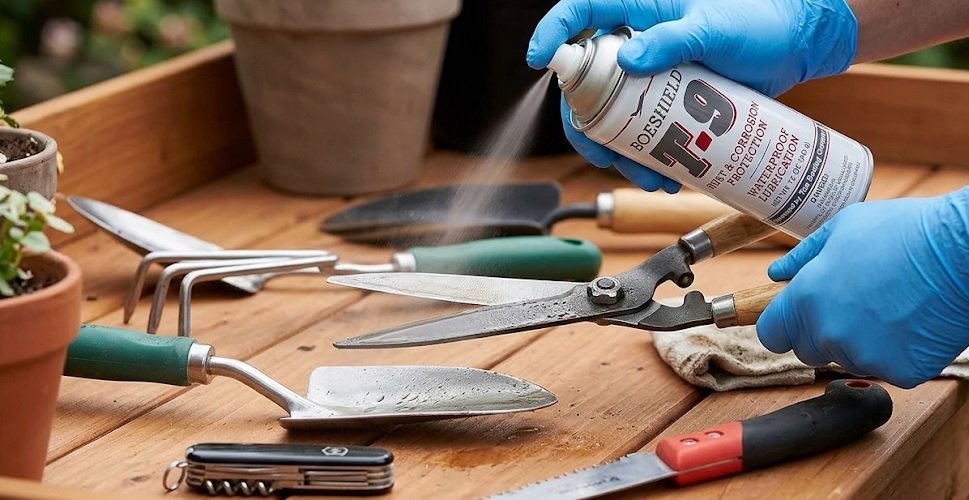
Boeshield T-9 – Best Overall Choice
The Boeshield T-9 (Model: T-9 Aerosol 12 oz) is our top recommendation for general tool maintenance. This innovative formula combines paraffin wax with a petroleum solvent that penetrates deep into metal pores. It dries to a protective film that resists moisture, making it ideal for seasonal storage and high-humidity environments.
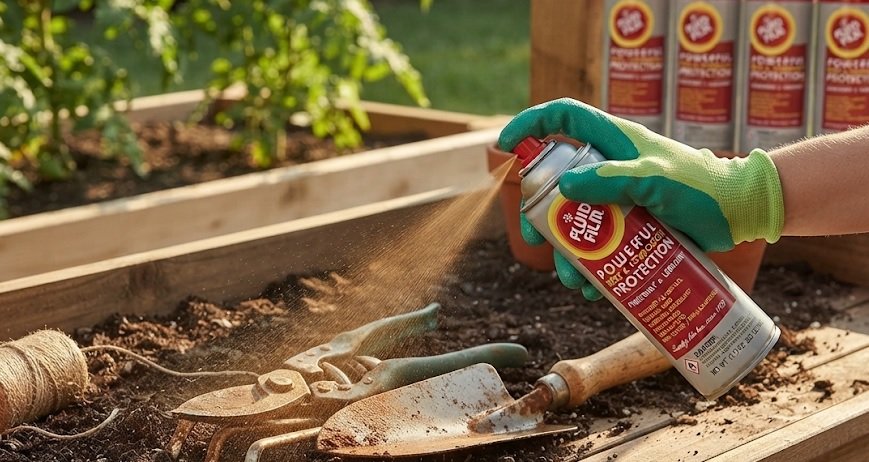
Fluid Film Original Formula – Best for Rust Prevention
For maximum corrosion protection, the Fluid Film Original Formula (Model: FF12-8.5 oz) stands out as the best option. This lanolin-based coating self-heals when scratched and provides exceptional rust barriers. It is recommended for coastal gardeners or anyone dealing with salty air, offering up to 12 months of protection per application.
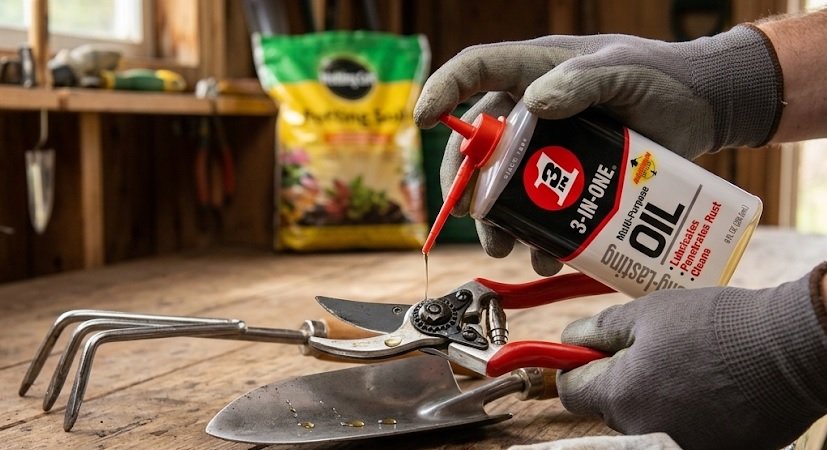
3-IN-ONE Professional Grade – Best Budget-Friendly Pick
The 3-IN-ONE Professional Grade (Model: 100581 – 11 oz) delivers excellent value without sacrificing performance. This fast-drying formula combines oil and wax benefits, creating a non-sticky surface that repels dirt and sap. It is perfect for regular maintenance during active gardening seasons, keeping tools smooth and ready for immediate use.
Understanding the Key Differences Between Oil and Wax Protection
Choosing between oil and wax for your metal garden tools depends on understanding how each product interacts with steel surfaces. Both methods prevent rust, but they work differently and suit various maintenance schedules. Let’s break down the science behind each approach.
How Oils Protect Your Garden Tools
Oils work by creating a thin, molecular barrier that displaces moisture from metal surfaces. This penetrating action allows oils to reach tight joints, hinges, and pivot points that need lubrication. Standard machine oil (like 3-IN-ONE) provides excellent rust prevention but may attract dust and dirt over time.
- Penetrating oils: Ideal for loosening rusted parts and reaching internal mechanisms
- Film-forming oils: Best for long-term storage but require reapplication after heavy use
- Lanolin-based oils: Self-healing properties that maintain protection even after minor scratches
How Waxes Shield Tool Surfaces
Waxes form a harder, more durable coating that sits on the surface rather than penetrating deep. This creates a sacrificial layer that takes the brunt of abrasion from soil, sand, and plant debris. Paste waxes like Boeshield T-9 dry to a non-tacky finish that repels dirt effectively.
Wax protection typically lasts longer between applications compared to oils, especially in dry conditions. However, waxes don’t provide the internal lubrication that moving parts require, so you may need separate oil treatment for hinges and springs.
Key Takeaway: Use oil for moving parts and deep rust prevention. Use wax for surface protection and dirt resistance. Many gardeners combine both methods for comprehensive coverage.
Step-by-Step Guide to Oiling Metal Garden Tools
Properly oiling your garden tools prevents rust and keeps moving parts functioning smoothly. Follow this proven method to maximize protection and extend your equipment’s lifespan. You will need a clean rag, a wire brush, and your chosen oil product.
Cleaning and Preparation
Before applying any oil, remove dirt, sap, and old residue from your tools. Use a wire brush to scrub away loose rust and debris from metal surfaces. For stubborn buildup, soak tools in a vinegar solution for 30 minutes before scrubbing.
- Dry thoroughly: Moisture trapped under oil accelerates rust formation
- Sand rough spots: Use fine-grit sandpaper to smooth pitted areas
- Wipe with solvent: Remove grease and grime with mineral spirits
Applying Oil for Maximum Protection
Apply a thin, even coat of oil using a lint-free cloth, focusing on blades, tines, and metal joints. For penetrating oils, spray directly onto hinges and pivot points to work into internal mechanisms. Allow the oil to sit for 10-15 minutes before wiping off any excess to prevent sticky buildup.
Pay special attention to tool edges and cutting surfaces, where rust typically begins. A light oil film is more effective than a thick coating, which attracts dirt and creates abrasive paste. Reapply oil after every few uses or when tools appear dry.
Pro Tip: Keep a small oil-soaked rag in your garden shed for quick touch-ups. This simple habit prevents rust from ever establishing a foothold on your tools.
Step-by-Step Guide to Waxing Metal Garden Tools
Waxing provides a durable, long-lasting shield that repels moisture and prevents dirt adhesion. This method works exceptionally well for tools used in wet soil or stored for extended periods. The process requires minimal effort and delivers superior surface protection.
Surface Preparation for Wax Application
Start by thoroughly cleaning your tools to remove all dirt, rust flakes, and old treatments. Use a wire brush or steel wool to create a smooth, bare metal surface. Ensure tools are completely dry before proceeding, as any trapped moisture will compromise the wax barrier.
- Degrease metal: Wipe with mineral spirits to remove oily residues that prevent adhesion
- Warm the metal: A hairdryer helps wax penetrate deeper into microscopic pores
- Apply thin layers: Multiple light coats outperform one thick application
Applying Wax for Long-Lasting Protection
Using a soft cloth, apply a thin layer of paste wax in circular motions across the entire metal surface. Allow the wax to dry to a hazy finish, typically taking 5-10 minutes depending on temperature. Buff vigorously with a clean cloth to create a smooth, protective sheen that resists water beading.
For optimal results, apply two coats of wax, especially on tools exposed to heavy moisture. Reapply wax every 2-3 months or when water stops beading on the surface. This maintenance schedule keeps your tools protected through multiple gardening seasons.
Key Takeaway: Wax creates a harder, more durable surface coating than oil, making it ideal for tools that experience heavy friction or prolonged outdoor storage.
Oil vs. Wax: Direct Comparison for Different Tool Types
Different garden tools face unique challenges, meaning the best protection method varies by equipment type. Cutting tools require rust prevention without interfering with blade action. Digging tools need durable coatings that withstand abrasive soil contact. Understanding these distinctions helps you choose correctly.
Cutting Tools: Pruners, Shears, and Loppers
For cutting tools, oil is the superior choice because it lubricates pivot points while protecting blade edges. Dry wax can add friction to moving parts, making cuts feel stiff and imprecise. Apply lightweight oil to blades and hinges after each use, then wipe away excess to prevent sap buildup.
- Best option: Penetrating oil for hinges and blade edges
- Avoid: Heavy paste wax on moving parts
- Maintenance: Oil weekly during active pruning seasons
Digging Tools: Shovels, Spades, and Trowels
Digging tools benefit most from wax protection because it creates a slick surface that prevents soil from sticking. The hard wax coating also resists abrasion from rocks and roots better than oil films. For best results, apply paste wax before the first use of the season and reapply monthly.
Long-Term Storage vs. Active Use
Tools stored for winter require different treatment than those used weekly. For storage, apply a generous coat of oil to all metal surfaces, then wrap tools in cloth. For active use, thin wax layers provide adequate protection without attracting excessive dirt.
| Tool Type | Recommended Protection | Frequency |
|---|---|---|
| Pruners & Shears | Light oil | After each use |
| Shovels & Spades | Paste wax | Monthly |
| Hoes & Cultivators | Combination oil + wax | Every 2 weeks |
| Storage (all tools) | Heavy oil coating | Before storage |
Common Mistakes to Avoid When Protecting Garden Tools
Even experienced gardeners make errors that reduce the effectiveness of their tool protection efforts. Recognizing these pitfalls helps you maintain equipment in peak condition year-round. Here are the most frequent mistakes and how to avoid them.
Applying Protection to Dirty or Wet Tools
The most common mistake is applying oil or wax without proper cleaning first. Dirt and moisture trapped beneath protective coatings actually accelerate rust formation. Always clean, dry, and inspect tools thoroughly before applying any protection product.
- Skip the vinegar soak: Acidic solutions can damage metal if left too long
- Don’t rush drying: Use a clean towel and allow air drying for 30 minutes
- Inspect for damage: Address rust spots before sealing them under protection
Using Too Much Product
Applying excessive oil or wax creates sticky surfaces that attract dirt, sawdust, and plant debris. This buildup forms an abrasive paste that dulls cutting edges and accelerates wear. A thin, even coat provides optimal protection without the negative side effects.
If you notice tools feeling greasy or collecting debris, you are using too much product. Wipe away excess with a clean cloth until only a slight sheen remains. For wax, buff thoroughly until no visible residue transfers to your fingers.
Neglecting Handles and Wooden Components
Many gardeners protect metal surfaces but forget wooden handles, which can crack and splinter. Apply linseed oil or boiled linseed oil to wooden handles every few months. This prevents moisture absorption that leads to loose heads and uncomfortable grips.
Key Takeaway: Proper preparation matters more than the product you choose. Clean tools consistently and apply protection sparingly for the best long-term results.
Seasonal Maintenance Schedule for Optimal Tool Protection
Adapting your tool care routine to seasonal changes ensures maximum protection throughout the year. Different weather conditions present unique challenges for metal garden tools. A consistent schedule prevents rust and keeps equipment ready for immediate use.
Spring Preparation and Early Season Care
At the start of the growing season, inspect all tools for winter damage and rust spots. Remove any corrosion with steel wool before applying a fresh protective coating. For digging tools, apply a generous layer of paste wax to help soil slide off during spring planting.
- Sharpen blades: File edges before applying protection
- Tighten handles: Secure loose heads and replace cracked wood
- Apply fresh oil: Lubricate all pivot points and hinges
Summer Maintenance for Active Use
During peak gardening months, tools face constant exposure to moisture, plant sap, and abrasive soil. Wipe tools clean after every use and apply a light oil touch-up weekly. For tools used daily, keep an oil-soaked rag in a sealed container near your work area.
Reapply wax to digging tools every 3-4 weeks during heavy use periods. The combination of frequent cleaning and regular protection prevents rust from establishing. Pay extra attention to tools used in damp conditions or with fresh compost.
Fall and Winter Storage Preparation
Before storing tools for winter, perform a thorough cleaning and protection treatment. Apply a heavy coat of oil to all metal surfaces to create a moisture barrier that lasts through months of inactivity. For long-term storage, consider dipping tool heads in a rust-inhibiting solution.
| Season | Recommended Action | Frequency |
|---|---|---|
| Spring | Clean, sharpen, apply fresh protection | Once at season start |
| Summer | Wipe clean, light oil touch-ups | Weekly |
| Fall | Deep clean, reapply wax | Monthly |
| Winter | Heavy oil coating, dry storage | Once before storage |
Environmental Considerations and Eco-Friendly Protection Options
Gardeners increasingly seek environmentally responsible ways to maintain their tools. Many conventional oils contain petroleum distillates that can leach into soil. Fortunately, several plant-based and biodegradable alternatives provide excellent protection without environmental concerns.
Natural Oil Alternatives for Sustainable Tool Care
Linseed oil and tung oil are popular plant-based options that penetrate metal surfaces effectively. These natural oils create a durable, water-resistant coating that rivals synthetic products. They are completely biodegradable and safe for use around edible gardens.
- Raw linseed oil: Dries slowly but penetrates deeply for lasting protection
- Boiled linseed oil: Faster drying time with similar protective qualities
- Tung oil: Superior water resistance and hardness compared to linseed
Beeswax and Carnauba Wax for Non-Toxic Protection
Natural waxes offer excellent surface protection without synthetic chemicals. Beeswax provides a thick, water-repellent barrier that also conditions wooden handles. Carnauba wax, derived from palm leaves, creates an exceptionally hard finish that resists scratching and abrasion.
These natural options require more frequent reapplication than synthetic products, but they are safe for organic gardening practices. You can even create a homemade protectant by melting beeswax with a small amount of linseed oil. This simple mixture provides both penetrating and surface protection in one application.
Proper Disposal and Storage of Protection Products
Even eco-friendly products require responsible handling and disposal. Never pour oils down drains or onto garden soil. Store all protection products in sealed containers away from heat sources and direct sunlight.
Key Takeaway: Eco-friendly alternatives like linseed oil and beeswax provide effective protection while supporting sustainable gardening practices. Choose natural options whenever possible to minimize environmental impact.
Conclusion: Choosing the Right Protection for Your Metal Garden Tools
Both oil and wax offer effective protection for metal garden tools, but they serve distinct purposes. Oil excels at penetrating moving parts and preventing rust, while wax provides durable surface protection against dirt and moisture.
Match your protection method to your tool type and usage patterns for the best results. Start by assessing your gardening habits, then apply the recommended products consistently throughout the seasons.
Your tools are investments worth protecting. Begin your maintenance routine today and enjoy smoother, longer-lasting equipment for every gardening season ahead.
Frequently Asked Questions about Oiling and Waxing Garden Tools
How often should I oil or wax my metal garden tools?
For tools in active use, apply light oil every 1-2 weeks or after each heavy gardening session. Wax protection lasts longer, requiring reapplication every 2-3 months during the growing season.
Tools stored for winter need one thorough treatment before storage. Adjust frequency based on your local climate, as humid environments accelerate rust formation and require more frequent protection.
Can I use WD-40 on my garden tools?
WD-40 works well for cleaning and displacing moisture, but it is not a long-term rust preventive. It evaporates quickly and leaves minimal protective residue, making it unsuitable as a standalone protectant.
Use WD-40 for initial cleaning and moisture displacement, then follow with a proper oil or wax product. This two-step approach ensures lasting protection against rust and corrosion.
What is the best oil for preventing rust on garden tools?
Boeshield T-9 and Fluid Film are top-rated options for rust prevention on garden tools. Both products create durable barriers that withstand moisture and resist washing away during use.
For budget-conscious gardeners, 3-IN-ONE Professional Grade offers solid protection at an affordable price point. Apply any of these oils in thin, even coats for optimal results.
Should I oil or wax wooden tool handles?
Wooden handles require different treatment than metal components. Use boiled linseed oil or tung oil to condition wood, preventing cracking and splintering while maintaining a comfortable grip.
Apply 2-3 coats of oil annually, allowing each coat to absorb fully. Avoid wax on handles, as it creates a slippery surface that compromises grip and safety during use.
Why does rust keep coming back on my tools?
Rust reappears when tools are stored damp, dirty, or without adequate protective coating. Trapped moisture beneath protection layers accelerates corrosion rather than preventing it.
Always clean and thoroughly dry tools before applying oil or wax. Inspect for existing rust and remove it completely with steel wool or sandpaper before treating the surface.
Can I combine oil and wax on the same tool?
Yes, combining oil and wax provides comprehensive protection for many tools. Apply oil first to penetrate moving parts and metal pores, then follow with wax for surface durability.
This combination works especially well for digging tools that need both internal lubrication and external abrasion resistance. Allow oil to dry completely before applying wax.
What should I do if my tools already have heavy rust?
Remove heavy rust using a wire brush, steel wool, or an angle grinder with a wire wheel attachment. For severe corrosion, soak tools in white vinegar for 24-48 hours before scrubbing.
After removing rust, sand the surface smooth and apply a rust converter if pitting remains. Finish with a generous protective coating to prevent future oxidation.
Is paste wax better than spray wax for garden tools?
Paste wax provides thicker, more durable protection and better value per application. It creates a harder surface coating that withstands abrasion from soil and plant material more effectively.
Spray wax offers convenience and easier application on complex tool shapes. Choose paste wax for long-term storage and heavy-use tools, and spray wax for quick touch-ups between treatments.