
Garden tools last between 5 and 15 years with proper care, but cheap models may fail within a single season. Your soil type, storage habits, and maintenance routine dramatically impact the lifespan of every shovel, pruner, and rake you own.
This complete guide reveals expert tips and proven methods to maximize your equipment’s longevity. We break down average lifespans by tool type, material quality, and usage frequency to help you make smarter purchases. Discover exactly when to repair, replace, or upgrade your trusted garden companions.
Best Garden Tools for Longevity – Detailed Comparison
Investing in quality tools saves money over time. Below are three top-rated options that consistently outperform budget alternatives in durability tests and user satisfaction surveys.
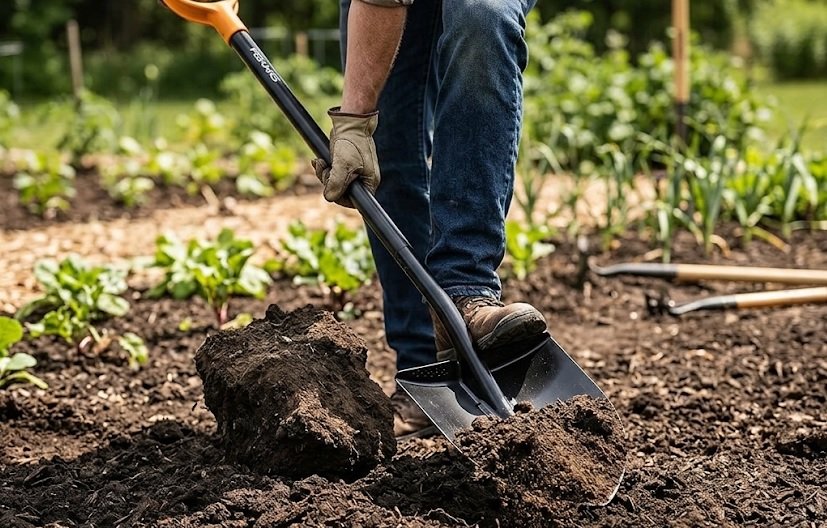
Fiskars Solid Steel Digging Shovel (Model: 38420-1001) – Best Overall Choice
The Fiskars Solid Steel Digging Shovel features a rust-resistant, heat-treated steel head that withstands heavy clay soil without bending. Its welded construction eliminates weak points where handles typically snap. Ideal for gardeners who need reliable performance for daily digging tasks. The ergonomic handle reduces wrist strain during extended use.
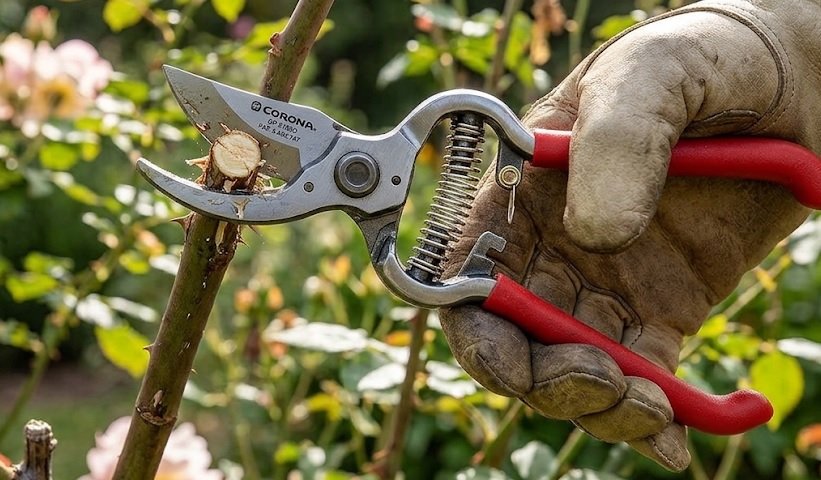
Corona ComfortGEL Bypass Pruner (Model: BP 3180) – Best for Precision Cutting
The Corona ComfortGEL Bypass Pruner delivers clean cuts on live branches up to ¾ inch thick. Its forged aluminum handles provide lightweight strength, while the replaceable blade system extends overall tool life. Recommended for rose enthusiasts and fruit tree owners who prioritize plant health through precise pruning techniques.
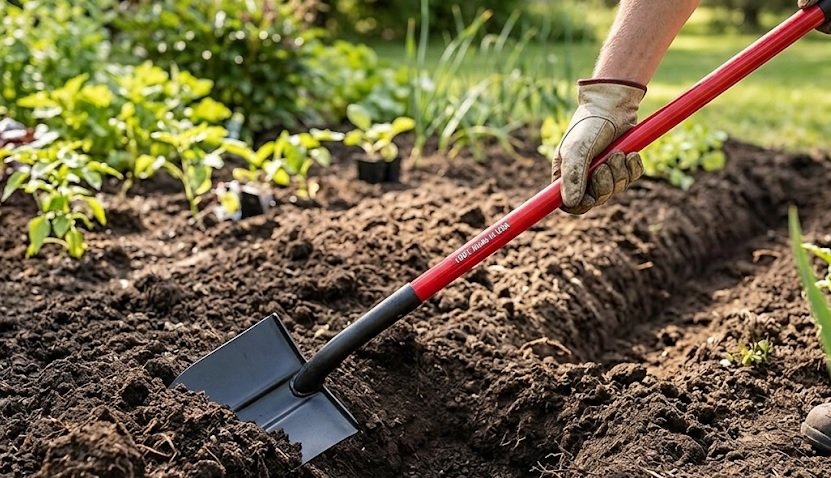
Bully Tools 92309 Round Point Shovel – Best Heavy-Duty Option
The Bully Tools 92309 comes with a 35-inch fiberglass handle and a 14-gauge steel blade backed by a limited lifetime warranty. This American-made tool handles rocky terrain and root-bound soil without flexing. Best option for professional landscapers or homeowners tackling major excavation projects. Its weight (5.5 pounds) provides momentum for easier penetration.
Factors That Determine Garden Tool Lifespan
Understanding what wears down your equipment helps you make informed purchasing decisions. Material quality, maintenance habits, and storage conditions all play critical roles in how long your tools remain functional.
Material Quality and Construction
Carbon steel blades outperform stainless steel in edge retention but require more rust prevention. Forged steel tools last significantly longer than stamped alternatives because the molecular structure is denser and more resistant to stress fractures.
- Heat-treated steel: Maintains sharpness 3x longer than untreated metal
- Hardwood handles: Ash and hickory offer superior shock absorption versus softwoods
- Fiberglass handles: Resist moisture damage but can become brittle in extreme cold
Maintenance Frequency and Technique
Cleaning tools after every use prevents sap, soil, and moisture from corroding metal surfaces. A simple 5-minute routine involving brushing, wiping, and light oiling adds years to your equipment’s functional life.
Sharpening blades twice per season reduces strain on both the tool and your body. Dull edges force you to apply extra pressure, which accelerates handle fatigue and increases the risk of bending or breaking.
Storage Conditions and Environmental Factors
Humidity is the number one enemy of garden tools. Tools stored in damp sheds or garages develop rust within weeks, especially if left dirty. Proper storage involves hanging tools vertically with blades facing downward to prevent moisture pooling.
Climate also impacts longevity. Coastal gardeners face accelerated corrosion from salt air, while desert gardeners deal with dried-out wooden handles. Adjust your maintenance schedule based on your local environment for optimal results.
Soil type matters too. Rocky or clay-heavy soil accelerates wear on digger blades and tines. Sandy soil, while gentler on metal, can act as sandpaper on wooden handles over time.
Average Lifespan by Tool Type and Usage
Different garden tools experience varying levels of stress during normal operation. Knowing the expected lifespan for each category helps you plan replacements and budget accordingly.
Hand Tools: Pruners, Trowels, and Cultivators
Quality hand tools typically last 8 to 12 years with regular maintenance. Bypass pruners with replaceable blades can extend their usefulness indefinitely, while anvil pruners may wear faster due to blade-to-anvil contact.
- Weekly use: Expect 5-7 years before handle fatigue or blade misalignment
- Occasional use: 10-15 years is realistic with proper storage
- Professional use: 3-5 years under daily commercial conditions
Digging Tools: Shovels, Spades, and Forks
Digging tools face the most physical stress in any garden toolkit. A quality shovel with a fiberglass handle lasts 7-10 years for home gardeners, while wooden-handled versions typically need replacement every 5-8 years.
The blade edge wears down faster in rocky soil, requiring sharpening or replacement. Stainless steel blades resist rust better but may bend more easily than carbon steel under heavy leverage.
Long-Handled Tools: Rakes, Hoes, and Brooms
These tools experience less direct stress but suffer from handle loosening over time. A well-made rake lasts 10-15 years, though tines may bend or break if used on frozen ground or gravel surfaces.
| Tool Type | Casual Use | Regular Use | Commercial Use |
|---|---|---|---|
| Pruners | 12+ years | 7-9 years | 3-5 years |
| Shovels | 10-12 years | 7-8 years | 2-4 years |
| Rakes | 15+ years | 8-10 years | 4-6 years |
| Hoes | 10-15 years | 6-8 years | 3-5 years |
Electric and battery-powered tools like string trimmers and hedge cutters have different lifespans, typically 5-8 years before motor or battery degradation becomes significant.
Proven Maintenance Methods to Extend Tool Life
Implementing a consistent maintenance routine is the single most effective way to maximize your garden tools’ lifespan. These proven methods require minimal time but deliver substantial long-term benefits.
Cleaning and Drying Protocols
Remove soil and plant debris immediately after each use using a stiff wire brush or putty knife. Never leave tools dirty overnight, as moisture trapped against metal accelerates corrosion dramatically.
- Rinse with water to remove loose debris
- Scrub with a wire brush to remove caked-on soil
- Dry thoroughly with a clean cloth or leave in direct sunlight
- Wipe metal surfaces with an oil-soaked rag for rust prevention
Sharpening Techniques for Different Blades
Use a mill file for digging tools and a whetstone for pruners and shears. Sharpen at the original factory angle to maintain proper cutting geometry and prevent premature blade wear.
For shovels and hoes, file the top edge of the blade only. Pruners require sharpening on the outer edge of the bypass blade while keeping the hook side untouched. Test sharpness by cutting a piece of paper — clean cuts indicate a properly honed edge.
Seasonal Storage and Rust Prevention
Before winter storage, clean all tools thoroughly and apply a light coat of linseed oil to wooden handles. Hang tools vertically with blades facing downward to prevent moisture accumulation in handle joints.
For long-term storage, consider dipping metal heads in a mixture of sand and motor oil. This creates a protective barrier against humidity while keeping the blade conditioned for spring use.
Inspect handles monthly for splinters, cracks, or loose fittings. Tighten any loose screws or rivets immediately to prevent catastrophic failure during use.
Signs Your Garden Tools Need Replacement
Recognizing when to retire a tool prevents injuries and ensures efficient gardening. Many gardeners hold onto worn equipment too long, compromising both safety and results.
Structural Damage Indicators
Cracks in wooden handles, bent metal shafts, or loose head fittings signal imminent failure. Never attempt to repair cracked handles with tape or glue, as these repairs fail under load and can cause serious injury.
- Handle splintering: Replace immediately to avoid painful splinters and breakage
- Bent blades: Attempting to straighten weakens the metal’s structural integrity
- Rust pitting: Deep corrosion creates weak points that snap under pressure
- Wobbly heads: Loose connections worsen with each use, leading to accidents
Performance Degradation Signs
When a shovel requires excessive force to penetrate soil, the blade has lost its cutting edge. Pruners that crush stems instead of cutting cleanly damage plant health and waste your time.
Rakes with bent tines leave debris behind, forcing repeated passes. Hoes that bounce off hard soil indicate dull edges that need replacement or professional sharpening.
Cost-Benefit Analysis of Repair vs. Replacement
Consider replacing any tool when repair costs exceed 50% of the replacement price. Simple fixes like replacing wooden handles on quality tools make economic sense; complex repairs on budget tools rarely do.
| Tool Condition | Repair Cost | Replacement Cost | Recommendation |
|---|---|---|---|
| Loose head | $8-15 | $30-50 | Repair |
| Cracked handle | $15-25 | $35-60 | Replace |
| Severe rust | $20+ | $40-70 | Replace |
| Bent blade | Not feasible | Varies | Replace |
Safety should always take priority over cost savings. A tool that fails mid-task can cause hand injuries, back strain, or worse.
Smart Buying Strategies for Maximum Tool Longevity
Purchasing the right tool initially saves money and frustration later. Understanding what separates durable equipment from disposable alternatives helps you invest wisely.
Material Selection Guide
Choose forged carbon steel for digging tools and stainless steel for pruning equipment. Carbon steel holds a sharper edge longer but requires diligent rust prevention, while stainless steel resists corrosion with less maintenance.
- Boron steel: Lighter than traditional steel with excellent strength-to-weight ratio
- Aluminum handles: Rust-proof but can bend under heavy leverage
- Composite handles: Weather-resistant and lightweight, ideal for humid climates
- Ash wood handles: Classic choice offering natural shock absorption
Warranty and Brand Reputation
Established manufacturers like Fiskars, Corona, and Bully Tools back their products with meaningful warranties. Lifetime warranties signal confidence in product durability and provide free replacement if tools fail under normal use.
Research customer reviews focusing on long-term performance rather than initial impressions. Look for patterns in complaints about handle breakage, blade bending, or rust development after several seasons of use.
Price vs. Value Considerations
The most expensive tool isn’t always the best value, but budget options rarely deliver long-term performance. Mid-range tools priced between $30-$60 typically offer the best balance of quality and affordability for home gardeners.
| Price Range | Expected Lifespan | Best For |
|---|---|---|
| Under $15 | 1-3 years | Light occasional tasks |
| $15-$30 | 3-6 years | Casual gardeners |
| $30-$60 | 7-12 years | Regular home use |
| $60+ | 12-20 years | Professionals and enthusiasts |
Consider ergonomic designs that reduce strain on your body. A comfortable tool encourages proper technique, which prevents both user fatigue and tool damage.
Seasonal Maintenance Calendar for Garden Tools
Creating a year-round maintenance schedule prevents costly replacements and keeps your equipment ready for every gardening task. Each season brings unique challenges that require specific attention.
Spring Preparation and Inspection
Begin the season by inspecting all tools for winter damage, rust, or loose handles. Sharpen all cutting edges before the first use to ensure clean cuts that promote healthy plant growth.
- Clean and oil all metal surfaces to remove winter moisture damage
- Tighten loose screws and replace worn washers on pruners and shears
- Sand wooden handles and apply fresh linseed oil for weather protection
- Test tool balance to identify any structural weaknesses before heavy use
Summer Maintenance Routines
Hot weather and heavy use require more frequent cleaning and lubrication. Wipe tools after each use to remove sap, which becomes sticky and corrosive in high temperatures.
Keep a bucket of sand mixed with vegetable oil near your work area. Plunging tools into this mixture cleans and conditions blades simultaneously, making maintenance effortless during busy gardening periods.
Fall Cleaning and Winter Storage
Before storing tools for winter, perform a thorough cleaning and apply protective coatings. Disinfect pruning tools with rubbing alcohol to prevent spreading plant diseases between seasons.
- Remove all soil and plant debris using a wire brush
- Wash with mild soap and dry completely to prevent rust formation
- Apply rust inhibitor or light machine oil to all metal parts
- Hang tools vertically in a dry, ventilated storage area
- Cover cutting edges with blade guards or cardboard sleeves
For wooden handles, apply a final coat of boiled linseed oil before winter. This prevents drying and cracking caused by low humidity and temperature fluctuations.
Common Mistakes That Shorten Tool Lifespan
Avoiding common errors extends your equipment’s functional years significantly. Many gardeners unknowingly damage their tools through improper use or neglect, reducing durability dramatically.
Using Tools for the Wrong Purpose
Using a spade to pry rocks or a pruner to cut wire creates stress fractures that lead to premature failure. Each tool is designed for specific tasks, and misuse voids warranties while accelerating wear.
- Never pry with digging tools — lateral pressure bends blades and loosens heads
- Avoid cutting roots with pruners — use loppers or a root saw instead
- Don’t use rakes on gravel — tines bend and lose tension permanently
- Keep hoes away from concrete — abrasive surfaces dull edges rapidly
Improper Cleaning and Drying Habits
Leaving tools dirty overnight allows sap and soil to harden, creating corrosive conditions. Power washing may seem efficient but forces water into handle joints and accelerates wood deterioration.
Storing tools wet is equally damaging. Moisture trapped against metal surfaces creates rust within hours, especially in humid environments. Always dry tools completely before hanging them for storage.
Neglecting Moving Parts and Connections
Pruners, loppers, and shears require regular lubrication at pivot points. Dry joints create friction that wears metal surfaces and makes cutting increasingly difficult over time.
| Neglect Issue | Consequence | Prevention |
|---|---|---|
| Dry pivot joints | Metal wear and stiffness | Oil monthly during active season |
| Loose handle fittings | Head detachment during use | Tighten screws before each session |
| Rust on blades | Poor cutting performance | Wipe with oil after cleaning |
| Cracked handles | Sudden breakage and injury | Inspect monthly and replace promptly |
Ignoring minor issues allows them to escalate into major problems. A loose screw tightened today prevents a broken handle next month.
Conclusion: Maximizing Your Garden Tools’ Lifespan
Garden tools last between 5 and 15 years when you prioritize material quality, consistent maintenance, and proper storage. Understanding wear patterns and replacement signs helps you invest wisely in equipment that serves you reliably.
The best investment you can make is regular care, not just higher spending. A 10-minute cleaning routine after each use prevents most premature failures and keeps your tools performing like new.
Start implementing these proven methods today. Assess your current toolkit, schedule seasonal maintenance, and replace any damaged equipment before your next gardening session. Your future self will thank you with smoother, safer, and more enjoyable gardening experiences.
Frequently Asked Questions about Garden Tool Lifespan
How often should I sharpen my garden tools?
Sharpen cutting tools like pruners, hoes, and shovels at least twice per growing season. Tools used weekly in heavy soil may require monthly sharpening to maintain optimal performance and reduce strain.
Test sharpness by attempting to cut a sheet of paper. Clean cuts indicate a proper edge, while tearing suggests it is time to file or hone the blade. Regular sharpening extends overall tool life significantly.
What is the best way to remove rust from garden tools?
Use a wire brush or steel wool to remove loose rust, then soak the affected area in white vinegar overnight. Scrub remaining corrosion with a stiff brush and rinse thoroughly with water.
Dry completely and apply a protective oil coating to prevent future rust formation. For heavily corroded tools, consider electrolysis or commercial rust removers to restore the metal surface effectively.
Which is better for garden tools: wood or fiberglass handles?
Wooden handles offer superior shock absorption and a classic feel but require regular oiling and can crack in extreme weather. Fiberglass handles resist moisture and temperature damage while providing comparable strength.
Choose fiberglass for wet climates or heavy digging tasks, and select ash or hickory wood for general gardening when you prefer traditional aesthetics. Both materials last 5-10 years with proper care.
How should I store garden tools during winter?
Clean all tools thoroughly, apply rust inhibitor, and coat wooden handles with linseed oil before storage. Hang tools vertically in a dry, ventilated shed or garage to prevent moisture accumulation.
Avoid storing tools directly on concrete floors, as moisture seeps through and promotes rust. Cover cutting edges with guards or cardboard sleeves to protect both the blades and anyone reaching for them.
Why do my pruners stop cutting cleanly after a few months?
Dull blades, loose pivot bolts, or dried sap on cutting surfaces cause poor performance. Disassemble the pruners, clean all parts with solvent, and lubricate the pivot point with light oil.
Sharpen the bypass blade at the original factory angle using a whetstone. If blades have nicks or damage, replace them if your model offers replaceable parts rather than purchasing new pruners.
What is the average lifespan of a quality garden shovel?
A well-maintained shovel with a fiberglass handle lasts 7-10 years for home gardeners, while wooden-handled versions typically last 5-8 years. Professional landscapers may replace shovels every 2-4 years due to heavy daily use.
Stainless steel blades resist rust but may bend under extreme leverage. Carbon steel blades hold edges longer but require diligent rust prevention, especially in humid climates or coastal areas.
How can I tell if my garden tools need replacing?
Replace tools with cracked handles, bent blades, severe rust pitting, or loose heads that cannot be tightened. Performance issues like excessive force requirements or crushed stems indicate worn cutting edges beyond sharpening.
If repair costs exceed 50% of replacement price, invest in new equipment. Safety concerns always justify replacement, as failing tools can cause serious injuries during use.
Does using a tool bag or storage rack extend tool lifespan?
Yes, proper storage systems protect tools from environmental damage and physical impact. Tool bags keep cutting edges covered and prevent handles from absorbing moisture when stored in damp locations.
Wall-mounted racks allow air circulation around tools, reducing rust formation. Investing in organized storage prevents accidental damage and makes maintenance routines easier to follow consistently.