
Wondering when should you buy a new lawn mower? The ideal moment is before your current machine fails completely, ideally during off-season sales. This timing saves you money and prevents the frustration of a dead mower in tall grass.
In this complete guide, we break down the critical signs of mower failure and the best seasonal windows for purchasing. You will learn proven methods to evaluate repair costs versus replacement value. Keep reading to master the art of timely mower upgrades and avoid common, costly mistakes.
Best Lawn Mowers for Timely Replacement – Top Picks
When the time comes to buy, choosing the right model is critical. We have analyzed the market to bring you the **best lawn mowers** for reliability, performance, and value. These recommendations cater to different yard sizes and budgets, ensuring you find the perfect fit for your needs.
Toro Recycler 20333 – Best Overall Choice
The **Toro Recycler 20333** is our top recommendation for most homeowners. Its innovative Personal Pace self-drive system automatically adjusts to your walking speed, making mowing effortless. The powerful 163cc engine handles thick grass easily, while the recycler cutting deck returns nutrients to your lawn. This is the **best option** for medium to large yards seeking durability and convenience.
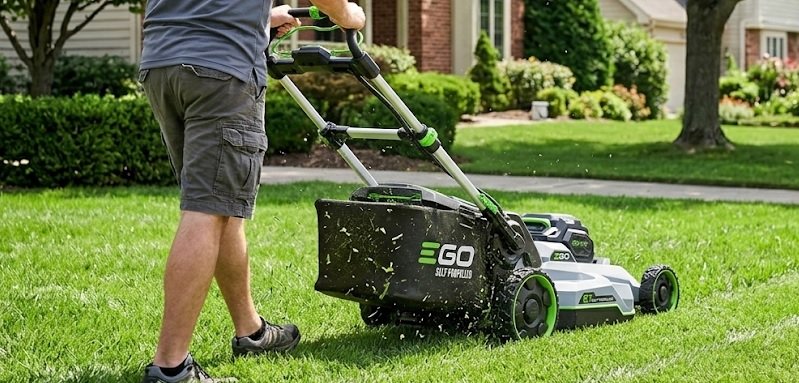
EGO Power+ LM2135SP – Best for Eco-Conscious Users
For those ready to ditch gas, the **EGO Power+ LM2135SP** is the **recommended** choice. This 21-inch cordless mower delivers impressive power with zero emissions and minimal noise. The 56-volt ARC lithium battery provides up to 60 minutes of run time, and the touch-drive system offers variable speed control. It is **ideal for** suburban yards where quiet operation and low maintenance are priorities.
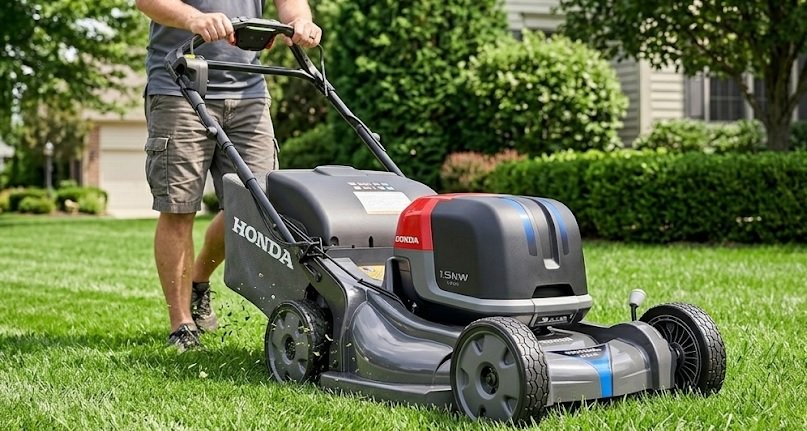
Honda HRX217VKA – Best for Premium Performance
If you demand the highest quality, the **Honda HRX217VKA** is the **best option** for precision cutting. Its exclusive MicroCut twin-blade system creates a fine mulch that disappears into the turf, eliminating clippings. The powerful GCV200 engine starts reliably and runs smoothly. While pricier, this model offers superior build quality and is **ideal for** homeowners who view mowing as a craft.
Key Signs Your Lawn Mower Needs Replacement
Knowing when to replace your mower isn’t always obvious. Many homeowners wait until the machine completely breaks down, leading to rushed decisions and poor purchases. Here are the definitive indicators that it’s time to shop for a new model.
Declining Performance and Cutting Quality
If your mower leaves uneven patches or requires multiple passes, performance has degraded significantly. **Excessive vibration** during operation is another red flag, indicating engine or blade shaft damage.
- Smoke emissions: Blue or black smoke signals serious engine wear.
- Difficulty starting: Multiple pulls or a faulty electric starter indicate end-of-life.
- Fuel inefficiency: Dramatically increased consumption means the engine is struggling.
Repair Costs Outweigh Replacement Value
A simple rule applies here: if repairs cost more than 50% of a new mower’s price, **replacement is the smarter financial choice**. Consider the mower’s age as well. A machine over seven years old will likely need more frequent repairs.
Key Takeaway: If your mower needs a new engine, transmission, or deck replacement, buying new is almost always the better option.
Safety Hazards and Structural Damage
Rust and corrosion on the deck can weaken the structure, creating dangerous flying debris. Cracked wheels or a bent frame compromise stability and control. Furthermore, exposed wiring or a damaged pull cord presents serious injury risks. These safety concerns make immediate replacement a necessity rather than a luxury.
Once you notice these signs, use our product recommendations above to begin your search. The next section covers the best times of year to purchase for maximum savings.
Best Time of Year to Buy a Lawn Mower for Maximum Savings
Timing your purchase strategically can save you hundreds of dollars. Retailers follow predictable pricing cycles based on seasonal demand. Understanding this calendar ensures you get the **best lawn mower deals** without sacrificing quality.
Off-Season Purchasing: Late Summer and Fall
The period from **August through October** offers the deepest discounts of the year. Dealers need to clear inventory to make room for snow blowers and leaf equipment. You can typically save 20-30% off spring prices during this window.
- Labor Day sales: Major retailers offer significant markdowns on remaining stock.
- End-of-model-year clearance: Last year’s models get steep price reductions.
- Floor models: Display units are often sold at 40% off or more.
Spring Buying: Convenience Over Cost
If your mower dies in April, you cannot wait for fall. Spring purchases offer the widest selection but come at **premium pricing**. You will pay full retail for the latest models with updated features.
| Season | Price Advantage | Selection | Best For |
|---|---|---|---|
| Late Summer/Fall | 20-30% off | Limited | Budget shoppers |
| Spring | Full price | Complete | Specific models |
| Winter | Varies | Very limited | Online deals |
Holiday Weekends and Clearance Events
**Memorial Day, Fourth of July, and Black Friday** often feature doorbuster deals on lawn equipment. Online retailers like Amazon frequently offer lightning deals on cordless models. Sign up for manufacturer newsletters to receive exclusive discount codes and early sale notifications.
Pro Tip: If you can wait until September, you will maximize your savings. Most major brands release new models in January, making fall inventory obsolete and deeply discounted.
How to Extend Your Lawn Mower’s Lifespan
Proper maintenance can delay the need for a new purchase by years. Most premature mower failures stem from neglect and simple oversights. Implementing a routine care schedule is the **proven method** to maximize your investment.
Essential Seasonal Maintenance Checklist
Performing these tasks at the start and end of each mowing season prevents costly breakdowns. Consistency is more important than complexity when it comes to equipment care.
- Change the oil: Replace engine oil every 50 hours of use or annually, whichever comes first.
- Sharpen the blade: A sharp blade cuts cleanly, reducing strain on the engine and preventing disease.
- Replace the air filter: A clogged filter restricts airflow, causing poor combustion and power loss.
- Clean the undercarriage: Remove grass buildup to prevent rust and maintain deck efficiency.
Proper Storage Techniques
How you store your mower during winter significantly impacts its spring performance. **Fuel stabilizer** is essential for gas-powered models to prevent ethanol damage. Drain the fuel tank or run the engine dry before long-term storage.
- Indoor storage: A garage or shed protects against moisture and extreme temperature swings.
- Battery care: Remove and charge batteries every 60 days for electric models.
- Cover protection: Use a breathable mower cover to shield against dust and debris.
When Maintenance Becomes Counterproductive
Even diligent owners reach a point where repairs no longer make sense. Track your annual maintenance costs. If you are spending over $150 per year on a machine older than eight years, replacement is financially wiser.
Key Takeaway: A well-maintained mower lasts 8-10 years. Keep a maintenance log to track costs and objectively determine when buying new becomes the better choice.
Choosing the Right Mower Type for Your Yard
Selecting the correct mower category prevents premature wear and buyer’s remorse. The wrong machine struggles with your terrain, leading to frequent breakdowns. Matching equipment to your specific lawn conditions is essential for long-term satisfaction.
Push Mowers vs. Self-Propelled Models
Manual push mowers suit flat yards under a quarter acre. They are lightweight, affordable, and provide excellent exercise. However, **self-propelled mowers** are the **recommended** choice for sloped terrain or lawns exceeding 3,000 square feet.
| Yard Size | Mower Type | Time to Mow |
|---|---|---|
| Under 1/4 acre | Push mower | 30-45 minutes |
| 1/4 to 1/2 acre | Self-propelled | 45-60 minutes |
| 1/2 to 1 acre | Riding mower | 60-90 minutes |
| Over 1 acre | Zero-turn | Under 60 minutes |
Gas vs. Electric vs. Battery-Powered
The power source significantly impacts maintenance, cost, and environmental footprint. **Gas mowers** deliver maximum torque but require regular oil changes and fuel management. **Corded electric models** offer unlimited runtime but limit your range. **Battery-powered mowers** provide cordless convenience with zero emissions, though runtime is capped at 45-75 minutes per charge.
- Gas: Best for large yards and thick, wet grass.
- Battery: Ideal for suburban lots under 1/2 acre.
- Corded: Budget-friendly for small, flat lawns.
Deck Width and Cutting Height Adjustments
Wider decks reduce mowing time but may struggle with narrow gates. A 21-inch deck is standard for residential use. Ensure the mower offers **multiple cutting height positions** to adapt to seasonal grass growth.
Key Takeaway: Measure your yard and identify obstacles before purchasing. This prevents buying an oversized machine that is difficult to maneuver or an underpowered model that strains on every pass.
Budget Considerations and Financing Options
Your budget heavily influences when you should buy a new lawn mower. Setting a realistic price range narrows your options and prevents overspending. Understanding financing choices also expands your purchasing power during peak seasons.
Setting a Realistic Price Range
Entry-level push mowers start around $200, while premium self-propelled models range from $500 to $800. **Zero-turn mowers** command $2,500 to $5,000 for large properties. Determine your maximum spend before visiting retailers to avoid impulse purchases.
- Under $300: Basic push mowers for small, flat yards.
- $300-$600: Quality self-propelled gas and battery models.
- $600-$1,000: Premium features like electric start and aluminum decks.
- $1,000+: Commercial-grade durability and wide cutting decks.
Retailer Financing and Promotional Offers
Many big-box retailers offer **0% APR financing** for 12 to 24 months on purchases over $499. This makes higher-end mowers accessible without immediate full payment. However, read the fine print carefully to avoid deferred interest penalties.
Manufacturer promotions often include free accessories like mulching kits or baggers. These add-ons can save you $50 to $150 in separate costs. Combine these offers with seasonal discounts for maximum value.
Used Mowers: Worth the Risk?
Buying used can save 40-50% off retail, but it carries significant risks. **Inspect the deck for rust** and check compression before purchasing. Ask for maintenance records and verify the hour meter reading.
Key Takeaway: A used mower under three years old with documented maintenance is a smart buy. Anything older or without service records is a gamble that may cost more in repairs than a new model.
Trade-in programs at dealerships can also reduce costs. Many dealers offer $50-$150 credit for your old mower, regardless of condition. This simple step lowers your out-of-pocket expense while responsibly disposing of your old equipment.
Where to Buy: Retailers vs. Online vs. Dealerships
Your purchase location affects price, warranty support, and after-sales service. Each option offers distinct advantages depending on your priorities. Understanding these differences helps you secure the **best lawn mower deals** with confidence.
Big-Box Retailers: Price and Convenience
Stores like Home Depot, Lowe’s, and Walmart offer the lowest prices and frequent seasonal promotions. Their massive inventory ensures immediate availability during peak spring demand. However, assembly quality varies, and staff expertise is often limited to basic specifications.
- Pros: Competitive pricing, easy returns, instant gratification.
- Cons: Limited service departments, minimal assembly precision.
- Best for: Budget-conscious buyers comfortable with DIY setup.
Online Marketplaces: Selection and Reviews
Amazon and manufacturer websites provide access to **exclusive models** and customer reviews. Free shipping often applies to larger purchases, and price comparison is effortless. The downside is that you cannot test the mower before buying.
Check the seller’s return policy carefully. Some online retailers charge restocking fees for returned lawn equipment. Also, factor in delivery time, which can range from a few days to several weeks depending on stock levels.
Local Dealerships: Expertise and Service
Independent dealers offer unmatched product knowledge and comprehensive after-sales support. They perform professional pre-delivery inspection and setup. This ensures your mower arrives properly assembled, tuned, and ready to use.
| Factor | Big-Box | Online | Dealership |
|---|---|---|---|
| Price | Lowest | Moderate | Highest |
| Selection | Limited | Extensive | Curated |
| Service | Minimal | None | Excellent |
| Warranty | Standard | Standard | Enhanced |
Key Takeaway: If you value long-term support and proper assembly, pay a premium at a dealership. If price is your primary concern, big-box retailers offer the best value with acceptable quality.
Warranty Coverage and After-Purchase Support
Understanding warranty terms protects your investment long after purchase. Most manufacturers offer limited warranties covering defects, not normal wear. Knowing what is included prevents unexpected out-of-pocket expenses.
Standard Warranty Terms Explained
Residential mowers typically include a **3-year limited warranty** covering the entire machine. The engine often carries a separate 3-year warranty from the engine manufacturer. Batteries on electric models usually have a shorter 2-year coverage period.
- Frame and deck: Usually covered for 5 years on premium models.
- Consumable parts: Blades, belts, and filters are excluded from coverage.
- Commercial use: Warranty drops to 90 days if used for business purposes.
Registering Your Warranty Immediately
Many buyers forget to register their mower online after purchase. This simple step activates your coverage and ensures faster claims processing. Keep your receipt and model number stored in a safe place for reference.
Some manufacturers offer extended warranties for an additional fee. These plans cover labor costs beyond the standard period. Evaluate whether the extra cost makes sense based on your mower’s expected lifespan and usage intensity.
Dealer Support vs. Direct Manufacturer Claims
If you purchased from a dealership, they typically handle warranty claims in-house. This streamlined process saves you shipping costs and time. For online purchases, you may need to contact the manufacturer directly and arrange freight shipping for repairs.
Key Takeaway: Always register your warranty within 30 days of purchase. Document any issues immediately and contact support before attempting DIY repairs, as unauthorized modifications void coverage.
Check whether your credit card extends the manufacturer warranty. Many premium cards double the coverage period up to one additional year. This free benefit adds significant protection without extra cost.
Conclusion: When Should You Buy a New Lawn Mower
Knowing **when to buy a new lawn mower** ultimately comes down to recognizing repair costs, safety hazards, and seasonal pricing windows. By tracking maintenance expenses and watching for performance decline, you avoid emergency purchases at full price.
Your best strategy is to plan ahead and shop during late summer clearance events. **Match your mower type to your yard size** and budget for long-term satisfaction.
Use this guide to make a confident, informed decision. Your lawn deserves reliable equipment, and you deserve a stress-free mowing season ahead.
Frequently Asked Questions about When to Buy a New Lawn Mower
How many years should a lawn mower last?
A well-maintained residential lawn mower typically lasts **8 to 10 years**. Push mowers with basic engines often reach the lower end, while premium self-propelled models can exceed a decade. Electric mowers generally last 5 to 7 years due to battery degradation.
Your maintenance habits significantly impact longevity. Regular oil changes, blade sharpening, and proper winter storage can add several years to your mower’s usable life. Neglect accelerates wear and forces earlier replacement.
Is it worth repairing a 10-year-old lawn mower?
Generally, no. If your mower is a decade old and requires major repairs exceeding $100, replacement is the smarter financial choice. Older machines often need multiple repairs annually, creating a cycle of ongoing expenses.
Consider the repair cost against 50% of a new mower’s price. A $150 repair on a $300 new mower is worth considering. However, a $200 repair on a 10-year-old model is money wasted on an aging machine.
What is the cheapest month to buy a lawn mower?
**September and October** offer the lowest prices of the year. Retailers clear summer inventory to make room for fall and winter equipment. You can find discounts of 20-30% off spring pricing during these months.
Black Friday and Cyber Monday also feature significant markdowns on remaining stock. However, selection becomes limited by November. Shop early in the fall for the best combination of price and availability.
Should I buy a gas or electric lawn mower in 2025?
Electric mowers are the **recommended choice** for most suburban homeowners in 2025. Battery technology has improved dramatically, offering 45-75 minutes of runtime with zero emissions. They require less maintenance and are significantly quieter than gas models.
Choose gas if you have a yard over half an acre or deal with thick, wet grass. Gas mowers deliver unlimited runtime and superior torque. However, factor in ongoing fuel and oil costs when comparing total ownership expenses.
How do I know if my mower blade needs replacing?
Inspect your blade for **visible damage** like large nicks, bends, or cracks. A blade that has been sharpened multiple times becomes thin and weak, increasing the risk of breakage. Replace blades that show significant wear or damage.
Performance indicators include torn grass tips and uneven cutting patterns. If sharpening no longer restores a clean cut, replacement is necessary. Most homeowners replace blades every 2-3 years with regular seasonal sharpening.
Can I trade in my old lawn mower for a discount?
Yes, many dealerships offer **trade-in programs** worth $50 to $150 depending on your mower’s condition and model. Big-box retailers rarely offer this option, so visit local dealers for the best trade-in value.
Some manufacturers run seasonal promotions with enhanced trade-in credits. Call ahead to confirm participation and required documentation. Even a non-running mower may qualify for a small credit toward your new purchase.
What size lawn mower do I need for my yard?
Measure your lawn area to determine the appropriate mower size. Yards under 1/4 acre work best with a 20-21 inch push mower. Properties between 1/4 and 1/2 acre benefit from self-propelled models with wider decks.
For lawns exceeding half an acre, consider a riding mower or zero-turn model with a 42-54 inch deck. Larger decks reduce mowing time but require more storage space and a higher budget.
Why does my lawn mower smoke when I start it?
A small puff of smoke on startup is normal for gas mowers, especially after storage. This occurs when oil seeps past the piston rings into the cylinder. The smoke clears within seconds as the engine warms up.
Continuous or heavy smoke indicates serious problems. Blue smoke signals burning oil from worn rings or overfilled oil. Black smoke suggests a clogged air filter or rich fuel mixture. Address these issues promptly to prevent engine damage.