
Choosing the right lawn mower type—gas, electric, or battery—determines your mowing experience and yard health. This complete guide breaks down the pros and cons of each power source to simplify your decision. We focus on matching the mower to your specific lawn size and lifestyle.
You will learn the key differences in power output, maintenance requirements, and long-term costs. We also provide expert tips on noise levels and environmental impact to consider. By the end, you will have the proven methods to select the perfect mower for your property. Let’s dive in to find your ideal mowing solution.
Best Lawn Mowers for Every Yard – Detailed Comparison
Selecting the perfect mower is easier when you see top-rated models side-by-side. We have analyzed the market to bring you three standout performers. Each option excels in different categories, ensuring you find the best option for your specific needs.
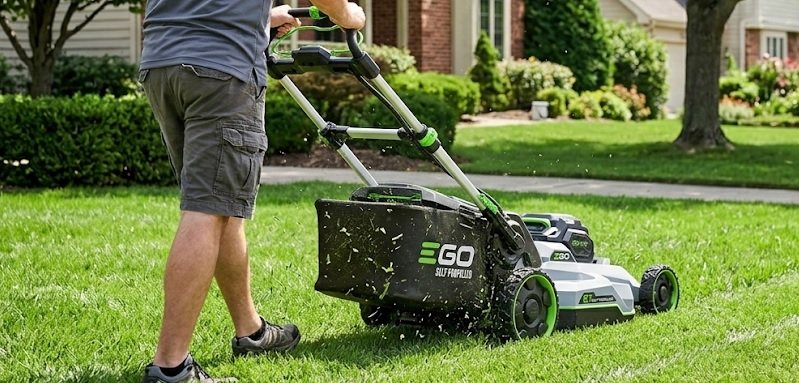
EGO Power+ LM2135SP – Best Battery-Powered Option
The EGO Power+ LM2135SP features a 21-inch steel deck with self-propelled rear-wheel drive. This mower delivers up to 60 minutes of runtime from a single 56V ARC Lithium battery. It is the recommended choice for medium to large yards up to half an acre. Its variable speed control and push-button start make it ideal for effortless mowing.
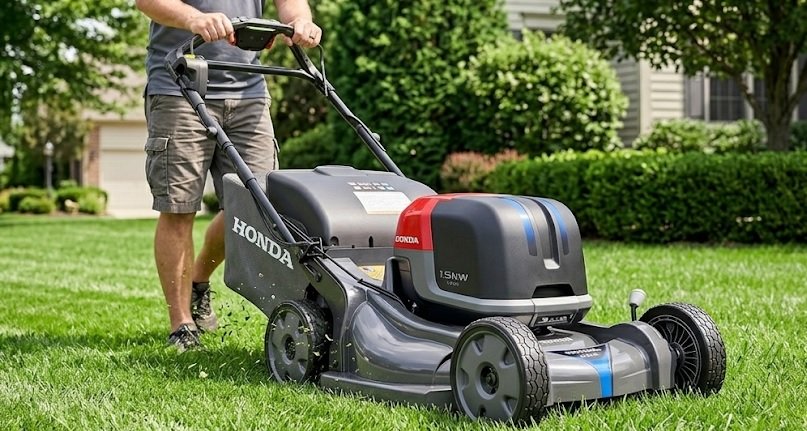
Honda HRX217VKA – Best Gas Mower for Durability
The Honda HRX217VKA is powered by the reliable GCV200 engine, offering exceptional cutting performance. Its exclusive Versamow System allows you to mulch, bag, or discharge with a simple lever adjustment. This model is the best option for homeowners who prioritize longevity and superior bagging capability. It is ideal for tackling thick, wet grass without clogging or stalling.
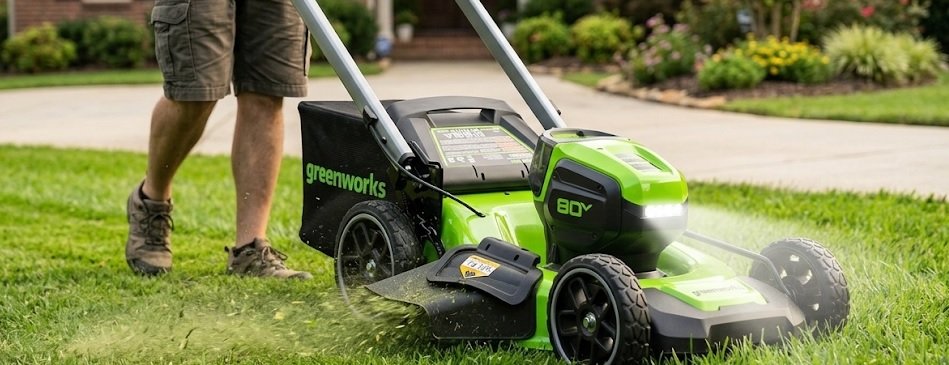
Greenworks Pro 80V 21-Inch – Best Value Electric Mower
The Greenworks Pro 80V offers incredible power without the hassle of gas or cords. It features a brushless motor that provides up to 45 minutes of runtime and 5-in-1 versatility. This is the recommended mower for eco-conscious users seeking a lightweight yet powerful machine. It is the perfect middle ground for small to medium lawns seeking zero emissions.
Comparing Power Sources: Performance, Cost, and Maintenance
Understanding the core differences between gas, electric, and battery mowers is crucial for a smart purchase. Each power source offers unique benefits that cater to different lawn sizes and user preferences. Let’s break down the critical factors that impact your daily mowing routine.
Power and Runtime Capabilities
Gas mowers typically provide the highest torque and unlimited runtime, making them ideal for large properties. Battery models, like the EGO Power+ LM2135SP, offer 45-60 minutes of run time, which is sufficient for most urban lots. Corded electric mowers deliver consistent power but are limited by a 100-foot extension cord range.
Maintenance and Operating Costs
- Gas Mowers: Require oil changes, air filter replacements, and spark plug checks. Annual fuel and maintenance costs average between $100-$200.
- Battery Mowers: Demand minimal upkeep, but replacement batteries cost $200-$400 every 3-5 years.
- Electric Corded: Have the lowest maintenance with no fluids or batteries, but you must manage the cord.
Noise and Environmental Impact
Gas engines produce up to 95 decibels of noise, which can disturb neighbors and require hearing protection. Battery and electric mowers operate at a quieter 70-75 decibels, allowing for early morning mowing. Additionally, battery and electric options produce zero emissions, making them the eco-friendly choice for sustainability-minded homeowners.
This comparison highlights that your lawn size and personal priorities should dictate your mower selection. Consider the long-term costs of batteries versus fuel when making your final decision.
Choosing the Right Mower for Your Lawn Size and Terrain
Your lawn’s specific characteristics should heavily influence your mower selection. A half-acre property with steep slopes requires different equipment than a flat quarter-acre lot. Assessing your terrain before purchasing prevents frustration and ensures optimal cutting performance.
Matching Mower Type to Yard Size
For yards under a quarter-acre, a corded electric mower offers the most affordable entry point. Battery mowers shine in the quarter to half-acre range, providing cordless freedom without excess weight. Gas mowers remain the recommended choice for properties exceeding half an acre where runtime and raw power become essential.
| Yard Size | Recommended Mower Type | Key Advantage |
|---|---|---|
| Under ¼ acre | Corded Electric | Lowest cost, zero maintenance |
| ¼ to ½ acre | Battery-Powered | Quiet, cordless convenience |
| Over ½ acre | Gas-Powered | Unlimited runtime, high torque |
Navigating Slopes and Uneven Ground
Self-propelled mowers are essential for sloped properties, reducing physical strain significantly. Look for rear-wheel drive models like the Honda HRX217VKA for superior traction on inclines. For flat, small lawns, a lightweight push mower under 50 pounds offers easier maneuverability and storage.
Key Features to Prioritize
- Deck Width: Wider 21-inch decks cut more grass per pass, reducing mowing time by up to 25%.
- Mulching Capability: Choose mowers with dedicated mulching blades to return nutrients to your soil.
- Adjustable Cutting Heights: Look for 7-position or greater adjustment range to handle seasonal grass variations.
Terrain complexity and lot size ultimately determine which mower delivers the best user experience. Prioritize your specific mowing conditions over brand popularity when making your final selection.
Long-Term Cost Analysis: Which Mower Saves You More Money?
Beyond the sticker price, your mower’s total ownership cost determines its true value. Factoring in fuel, maintenance, and replacement parts reveals significant differences between power sources. Understanding these expenses helps you make a financially sound decision that fits your budget.
Upfront Purchase Price vs. Lifetime Value
Corded electric mowers offer the lowest entry cost at $150-$300, making them accessible for budget-conscious buyers. Battery mowers typically range from $400-$800, while quality gas models fall between $300-$700. However, the initial savings on gas mowers often diminish with ongoing fuel and oil expenses.
Annual Operating Expenses Breakdown
- Gas Mowers: $60-$120 yearly for fuel, oil, and air filters.
- Battery Mowers: $0 for fuel, but factor in electricity costs of roughly $5-$10 annually.
- Corded Electric: Nearly zero operating costs beyond basic blade sharpening.
Replacement Parts and Battery Degradation
Battery packs represent the most significant long-term expense for electric mowers. Most lithium-ion batteries last 3-5 years before requiring replacement, costing $200-$400 per pack. Gas engines, with proper maintenance, can last 10+ years, but component replacements like carburetors and starters add up over time.
Warranty Coverage as a Cost Factor
Battery mowers typically include 3-5 year warranties on the tool and battery, offering peace of mind. Gas mower warranties usually cover 3 years but exclude wear items like blades and belts. Always verify warranty terms before purchasing to avoid unexpected repair costs.
Your long-term budget should guide your mower selection as much as upfront pricing. Consider the total cost of ownership over five years, not just the initial purchase.
Environmental Impact and Sustainability Considerations
Your mower choice directly affects your carbon footprint and local air quality. Gas-powered mowers emit significant pollutants, while electric options offer cleaner operation. Understanding these environmental factors helps you make an eco-conscious decision without sacrificing performance.
Emissions and Air Quality Comparison
A single gas mower operating for one hour produces emissions equivalent to driving a car for 100 miles. These emissions include carbon monoxide, nitrogen oxides, and volatile organic compounds that contribute to smog. Battery and corded electric mowers produce zero direct emissions, making them the clear environmental winner.
Noise Pollution and Community Impact
- Gas Mowers: Operate at 90-95 decibels, potentially causing hearing damage with prolonged exposure.
- Battery Mowers: Run quietly at 70-75 decibels, comparable to a normal conversation.
- Corded Electric: Similar quiet operation, ideal for noise-sensitive neighborhoods.
Battery Production and Disposal Concerns
While battery mowers eliminate operational emissions, their lithium-ion batteries require resource-intensive manufacturing. Proper battery recycling programs are essential to minimize environmental impact at end-of-life. Most major manufacturers now offer take-back programs for spent batteries, reducing landfill waste.
Energy Source Considerations
The environmental benefit of electric mowers depends on your local power grid’s energy mix. Regions powered by renewable sources amplify the eco-friendly advantages of battery mowers. Corded models avoid battery manufacturing impacts but still rely on grid electricity.
Choosing a mower with lower emissions benefits both your community and the planet. Prioritize sustainability alongside performance to make a responsible purchasing decision.
Ease of Use and User Experience: Which Mower Fits Your Lifestyle?
Your mowing experience extends beyond cutting grass—it involves starting, maneuvering, and storing your equipment. The right mower should simplify your routine rather than complicate it. Evaluating usability factors ensures you select a machine that matches your physical capabilities and preferences.
Starting and Operation Convenience
Gas mowers often require pull-start mechanisms that can be difficult for some users, especially after long storage periods. Battery and electric mowers feature push-button or key-start operations that eliminate this frustration entirely. The EGO Power+ LM2135SP exemplifies this convenience with its instant start and variable speed control.
Weight and Maneuverability Factors
- Gas Mowers: Typically weigh 60-90 pounds, making them heavy to push and transport.
- Battery Mowers: Range from 40-70 pounds, offering a lighter alternative with similar power.
- Corded Electric: Often the lightest at 30-50 pounds, ideal for smaller users.
Storage and Charging Requirements
Gas mowers require space for fuel storage and proper ventilation to prevent fumes. Battery mowers need a charging station and protection from extreme temperatures for optimal battery health. Corded models demand minimal storage space but require access to outdoor electrical outlets.
Learning Curve and Accessibility
Electric mowers generally require less mechanical knowledge than gas models, making them more accessible to first-time owners. Self-propelled features on models like the Honda HRX217VKA reduce physical effort on slopes and long stretches. Always test the mower’s handle height and controls before purchasing to ensure comfortable operation.
Your physical comfort and willingness to perform maintenance should guide your mower selection. Prioritize ease of use to make lawn care an enjoyable part of your weekly routine.
Cutting Performance and Grass Quality: What to Expect
The quality of your cut directly impacts your lawn’s health and appearance. Different mower types handle grass conditions uniquely, affecting everything from blade sharpness to discharge patterns. Understanding cutting performance helps you achieve that professional, manicured look.
Cutting Deck Design and Grass Flow
Gas mowers typically feature larger 21-22 inch decks with higher horsepower for superior grass flow. Battery mowers like the EGO Power+ LM2135SP now match this performance with advanced brushless motors. The deck’s design determines how efficiently grass is lifted, cut, and discharged or mulched.
Mulching and Bagging Capabilities
- Gas Mowers: Excel at mulching with dedicated blades that finely chop clippings for rapid decomposition.
- Battery Mowers: Offer reliable mulching but may struggle with very thick, wet grass.
- Corded Electric: Provide adequate mulching for small lawns but lack the torque for heavy conditions.
Handling Different Grass Types and Conditions
The Honda HRX217VKA features the Versamow system that adapts to various grass conditions seamlessly. Battery mowers perform best on dry, maintained lawns but may bog down in tall, dense growth. Gas mowers remain the most versatile option for dealing with tough, uneven terrain and seasonal growth spurts.
Cutting Height Adjustments and Versatility
Most modern mowers offer 7-10 position height adjustments ranging from 1 to 4 inches. Battery mowers often provide tool-free adjustment levers for quick changes between seasons. Gas models may require manual pin adjustments, which can be more time-consuming but offer precise settings.
Your grass type and regional climate should influence your cutting performance expectations. Choose a mower that handles your specific lawn conditions for the best results.
Safety Features and Considerations for Every Mower Type
Operating any lawn mower involves inherent risks that proper safety features help mitigate. Understanding these protections protects you, your family, and bystanders from potential injury. Evaluating safety mechanisms should be a priority in your mower selection process.
Essential Safety Mechanisms to Look For
- Blade Brake Clutch: Allows the engine to run while stopping blade rotation, preventing accidents during debris removal.
- Dead Man’s Switch: Automatically shuts off the engine when the operator releases the handle.
- Rear Discharge Guards: Prevent debris from being thrown toward the operator’s feet and legs.
Electric vs. Gas Safety Considerations
Battery and corded mowers eliminate fuel-related hazards like spills and flammable vapor risks. However, electric mowers introduce electrical safety concerns, particularly with wet grass and extension cords. Gas mowers require careful fuel handling and proper ventilation during storage to prevent fire hazards.
Protective Gear and Best Practices
Regardless of mower type, wearing closed-toe shoes, safety glasses, and hearing protection is essential. Battery and electric mowers operate below 80 decibels, reducing hearing damage risk compared to gas models. Clear the lawn of rocks, sticks, and toys before mowing to prevent projectile hazards.
Storage Safety and Child Protection
Store battery mowers with the battery removed and in a cool, dry location away from children. Gas mowers require fuel stabilization and secure storage to prevent leaks and unauthorized use. Always engage blade brakes and remove keys when leaving the mower unattended.
Safety features vary significantly between models, so prioritize those that address your specific concerns. Invest in a mower with robust safety mechanisms to protect your household.
Conclusion: Your Path to the Perfect Lawn Mower Choice
Choosing between gas, electric, or battery-powered lawn mowers ultimately depends on your unique yard and priorities. We have covered power, cost, maintenance, and environmental impact to guide your decision.
Evaluate your lawn size first, then match it with the mower type that fits your lifestyle. For most homeowners with average yards, battery mowers offer the ideal balance of convenience and performance.
Ready to upgrade your lawn care routine? Review our top recommendations and select the model that fits your needs. Your perfect mow is just one purchase away.
Frequently Asked Questions about Gas, Electric, and Battery Lawn Mowers
How long do battery lawn mowers last on a single charge?
Most modern battery mowers provide 30-60 minutes of runtime on a single charge. This duration depends on grass thickness, terrain slope, and the mower’s deck size.
For yards under half an acre, one charge typically suffices for complete mowing. Larger properties may require a second battery or a model with dual-battery capability.
Are electric lawn mowers as powerful as gas mowers?
Modern battery mowers deliver comparable power to gas for most residential applications. Advances in brushless motor technology have closed the performance gap significantly.
However, gas mowers still excel in extreme conditions like thick, wet grass or heavy commercial use. For average home lawns, electric power is more than sufficient.
What is the best way to store a battery lawn mower for winter?
Store your battery mower in a cool, dry location with the battery charged to approximately 50%. Extreme temperatures can degrade lithium-ion battery health permanently.
Remove the battery from the mower and store it separately if possible. Check the charge level every few months and recharge to 50% if it drops significantly.
Why does my gas mower smoke when starting?
Blue smoke typically indicates oil entering the combustion chamber, often from overfilling or tilting the mower. White smoke usually results from moisture in the engine or fuel system.
Check the oil level and ensure the mower is level during operation. If smoking persists, consult your owner’s manual or a professional repair service.
Which is better for the environment: gas or battery mowers?
Battery mowers produce zero direct emissions and operate at significantly lower noise levels. A gas mower emits pollutants equivalent to driving a car for 100 miles per hour of use.
Battery production has environmental impacts, but overall lifetime emissions remain substantially lower. Choosing electric power reduces your carbon footprint meaningfully.
How often should I sharpen my lawn mower blades?
Sharpen your mower blades every 20-25 hours of use or at least twice per mowing season. Dull blades tear grass rather than cutting cleanly, leading to brown tips and disease.
Inspect blades monthly for nicks or damage, especially if you frequently mow over rocky soil. Professional sharpening costs $10-$20 or you can do it yourself with a bench grinder.
Can I use an extension cord with a battery lawn mower?
No, battery mowers operate entirely on stored power and require no cord connection. Corded electric mowers specifically need outdoor-rated extension cords for operation.
If using a corded mower, select a 12-gauge or heavier cord for optimal power delivery. Keep the cord away from the cutting path to prevent accidental damage.
What is the ideal cutting height for a healthy lawn?
Most grasses thrive when cut to 2.5-3.5 inches, depending on the specific grass type. Taller grass promotes deeper root growth and better drought resistance.
Never remove more than one-third of the grass blade height in a single mowing session. Adjust cutting height based on season, raising it during hot summer months.