Understanding the difference between a spade and a shovel is the complete guide to efficient digging. While they look similar, their unique designs serve specific purposes. Choosing the right tool saves you time, energy, and prevents unnecessary strain in your garden.
This guide breaks down the key features, expert tips, and proven methods for using each tool effectively. You will learn to identify them at a glance and master the right technique for every task. Continue reading to transform your gardening efficiency with our professional insights.
Best Garden Tools for Digging – Detailed Comparison
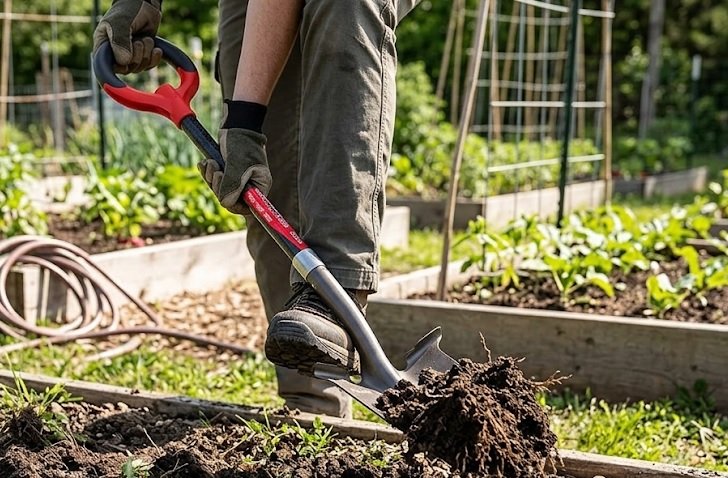
Fiskars 38448-1002 D-handle Transplanting Spade – Best Overall Choice
The Fiskars 38448-1002 is the best option for precise garden work. Its sharp, serrated edge cuts through tough roots effortlessly. The D-handle design provides excellent control and reduces wrist fatigue. Ideal for transplanting, edging, and working in tight planting beds. This spade delivers professional performance for dedicated gardeners.
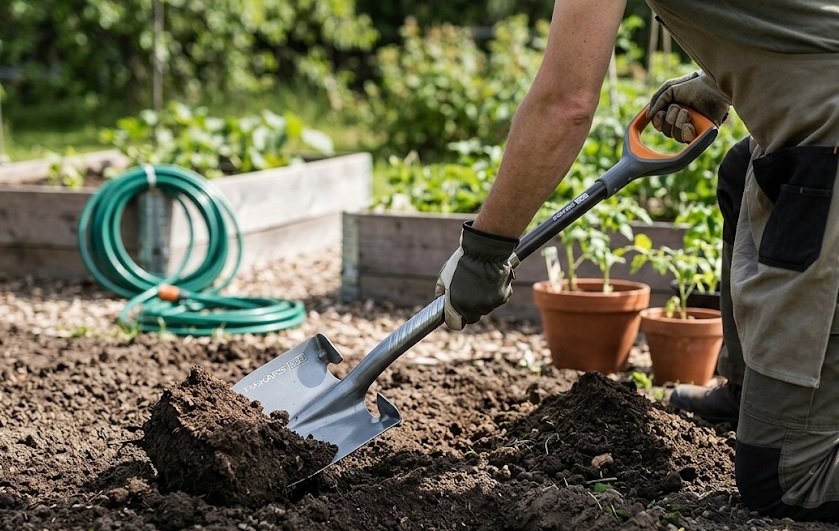
Bully Tools 9250 14-Gauge Shovel – Best Heavy-Duty Option
The Bully Tools 9250 is the recommended choice for demanding excavation tasks. This shovel features a 14-gauge steel head built to withstand extreme force. The fiberglass handle absorbs shock, making it ideal for breaking new ground. It is the best option for moving large amounts of soil, gravel, or debris with confidence.
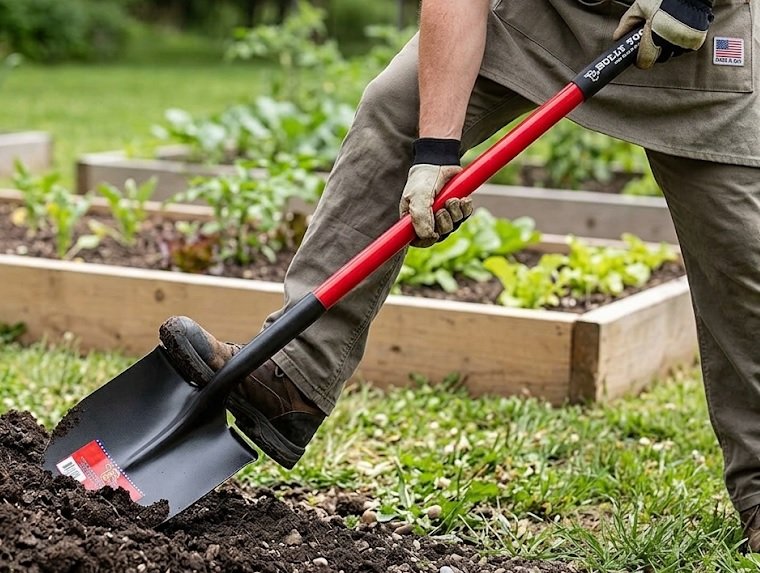
Radius Garden 203 Pro Ergonomic Digging Shovel – Best Ergonomic Design
The Radius Garden 203 Pro is the best option for those with back or joint concerns. Its patented ergonomic handle aligns your wrist and arm naturally, reducing strain by up to 40%. This shovel is ideal for extended digging sessions. The sharp blade and comfortable grip make it a top recommendation for efficiency.
Understanding the Key Differences in Design and Function
The primary difference between a spade and a shovel lies in their blade shape and intended purpose. A spade features a flat, straight-edged blade, while a shovel has a curved, scooped blade. This fundamental design distinction dictates their specific functions in the garden.
Blade Shape and Cutting Action
The spade is designed for cutting into soil with precision. Its flat blade allows for clean, straight edges when digging planting holes or defining garden borders. In contrast, the shovel’s curved blade is engineered for scooping and moving loose material like soil, sand, or mulch.
Key Takeaway: Use a spade for cutting and edging; use a shovel for moving and scooping.
Handle Length and Digging Technique
Spades typically feature a shorter handle, often with a D-grip or T-grip at the top. This design provides better leverage and control when working close to the ground. Shovels generally have longer, straight handles that allow for more powerful scooping motions and reduced bending.
The handling differences affect your technique significantly. With a spade, you use a stepping motion to push the blade into the soil. With a shovel, you use a throwing or lifting motion to transport materials. Understanding this distinction prevents fatigue and improves efficiency.
| Feature | Spade | Shovel |
|---|---|---|
| Blade Shape | Flat and straight | Curved and scooped |
| Primary Use | Cutting, edging, transplanting | Moving, scooping, lifting |
| Handle Length | Shorter with D/T grip | Longer and straight |
| Best For | Precision tasks | Bulk material handling |
This comparison clearly illustrates why each tool is essential for different gardening tasks. Choosing the right one depends entirely on the job at hand.
When to Use a Spade: Precision Tasks and Techniques
A spade is your go-to tool for tasks that require accuracy and clean cuts. Its flat blade excels at creating defined edges and neat planting holes. Gardeners rely on spades for jobs where precision matters more than volume.
Essential Spade Applications
The spade shines in several specific gardening scenarios. Its design makes it perfect for tasks that demand a straight, sharp edge. Here are the most common uses where a spade outperforms a shovel:
- Edging beds and borders: The flat blade creates crisp, clean lines along walkways and garden beds.
- Transplanting perennials: The sharp edge cuts through roots cleanly, minimizing damage to surrounding plants.
- Digging planting holes: The flat bottom creates a stable, level base for trees and shrubs.
- Dividing plants: The strong blade slices through dense root balls with ease.
- Cutting sod: The straight edge makes clean slices for removing or installing turf.
Proper Spade Technique
Using a spade correctly reduces strain and improves results. Place your foot on the top edge of the blade and push downward with steady pressure. Rock the handle back and forth to loosen the soil before lifting.
Always keep the blade perpendicular to the ground for straight cuts. For deeper holes, remove soil in layers rather than digging straight down. This technique maintains clean walls and prevents the hole from collapsing.
Pro Tip: Sharpen your spade regularly with a flat file to maintain its cutting efficiency. A dull blade crushes soil instead of cutting it cleanly.
Mastering these spade techniques will dramatically improve your precision work. The right tool, combined with proper form, makes every task easier and more enjoyable.
When to Use a Shovel: Moving Materials and Heavy-Duty Work
A shovel is the workhorse for moving loose materials and handling large volumes. Its curved blade acts like a scoop, allowing you to lift and transport soil, gravel, and compost efficiently. This tool is essential for any project involving material relocation.
Primary Shovel Applications
The shovel’s design makes it ideal for tasks where quantity matters more than precision. Its deep blade holds substantial loads, reducing the number of trips you need to make. Here are the most common uses where a shovel outperforms a spade:
- Moving soil and mulch: The curved blade scoops and holds large amounts of material for easy transport.
- Mixing concrete or compost: The deep bowl allows for thorough mixing and turning of materials.
- Snow removal: Wide blades clear large surface areas quickly and efficiently.
- Filling wheelbarrows: The scooping action makes loading bulk materials fast and effortless.
- Digging trenches: The pointed tip penetrates soil while the curved shape removes debris effectively.
Proper Shovel Technique
Efficient shovel work relies on using your legs, not your back. Bend at the knees and grip the handle with one hand near the blade and the other at the top. Push the blade into the material with your foot, then pivot your body to lift.
Avoid overloading the blade, as this causes unnecessary strain and spills. For heavy loads, keep the shovel close to your body and use a smooth, controlled motion. This technique prevents injury and maximizes efficiency.
Pro Tip: Choose a shovel with a slightly pointed tip for easier penetration into compacted soil. This shape reduces resistance and makes digging less strenuous.
Proper shovel technique transforms heavy labor into manageable work. With the right approach, you can move materials for hours without excessive fatigue.
Choosing the Right Tool for Your Gardening Project
Selecting between a spade and a shovel depends entirely on the task at hand. Many gardeners own both because each serves a unique purpose. Understanding your project requirements ensures you pick the right tool every time.
Quick Decision Guide
Ask yourself what you are trying to accomplish before reaching for a tool. The nature of the job determines which implement works best. Use this simple guide to make the right choice instantly:
| Project Type | Recommended Tool | Why It Works |
|---|---|---|
| Planting bulbs | Spade | Precise holes with clean sides |
| Moving compost | Shovel | Large capacity for bulk transfer |
| Creating garden edges | Spade | Straight blade makes crisp lines |
| Excavating large areas | Shovel | Scooping action removes material fast |
| Removing weeds | Spade | Sharp edge cuts roots below surface |
| Mixing soil amendments | Shovel | Deep bowl allows thorough mixing |
Factors to Consider Before Buying
Your physical strength and the scale of your projects should influence your purchase. Heavier tools work better for tough jobs but cause more fatigue. Lighter options suit smaller gardens and less demanding tasks.
- Handle material: Fiberglass absorbs shock but is heavier; wood feels natural but can splinter.
- Blade material: Stainless steel resists rust; carbon steel holds a sharper edge longer.
- Shaft length: Match the handle height to your body for comfortable, ergonomic use.
- Grip style: D-handles offer control; straight handles provide more power for scooping.
Key Takeaway: Invest in quality tools that match your specific gardening needs. The right equipment makes every project more enjoyable and productive.
Owning both a spade and a shovel ensures you are prepared for any gardening challenge. With this knowledge, you can confidently tackle any project with the proper tool.
Maintenance Tips to Extend the Life of Your Tools
Proper maintenance keeps your spade and shovel performing at their best for years. Regular care prevents rust, keeps edges sharp, and ensures comfortable handling. A few minutes of upkeep after each use makes a significant difference.
Cleaning and Storage Best Practices
Dirt and moisture are the biggest enemies of garden tools. Always clean your tools thoroughly after each gardening session. Follow these simple steps to keep them in pristine condition:
- Rinse off debris: Use a hose to remove loose soil and material from the blade.
- Scrub stubborn dirt: Use a wire brush to remove caked-on soil from the blade surface.
- Dry completely: Wipe the metal and handle with a clean, dry cloth to prevent rust.
- Apply light oil: Rub a thin layer of linseed oil on the metal blade for protection.
- Store properly: Hang tools vertically or lay them flat in a dry, sheltered area.
Sharpening Techniques for Optimal Performance
A sharp blade makes digging significantly easier and more efficient. Dull edges crush soil instead of cutting through it cleanly. Regular sharpening maintains the tool’s effectiveness and reduces physical strain.
- Use a flat file: Hold the file at a 45-degree angle and push away from your body.
- Sharpen only the front edge: Focus on the outer cutting edge, not the back of the blade.
- File in one direction: Use smooth, consistent strokes rather than back-and-forth motions.
- Check for burrs: Feel for rough edges and file them down for a smooth finish.
Pro Tip: Sharpen your spade before the busy spring season and again mid-summer. This routine keeps your tools ready for demanding work.
Well-maintained tools make gardening more enjoyable and productive. Investing time in care extends the life of your equipment significantly.
Common Mistakes to Avoid When Using Spades and Shovels
Even experienced gardeners make errors that reduce efficiency and cause injury. Understanding these common mistakes helps you work smarter and safer. Avoiding these pitfalls will protect both your tools and your body.
Technique Errors That Cause Strain
Poor form is the leading cause of gardening-related back injuries. Many people use their backs instead of their legs when lifting heavy loads. This mistake puts unnecessary stress on the spine and leads to chronic pain.
- Lifting with your back: Always bend at the knees and engage your leg muscles for powerful lifts.
- Overloading the blade: Take smaller scoops to maintain control and prevent muscle strain.
- Twisting your torso: Pivot your entire body instead of rotating at the waist when dumping material.
- Using the wrong tool: Forcing a spade to scoop or a shovel to cut damages both the tool and the job.
- Ignoring ergonomic grips: Choose tools with comfortable handles that fit your hand size properly.
Maintenance Mistakes That Damage Tools
Neglecting proper care shortens the lifespan of your equipment significantly. Leaving tools dirty and wet promotes rust and corrosion. These maintenance failures lead to premature replacement and poor performance.
- Storing tools wet: Always dry blades completely before storing to prevent rust formation.
- Using tools on rocks: Striking hard surfaces chips and dulls the blade edge permanently.
- Forgetting to oil: Regular oiling protects metal surfaces and keeps handles from drying out.
- Leaving tools outside: Exposure to weather elements degrades both metal and wooden components.
Key Takeaway: Proper technique and consistent maintenance prevent injuries and extend tool life significantly.
Avoiding these common errors ensures your gardening experience remains safe and productive. With mindful practice, you will develop habits that protect your investment.
Specialized Variations of Spades and Shovels
Beyond the standard designs, manufacturers offer specialized variations for specific tasks. These tools feature unique blade shapes, handle configurations, and materials. Understanding these options helps you select the perfect tool for niche applications.
Specialized Spade Types
Spades come in several variations designed for particular gardening challenges. Each type offers distinct advantages depending on your specific needs. Here are the most useful specialized spade options available:
- Border spade: A narrower, lighter version designed for working in tight spaces and raised beds.
- Irish spade: Features a curved blade that excels at cutting through dense, compacted soil layers.
- Trenching spade: A long, narrow blade perfect for digging deep, straight-sided trenches for irrigation.
- Drain spade: A rounded blade shape that efficiently removes soil from narrow excavation areas.
Specialized Shovel Types
Shovels also have specialized variations tailored to different material types. The blade curvature and tip shape vary significantly between models. Choosing the right one improves efficiency for your specific material handling needs.
- Round point shovel: The most common type, ideal for general digging and moving loose materials.
- Square point shovel: A flat-edged blade perfect for scooping and leveling gravel or sand.
- Scoop shovel: A wide, deep blade designed specifically for moving grain, snow, or lightweight materials.
- Post hole shovel: A narrow, pointed blade that digs precise holes for fence posts and plants.
Key Takeaway: Specialized tools offer significant advantages for niche tasks. Investing in the right variation saves time and reduces effort considerably.
Understanding these variations allows you to build a versatile tool collection. Each specialized tool excels at its intended purpose, making your work more efficient.
Conclusion: Master the Difference Between a Spade and a Shovel
Understanding the difference between a spade and a shovel transforms your gardening efficiency. Each tool serves a distinct purpose, and using them correctly saves time and prevents injury. Choose the right tool for every task to achieve professional results.
Start by assessing your project needs before digging. Invest in quality tools that match your gardening style and maintain them properly. Apply these expert tips today and experience the difference in your next gardening session. Your back will thank you, and your garden will flourish.
Frequently Asked Questions about Spades and Shovels
What is the main difference between a spade and a shovel?
The primary difference lies in the blade shape and intended function. A spade has a flat, straight-edged blade designed for cutting, edging, and precision digging. A shovel features a curved, scooped blade engineered for moving and lifting loose materials.
This design distinction determines their best uses in the garden. Choose a spade for clean cuts and precise holes. Choose a shovel for transferring soil, compost, or other bulk materials efficiently.
Can I use a shovel instead of a spade for edging?
Using a shovel for edging is possible but not recommended for best results. The curved blade creates uneven, ragged edges that look unprofessional. A spade’s flat blade produces crisp, clean lines that define garden borders beautifully.
For occasional edging, a square point shovel can work in a pinch. However, regular edging tasks warrant investing in a quality spade. The results will be noticeably better and the work significantly easier.
How do I sharpen a spade or shovel blade?
Sharpening your digging tools requires a flat file and a few minutes of your time. Secure the tool in a vise with the cutting edge facing upward. Hold the file at a 45-degree angle and push it along the edge in smooth, consistent strokes.
Work from the center toward each end, maintaining the original bevel angle. Check for burrs with your finger and file them smooth. Apply a light coat of oil after sharpening to protect the fresh edge from rust.
What is the best way to dig a hole with a spade?
Start by marking the outline of your hole on the soil surface. Place the spade blade perpendicular to the ground and step down firmly to cut the perimeter. Remove the sod or topsoil in sections to create a clean opening.
Continue digging in layers, keeping the sides as straight as possible. Use a rocking motion to loosen soil before lifting it out. This technique creates a stable hole with clean walls that won’t collapse.
Why is my shovel difficult to push into the ground?
Difficulty penetrating soil usually indicates a dull blade or compacted ground. Sharpening the blade edge will significantly improve its cutting ability. Watering dry, hard soil a day before digging also softens it considerably.
Consider using a spade for initial ground breaking if your shovel struggles. A pointed shovel tip penetrates better than a flat edge. Choose the right tool for the soil condition to reduce effort and frustration.
Which is better for transplanting shrubs: spade or shovel?
A spade is the better choice for transplanting shrubs due to its sharp, straight blade. It cleanly cuts through roots and creates precise root balls. The flat blade also makes it easier to lift plants without excessive soil disturbance.
Use a shovel for moving the excavated soil to the new planting location. Combining both tools gives you the best results. The spade handles the precision work while the shovel manages material transport efficiently.
How often should I replace my garden spade or shovel?
Quality tools can last decades with proper care and maintenance. Replace your tools when the blade becomes too thin to hold an edge or the handle cracks. Rusted, pitted blades that snap under pressure also require replacement.
Regular cleaning, sharpening, and proper storage extend tool life significantly. Investing in high-quality tools from the start saves money long-term. Cheaper tools often need replacement every few years rather than decades.
What is the best way to store spades and shovels?
Store your digging tools in a dry, sheltered location such as a shed or garage. Hang them vertically on a wall rack to keep blades off the ground. This prevents moisture damage and keeps handles straight and true.
Always clean and dry tools before storing them after use. Apply a light oil to metal blades for rust protection. Proper storage habits dramatically extend the lifespan of your gardening equipment.