
For optimal plant health and easy maintenance, raised garden beds should be spaced at least 2 to 3 feet apart. This critical distance ensures adequate airflow, sunlight penetration, and comfortable access for weeding and harvesting.
In this complete guide, you will learn proven methods for calculating the perfect aisle width for your specific needs. We will cover expert tips on maneuvering space, wheelbarrow access, and how your bed height impacts the ideal distance. Continue reading to master your garden layout.
Best Garden Tools for Raised Bed Spacing – Detailed Comparison
Once you have determined the correct spacing for your raised beds, you need the right tools to build and maintain them efficiently. We have analyzed the market to bring you the best options for measuring, constructing, and accessing your garden layout. These recommendations are ideal for both novice gardeners and seasoned pros.
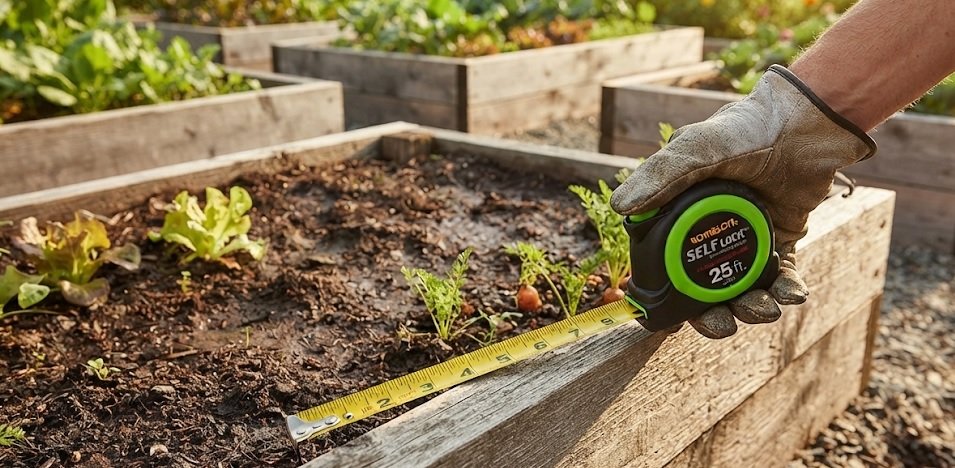
Komelon Self-Locking Measuring Tape – Best Overall Choice
The Komelon 100ft Open Reel Fiberglass Tape is the best option for laying out large garden plots. Its open reel design allows for quick retraction without the snap-back risk of standard tapes. The blade is durable and lays flat, making it ideal for measuring long distances between beds. This tool ensures your spacing is precise, preventing future overcrowding issues.
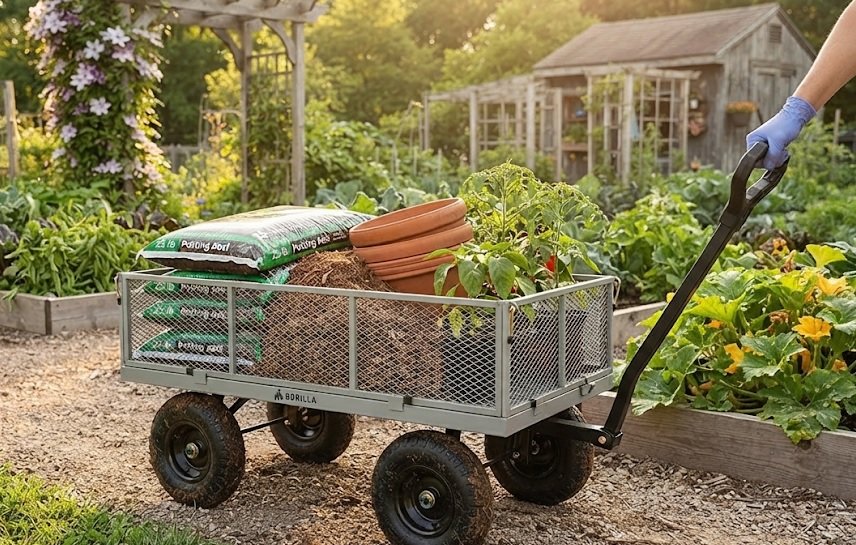
Gorilla Carts GOR866-COM – Best for Heavy-Duty Access
If you have wide aisles, the Gorilla Carts GOR866-COM is highly recommended for transporting soil and mulch. Its 1200-pound capacity and pneumatic tires are perfect for navigating the paths between your raised beds. This cart is the best option for gardeners who want to minimize physical strain. It fits through standard 3-foot aisles with ease, making it a practical investment.
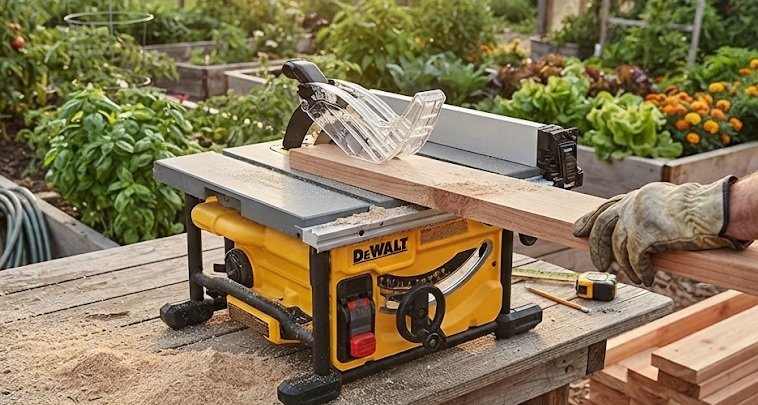
DeWalt DWE7485 Jobsite Saw – Best for Precise Cuts
For building the beds themselves, the DeWalt DWE7485 8-1/4 Inch Jobsite Table Saw is the recommended choice. Its compact size is ideal for a home garage, yet it provides the power needed to cut thick lumber accurately. This saw ensures your boards are cut perfectly square, which is crucial for maintaining uniform bed dimensions. It is the best option for creating clean, professional-grade garden frames.
Optimal Raised Garden Bed Spacing: Critical Factors to Consider
Getting the distance between raised beds right is essential for a functional and productive garden. The ideal spacing depends on several variables, including bed width, height, and how you plan to access your plants. Understanding these factors will help you avoid common layout mistakes that lead to cramped conditions and difficult maintenance.
Calculating Aisle Width for Comfort and Access
The most common mistake is making aisles too narrow. A minimum of 2 feet is necessary for walking, but 3 feet is the recommended standard for most gardeners. This wider path provides room for kneeling, using tools, and moving a wheelbarrow without damaging plants.
- 2-foot aisles: Suitable for children or those with small garden carts.
- 3-foot aisles: The best option for comfortable kneeling and standard wheelbarrows.
- 4-foot aisles: Ideal for wheelchair access or large gardening equipment.
How Bed Height Affects Spacing Requirements
Taller raised beds change the ergonomics of your garden. If your beds are 24 to 36 inches high, you may not need to bend down as often, allowing for slightly narrower paths. However, if you plan to sit on the edge of the bed to garden, you will need at least 3 feet of clearance behind you for a chair.
Garden Layout Patterns for Maximum Yield
Your layout strategy significantly impacts how far apart beds should be. A parallel layout is the most efficient for rows, while an L-shaped or U-shaped design maximizes corner space. For intensive planting, consider a central path that branches into smaller aisles to ensure every bed is easily reachable.
Key Takeaway: Prioritize a 3-foot aisle width for the best balance of accessibility and space efficiency. Always measure your tools and equipment before finalizing your garden design.
Spacing Between Raised Beds: Sunlight, Airflow, and Plant Health
Beyond simple access, the distance between raised beds directly influences the microclimate around your plants. Proper spacing prevents shading and promotes essential air circulation, which reduces the risk of fungal diseases. This is particularly critical for heat-loving crops like tomatoes and peppers.
Sunlight Penetration and Shadow Patterns
Tall plants can cast significant shadows on neighboring beds, stunting growth. If your beds run north-to-south, a 3-foot gap is usually sufficient to minimize shading. However, if your beds are oriented east-to-west, you may need to increase spacing to 4 feet to ensure lower-growing plants receive adequate morning sun.
Airflow and Disease Prevention
Good airflow is your first defense against powdery mildew and blight. Cramped beds restrict air movement, creating a humid environment where pathogens thrive. The recommended spacing of 2 to 3 feet allows wind to pass freely between beds, drying foliage quickly after rain or watering.
Root Competition and Soil Health
While raised beds have physical barriers, roots can still compete for moisture and nutrients if beds are too close. Adequate spacing prevents roots from one bed from invading another, ensuring each plant gets its fair share of resources. This is especially important for aggressive growers like squash or mint.
| Spacing Distance | Sunlight Impact | Airflow Quality | Best Use Case |
|---|---|---|---|
| 2 feet | Moderate shading risk | Average circulation | Small gardens, low crops |
| 3 feet | Low shading risk | Good circulation | Standard vegetable gardens |
| 4+ feet | Minimal shading | Excellent airflow | Tall crops, wheelchair access |
Key Takeaway: When in doubt, err on the side of wider spacing. The extra few inches of aisle space can significantly improve plant health and reduce maintenance headaches.
Raised Bed Garden Layout Planning: Paths, Materials, and Design
Planning your garden layout before construction saves time, money, and frustration. Beyond spacing between beds, you must consider the path surface material and overall garden design. These decisions affect drainage, weed control, and the long-term durability of your garden space.
Choosing the Right Path Material for Your Aisles
The material you choose for your pathways impacts both aesthetics and functionality. Gravel provides excellent drainage but can be uncomfortable to kneel on. Wood chips are soft, affordable, and biodegradable, making them a popular choice for organic gardens.
- Gravel or crushed stone: Long-lasting, excellent drainage, but can migrate into beds.
- Wood chips or bark mulch: Comfortable, natural look, requires periodic replenishment.
- Stepping stones or pavers: Durable, clean, and ideal for narrow 2-foot paths.
- Grass: Attractive but requires mowing and competes for water and nutrients.
How to Measure and Mark Your Garden Layout
Accurate measurement is the foundation of a successful garden design. Start by mapping your space on paper, then use stakes and string to outline the beds and paths on the ground. This allows you to visualize the layout and make adjustments before any soil is moved.
- Measure the total area: Determine the length and width of your available garden space.
- Calculate bed and path widths: Add the bed width plus the aisle width to determine the total footprint per unit.
- Mark corners with stakes: Use spray paint or landscaping flags to outline the perimeter of each bed.
- Walk the paths: Simulate your gardening movements to test whether the spacing feels comfortable.
Designing for Future Expansion
Consider leaving extra space at one end of your garden for future additions. This allows you to add a compost bin, a cold frame, or additional beds without disrupting your existing layout. A flexible design ensures your garden can grow with your skills and ambitions.
Key Takeaway: Always lay out your garden with string and stakes before committing to construction. This simple step prevents costly mistakes and ensures your raised bed spacing works for your specific needs.
Common Raised Bed Spacing Mistakes to Avoid
Even experienced gardeners make spacing errors that compromise their garden’s productivity. Recognizing these common pitfalls will help you design a more efficient and enjoyable growing space. Avoiding these mistakes from the start is far easier than correcting them later.
Mistake #1: Making Aisles Too Narrow
The most frequent error is reducing aisle width to maximize planting area. While this seems efficient, it creates a garden that is difficult to maintain and harvest. A cramped 18-inch path becomes nearly useless once plants begin to sprawl and grow.
- The problem: You cannot kneel, turn around, or use a wheelbarrow effectively.
- The solution: Commit to at least 24 inches, but ideally 36 inches, for all main walkways.
- The benefit: Easier weeding, pruning, and harvesting leads to better plant care.
Mistake #2: Ignoring Bed Height Differences
Not all raised beds are the same height, which affects how much space you need between them. If you have a mix of tall and short beds, you need additional clearance to accommodate ladders or stools. Standardizing bed heights simplifies spacing and access.
Mistake #3: Forgetting About Tool Storage
Garden tools need space too, and storing them inside the garden footprint wastes valuable growing area. Plan for a dedicated tool shed or lean-to at the edge of your garden. This keeps long-handled tools like shovels and rakes from leaning against plants and damaging them.
Mistake #4: Overlooking Water Access
Your garden layout must account for hose reach and irrigation lines. If beds are spaced poorly, you may struggle to water distant corners without dragging hoses across plants. Ensure every bed is within reach of your water source or plan for a drip irrigation system.
Key Takeaway: Measure twice, build once. Taking the time to plan for tools, water, and comfortable access will save you years of frustration in the garden.
Raised Bed Spacing for Specific Garden Types and Situations
Different gardening scenarios demand different spacing solutions. A small urban patio garden has vastly different requirements than a sprawling suburban vegetable plot. Understanding these nuances ensures your raised bed spacing works for your unique situation.
Small Space and Urban Gardens
For balconies, patios, and small yards, space is at a premium. In these situations, you can reduce aisle width to 18 to 24 inches since you likely won’t be using large equipment. Consider vertical gardening techniques to maximize yield without increasing your garden’s footprint.
- Wall-mounted beds: Eliminate the need for aisles entirely.
- Corner beds: Utilize otherwise wasted space efficiently.
- Narrow 2-foot beds: Allow you to reach the center from either side.
Accessible and Wheelchair-Friendly Gardens
Gardens designed for accessibility require careful attention to spacing and path surfaces. Aisle width must be a minimum of 36 inches to accommodate a standard wheelchair. Paths should be firm, level, and slip-resistant to ensure safe navigation in all weather conditions.
Recommended accessibility features:
- 4-foot wide paths: Allow for turning and passing comfortably.
- Raised beds at 24-30 inches: Reduce the need to bend or reach.
- Paved or compacted surfaces: Prevent wheels from sinking or catching.
Large-Scale and Commercial Gardens
For market gardens or large homesteads, efficiency is the top priority. Aisle widths of 4 to 6 feet are common to accommodate tractors, carts, and other machinery. Plan for turning circles at the end of each row to avoid damaging plants when maneuvering equipment.
| Garden Type | Minimum Aisle Width | Recommended Width | Key Consideration |
|---|---|---|---|
| Small Urban | 18 inches | 24 inches | Maximize growing space |
| Standard Backyard | 24 inches | 36 inches | Balance access and yield |
| Accessible | 36 inches | 48 inches | Wheelchair maneuverability |
| Commercial | 48 inches | 72 inches | Equipment access |
Key Takeaway: Tailor your raised bed spacing to your specific needs, not just to general guidelines. Consider your physical abilities, equipment, and available space before finalizing your design.
Frequently Asked Questions About Raised Bed Spacing
Many gardeners have specific questions about how far apart raised beds should be in various scenarios. We have compiled the most common queries and provided clear, actionable answers. This section addresses the nuances that general guidelines often miss.
Can I Place Raised Beds Directly Next to Each Other?
Technically, yes, but it is not recommended. Placing beds flush against each other eliminates access to the outer edges, making planting and harvesting difficult. It also restricts airflow, which can increase the risk of fungal diseases. Always leave at least a small gap for maintenance.
How Much Space Do I Need Between a Fence and a Raised Bed?
Leave at least 12 to 18 inches between a fence and your raised bed. This gap allows for air circulation, prevents moisture buildup against the wood, and provides space for painting or staining. It also prevents roots from being constrained by the fence line and allows access for repairs.
What Is the Ideal Distance Between Beds for a Wheelbarrow?
Standard wheelbarrows require a minimum path width of 3 feet to pass through comfortably. For larger garden carts, increase the spacing to 4 feet. This ensures you can navigate turns without crushing plants or damaging bed edges.
Does Spacing Affect Companion Planting Strategies?
Yes, spacing between beds can impact companion planting benefits. While plants within a bed can interact closely, the distance between beds affects pest control and pollination patterns. Wider aisles can create microclimates that either enhance or disrupt the relationships between companion plants.
How Far Apart Should Beds Be for a Drip Irrigation System?
Drip irrigation lines need to run along the length of each bed, with supply lines connecting them. Leave 12 to 18 inches of space at the end of each bed for manifold connections and hose attachments. This prevents kinking and makes system maintenance easier.
Key Takeaway: There is no one-size-fits-all answer for raised bed spacing. Consider your specific equipment, physical needs, and garden goals when determining the ideal distance between your beds.
Expert Tips for Maximizing Space Between Raised Beds
Once you have established the correct spacing for your raised beds, you can optimize the aisles for additional functionality. Savvy gardeners use these pathways for more than just walking. These expert tips will help you get the most out of every square inch of your garden.
Utilize Aisles for Vertical Growing
Vertical gardening structures can be placed in wider aisles without interfering with access. Install trellises or archways over paths to grow climbing crops like cucumbers and beans. This technique doubles your growing area while creating a beautiful, shaded walkway.
- Arch trellises: Perfect for vining plants over 3-foot aisles.
- Wall-mounted planters: Attach to the sides of raised beds to maximize vertical space.
- Hanging baskets: Suspend from overhead supports for herbs and strawberries.
Incorporate Pathway Edging and Mulch
Edging materials keep path mulch contained and prevent weeds from encroaching into your beds. Use metal, brick, or stone edging to create a clean separation between the path and the soil. This also prevents soil erosion and keeps the garden looking tidy.
Add Seating and Rest Areas
Wider aisles can accommodate a small bench or stool for resting while you work. This is especially beneficial for elderly gardeners or those with mobility issues. A designated rest stop encourages longer, more enjoyable gardening sessions.
Use Paths for Season Extension
In cooler climates, paths can be used to hold cold frames or row covers. Place these structures in the aisle to protect seedlings before transplanting them into the beds. This maximizes your growing season without sacrificing valuable bed space.
Key Takeaway: Think of your aisles as functional garden space, not just empty gaps. With creative planning, you can turn these pathways into productive, beautiful, and comfortable parts of your overall garden design.
Conclusion: Mastering Raised Garden Bed Spacing
Proper spacing between raised beds is essential for a productive, accessible, and enjoyable garden. By following the guidelines in this article, you can avoid common mistakes and create a layout that works for your specific needs.
The key takeaway: prioritize at least 3 feet for main aisles, but adjust based on your equipment and physical requirements. Measure your space carefully and plan for future expansion.
Now that you have the knowledge, it’s time to design your perfect garden. Grab your measuring tape and start planning your layout today. Your plants will thank you.
Frequently Asked Questions about Raised Garden Bed Spacing
What is the minimum distance between raised garden beds?
The absolute minimum distance between raised garden beds is 18 inches for basic walking access. However, this tight spacing is only suitable for small, low-maintenance gardens where you won’t need to kneel or use equipment.
For most gardeners, a minimum of 24 inches is recommended to allow for comfortable movement. This width provides enough room to kneel, reach plants, and maneuver basic hand tools without damaging neighboring beds.
How wide should paths be between raised beds for wheelchair access?
For wheelchair accessibility, paths between raised beds should be at least 36 inches wide. This meets standard ADA requirements and allows for comfortable navigation without scraping the bed edges.
For added maneuverability, consider 48-inch wide paths that allow for turning and passing. The path surface should be firm, level, and slip-resistant, using materials like compacted gravel or paving stones for optimal wheelchair mobility.
What is the best way to space raised beds for maximum vegetable yield?
The best way to maximize vegetable yield is to use 4-foot wide beds with 3-foot aisles. This configuration allows you to reach the center of each bed from either side without stepping on the soil, which prevents compaction.
This layout also ensures adequate airflow and sunlight penetration, which are critical for healthy plant growth. By prioritizing bed width over aisle width, you can increase your growing area by up to 30 percent while maintaining good access.
How far apart should raised beds be for good airflow?
For optimal airflow and disease prevention, raised beds should be spaced at least 24 to 36 inches apart. This distance allows wind to circulate freely between beds, drying foliage and reducing humidity levels that promote fungal growth.
Wider spacing of 36 to 48 inches is recommended in humid climates or for gardens prone to mildew and blight. Good airflow is especially important for crops like tomatoes, squash, and cucumbers, which are susceptible to foliar diseases.
Can I reduce spacing between raised beds if I have a small yard?
Yes, you can reduce spacing to 12 to 18 inches in small yards, but you must accept trade-offs. Narrower aisles limit your ability to kneel, use wheelbarrows, and access plants from all sides comfortably.
To compensate, consider using narrower beds (2 to 3 feet wide) so you can reach the center from the remaining aisle space. You can also use vertical gardening techniques and hanging planters to maximize yield despite the tighter layout.
How does bed height affect the required spacing between raised beds?
Taller raised beds (24 inches or higher) allow you to garden while standing or sitting on the edge, which reduces the need for wide aisles. In these cases, 18 to 24 inch paths may be sufficient since you won’t need to kneel in the aisle.
However, shorter beds (6 to 12 inches) require more bending and kneeling, necessitating wider aisles of 3 feet or more. Always consider your physical comfort and gardening style when determining the ideal spacing for your specific bed height.
What is the ideal distance between raised beds for a wheelbarrow?
Standard wheelbarrows require a minimum path width of 36 inches to pass through comfortably without scraping the sides. For larger garden carts or motorized wheelbarrows, increase the spacing to 48 inches.
You should also plan for turning areas at the ends of your rows. A 5-foot turning radius at each end of the garden will prevent damage to plants and make maneuvering heavy loads significantly easier and safer.
Should I leave space between raised beds and a fence or wall?
Yes, always leave at least 12 to 18 inches between raised beds and any fence or wall. This gap allows for proper air circulation, prevents moisture buildup that can rot wood, and provides access for painting or repairs.
This space also prevents roots from being constrained by the fence line and allows you to work from the outside edge of the bed. For south-facing walls, this gap can be used for heat-loving plants that benefit from reflected warmth and shelter.