
Learning how to use diatomaceous earth safely unlocks a powerful, non-toxic weapon against garden pests. This complete guide reveals proven methods to protect your plants without harming beneficial insects. Discover the expert tips that make this natural powder incredibly effective.
You will learn precise application techniques, critical safety precautions, and the exact timing for maximum impact. We will break down the differences between food-grade and pool-grade, plus how to apply it during wet or dry conditions. Continue reading to master this essential organic gardening tool.
Best Diatomaceous Earth Products for Garden Pest Control
Choosing the right product is critical for safety and effectiveness. The following three options represent the best diatomaceous earth products for garden use, carefully selected based on purity, particle size, and applicator design.
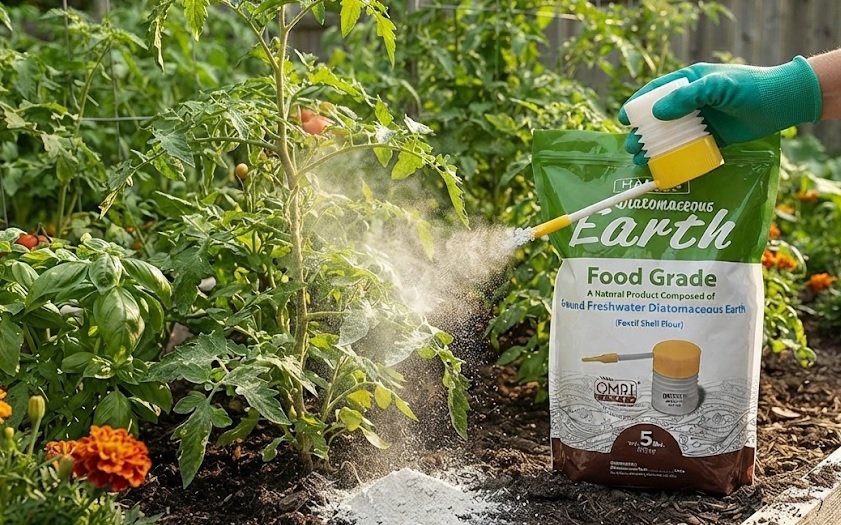
Harris Food Grade Diatomaceous Earth (4lb with Duster)
The Harris Food Grade Diatomaceous Earth with built-in duster is the best overall choice for most gardeners. This 4-pound bottle contains 100% freshwater DE with no additives, making it safe for edible crops. The precision duster tip allows for targeted application, ensuring you treat pests without wasting powder.
This option is ideal for covering large vegetable beds quickly. It is OMRI listed for organic use, giving you peace of mind when protecting your tomatoes and peppers. The long-lasting formula provides reliable pest control for months when stored correctly.
DiatomaceousEarth.com Food Grade DE (10 lbs)
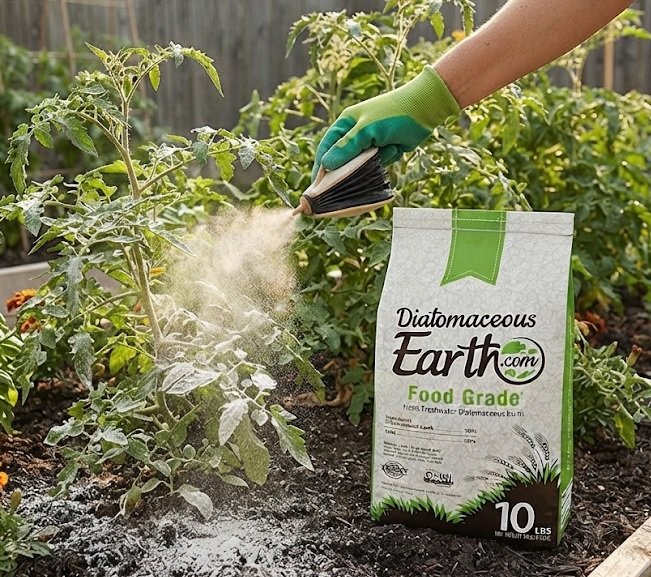
For those with expansive gardens, the DiatomaceousEarth.com Food Grade DE offers exceptional value in a bulk 10-pound bag. This product contains a high concentration of amorphous silica, which maximizes the abrasive action against insects. It is the best option for creating barrier lines around garden perimeters.
This bulk option is recommended for treating soil-dwelling pests like ants and grubs. It is also highly effective for dusting plant foliage with a hand duster. The fine powder adheres well to leaves, providing long-lasting protection against crawling insects.
Safer Brand Ant & Crawling Insect Killer (4 lbs)
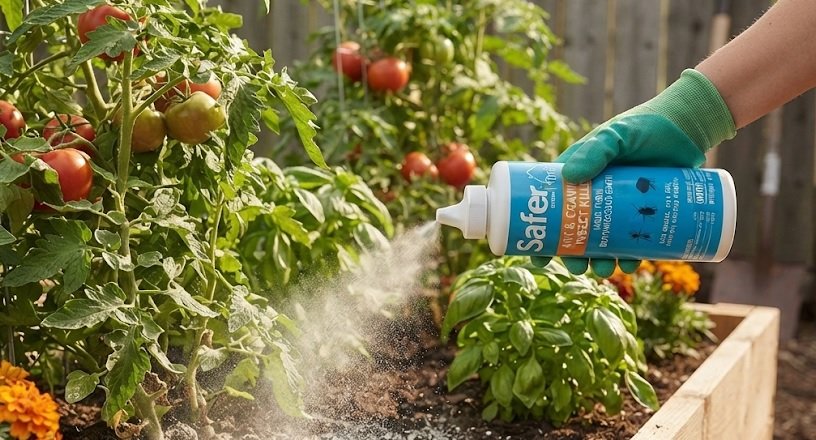
The Safer Brand Ant & Crawling Insect Killer is specifically formulated for heavy-duty infestations. This 4-pound bag is designed to target ants, roaches, and earwigs effectively. It utilizes a unique blend that ensures maximum spreadability, making it the best option for treating raised garden beds.
This product is ideal for quick knockdown of visible pest populations. It comes in a resealable bag, which is perfect for seasonal storage. The formula is safe for use around children and pets when applied according to the label directions.
Understanding How Diatomaceous Earth Works for Pest Control
Diatomaceous earth works through a purely mechanical process, not a chemical one. The powder consists of fossilized remains of diatoms, which have razor-sharp microscopic edges. These edges pierce the exoskeletons of insects, causing them to dehydrate and die.
The Physical Action on Insects
When insects crawl over the powder, the sharp particles cut through their protective waxy coating. This damage causes the insect to lose vital fluids rapidly. The effectiveness relies entirely on the powder staying dry and undisturbed.
- Contact time: Insects typically die within 48 hours of exposure.
- Target pests: Ants, fleas, beetles, slugs, and earwigs.
- Non-target safety: Earthworms and beneficial insects with hard shells are generally unaffected.
Food Grade vs. Pool Grade: Critical Differences
Understanding the difference between these two types is essential for safety. Food grade DE contains less than 1% crystalline silica, making it safe for gardens and pets. Pool grade DE undergoes high heat treatment, creating high crystalline silica levels that are toxic to humans and animals.
Key Takeaway: Always verify the label says “Food Grade” before applying to your garden. Pool grade DE is a respiratory hazard and should never be used on edible plants.
Why Dry Conditions Matter
Diatomaceous earth loses its pest-control properties when wet. Moisture causes the powder to clump, reducing its abrasive action on insects. Apply DE only during dry weather and reapply after rain or heavy watering.
Morning applications are ideal because dew has evaporated but winds are typically calm. This timing ensures the powder settles effectively on foliage and soil surfaces.
Step-by-Step Application Methods for Maximum Effectiveness
Proper application determines whether diatomaceous earth works effectively or fails to control pests. The method you choose depends on the target pest and the area you need to protect. Below are the proven techniques used by experienced organic gardeners.
Dry Dusting for Foliage and Plant Surfaces
Dry dusting is the most common method for treating leaves and stems. Use a hand duster or the built-in applicator on your DE container for even coverage. Apply a thin, visible layer—similar to a light dusting of flour—to both the top and underside of leaves.
- Fill your duster with food-grade DE powder.
- Hold the nozzle 6-8 inches from the plant surface.
- Apply in the early morning when dew has dried.
- Reapply after rain or heavy irrigation.
Creating Protective Barriers Around Garden Beds
Barriers are highly effective for stopping crawling insects like ants and slugs. Create a continuous line of DE around the perimeter of raised beds or individual plants. The powder ring should be 2-3 inches wide and remain completely dry.
Key Takeaway: Barriers fail when gaps exist. Inspect your perimeter lines weekly and refresh them after watering or windstorms to maintain protection.
Soil Drenching and Wet Application Myths
Many gardeners wonder if mixing DE with water improves results. Wet application is only useful for pest control on soil surfaces, not foliage. When mixed with water and sprayed, the powder adheres to soil and becomes effective once it dries completely.
Use 4 tablespoons of DE per gallon of water for soil treatments. Spray the mixture onto the topsoil, then allow 24 hours for it to dry. This method works well for fungus gnats and soil-dwelling larvae but requires patience.
| Application Method | Best For | Reapplication Frequency |
|---|---|---|
| Dry Dusting | Foliage pests | After rain |
| Barrier Lines | Crawling insects | Weekly |
| Soil Drench | Soil larvae | Every 2 weeks |
Critical Safety Precautions When Handling Diatomaceous Earth
While food-grade DE is non-toxic, it still requires careful handling to protect your health. The fine particles can irritate your lungs, eyes, and skin if used improperly. Following these safety protocols ensures you reap the benefits without unnecessary risks.
Protective Equipment and Proper Handling
Always wear a dust mask or respirator when applying DE, especially in enclosed spaces or windy conditions. The microscopic particles are easily inhaled, and prolonged exposure can cause respiratory irritation. Safety goggles are also recommended to prevent eye discomfort.
- Gloves: Wear gardening gloves to prevent skin dryness.
- Long sleeves: Cover exposed skin during application.
- Wind direction: Apply with the wind at your back to avoid inhalation.
Protecting Beneficial Insects and Pollinators
Diatomaceous earth kills indiscriminately, meaning it can harm bees and butterflies. Avoid applying DE directly onto flowers or blooming plants where pollinators are active. Apply only to the base of plants and soil surfaces to minimize collateral damage.
Key Takeaway: Apply DE in the early morning or late evening when bees are less active. This timing protects pollinators while still targeting destructive pests.
Storage and Disposal Guidelines
Proper storage extends the shelf life of your DE indefinitely. Keep the powder in a sealed, airtight container in a dry location. Humidity causes clumping, which reduces its effectiveness against pests.
Dispose of unused DE safely by sealing it in a plastic bag before placing it in the trash. Do not pour it down drains, as it can cause clogs. Keep all DE products out of reach of children and pets when not in use.
If you accidentally inhale DE, move to fresh air immediately and drink water to clear your throat. Seek medical attention if breathing difficulties persist beyond a few minutes.
Common Mistakes to Avoid for Successful Diatomaceous Earth Use
Even experienced gardeners make errors that reduce the effectiveness of diatomaceous earth. Avoiding these common pitfalls will save you time and frustration. Below are the most frequent mistakes and how to prevent them.
Applying During Wet or Humid Conditions
Applying DE when moisture is present is the most common mistake gardeners make. Wet powder clumps together and loses its abrasive properties entirely. Always check the forecast and apply only when dry conditions are expected for at least 24 hours.
- Morning dew: Wait until dew fully evaporates.
- Humidity: High humidity reduces effectiveness even without rain.
- Irrigation: Water plants before applying, not after.
Using Too Much or Too Little Powder
More is not better when it comes to DE application. A thick layer actually deters pests from crossing it, as they avoid deep piles of powder. A thin, even dusting is more effective because insects cannot detect and avoid it.
Key Takeaway: If you can clearly see a heavy white coating on leaves, you have applied too much. You should see a light dusting that still allows the green leaf color to show through.
Neglecting to Reapply After Environmental Events
Diatomaceous earth does not last forever in outdoor conditions. Rain, heavy wind, and even foot traffic can displace the powder. Check your garden applications weekly and refresh as needed.
Irrigation systems also wash away DE from soil surfaces. If you use drip irrigation, the powder remains effective longer than with overhead sprinklers. Plan your application schedule around your watering routine to maximize pest control.
Another frequent error is applying DE only once and expecting permanent results. Consistent monitoring and reapplication are essential for ongoing pest suppression throughout the growing season.
Integrating Diatomaceous Earth with Other Organic Pest Control Methods
Diatomaceous earth works best when combined with other organic strategies for comprehensive pest management. Relying solely on DE limits your effectiveness against persistent infestations. A multi-pronged approach targets pests at different life stages and habitats.
Companion Planting to Deter Pests Naturally
Strategic plant pairings reduce pest pressure before DE becomes necessary. Marigolds repel aphids and nematodes, while basil deters thrips and mosquitoes. Combining companion planting with DE creates a redundant defense system that protects your garden from multiple angles.
- Nasturtiums: Trap aphids away from your vegetables.
- Garlic: Repels Japanese beetles and spider mites.
- Mint: Deters ants, fleas, and cabbage moths.
Using Neem Oil Alongside Diatomaceous Earth
Neem oil and DE complement each other perfectly for organic pest control. Neem oil works as a repellent and growth regulator, while DE kills insects through physical abrasion. Apply neem oil first, allow it to dry completely, then dust with DE for maximum coverage.
Key Takeaway: Never mix neem oil and DE into a single spray solution. The oil coats the DE particles, neutralizing their abrasive action. Always apply them as separate treatments.
Introducing Beneficial Insects for Long-Term Control
Ladybugs, lacewings, and parasitic wasps provide natural pest suppression. These beneficial insects hunt aphids, caterpillars, and other common garden pests. Use DE sparingly around plants where beneficial insects are active to avoid harming them.
Release beneficial insects early in the season before pest populations explode. This proactive approach reduces your reliance on any single control method. Combined with DE, you create a resilient ecosystem that self-regulates.
Rotate your pest control methods seasonally to prevent resistance. While insects cannot develop resistance to DE’s physical action, rotating strategies ensures balanced garden health.
Seasonal Application Guide for Year-Round Garden Protection
Timing your diatomaceous earth applications throughout the year maximizes its effectiveness. Different pests emerge during different seasons, requiring strategic adjustments. A seasonal approach ensures your garden stays protected from early spring through late fall.
Spring Application Strategies for Emerging Pests
Spring is the critical window for preventing pest populations from establishing. Apply DE to the soil surface as soon as temperatures consistently stay above 50°F. This timing targets overwintering larvae and emerging ants before they reproduce.
- Early spring: Dust soil around fruit trees and berry bushes.
- Mid-spring: Treat new vegetable transplants immediately after planting.
- Late spring: Create fresh barrier lines around garden perimeters.
Summer Maintenance and Reapplication Schedules
Summer heat intensifies pest activity, requiring more frequent DE applications. Check your garden every 5-7 days during peak growing season. Reapply after any rainfall exceeding one-quarter inch or after heavy irrigation.
Key Takeaway: Evening applications are best during summer months. The cooler temperatures reduce evaporation and keep the powder dry longer, extending its effectiveness.
Fall and Winter Preparation for Dormant Season
Fall applications prevent pests from overwintering in your soil. Apply a generous layer of DE to bare soil after removing spent plants. This treatment targets grubs, larvae, and pupae preparing for winter dormancy.
Winter is the best time to clean and store your DE equipment properly. Inspect your stored powder for moisture damage and discard any clumped product. Plan your spring strategy and order fresh supplies before the growing season begins.
Adjusting your application frequency based on seasonal pest pressure prevents both overuse and underuse. This balanced approach maintains effectiveness while preserving beneficial insect populations.
Troubleshooting Common Diatomaceous Earth Issues
Even with proper technique, you may encounter challenges when using diatomaceous earth. Identifying and resolving these issues quickly keeps your pest control program on track. Below are solutions to the most frequent problems gardeners face.
Why Pests Are Still Active After Application
If insects remain active after treatment, the DE may have lost its effectiveness. Check for moisture exposure, heavy clumping, or insufficient coverage. Reapply a thin, fresh layer to affected areas and confirm the powder remains completely dry.
- Incomplete coverage: Inspect leaf undersides and hidden crevices.
- New pest entry: Reinforce barrier lines around garden edges.
- Resistant species: Some pests require higher application frequency.
Addressing Powder Drift and Messy Application
Windy conditions cause DE to drift onto unwanted surfaces, creating a messy appearance. Use a trombone duster for precise application close to target areas. Apply during calm morning hours when wind speeds are lowest.
Key Takeaway: If powder accumulates on paths or patios, sweep it up and discard it. Do not wash DE down drains, as it can cause plumbing clogs over time.
Managing DE Around Edible Crops
Food-grade DE is safe for edible plants, but proper washing is essential. Rinse harvested produce thoroughly to remove any residual powder before consumption. Focus applications on the soil surface rather than directly on edible portions.
For leafy greens, apply DE only to the soil and lower stem areas. This protects the plant while keeping the harvest clean. Root vegetables absorb no DE through the soil, making them completely safe to eat.
If you notice reduced effectiveness over multiple seasons, rotate to alternative organic controls temporarily. This prevents any potential buildup and introduces new modes of action against persistent pests.
Conclusion: Mastering Diatomaceous Earth for a Healthier Garden
Using diatomaceous earth safely transforms your garden pest control approach. You now have the knowledge to apply, maintain, and troubleshoot this versatile powder effectively. Consistent application and proper technique deliver outstanding results.
Start implementing these proven methods today to protect your plants naturally. Monitor your garden weekly and adjust applications based on pest activity. Your thriving, pest-free garden is within reach.
Apply what you have learned and enjoy healthier plants without harsh chemicals. Your garden will thank you.
Frequently Asked Questions about Using Diatomaceous Earth in Gardens
What is the difference between food-grade and pool-grade diatomaceous earth?
Food-grade DE contains less than 1% crystalline silica, making it safe for gardens, pets, and edible crops. Pool-grade DE undergoes high-heat treatment, creating over 60% crystalline silica, which is toxic when inhaled. Always verify the label explicitly states “food grade” before purchasing for garden use.
Pool-grade DE is designed for filtration systems and poses serious respiratory risks. Never substitute pool-grade DE in your garden, as even minimal exposure can harm your lungs. Food-grade DE is widely available at garden centers and online retailers.
How often should I reapply diatomaceous earth in my garden?
Reapply DE after any rainfall exceeding one-quarter inch or after heavy irrigation. During dry conditions, check applications weekly and refresh as needed. Barrier lines require more frequent maintenance than foliage applications.
Inspect your garden every 5-7 days during peak pest season. Wind, foot traffic, and plant growth can displace powder over time. Consistent monitoring ensures continuous protection against crawling pests.
Will diatomaceous earth harm bees and other beneficial insects?
Yes, DE kills beneficial insects that come into direct contact with the powder. Bees, butterflies, and predatory insects are susceptible to its abrasive action. Avoid applying DE to flowers, blooms, or areas where pollinators actively forage.
Apply DE in early morning or late evening when pollinators are inactive. Focus treatments on soil surfaces and plant bases rather than foliage. This targeted approach protects beneficial insects while controlling destructive pests.
Can I mix diatomaceous earth with water and spray it on plants?
Yes, you can mix 4 tablespoons of food-grade DE per gallon of water for soil applications. The mixture adheres to soil surfaces and becomes effective once completely dry. However, wet application on foliage is less effective than dry dusting.
Sprayed DE loses its abrasive properties while wet, so allow 24 hours for drying. This method works well for soil-dwelling pests like fungus gnats. For foliage pests, dry dusting remains the most effective application technique.
Is diatomaceous earth safe for pets and children in the garden?
Food-grade DE is non-toxic to humans and pets when used as directed. However, inhalation of fine particles can irritate lungs, so keep children and pets away during application. Allow powder to settle for 30 minutes before allowing access.
Pets may experience skin dryness if they walk through treated areas. Wash paws and skin with soap and water after exposure. Store DE in sealed containers out of reach of children and animals.
What pests does diatomaceous earth effectively control?
DE effectively controls ants, fleas, bed bugs, cockroaches, earwigs, silverfish, and slugs. It also targets aphids, thrips, spider mites, and Japanese beetles. The powder works on any insect with an exoskeleton that crawls through treated areas.
Soft-bodied pests like caterpillars and slugs are also vulnerable to DE’s abrasive action. However, DE does not affect flying insects unless they land on treated surfaces. Combine DE with other methods for comprehensive pest management.
How long does diatomaceous earth remain effective after application?
DE remains effective indefinitely as long as it stays completely dry and undisturbed. Outdoor applications typically last 1-2 weeks before needing refreshment. Indoor applications can remain effective for months or even years.
Moisture is the primary factor that degrades DE effectiveness. Humidity, rain, and irrigation all reduce its pest-control properties. Store unused powder in airtight containers to maintain its potency for future applications.
Will diatomaceous earth kill earthworms in my garden soil?
Earthworms are generally safe from DE because their moist, mucus-coated bodies resist abrasion. Studies show earthworms can pass through DE-treated soil without harm. However, heavy application directly on worms may cause irritation.
To protect earthworm populations, apply DE sparingly to soil surfaces rather than working it deep into the ground. Focus treatments on plant bases and barrier lines. This preserves soil health while controlling surface-dwelling pests.