White spots on plant leaves signal distress, but identifying the cause is the first step to recovery. This complete guide reveals the most common culprits behind leaf discoloration and provides expert tips for accurate diagnosis. Learn proven methods to restore your plant’s vibrant health quickly.
In this article, we will break down the visual differences between fungal infections, pest damage, and nutrient deficiencies. You will discover actionable solutions for each specific issue affecting your greenery. Continue reading to save your plant and prevent future outbreaks with confidence.
Best Treatments for White Spots on Plant Leaves – Detailed Comparison
Choosing the right treatment depends on your specific diagnosis. Below are three highly recommended products that target the most common causes of white spots effectively. Each option offers a unique approach for different plant care scenarios.
Bonide Captain Jack’s Neem Oil – Best Overall Choice
This ready-to-use spray is a gardener’s staple for tackling fungal issues like powdery mildew. It works by smothering soft-bodied pests such as spider mites and aphids on contact. Ideal for indoor and outdoor plants, it provides a safe, low-toxicity solution. **Best option** for preventative, all-purpose care.
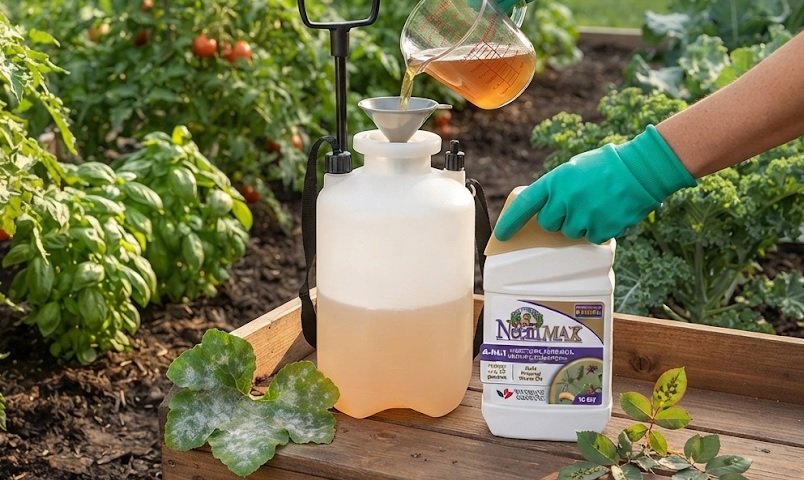
BioAdvanced Insect, Disease & Mite Control – Best Systemic Option
This product offers a **proven method** for severe infestations by working from the inside out. The systemic formula protects plants for up to 30 days, targeting pests that hide beneath leaf surfaces. It is **recommended** for ornamental plants struggling with recurring insect damage. Perfect for comprehensive, long-lasting defense.
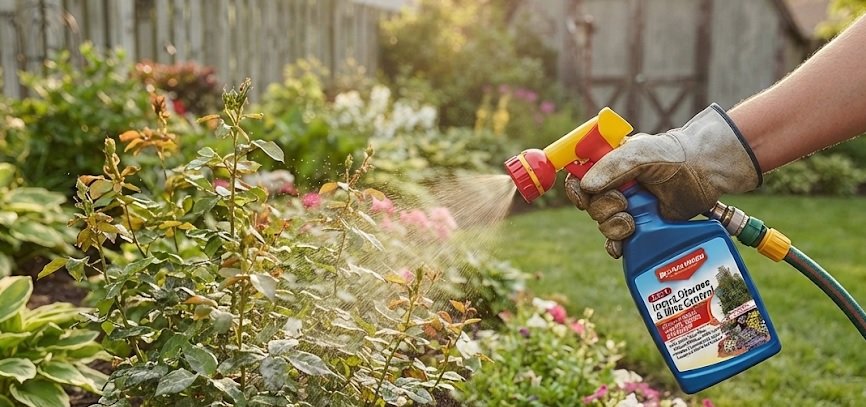
Espoma Organic Insect Soap – Best for Edible Plants
Formulated with potassium salts, this spray is the **ideal for** gardeners growing herbs or vegetables. It dehydrates pests like whiteflies and mealybugs without leaving harmful residues. This product is OMRI listed, ensuring it meets strict organic standards for safe consumption. Excellent for gentle yet effective pest control.
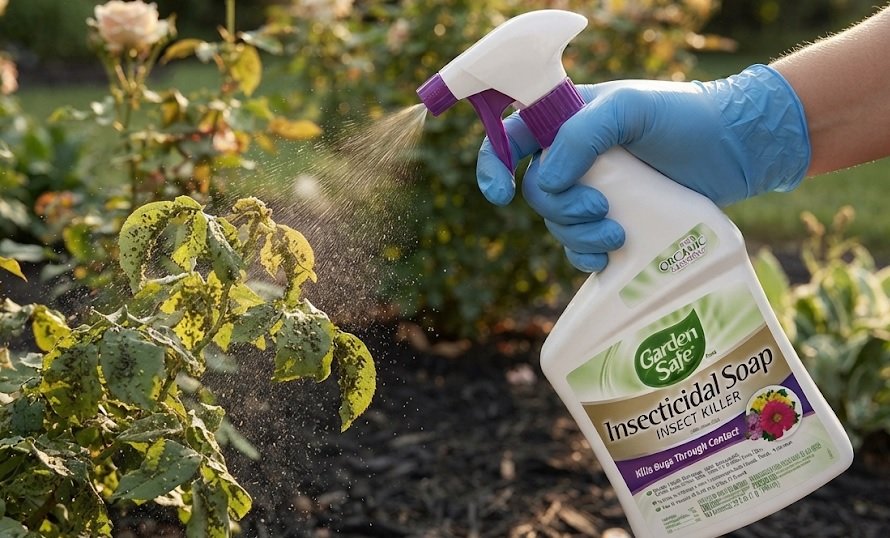
Identifying the Root Cause: Fungal, Pest, or Environmental Damage
To treat white spots effectively, you must first identify the underlying culprit. Different causes require distinct treatments, and misdiagnosis can worsen the problem. Here is how to distinguish between the three primary offenders.
Fungal Infections: Powdery Mildew and Leaf Spot
Powdery mildew appears as a dusty, white coating on the upper surface of leaves, often spreading to stems. It thrives in warm, dry conditions with poor air circulation. Leaf spot fungi, conversely, create distinct circular lesions with a white or gray center and dark border.
- Powdery Mildew: Rubs off easily with a finger; spreads rapidly in crowded conditions.
- Leaf Spot: Remains fixed on the leaf; often accompanied by yellowing tissue around the spot.
- Treatment: Apply neem oil or a sulfur-based fungicide every 7-14 days.
Pest Infestations: Spider Mites, Thrips, and Mealybugs
Spider mites leave behind fine webbing and tiny, pale stippling marks that merge into white patches. Thrips cause silvery-white streaks and black fecal spots on leaf surfaces. Mealybugs appear as cottony, white masses clustered at leaf joints and along stems.
Key distinction: Pest damage often includes visible insects or webbing, while fungal issues do not. Inspect the underside of leaves with a magnifying glass for accurate identification.
Environmental Stress: Sunburn and Mineral Deposits
Sunburn causes bleached, white patches on leaves that face direct, intense light, especially after a sudden move. Hard water deposits leave chalky, white residue that wipes off but returns after watering. These issues are non-pathogenic but still require corrective action to prevent permanent damage.
Step-by-Step Treatment Guide: How to Fix White Spots on Leaves
Once you have identified the cause, immediate action prevents further spread. Follow this systematic approach to treat your plant effectively. Consistency is critical for complete recovery.
Step 1: Isolate and Inspect the Affected Plant
Move the plant away from other greenery to prevent pests or spores from spreading. Examine all leaves, stems, and soil surface thoroughly with a magnifying lens. This initial quarantine is essential for protecting your entire indoor garden.
Step 2: Remove Severely Damaged Foliage
Use sterilized pruning shears to cut away leaves that are more than 50% covered in white spots. Dispose of infected foliage in a sealed bag, not your compost bin. This reduces the pathogen load and redirects energy to healthy growth.
Step 3: Apply the Appropriate Treatment
Choose your treatment based on the diagnosis from the previous section. Follow the product label instructions precisely for dilution and frequency.
- For fungal issues: Spray with neem oil or a copper fungicide every 7 days.
- For pests: Apply insecticidal soap or systemic granules directly to the soil.
- For sunburn: Relocate the plant to a spot with filtered, indirect light.
Step 4: Adjust Environmental Conditions
Improve air circulation by spacing plants apart and opening a nearby window. Water at the base of the plant to keep foliage dry, and wipe leaves with a damp cloth to remove dust. Maintain humidity levels between 40-60% using a pebble tray or humidifier.
Key Takeaway: Consistent monitoring and immediate intervention are the best defenses against recurring white spots. Check your plants weekly for early warning signs.
Prevention Strategies: Keeping White Spots Off Your Plants Long-Term
Prevention is always easier than treatment when dealing with plant health issues. By establishing consistent care routines, you can significantly reduce the risk of white spots reappearing. These proactive measures address the root causes before they manifest visually.
Master Your Watering Routine
Overwatering creates the humid environment that fungi and pests love. Always check the top two inches of soil for dryness before watering your plant. Water thoroughly until it drains from the bottom, then empty the saucer to prevent root rot.
- Morning watering: Allows foliage to dry completely before evening.
- Base watering: Keeps leaves dry and prevents fungal spores from germinating.
- Filtered water: Eliminates mineral deposits that cause white residue.
Optimize Light and Airflow
Proper light exposure strengthens plant cell walls, making them more resistant to infection. Ensure your plant receives the specific light requirements for its species, avoiding harsh midday sun. Stagnant air promotes fungal growth, so consider adding a small oscillating fan for gentle circulation.
Establish a Weekly Inspection Habit
Spend five minutes each week examining your plants for early warning signs. Check the undersides of leaves, leaf axils, and new growth where pests often hide. Early detection allows you to treat a small issue before it becomes a widespread infestation.
Quarantine New Plants Before Introducing Them
New plants are the most common source of pests and diseases in an established collection. Keep new arrivals in a separate room for two to three weeks to monitor for symptoms. This simple practice protects your entire indoor garden from contamination.
| Prevention Method | Frequency | Effort Level |
|---|---|---|
| Leaf inspection | Weekly | Low |
| Soil moisture check | Before each watering | Low |
| Leaf wiping | Monthly | Medium |
| Quarantine new plants | 2-3 weeks per plant | Medium |
Plant-Specific Solutions: Treating White Spots on Popular Houseplants
Different plant species have unique sensitivities and care requirements. A treatment that works for a succulent may harm a fern. Here are tailored solutions for the most common houseplants affected by white spots.
Monstera Deliciosa and Other Aroids
Aroids are particularly prone to powdery mildew and spider mite infestations. Treat with a diluted neem oil solution (1 teaspoon per quart of water) every 10 days. Wipe leaves with a microfiber cloth to remove dust that attracts pests.
- Watch for: Fine webbing on leaf undersides and yellowing margins.
- Prevention: Maintain humidity above 50% with a pebble tray.
Succulents and Cacti
These drought-tolerant plants typically suffer from sunburn and mineral deposits rather than fungal issues. Move affected plants to bright, indirect light and use distilled water for irrigation. Remove any white, crusty residue with a soft, damp brush.
Critical note: Avoid misting succulents, as trapped moisture in rosettes causes rot and white mold.
Orchids (Phalaenopsis)
Orchids often develop white spots from scale insects or cold damage. Isolate the plant and wipe affected areas with rubbing alcohol on a cotton swab. Ensure nighttime temperatures do not drop below 60°F to prevent stress-related spotting.
Calathea and Prayer Plants
These humidity-loving plants show white spots from hard water minerals and thrips damage. Switch to rainwater or filtered water and flush the soil monthly to remove salt buildup. Apply a systemic insecticide if thrips are visible on leaf surfaces.
| Plant Type | Common Cause | Best Treatment |
|---|---|---|
| Monstera | Spider mites | Neem oil spray |
| Succulents | Sunburn | Relocate, filtered water |
| Orchids | Scale insects | Rubbing alcohol |
| Calathea | Mineral buildup | Distilled water flush |
Common Mistakes to Avoid When Treating White Spots on Leaves
Even well-intentioned plant owners often make errors that worsen the problem. Understanding these pitfalls can save your plant from unnecessary stress. Avoid these frequent mistakes to ensure successful recovery.
Over-Treating with Chemicals
Applying multiple treatments simultaneously can cause chemical burns and further damage leaf tissue. Always stick to one treatment method at a time and wait at least one week before switching. Read labels carefully to avoid combining incompatible products.
- Mistake: Using fungicide and insecticide together without checking compatibility.
- Solution: Alternate treatments weekly rather than mixing them.
Ignoring the Underside of Leaves
Pests and fungal spores often hide beneath the leaf surface where treatments cannot reach. Spray the undersides of leaves thoroughly, not just the visible white spots on top. Use a spray bottle with an angled nozzle for better coverage.
Treating Only the Visible Symptoms
White spots on plant leaves are often a symptom of a deeper issue like root rot or nutrient deficiency. Address the underlying environmental stress rather than just spraying the foliage. Check soil moisture, drainage, and root health before applying any treatment.
Skipping the Quarantine Period
Treating a plant while it remains next to healthy ones allows pests and spores to spread rapidly. Always isolate affected plants immediately, even if you are unsure of the diagnosis. This precaution protects your entire collection from contamination.
Using Dirty Pruning Tools
Unsterilized shears can transfer fungal spores and bacteria from one plant to another. Disinfect your tools with isopropyl alcohol before and after each use. This simple habit prevents cross-contamination during pruning sessions.
Pro Tip: Keep a dedicated plant journal to track treatments, watering schedules, and observed symptoms. This documentation helps identify patterns and prevents repeating ineffective methods.
Natural and DIY Remedies for White Spots on Plant Leaves
Many plant owners prefer non-chemical solutions for treating leaf discoloration. These homemade remedies are effective, affordable, and safe for pets and children. However, they require consistent application and patience for visible results.
Baking Soda Solution for Fungal Issues
Mix one tablespoon of baking soda with one quart of water and a few drops of dish soap. Spray the affected foliage weekly to alter the pH on leaf surfaces, preventing fungal spores from establishing. This remedy works best as a preventative measure rather than a cure for severe infections.
- Recipe: 1 tbsp baking soda + 1 quart water + ½ tsp mild soap.
- Frequency: Apply every 7 days during active growth.
Neem Oil and Water Emulsion
Cold-pressed neem oil is a powerful natural fungicide and insecticide. Combine one teaspoon of neem oil with a quart of warm water and a few drops of castile soap. Shake well and spray thoroughly, ensuring complete coverage of both leaf surfaces.
Milk Spray for Powdery Mildew
Dilute milk with water in a 1:2 ratio and spray onto affected leaves. The proteins in milk create an antiseptic effect that kills powdery mildew spores on contact. Apply this solution every 3-4 days until symptoms disappear.
Hydrogen Peroxide for Bacterial Issues
Mix one part 3% hydrogen peroxide with three parts water for a gentle antiseptic rinse. This solution kills bacteria and fungal spores without harming plant tissue. Use it as a soil drench to address root-borne pathogens causing white spots.
| Remedy | Best For | Application |
|---|---|---|
| Baking soda spray | Powdery mildew | Weekly |
| Neem oil | Pests and fungi | Every 10 days |
| Milk spray | Mildew prevention | Every 3-4 days |
| Hydrogen peroxide | Bacterial issues | As needed |
Important: Always test any DIY remedy on a single leaf before applying it to the entire plant. This prevents unexpected damage to sensitive species.
When to Seek Professional Help for Persistent White Spots
Sometimes, despite your best efforts, white spots on plant leaves persist or worsen. Recognizing when to consult an expert can save your plant from irreversible damage. Here are clear indicators that professional intervention is necessary.
Signs Your Treatment Isn’t Working
If you have applied the correct treatment for three weeks without improvement, reassess your approach. Persistent spotting may indicate a resistant strain of fungus or an undiagnosed viral infection. Document your treatment history to share with a plant specialist.
- No improvement: Spots remain unchanged after 21 days of consistent treatment.
- Rapid spread: New spots appear daily despite isolation and treatment.
- Plant decline: Leaves yellow, droop, or fall off alongside the white spots.
Where to Find Professional Assistance
Your local agricultural extension office offers free or low-cost plant diagnostic services. University botanical gardens and reputable nurseries often employ horticulturists who can identify issues in person. Online plant care communities also provide crowd-sourced expertise with photo-based diagnosis.
What to Bring to a Consultation
Prepare a sample of the affected leaf sealed in a plastic bag for examination. Include clear photos showing the progression of the white spots over time. Provide details about your watering schedule, light exposure, and any treatments you have already tried.
When to Consider Discarding the Plant
Severe viral infections, such as mosaic virus, have no cure and will spread to other plants. If a professional confirms an incurable disease, remove the plant immediately to protect your collection. Dispose of it in a sealed trash bag, never in compost.
Red Flag: White spots accompanied by stunted growth and distorted leaves may indicate a systemic virus. These conditions require professional diagnosis and often result in plant removal.
Conclusion: Mastering White Spots on Plant Leaves
Identifying and treating white spots on plant leaves requires patience, observation, and the right approach. By understanding the root cause, you can select effective treatments that restore your plant’s health. Consistent prevention routines are your best defense against recurrence.
Start with a thorough inspection of your plant today and implement the targeted solutions outlined in this guide. Your greenery will thank you with vibrant, spot-free foliage.
Remember that every plant owner faces this challenge at some point. With the knowledge you now have, you are equipped to handle any leaf emergency confidently.
Frequently Asked Questions about White Spots on Plant Leaves
What is the fastest way to identify the cause of white spots on leaves?
Examine the spot’s texture and location using a magnifying glass. Powdery, rub-off spots indicate fungal mildew, while stippled or silvery marks suggest pest damage.
Check the undersides of leaves for webbing, tiny insects, or cottony masses. Hard, chalky residue that wipes off points to mineral deposits from hard water.
How do I treat white spots on plant leaves naturally?
Create a baking soda spray using one tablespoon of baking soda per quart of water with a drop of dish soap. Apply weekly to combat fungal growth effectively.
For pest-related spots, use a diluted neem oil solution every ten days. Always test any homemade remedy on one leaf before full application to prevent damage.
Can white spots on leaves spread to other plants?
Yes, fungal spores and pests spread easily through air currents, tools, and physical contact. Isolate affected plants immediately to prevent contamination of healthy greenery.
Wash your hands and disinfect pruning tools after handling infected plants. Keep new plants quarantined for 2-3 weeks before introducing them to your collection.
Why do my plant leaves have white spots after watering?
Hard water contains calcium and magnesium minerals that leave white residue on foliage. Switch to distilled or rainwater to eliminate this chalky buildup.
Alternatively, wipe leaves with a damp cloth after watering to remove deposits. Flush the soil monthly with distilled water to prevent salt accumulation in the root zone.
What is the best treatment for powdery mildew on indoor plants?
Apply a commercial fungicide containing sulfur or potassium bicarbonate every 7-14 days. Ensure proper air circulation around the plant to reduce humidity levels.
Remove severely infected leaves and avoid overhead watering. Maintain daytime temperatures below 80°F to slow fungal growth and spore production.
Are white spots on plant leaves a sign of overwatering?
Overwatering creates humid conditions that encourage fungal growth and root rot. White spots often appear alongside yellowing leaves and soggy soil.
Allow the top two inches of soil to dry completely between waterings. Ensure your pot has adequate drainage holes to prevent waterlogged conditions.
How long does it take for white spots to disappear after treatment?
With consistent treatment, fungal spots typically fade within 2-3 weeks. Pest-related damage may take longer as new growth replaces damaged tissue.
Monitor your plant weekly and continue treatment until no new spots appear. Patience is essential, as recovery depends on the severity of the infestation.
Can white spots on leaves be caused by too much sunlight?
Yes, intense direct sunlight causes sunburn, which appears as bleached white or pale patches. This typically occurs on leaves facing the light source.
Move affected plants to a location with bright, indirect light. Gradually acclimate plants to stronger light over several days to prevent future sunburn damage.