Learning how to treat root rot in container plants is the first step to saving your greenery. This complete guide reveals proven methods to revive infected roots and restore your plant’s health fast. Act quickly to stop the spread and prevent irreversible damage.
Discover expert tips on identifying symptoms, executing a root rescue, and implementing prevention strategies. We will walk you through every step, from soil assessment to repotting techniques. Read on to master the rescue process and keep your container garden thriving.
Best Treatments for Root Rot in Container Plants – Top Picks
Choosing the right product can make the difference between plant recovery and plant loss. Below are the three most effective, expert-recommended treatments for combating root rot in potted plants. Each option targets the disease from a different angle, ensuring you have the right tool for your specific situation.
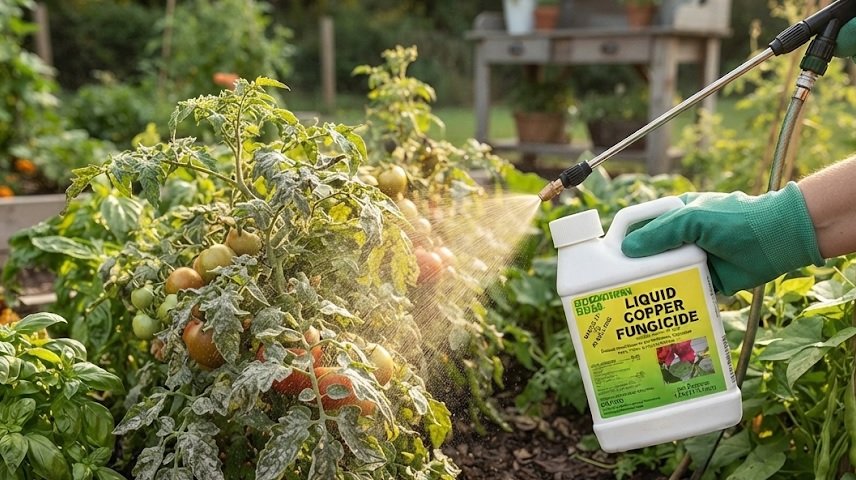
Southern Ag Liquid Copper Fungicide – Best Overall Choice
This broad-spectrum fungicide is a trusted, proven method for stopping fungal spores in their tracks. It is ideal for drenching the soil and treating the root zone directly after pruning damaged tissue. Use it immediately after repotting for maximum protection against reinfection, making it the best option for severe cases.
Bonide Root & Grow – Best for Root Regeneration
Unlike harsh chemicals, this product combines a rooting hormone with a specific fungicide to stimulate new growth. It is the recommended choice for plants with weak, mushy roots that need a boost. It promotes rapid root development while simultaneously fighting off remaining pathogens, making it ideal for valuable or rare specimens.
Hydrogen Peroxide 3% (Botanicare H2O2) – Best Budget Solution
This oxygen-rich compound is a fast, chemical-free option that kills bacteria and adds vital oxygen to waterlogged soil. It is perfect for a preventative soil drench or as a first-aid flush before repotting. Mix one part with three parts water for an effective, low-cost rescue treatment that is safe for most container plants.
Identifying Root Rot Symptoms in Potted Plants
Before you can treat root rot, you must accurately diagnose it. The disease often mimics drought stress, leading to overwatering and worsening the problem. Early detection is critical for a successful rescue.
Visual Signs on Leaves and Stems
Above the soil line, look for yellowing leaves, wilting stems, and stunted growth. A telltale sign is mushy, dark brown roots that easily pull away from the outer sheath. If the plant smells sour or like decay, root rot is likely advanced.
Checking the Soil and Root Zone
Gently remove the plant from its pot to inspect the root ball. Healthy roots are firm and white; infected roots are soft, black, or brown. Use the following checklist to confirm your diagnosis:
- Soil condition: Waterlogged, soggy, or emitting a foul odor
- Root texture: Slimy, brittle, or falling apart when touched
- Pot weight: Heavier than usual due to retained moisture
Key Takeaway: If the roots are completely black and mushy with no firm white tissue remaining, the plant may be beyond saving. Focus on prevention for future container plants.
Common Causes in Container Environments
Container plants are more susceptible due to limited drainage and soil compaction. Overwatering is the primary cause, but poor pot drainage and lack of aeration also contribute. Fungal pathogens like Pythium and Phytophthora thrive in these wet conditions, rapidly attacking the root system. Adjusting your watering schedule is the first preventive step.
Step-by-Step Guide to Treating Root Rot in Container Plants
Once you have confirmed root rot, immediate action is required to save your plant. Follow this proven rescue process to remove the infection and encourage new root growth. Work quickly but carefully to minimize stress on the plant.
Step 1: Remove and Rinse the Root Ball
Gently slide the plant out of its container and shake off loose soil. Rinse the remaining soil from the roots using lukewarm water. This exposes the damaged areas for precise trimming.
Step 2: Prune All Infected Tissue
Using sterilized scissors or pruning shears, cut away all soft, brown, or black roots. Be aggressive—remove at least 1 inch of healthy tissue beyond the visible damage to prevent reinfection. Disinfect your tools between cuts with rubbing alcohol.
Step 3: Apply Treatment and Repot
Soak the remaining healthy roots in a diluted hydrogen peroxide solution or a copper fungicide for 10-15 minutes. Then, repot the plant in a fresh, sterile potting mix with excellent drainage. Follow this numbered sequence for best results:
- Sterilize: Clean the pot with a bleach solution (1 part bleach to 9 parts water).
- Drainage: Add a layer of gravel or perlite at the bottom of the pot.
- Water sparingly: Wait 3-5 days before the first watering to allow roots to heal.
Pro Tip: Place the repotted plant in a shaded area with indirect light for 1-2 weeks. This reduces stress and allows the root system to recover without the pressure of photosynthesis.
Adjusting Post-Treatment Care
After treatment, your plant requires a strict watering schedule to avoid relapse. Only water when the top 2 inches of soil feel completely dry. Monitor new leaf growth as a positive indicator of recovery.
Preventing Root Rot in Container Plants Long-Term
Prevention is always easier than treatment. Once you have successfully treated root rot, you must adjust your care routine to avoid recurrence. Consistent monitoring and proper techniques are your best defense.
Choosing the Right Potting Mix and Container
The foundation of healthy roots is a well-aerated, fast-draining soil mix. Standard garden soil is too dense for containers and retains excess moisture. Use a high-quality potting mix that includes perlite, vermiculite, or coarse sand to improve drainage.
- Material: Choose terracotta or fabric pots over plastic to allow airflow.
- Drainage holes: Ensure the container has multiple holes at the bottom.
- Pot size: Avoid oversized pots that hold water longer than the roots can absorb.
Mastering a Watering Schedule
Overwatering is the number one cause of root rot in container plants. The “soak and dry” method is the most reliable approach—water thoroughly, then let the soil dry out completely. Insert your finger 2 inches deep into the soil to check moisture before watering again.
| Plant Type | Watering Frequency | Soil Condition |
|---|---|---|
| Succulents | Every 2-3 weeks | Completely dry |
| Tropicals | Every 5-7 days | Top 2 inches dry |
| Ferns | Every 3-4 days | Slightly moist |
Seasonal Adjustments and Maintenance
Plants require less water during winter dormancy and cooler months. Reduce watering frequency by 50% during this period. Additionally, refresh the top layer of soil annually to replenish nutrients and improve aeration.
Key Takeaway: A healthy root system starts with the right environment. Prioritize drainage and airflow to keep root rot from returning.
Troubleshooting Common Root Rot Recovery Challenges
Not every plant responds to treatment immediately, and setbacks are common during recovery. Understanding what to expect helps you adjust your approach and avoid giving up too soon. Patience and careful observation are essential during this phase.
Why Is My Plant Still Wilting After Treatment?
Post-treatment wilting is often due to transplant shock or the loss of a significant portion of the root system. The plant cannot absorb enough water to support its foliage, even if the soil is moist. Reduce stress by trimming back 20-30% of the leaves to balance the root-to-foliage ratio.
- Check for new roots: Gently tug the plant after 2 weeks; resistance indicates growth.
- Monitor humidity: Use a clear plastic bag as a makeshift greenhouse to increase moisture.
- Avoid fertilizer: Hold off for 4-6 weeks to prevent burning fragile new roots.
Signs That the Plant Is Beyond Saving
Sometimes, treatment is unsuccessful despite your best efforts. If the stem base is completely black and mushy, the rot may have spread to the crown. Foul odor persisting after repotting indicates active decay that cannot be reversed.
| Recovery Indicator | Positive Sign | Negative Sign |
|---|---|---|
| Stem firmness | Solid and upright | Soft and collapsing |
| New growth | Pale green shoots | No change in 3 weeks |
| Root color | White and crisp | Brown and slimy |
When to Propagate Instead of Treat
If the roots are unsalvageable but the stems and leaves are healthy, propagation is a smart alternative. Take a cutting above the rot point and root it in water or moist perlite. This allows you to save the genetics of the plant without fighting a losing battle underground.
Pro Tip: Always sterilize your pruning tools before and after working with infected plants to prevent spreading pathogens to healthy specimens.
Natural and Organic Remedies for Root Rot Treatment
Many gardeners prefer chemical-free solutions for treating root rot in container plants. Natural remedies can be highly effective, especially when caught early. These methods are safe for edible plants and beneficial soil microbes.
Cinnamon as a Natural Fungicide
Cinnamon contains cinnamaldehyde, a compound with powerful antifungal properties. Dust the trimmed root system and the cut ends of stems with ground cinnamon before repotting. This creates a protective barrier against fungal spores while stimulating root development.
- Application: Use a clean brush to apply a thin, even layer.
- Best for: Mild to moderate cases of root rot.
- Cost: Inexpensive and readily available in most kitchens.
Chamomile Tea Solution
Chamomile tea acts as a mild antiseptic and helps prevent damping-off disease in seedlings and cuttings. Brew a strong cup of chamomile tea and allow it to cool completely. Use it to water the plant after repotting to soothe the roots and fight off residual pathogens.
Apple Cider Vinegar Dilution
A diluted apple cider vinegar solution can help balance soil pH and create an environment unfavorable to fungi. Mix one tablespoon of raw, unfiltered ACV with one quart of water. Apply this mixture as a soil drench once a week during recovery, but avoid using it on plants that prefer alkaline soil.
| Remedy | Fungicidal Action | Best Time to Apply |
|---|---|---|
| Cinnamon | Strong contact fungicide | Directly on trimmed roots |
| Chamomile | Mild antiseptic | At first watering after repotting |
| ACV | pH adjustment | Weekly during recovery |
Key Takeaway: Natural remedies work best as preventative measures or for early-stage infections. Severe root rot typically requires a commercial fungicide for complete eradication.
Root Rot Prevention for Specific Container Plant Types
Different plants have unique watering needs and susceptibility levels to root rot. A one-size-fits-all approach often leads to overwatering or underwatering. Tailoring your care routine to the specific species is crucial for long-term health.
Succulents and Cacti: The Dry-Lovers
These plants store water in their leaves and stems, making them highly prone to root rot in moist soil. Use a gritty, fast-draining mix specifically formulated for cacti and succulents. Water only when the soil is bone dry, typically every 2-4 weeks depending on humidity.
- Container: Unglazed terracotta pots wick away excess moisture.
- Seasonal care: Reduce watering to once a month during winter dormancy.
- Warning sign: Translucent or yellowing leaves indicate overwatering.
Tropical Houseplants: The Humidity Seekers
Monstera, pothos, and philodendrons prefer consistently moist but not soggy soil. They thrive in well-aerated mixes containing orchid bark and perlite. Water when the top 2 inches of soil feel dry, and ensure the pot has excellent drainage to prevent water pooling at the bottom.
| Plant Type | Ideal Soil Mix | Watering Frequency | Key Risk |
|---|---|---|---|
| Succulents | Gritty, sandy | Every 2-4 weeks | Overwatering |
| Tropicals | Peat, perlite, bark | Every 5-7 days | Poor drainage |
| Orchids | Bark-based | Every 7-10 days | Waterlogging |
Herbs and Edibles: The Fast-Growers
Basil, mint, and parsley require consistent moisture but demand sharp drainage. They are often grown in containers that lack sufficient holes, leading to waterlogged roots. Use fabric grow bags or pots with multiple drainage holes to ensure excess water escapes quickly.
Pro Tip: Research your specific plant’s native habitat. Mimicking those conditions—whether arid desert or humid jungle—is the most reliable way to prevent root rot.
Tools and Equipment for Effective Root Rot Management
Having the right tools on hand makes diagnosis and treatment significantly easier. Proper equipment ensures clean cuts, accurate soil moisture readings, and efficient repotting. Investing in quality tools saves time and reduces plant stress during emergency care.
Essential Pruning Tools
Sharp, sterilized pruning shears are non-negotiable for removing infected roots. Dull blades crush tissue, creating entry points for more pathogens. Use bonsai shears for precision work on delicate root systems and heavier loppers for thick, woody roots.
- Sterilization: Wipe blades with 70% isopropyl alcohol between cuts.
- Maintenance: Sharpen blades regularly to ensure clean, smooth cuts.
- Alternatives: Clean scissors or a sharp knife work for small plants.
Moisture Meters and Monitoring Devices
Guessing soil moisture is the fastest way to overwater and trigger root rot. A digital moisture meter provides instant, accurate readings at different soil depths. Choose a model with a long probe to reach the bottom of deep containers where water often accumulates.
| Tool | Purpose | Recommended Use |
|---|---|---|
| Moisture meter | Measure soil water content | Before every watering |
| Hygrometer | Monitor ambient humidity | For tropical plants |
| pH tester | Check soil acidity | Monthly during recovery |
Repotting Accessories
Quality potting mix, perlite, and drainage screens are essential for creating a healthy root environment. Fabric grow bags offer superior aeration compared to plastic pots. Keep a dedicated repotting mat to contain mess and make the process more efficient.
Key Takeaway: Prevention starts with the right equipment. A moisture meter alone can eliminate the guesswork that leads to overwatering and root rot.
Conclusion: Mastering Root Rot Treatment for Healthier Container Plants
Treating root rot in container plants requires swift action, the right tools, and a solid understanding of your plant’s needs. From identifying early symptoms to applying fungicides or natural remedies, every step matters. You now have a complete framework to rescue infected plants and prevent future outbreaks.
Start by assessing your watering habits and improving drainage today. Implement the prevention strategies outlined in this guide to keep your container garden thriving year-round. Your plants depend on your vigilance—take action now and enjoy healthier, more resilient greenery.
Frequently Asked Questions about Treating Root Rot in Container Plants
What is root rot and how does it develop in container plants?
Root rot is a fungal disease that attacks plant roots when they sit in waterlogged soil for extended periods. Pathogens like Pythium and Phytophthora thrive in oxygen-deprived conditions, multiplying rapidly.
In containers, poor drainage and overwatering are the primary culprits. The lack of natural soil drainage found in gardens makes potted plants especially vulnerable to this destructive condition.
How can I tell if my plant has root rot or just needs water?
Both conditions cause wilting and yellowing leaves, making diagnosis tricky. Check the soil moisture first—root rot leaves soil soggy, while drought leaves it bone dry. Pull the plant from its pot to inspect the roots for a definitive answer.
Healthy roots are firm and white, while rotting roots are brown, black, and mushy. A foul, sour smell from the soil is another clear indicator of root rot rather than simple dehydration.
Can a plant recover from severe root rot?
Yes, but recovery depends on how much healthy root tissue remains. If at least 20-30% of firm, white roots survive treatment, the plant has a strong chance of bouncing back. Prune aggressively and repot in fresh, sterile soil.
However, if all roots are completely black and the stem base is mushy, the plant is likely beyond saving. In this case, take cuttings from healthy stems to propagate a new plant.
What is the best way to treat root rot in container plants naturally?
Cinnamon powder is one of the most effective natural fungicides available. Dust it directly on trimmed roots before repotting to prevent fungal regrowth. Chamomile tea also works as a mild antiseptic soil drench.
Hydrogen peroxide diluted with water (one part peroxide to three parts water) oxygenates the soil and kills bacteria. These natural remedies work best for early-stage infections or as preventative measures.
How often should I water container plants to prevent root rot?
There is no universal schedule—watering frequency depends on plant type, pot material, and climate. The “soak and dry” method works best: water thoroughly, then wait until the top 2 inches of soil are completely dry.
Use a moisture meter to eliminate guesswork and check the soil before every watering. Succulents may need water only every 2-4 weeks, while tropical plants typically require it every 5-7 days.
Should I repot my plant after treating root rot?
Yes, repotting is essential to remove contaminated soil and prevent reinfection. Discard the old potting mix and sterilize the container with a bleach solution before reuse. Use fresh, well-draining soil with perlite or coarse sand.
Choose a pot with adequate drainage holes and consider a slightly smaller container if the root system has shrunk. This prevents water from pooling around the reduced root mass.
Why does root rot keep coming back in my container plants?
Recurring root rot indicates an underlying environmental problem that hasn’t been fixed. Common causes include pots without drainage holes, dense soil that retains water, or a watering schedule that doesn’t match your plant’s needs.
Evaluate your potting mix, container choice, and watering habits. Switching to fabric grow bags or terracotta pots can significantly improve airflow and drainage, reducing the risk of reinfection.
What is the difference between chemical and organic fungicides for root rot?
Chemical fungicides like copper-based products provide fast, broad-spectrum protection against multiple pathogens. They are ideal for severe infections where immediate action is required to save the plant.
Organic options like cinnamon and chamomile are gentler on beneficial soil microbes and safe for edible plants. However, they work more slowly and may not be effective for advanced stages of root rot.