Learning **how to disinfect pruning tools between plants** is the single most effective way to prevent the silent spread of plant diseases. One dirty blade can infect an entire garden bed in minutes, undoing months of hard work.
This complete guide reveals proven methods and expert tips for rapid, effective sanitation. Discover the fastest solutions, step-by-step techniques, and critical safety protocols to protect your greenery. Keep reading to master this essential gardening skill.
Best Disinfecting Solutions for Pruning Tools – Detailed Comparison
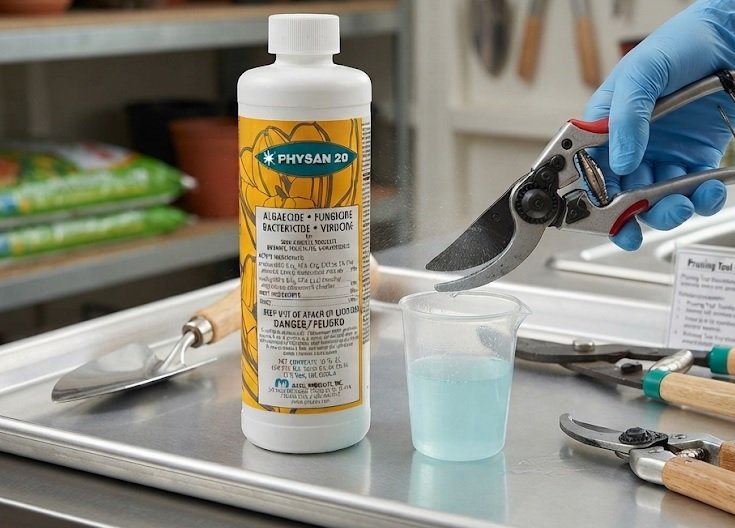
Physan 20 – Best Overall Choice
Physan 20 is a powerful, broad-spectrum disinfectant trusted by professional growers. This concentrated formula kills bacteria, fungi, and viruses on contact without damaging metal blades. Simply mix one tablespoon per gallon of water for an effective dip. It is the best option for serious gardeners managing large collections.
Isopropyl Alcohol 99% – Best Budget Option
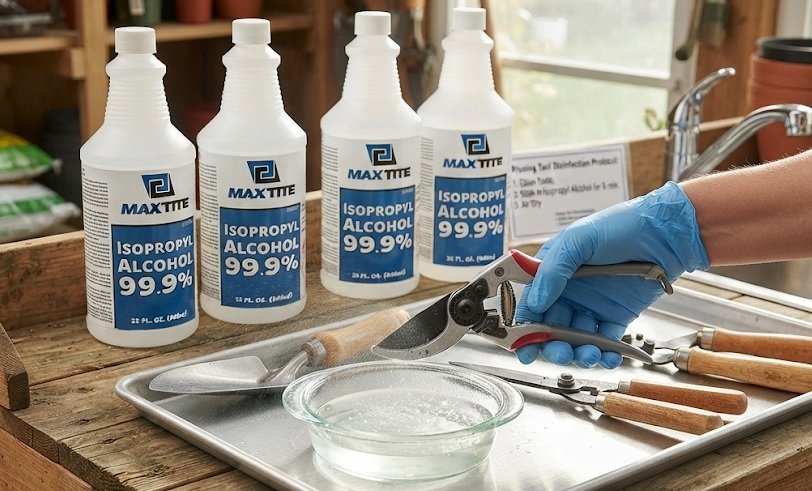
Isopropyl alcohol (rubbing alcohol) is the most accessible and affordable disinfectant available. Use a 70-99% concentration in a spray bottle for quick blade saturation between cuts. It evaporates rapidly, preventing rust and saving valuable time. This is the recommended choice for casual gardeners who need immediate, no-rinse sanitation.
Lysol Disinfectant Spray – Best Convenient Spray
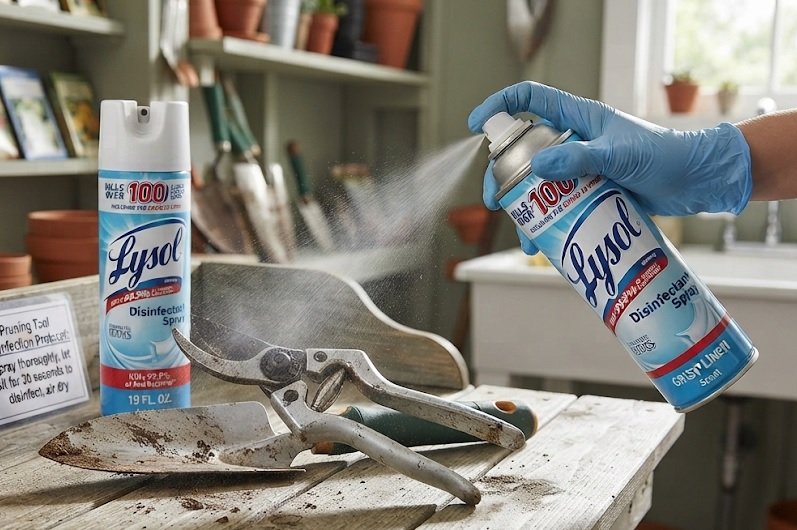
Lysol Disinfectant Spray offers a ready-to-use solution ideal for rapid field sanitation. Its spray nozzle allows for precise application without mixing or measuring. While effective against most pathogens, it requires a brief dwell time to work fully. This product is ideal for pruning sessions where speed and portability are top priorities.
Why Disinfecting Pruning Tools Matters for Plant Health
Plant pathogens spread effortlessly through contaminated blades. When you cut an infected branch, microscopic bacteria, fungi, and viruses cling to the metal surface. The next cut transfers those pathogens directly into a healthy plant’s open wound.
Diseases like fire blight, rose rosette, and bacterial canker can devastate entire gardens within weeks. Sanitizing between every single plant breaks this chain of infection before it starts.
Common Diseases Transmitted by Dirty Tools
- Fire blight: A bacterial infection that blackens and kills apple and pear trees rapidly.
- Powdery mildew: A fungal spore that spreads easily through pruning cuts on ornamentals.
- Tomato spotted wilt virus: A deadly virus transferred when pruning infected vegetable plants.
Professional arborists and nursery workers never skip this step. Home gardeners often do, and they pay the price with sick plants and reduced yields.
When You Must Disinfect Immediately
Certain situations demand sanitation after every single cut, not just between plants. Diseased branches showing visible symptoms require immediate blade treatment. Working with multiple plant species in one session also increases cross-contamination risks.
Key Takeaway: Always disinfect after cutting diseased tissue, when moving between different plant species, and before pruning valuable specimens.
Understanding the why behind sanitation makes the how feel essential rather than optional. Your pruners are surgical instruments for your garden. Treat them with the same care a surgeon gives their tools.
Step-by-Step Guide to Disinfecting Pruning Tools
Proper sanitation requires more than a quick wipe. Following a consistent process ensures complete pathogen elimination without damaging your equipment. Here is the proven method used by horticultural professionals.
Step 1: Remove Dirt and Sap Before Disinfecting
Disinfectants cannot penetrate through thick layers of sap, dirt, or plant debris. Wipe blades thoroughly with a clean, dry cloth after each pruning session. For stubborn resin, use a wire brush or steel wool to scrape away buildup.
This initial cleaning step is critical for disinfectant effectiveness. Skipping it leaves pathogens protected beneath organic material.
Step 2: Apply Your Chosen Disinfectant
Choose your method based on your disinfectant type and work environment. Each approach has distinct advantages depending on your pruning situation.
- Spray method: Saturate both blade surfaces with your disinfectant solution. Allow it to dwell for 30-60 seconds before wiping.
- Dip method: Submerge blades fully in a disinfectant solution for 2-5 minutes. This is best for heavy-duty sanitation between plants.
- Wipe method: Use a disinfectant-soaked cloth or alcohol wipe for quick field sanitation between individual cuts.
Step 3: Dry and Oil the Blades
Moisture is the enemy of metal tools. After disinfecting, dry blades completely with a clean cloth to prevent rust formation. Apply a light coat of machine oil or camellia oil to protect the cutting edge.
Pro Tip: Keep a spray bottle of 70% isopropyl alcohol and a rag in your garden bucket. This allows for quick sanitation between every plant without interrupting your workflow.
Consistency matters more than perfection. Even a quick alcohol wipe between plants dramatically reduces disease transmission risk.
Best Practices for Disinfecting Tools in the Field
Garden sanitation is not a one-size-fits-all process. The right approach depends on your pruning workload, plant types, and available supplies. These field-tested practices will keep your garden safe without slowing you down.
Portable Disinfection Stations for Large Gardens
Set up a mobile sanitation station before starting large pruning projects. Fill a bucket with disinfectant solution and place it near your work area. Keep a second bucket of clean water for rinsing and a rag for drying.
For extended sessions, replace the disinfectant solution every two hours. Dirt and organic matter quickly contaminate the liquid, reducing its killing power.
Disinfecting Between Different Plant Species
Cross-species contamination poses unique risks. A pathogen harmless to one plant can be lethal to another. Always disinfect when moving between different plant families, even if all plants look healthy.
- Roses: Disinfect before and after pruning to prevent rose rosette virus.
- Fruit trees: Sanitize between each tree to stop fire blight spread.
- Tomatoes: Clean blades between plants to avoid bacterial speck.
- Ornamentals: Wipe tools between varieties to prevent mosaic viruses.
Seasonal Deep Cleaning Routine
Beyond between-plant sanitation, schedule a thorough cleaning at season’s end. Disassemble your pruners completely and soak all metal parts in disinfectant overnight. Remove rust with fine steel wool, then sharpen and oil before storage.
Key Takeaway: Consistent field sanitation combined with seasonal deep cleaning extends tool life and protects your entire garden from devastating disease outbreaks.
These practices transform disinfection from a chore into a seamless habit. Your plants will reward you with vigorous growth and abundant harvests.
Common Mistakes to Avoid When Disinfecting Pruning Tools
Even experienced gardeners make sanitation errors that compromise their efforts. Recognizing these pitfalls helps you correct bad habits before they damage your plants. Here are the most frequent mistakes and how to avoid them.
Using Bleach Without Proper Dilution
Household bleach is highly corrosive to metal blades. Undiluted bleach causes pitting and rust while also posing safety risks to your skin. If you must use bleach, dilute one part bleach to nine parts water and rinse tools thoroughly afterward.
Better yet, switch to alcohol or commercial disinfectants designed specifically for garden tools. These options kill pathogens effectively without damaging your equipment.
Wiping Instead of Soaking
A quick wipe with a disinfectant cloth may not provide sufficient contact time. Most disinfectants require at least 30 seconds of dwell time to kill pathogens. Wiping removes visible debris but often leaves microscopic organisms behind.
- Quick wipe: Removes surface dirt but may miss pathogens in crevices.
- Spray and wait: Allows adequate contact time for full disinfection.
- Full soak: Provides the most thorough sanitation for high-risk situations.
Neglecting Tool Joints and Springs
Pathogens hide in the pivot points, springs, and crevices of pruning tools. Focusing only on the blade surface leaves these areas contaminated. Spray disinfectant into open joints and work the tool back and forth to distribute the solution.
Key Takeaway: Thorough disinfection requires attention to every surface, proper dilution, and adequate contact time. Rushing this process defeats its purpose.
Avoiding these errors ensures your sanitation efforts actually protect your garden. Small adjustments to your routine yield significant disease-prevention benefits.
Comparing Disinfectant Methods for Pruning Tools
Choosing the right disinfectant depends on your specific needs and garden conditions. Each method offers distinct advantages and limitations. This comparison helps you select the best option for your pruning routine.
Alcohol vs. Bleach vs. Commercial Disinfectants
Understanding the differences between common disinfectants ensures you choose a safe, effective solution. The table below summarizes key characteristics for quick reference.
| Disinfectant | Contact Time | Corrosiveness | Best Use Case |
|---|---|---|---|
| Isopropyl Alcohol | 30 seconds | Low | Quick field sanitation between cuts |
| Bleach Solution | 2-5 minutes | High | Deep cleaning after diseased plants |
| Physan 20 | 1-2 minutes | Low | Professional-grade heavy-duty disinfection |
| Lysol Spray | 1-3 minutes | Very Low | Convenient portable spraying |
Homemade Disinfectant Solutions
Some gardeners prefer DIY solutions using household ingredients. A mixture of one part white vinegar to three parts water provides mild antibacterial properties. However, vinegar is less effective against hardy plant viruses than commercial options.
Another homemade option involves mixing one part hydrogen peroxide with two parts water. This solution kills many pathogens without leaving toxic residues, making it garden-safe and environmentally friendly.
Key Takeaway: Alcohol offers the best balance of speed, safety, and effectiveness for most gardeners. Reserve stronger chemicals for known disease outbreaks.
Match your disinfectant choice to your specific situation. Quick daily pruning calls for alcohol, while suspected infections demand more robust solutions.
Special Considerations for Different Pruning Tool Types
Not all pruning tools require identical care. Bypass pruners, loppers, and saws each have unique designs that demand specific disinfection approaches. Understanding these differences prevents accidental damage while ensuring thorough sanitation.
Disinfecting Bypass and Anvil Pruners
Bypass pruners feature two curved blades that slide past each other, while anvil pruners use a single blade against a flat surface. Both types require attention to the blade edge and the pivot bolt area. Pathogens frequently collect in the small gap between blades.
Open the pruners fully and spray disinfectant directly into the pivot mechanism. Work the handles back and forth several times to distribute the solution throughout the joint. Wipe dry and apply a drop of oil to the pivot point afterward.
Cleaning Loppers and Hedge Shears
Loppers and hedge shears have longer blades that contact more plant tissue per cut. Their extended cutting surfaces require more disinfectant volume for complete coverage. Use a spray bottle with a fine mist to coat the entire blade length efficiently.
- Loppers: Disassemble annually for deep cleaning of the gear mechanism.
- Hedge shears: Wipe both sides of each blade between hedge sections.
- Ratchet pruners: Pay special attention to the ratchet mechanism where sap accumulates.
Caring for Pruning Saws
Pruning saws feature coarse teeth that trap sap, bark, and pathogens deep within their cutting surfaces. A simple wipe cannot reach these crevices effectively. Use a stiff brush dipped in disinfectant to scrub between every tooth.
Key Takeaway: Match your disinfection technique to your tool’s specific design. Thorough coverage of all surfaces prevents hidden pathogen reservoirs.
Proper tool-specific care extends equipment lifespan while maximizing disease protection. Your tools will perform better and last longer with this attention to detail.
When to Disinfect Pruning Tools: Timing and Frequency
Knowing when to disinfect is just as critical as knowing how. The right timing prevents disease spread while saving you unnecessary effort. Follow these guidelines to determine your ideal sanitation schedule.
Disinfecting Between Every Plant vs. Between Cuts
For most home gardeners, disinfecting between different plants provides adequate protection. However, when pruning diseased tissue, disinfect after every single cut to avoid spreading pathogens within the same plant. This is particularly important for trees suffering from fire blight or canker.
Consider the plant’s value and susceptibility. High-value specimens like rare ornamentals or heirloom fruit trees deserve extra caution. When in doubt, err on the side of more frequent disinfection.
Seasonal Timing for Disinfection
Certain seasons demand heightened sanitation vigilance. Spring pruning coincides with peak pathogen activity and active plant growth, making thorough disinfection essential. Summer pruning of diseased plants requires immediate blade cleaning between cuts.
- Spring: Disinfect before starting and between all plant species.
- Summer: Clean immediately after cutting any diseased or stressed tissue.
- Fall: Perform a final deep cleaning before winter tool storage.
- Winter: Inspect and disinfect tools before the first spring use.
Signs You Need to Disinfect Immediately
Certain visual cues signal an urgent need for tool sanitation. Blackened bark, oozing sap, or fungal growth on cut branches indicate active disease presence. Stop pruning immediately and disinfect your tools before continuing.
Key Takeaway: Develop a routine that matches your garden’s risk level. Regular sanitation between plants prevents most disease transmission before it starts.
Consistent timing transforms disinfection from an afterthought into a protective habit. Your plants will stay healthier with this simple schedule.
Conclusion: Mastering How to Disinfect Pruning Tools Between Plants
Learning how to disinfect pruning tools between plants protects your garden from devastating diseases. Simple habits like spraying alcohol between cuts and deep cleaning seasonally make a significant difference.
Start implementing these proven methods today. Your tools will last longer, and your plants will reward you with vigorous, healthy growth. Consistent sanitation is the mark of a truly skilled gardener.
Protect your garden’s future with every single cut you make.
Frequently Asked Questions about Disinfecting Pruning Tools
What is the best way to disinfect pruning tools between plants?
The best method is using 70% isopropyl alcohol in a spray bottle. Spray both blades thoroughly and wait 30 seconds before wiping dry. This provides rapid, effective sanitation without damaging metal surfaces.
For high-risk situations involving diseased plants, use a commercial disinfectant like Physan 20. Soak blades for 2-5 minutes for complete pathogen elimination. Always dry and oil tools after any disinfecting process.
Can I use rubbing alcohol to disinfect pruning shears?
Yes, rubbing alcohol is highly effective for disinfecting pruning shears. Use a 70% concentration for optimal killing power against bacteria, fungi, and viruses. Higher concentrations evaporate too quickly to be effective.
Apply the alcohol with a spray bottle or soak a clean cloth and wipe blades thoroughly. Allow the alcohol to air dry or wipe with a clean rag. This method is safe for all metal tool types.
How often should I disinfect pruning tools during use?
Disinfect between every plant when working with multiple species or known diseased specimens. For healthy plants of the same variety, disinfecting between each plant is still recommended. This prevents invisible pathogen transfer through open wounds.
When pruning visibly diseased tissue, disinfect after every single cut. This stops the spread within the same plant. Keep a spray bottle of alcohol nearby for quick, convenient sanitation.
Does bleach damage pruning tools?
Yes, bleach is highly corrosive and can damage pruning tools over time. It causes pitting, rust, and weakening of metal blades. If you must use bleach, dilute one part bleach to nine parts water and rinse thoroughly afterward.
Better alternatives include isopropyl alcohol, hydrogen peroxide, or commercial disinfectants. These options kill pathogens effectively without corroding your equipment. Always oil blades after cleaning to prevent moisture damage.
What is the difference between disinfecting and sterilizing pruning tools?
Disinfecting reduces pathogens to safe levels, while sterilizing eliminates all microorganisms completely. For home gardening, disinfection provides sufficient protection against common plant diseases. Sterilization is rarely necessary outside laboratory settings.
Most garden disinfectants achieve high-level disinfection with proper contact time. Alcohol and commercial products kill the vast majority of harmful pathogens. This level of cleanliness effectively prevents disease spread in home gardens.
Can vinegar be used to disinfect garden tools?
Vinegar offers mild antibacterial properties but is less effective against hardy plant viruses. A mixture of one part white vinegar to three parts water can help clean tools. However, it should not replace proven disinfectants for disease prevention.
Use vinegar for routine cleaning and rust removal rather than pathogen control. For proper disinfection, rely on alcohol or commercial products. These provide reliable protection against serious plant diseases.
How do I disinfect pruning tools after cutting diseased plants?
After cutting diseased tissue, immediately spray blades with 70% alcohol and allow 30 seconds of contact time. Wipe clean and repeat before making another cut. This prevents transferring pathogens to healthy plants.
For severe diseases like fire blight, soak tools in a commercial disinfectant for 5 minutes. Disassemble tools if possible to reach all crevices. Dry thoroughly and apply oil to protect metal surfaces.
Should I oil pruning tools after disinfecting?
Yes, oiling after disinfecting is essential for preventing rust and maintaining smooth operation. Apply a light coat of machine oil, camellia oil, or WD-40 to all metal surfaces. This creates a protective barrier against moisture.
Focus on the blade edges and pivot points where friction occurs. Wipe off excess oil to prevent attracting dirt. Regular oiling extends tool life and ensures clean, precise cuts every time.