Learning how to clean rust off garden tools naturally saves money and extends tool life. This complete guide reveals proven methods using simple household ingredients. You’ll restore your tools without harsh chemicals.
Discover expert tips for removing light surface rust and heavy corrosion. We’ll cover vinegar soaks, citrus solutions, and prevention techniques. Keep reading to master natural rust removal and protect your gardening investment.
Best Rust Removal Products for Garden Tools – Detailed Comparison
While natural DIY methods are effective, sometimes you need a specialized solution for stubborn rust. These top-rated products simplify the process and deliver professional-grade results. Here are our expert recommendations for restoring your garden tools.
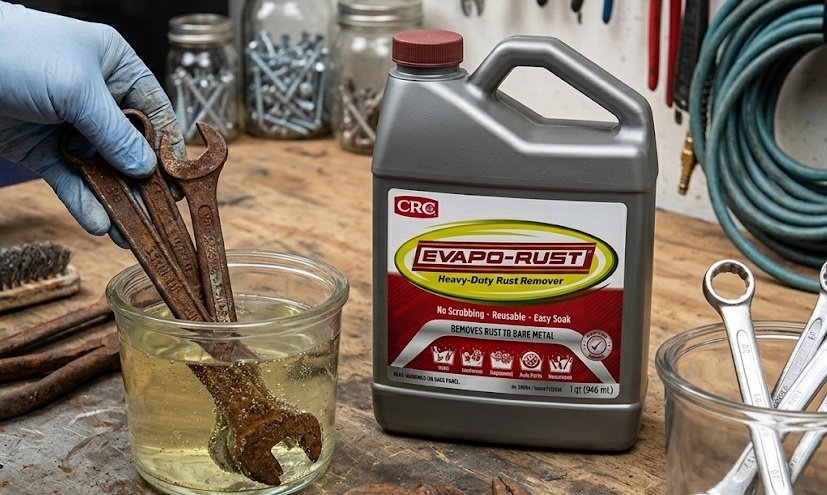
Evapo-Rust Super Safe Rust Remover – Best Overall Choice
The Evapo-Rust ER012 is our top recommendation for heavily rusted tools. This water-based solution is non-toxic and biodegradable, making it safe for home use. Simply soak your tools overnight, and it chemically converts rust away without harming the metal. It’s ideal for restoring antique or valuable tools where preserving the base metal is crucial.
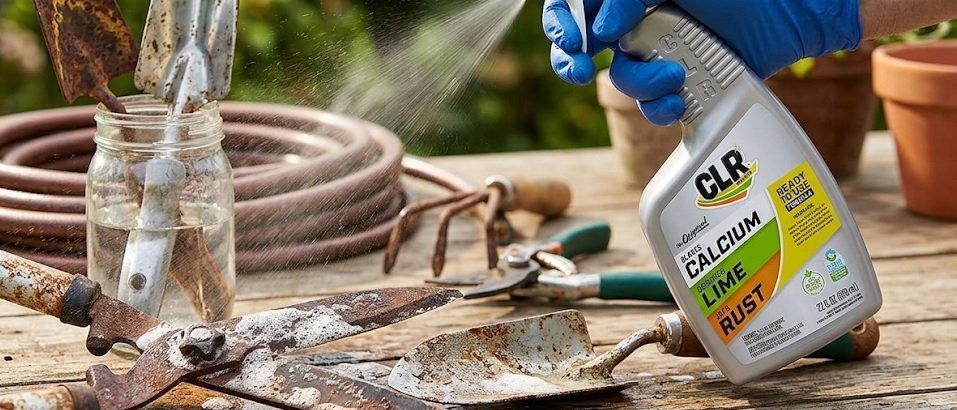
CLR Calcium, Lime & Rust Remover – Best Multi-Surface Option
For gardeners dealing with rust on various surfaces, the CLR PRO-16 offers versatile cleaning power. This fast-acting formula works on metal tools, concrete, and even ceramic pots. It’s recommended for quick spot treatments where a full soak isn’t practical. However, always dilute it and wear gloves, as it is stronger than natural alternatives.
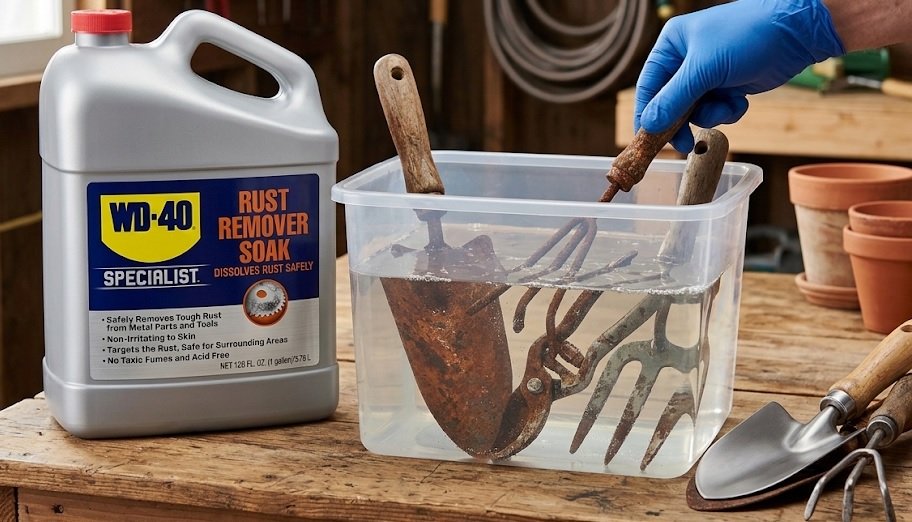
Wd-40 Specialist Rust Remover Soak – Best for Quick Soaking
The WD-40 Specialist 300440 is the best option for dissolving rust in under 24 hours without scrubbing. Its advanced formula is designed to stop rust from spreading after removal. This product is perfect for restoring multiple tools at once, saving you time during spring cleaning. It’s a reliable choice for maintaining a pristine, rust-free shed.
Understanding the Rust Formation Process on Garden Tools
Before tackling rust removal, it helps to understand why it forms in the first place. Rust is simply iron oxide, created when metal reacts with oxygen and moisture. Your garden tools face constant exposure to damp soil, morning dew, and irrigation water, making them prime candidates for corrosion.
Why Natural Methods Work Best
Natural rust removal methods rely on mild acids and chemical reactions to break down oxidation. These household solutions are not only effective but also safer for your plants and soil. Vinegar, lemon juice, and baking soda are powerful enough to dissolve rust without damaging the tool’s metal surface.
Unlike harsh commercial solvents, natural options won’t leave toxic residues in your garden beds. This makes them the preferred choice for organic gardeners and those with children or pets.
Assessing the Severity of Rust Damage
Not all rust requires the same treatment approach. Identifying the level of corrosion helps you choose the right method and avoid unnecessary effort.
- Light surface rust: Orange powder that wipes off easily; responds well to quick vinegar soaks
- Moderate pitting: Visible rough patches with slight metal loss; needs longer soaking and scrubbing
- Severe corrosion: Flaking metal with deep pits; may require multiple treatments or professional restoration
Key Takeaway: Always start with the gentlest method first. Test a small area before committing to a full soak to ensure the treatment won’t damage the tool’s finish or handle.
Once you’ve assessed the damage, you can confidently select the right natural solution. The following sections will walk you through each proven method step by step.
Step-by-Step Guide to Removing Rust with White Vinegar
White vinegar is the most popular natural rust remover for good reason. Its acetic acid content dissolves rust effectively while being cheap and readily available. This method works best for tools with moderate rust buildup.
Preparing Your Vinegar Soak Solution
Start by pouring white vinegar into a container large enough to fully submerge the rusted parts. For light rust, use undiluted vinegar for maximum effectiveness. If your tool has wooden handles, wrap them in plastic bags secured with rubber bands to keep them dry.
The soaking time depends on the rust severity. Light surface rust typically requires 30 minutes to 1 hour, while heavier corrosion may need up to 24 hours. Check your tool periodically to monitor progress.
Scrubbing and Neutralizing After Soaking
Once the rust has softened, remove the tool from the vinegar and scrub with a wire brush or steel wool. Work in the direction of the metal grain to avoid creating new scratches.
- Rinse thoroughly with clean water to remove vinegar residue
- Neutralize the acid by wiping with a solution of baking soda and water
- Dry completely with a clean cloth to prevent flash rusting
- Apply a protective oil like linseed oil to seal the metal surface
Pro Tip: For stubborn rust spots, create a paste using vinegar and baking soda. Apply it directly to the rusted area and let it sit for 15 minutes before scrubbing.
This method is ideal for shovels, hoes, and pruning shears. The vinegar solution is safe for the environment and won’t harm your garden soil when disposed of properly.
Alternative Natural Methods: Lemon Juice and Baking Soda Solutions
While vinegar works wonders, other natural ingredients offer equally impressive rust removal results. Lemon juice and baking soda are excellent alternatives, especially for lighter corrosion or delicate tools. These methods are gentle on metal while still being tough on rust.
Using Lemon Juice and Salt for Rust Removal
Lemon juice contains citric acid, which breaks down rust effectively. Combine equal parts lemon juice and table salt to create a thick paste. Apply this mixture to the rusted areas and let it sit for 2-3 hours.
The salt acts as a mild abrasive, helping lift rust particles as you scrub. This method works particularly well for small tools like trowels, hand pruners, and garden scissors. Rinse thoroughly and dry completely after treatment.
Baking Soda Paste for Stubborn Rust Spots
Baking soda is a versatile cleaner that neutralizes acids and gently abrades rust. Mix three parts baking soda with one part water to form a spreadable paste. Apply it generously to rusted areas and let it dry completely.
Once dry, scrub the paste off with a damp cloth or soft brush. The rust should come away with it, revealing clean metal underneath. This method is ideal for tools with intricate designs or hard-to-reach crevices.
| Method | Best For | Soaking Time | Scrubbing Required |
|---|---|---|---|
| White Vinegar | Moderate to heavy rust | 1-24 hours | Moderate |
| Lemon Juice & Salt | Light surface rust | 2-3 hours | Light |
| Baking Soda Paste | Stubborn spots & crevices | Until dry | Gentle |
Key Takeaway: Match the method to the rust severity. Using a gentle treatment on heavy rust wastes time, while aggressive treatments on light rust risk damaging the tool.
These natural alternatives provide flexibility depending on what you have at home. They are safe, effective, and environmentally friendly.
Preventing Future Rust: Protective Coatings and Storage Tips
Once your tools are rust-free, the next priority is keeping them that way. Proper prevention saves you from repeating the cleaning process every season. A few simple habits can dramatically extend the life of your garden equipment.
Applying Natural Protective Oils
After cleaning and drying your tools, apply a thin layer of oil to create a moisture barrier. Linseed oil, mineral oil, or coconut oil are excellent natural choices that won’t harm your soil. Rub the oil thoroughly over all metal surfaces, including edges and joints.
For wooden handles, use boiled linseed oil to nourish the wood and prevent cracking. Allow the oil to penetrate for 15 minutes, then wipe off any excess with a clean cloth. This simple step adds a protective layer that repels water and prevents oxidation.
Smart Storage Solutions for Garden Tools
How you store your tools matters as much as how you clean them. Moisture is the enemy, so focus on keeping tools dry and ventilated.
- Hang tools vertically on a wall rack to allow air circulation
- Store in a dry shed or garage away from direct ground contact
- Use a sand bucket filled with oil-soaked sand for quick cleaning and rust prevention
- Keep a dry cloth handy to wipe tools after every use
Pro Tip: Create a simple rust prevention station by filling a bucket with sand mixed with mineral oil. Plunge your tools in and out a few times after use to clean and coat them simultaneously.
Seasonal maintenance also plays a crucial role in rust prevention. At the end of each growing season, give your tools a thorough cleaning, oiling, and inspection. This practice ensures they are ready for spring and reduces the need for heavy rust removal later.
Troubleshooting Common Rust Removal Challenges
Even with the best methods, you may encounter specific issues during rust removal. Understanding these challenges helps you adjust your approach and achieve better results. Here are solutions to the most frequent problems gardeners face.
Dealing with Heavily Pitted or Flaking Metal
Deep rust that has caused pitting requires a more aggressive approach. The vinegar soak may need to be extended to 48 hours for severe cases. After soaking, use a wire brush attachment on a drill to remove stubborn corrosion from deep pits.
If the metal has flaked significantly, assess whether the tool is worth saving. Thin blades that have lost structural integrity may break during use. In such cases, replacement is safer and more cost-effective than restoration.
Removing Rust from Hard-to-Reach Areas
Pivots, hinges, and crevices collect rust that is difficult to access. For these areas, use a cotton swab or small brush dipped in vinegar to target the rust precisely. Alternatively, soak a cloth in vinegar and wrap it around the affected joint.
- For tight spaces: Use an old toothbrush dipped in baking soda paste
- For hollow handles: Pour vinegar inside and let it sit overnight
- For rusted bolts: Apply lemon juice directly and tap gently to loosen
What to Do When Rust Returns Quickly
If rust reappears shortly after cleaning, moisture is likely trapped somewhere. Ensure tools are completely dry before storage, paying attention to joints and crevices. Apply a thicker coat of protective oil and store tools in a climate-controlled space if possible.
Key Takeaway: Prevention is always easier than removal. If rust keeps coming back, evaluate your storage environment and adjust your protective coating routine accordingly.
Addressing these challenges directly ensures your rust removal efforts are successful. With the right techniques, even the most neglected tools can be restored to working condition.
Eco-Friendly Disposal and Safety Considerations
Natural rust removal methods are environmentally friendly, but proper disposal still matters. The solutions you use contain rust particles and metal residue that shouldn’t enter waterways. Responsible disposal protects your garden and the broader ecosystem.
How to Safely Dispose of Used Rust Removal Solutions
After soaking your tools, the vinegar or lemon solution now contains dissolved rust and metal particles. Do not pour it directly onto your garden or down the drain. Instead, strain the liquid through a coffee filter to collect the solid rust particles.
Dispose of the filtered solids in your regular trash. The remaining liquid can be diluted with water and poured onto a gravel area or into a sealed container for disposal. Check local regulations for any specific hazardous waste guidelines in your area.
Protecting Yourself During Rust Removal
While natural methods are safer than chemical alternatives, basic precautions are still necessary. Wear rubber gloves to protect your hands from prolonged acid exposure. Safety glasses prevent splashes from reaching your eyes during scrubbing.
- Work in a well-ventilated area to avoid inhaling rust dust particles
- Wash tools and hands thoroughly after completing the rust removal process
- Keep cleaning solutions away from children and pets during the soaking period
- Use separate containers for rust removal that won’t be used for food afterward
Key Takeaway: Natural doesn’t mean zero caution. Simple protective measures ensure your rust removal project is both effective and safe for you and the environment.
By following these disposal and safety practices, you can clean rust off garden tools naturally with complete peace of mind. Your tools, your garden, and the planet will all benefit from this responsible approach.
Seasonal Maintenance Schedule for Rust-Free Tools
Consistency is the secret to keeping your garden tools rust-free year-round. A seasonal maintenance schedule ensures rust never gets a foothold. This routine takes minimal time but delivers maximum protection for your equipment.
Spring Preparation Routine
Before the growing season begins, inspect all tools for any winter rust damage. Clean each tool thoroughly and apply a fresh coat of protective oil. Sharpen blades and tighten any loose handles or connections during this time.
This is also the perfect moment to set up your sand-and-oil bucket for the season. Position it near your garden entrance for easy access after every use. A few minutes of spring preparation saves hours of rust removal later.
Summer Maintenance Habits
During active gardening months, rust prevention becomes a daily habit. After each use, wipe tools clean and plunge them into the sand bucket. Never leave tools sitting overnight with soil or plant residue on the metal surfaces.
- Weekly: Wipe down all tools with an oiled cloth before storing
- Bi-weekly: Inspect for any developing rust spots or nicks
- Monthly: Apply a fresh layer of protective oil to all metal surfaces
Fall and Winter Storage Preparation
As the season winds down, dedicate time to deep cleaning and restoration. Remove all soil, sharpen edges, and treat any rust spots that developed during heavy use. Apply a generous coat of oil before storing tools for winter.
Pro Tip: Store tools off the ground on a wall rack or pallet to prevent moisture wicking from concrete floors. Add silica gel packets to your storage area to absorb excess humidity.
Following this seasonal schedule keeps your tools in prime condition. You will spend less time cleaning rust and more time enjoying your garden.
Conclusion: Master Natural Rust Removal for Lasting Garden Tools
Learning how to clean rust off garden tools naturally transforms neglected equipment into reliable working partners. These proven methods are cost-effective, eco-friendly, and safe for your garden environment. You now have every technique needed to tackle rust at any stage.
The best practice is simple: clean, dry, and oil your tools after every use. Prevention takes seconds but saves hours of scrubbing later. Start with one tool today and build the habit that keeps your entire collection pristine.
Your garden tools deserve the same care you give your plants. Apply these strategies now and enjoy rust-free gardening for years to come.
Frequently Asked Questions about Cleaning Rust Off Garden Tools
What is the fastest natural way to remove rust from garden tools?
The fastest natural method is a white vinegar soak. Submerge rusted tools in undiluted vinegar for 30 minutes to 24 hours, depending on severity. The acetic acid dissolves rust quickly without harsh chemicals.
For light rust, add coarse salt to the vinegar to create a mild abrasive paste. This combination speeds up the process and reduces scrubbing time significantly.
Can I use baking soda to remove rust from garden tools?
Yes, baking soda works well for light to moderate rust. Mix three parts baking soda with one part water to form a paste. Apply it to rusted areas and let it dry completely before scrubbing.
This method is gentler than vinegar and ideal for delicate tools or intricate crevices. It is especially effective for removing surface rust from pruning shears and small hand tools.
How long should I soak garden tools in vinegar to remove rust?
Soaking time depends on rust severity. Light surface rust requires 30 minutes to 1 hour, while moderate rust needs 4-8 hours. Heavy corrosion may require up to 24 hours of soaking.
Check tools every few hours to monitor progress. Leaving tools in vinegar too long can damage the metal, so remove them as soon as rust softens.
Will vinegar damage the metal on my garden tools?
Vinegar can damage metal if left soaking for too long. The acid continues working after rust dissolves and may pit or weaken the metal. Limit soaking to 24 hours maximum for severe cases.
Always neutralize vinegar with a baking soda and water rinse after soaking. Dry tools thoroughly and apply protective oil to prevent flash rusting.
What is the best natural oil to protect garden tools from rust?
Linseed oil is the top choice for protecting garden tools from rust. It creates a durable moisture barrier that lasts through multiple uses. Mineral oil and coconut oil are also effective natural alternatives.
Apply a thin layer after cleaning and drying tools. Rub the oil in thoroughly, then wipe off any excess with a clean cloth before storage.
How do I remove rust from garden tool handles and joints?
For wooden handles, sand away rust spots gently and apply boiled linseed oil. For metal joints and pivots, use a cotton swab dipped in vinegar to target rust precisely. Let it sit for 15 minutes before wiping.
For hollow handles, pour vinegar inside and let it soak overnight. Rinse thoroughly and dry completely to prevent internal rust from spreading.
Why does rust keep coming back on my garden tools?
Rust returns when moisture remains on metal surfaces. Tools left in damp sheds, on concrete floors, or with soil residue will oxidize quickly. Incomplete drying after cleaning is another common cause.
Improve your storage environment by hanging tools vertically and using silica gel packets. Apply a fresh coat of protective oil after every cleaning session to maintain the moisture barrier.
Can I clean rust off garden tools naturally without scrubbing?
Yes, soaking alone can remove rust without scrubbing for light corrosion. Vinegar or lemon juice solutions dissolve rust over time, leaving it to rinse away with water. For heavier rust, minimal scrubbing with a soft brush speeds up the process.
For a no-scrub approach, use a longer soak time and check tools periodically. Once rust softens, a simple rinse with water removes it completely.