Choosing the right garden trowel transforms your planting experience and protects your hands from fatigue. The perfect tool matches your specific soil conditions, whether you dig in heavy clay or sandy loam. Your soil type determines the ideal blade shape, material, and handle design for maximum efficiency.
This complete guide breaks down trowel selection by soil category, covering blade metals, handle ergonomics, and proven methods from professional gardeners. You will discover exactly which trowel suits your garden’s unique challenges and how to maintain it for decades of use. Keep reading to find your perfect digging companion.
Best Garden Trowels for Every Soil Type – Detailed Comparison
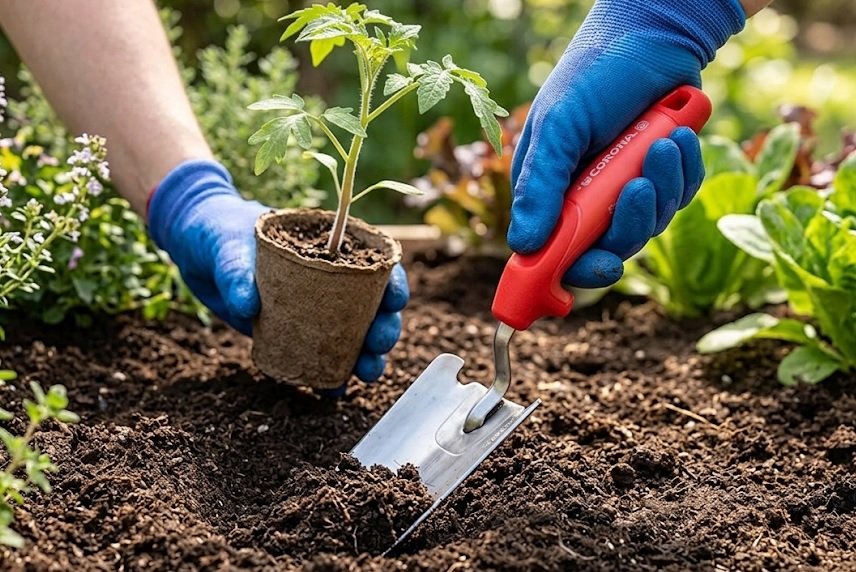
Corona ComfortGEL CT 3080 – Best Overall Choice
The Corona ComfortGEL CT 3080 features a rust-resistant, heat-treated carbon steel blade that powers through heavy clay with ease. Its ergonomic ComfortGEL handle reduces hand strain during extended planting sessions. This trowel is ideal for gardeners with mixed soil conditions who need one reliable, durable tool for all-season use.
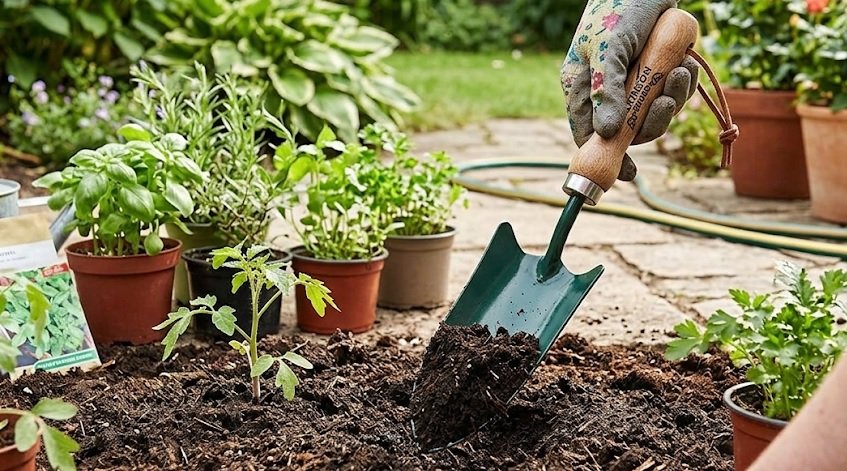
Wilkinson Sword Carbon Steel Trowel – Best for Light Sandy Soil
The Wilkinson Sword Carbon Steel Trowel weighs just 150 grams, making it perfect for sandy and loose soils where minimal effort is required. Its ultra-lightweight construction prevents wrist fatigue, while the corrosion-proof blade resists rust from acidic soil conditions. This is the best option for container gardeners and raised beds where delicate precision matters most.
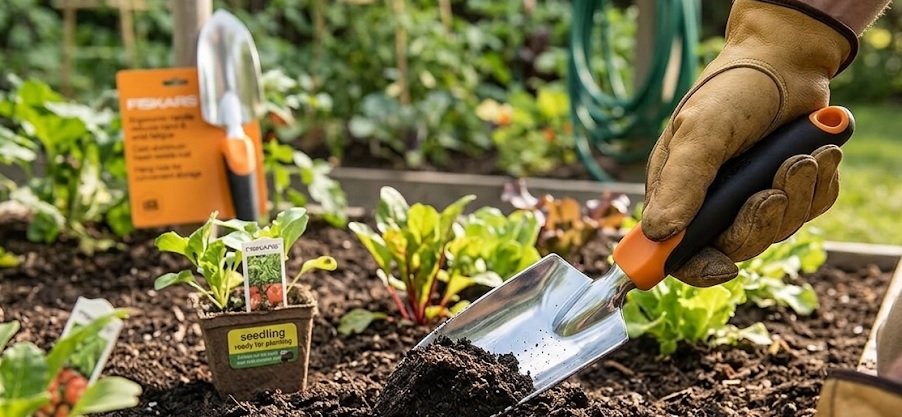
Fiskars Solid Trowel (Model 1020149) – Best Heavy-Duty Choice
The Fiskars Solid Trowel features a single-piece aluminum construction that never bends or breaks, even in rocky, compacted terrain. Its cast aluminum head transfers maximum force directly into tough soil, making it recommended for breaking new ground and transplanting established perennials. The ergonomic handle includes a hang hole for convenient storage after every gardening session.
Understanding Your Soil Type: The Foundation of Trowel Selection
Before purchasing any garden trowel, you must analyze your soil’s composition. Dig a small hole and observe the texture, moisture level, and resistance you encounter. Different soil types demand completely different tool characteristics for optimal performance.
Identifying Heavy Clay and Compacted Soils
Clay soil feels sticky when wet and forms hard clumps when dry. This soil type requires a trowel with a thick, sturdy blade made from heat-treated carbon steel to prevent bending under pressure.
- Blade thickness: Look for 2mm or thicker metal that resists warping
- Sharp edge: A beveled tip cuts through dense soil efficiently
- Full tang construction: Extends through the handle for maximum strength
Recognizing Sandy and Loose Soils
Sandy soil drains quickly and offers minimal resistance when digging. Gardeners with this soil type benefit from lighter trowels with aluminum or carbon fiber blades that reduce hand fatigue during repetitive tasks.
Testing for Rocky or Root-Filled Terrain
Rocky soil demands a trowel with a pointed tip for prying and navigating around obstacles. The Fiskars Solid Trowel excels in these conditions because its single-piece construction transfers force without flexing or breaking.
Key Takeaway: Test your soil by squeezing a moist handful. If it forms a tight ball that resists breaking, choose a heavy-duty trowel. If it crumbles easily, prioritize lightweight comfort.
Garden Trowel Handle Ergonomics and Grip Comfort
Your trowel handle directly impacts comfort, control, and long-term joint health. A poorly designed grip causes blisters and wrist pain, especially during extended planting sessions. Ergonomic handle design matters just as much as blade quality when choosing the right garden trowel.
Choosing the Right Handle Material
Each handle material offers distinct advantages for different gardening scenarios. Consider your typical session length and hand strength when evaluating options.
- Rubberized grips: Provide excellent shock absorption and non-slip performance in wet conditions
- Wooden handles: Offer natural comfort and classic aesthetics but require regular oiling
- Ergonomic contoured shapes: Reduce pressure points and distribute force across your palm
Handle Length and Leverage Considerations
Standard trowels measure 5-7 inches, but longer handles provide increased leverage for tough soil. A longer handle reduces wrist bending and transfers more power from your arm muscles. Shorter handles offer better precision for container gardening and tight spaces.
Test the grip before purchasing whenever possible. Wear your gardening gloves and simulate digging motions to ensure the handle feels comfortable in your hand. The Corona ComfortGEL CT 3080 excels in ergonomic design with its cushioned grip that conforms to your palm shape.
Key Takeaway: Match your handle material to your grip strength and gardening frequency. Gardeners with arthritis should prioritize cushioned, oversized grips that minimize joint stress.
Blade Materials and Durability: Comparing Steel, Aluminum, and Carbon Fiber
The blade material determines your trowel’s strength, weight, and resistance to corrosion. Each option presents a unique trade-off between durability and ease of use. Understanding these differences ensures you select a tool that lasts for years without compromising performance.
Carbon Steel Blades: Maximum Strength for Tough Soils
Carbon steel blades offer exceptional hardness and edge retention for penetrating compacted ground. They can be sharpened easily and withstand significant force without bending. However, carbon steel requires diligent cleaning and oiling to prevent rust formation when exposed to moisture.
Stainless Steel Blades: Rust Resistance with Moderate Weight
Stainless steel provides superior corrosion resistance while maintaining adequate strength for most gardening tasks. This material requires less maintenance and handles acidic soils without degrading. The Wilkinson Sword Carbon Fibre Trowel offers a similar rust-proof advantage with significantly less weight for extended use.
Aluminum and Carbon Fiber: Lightweight Precision
These modern materials reduce hand fatigue dramatically while offering adequate strength for loose and sandy soils. They resist rust completely and require minimal upkeep. The Fiskars Solid Trowel uses cast aluminum to achieve an excellent balance of durability and lightweight maneuverability.
| Blade Material | Best Soil Type | Weight | Maintenance |
|---|---|---|---|
| Carbon Steel | Heavy Clay | Heavy | High |
| Stainless Steel | Mixed Conditions | Medium | Low |
| Aluminum | Rocky Terrain | Light | Minimal |
| Carbon Fiber | Sandy Soil | Ultra-light | Minimal |
Key Takeaway: Match blade material to your primary soil condition. Heavy clay demands carbon steel, while sandy soil allows for lightweight aluminum or carbon fiber options.
Specialized Trowel Designs for Unique Gardening Tasks
Beyond standard digging trowels, specialized designs address specific gardening challenges. These purpose-built tools improve efficiency for transplanting, weeding, and bulb planting. Selecting the right specialized trowel saves time and protects your plants during delicate operations.
Transplant Trowels: Narrow Blades for Precision Work
Transplant trowels feature long, narrow blades that minimize root disturbance when moving seedlings. Their slim profile slides easily between established plants without damaging neighboring root systems. This design proves essential for thinning vegetable rows and dividing perennials with surgical accuracy.
Bulb Planting Trowels: Depth Markings for Consistent Planting
Bulb trowels include measurement markings along the blade to ensure consistent planting depths. Their extended length creates properly sized holes for daffodils, tulips, and other spring bulbs. The Corona ComfortGEL CT 3080 includes depth indicators that help gardeners achieve optimal planting conditions every time.
Weeding Trowels: Forked Tips for Root Removal
Weeding trowels feature forked or V-shaped tips designed to extract deep taproots completely. Their sharp edges slice through soil while gripping stubborn weeds for clean removal. This specialized design prevents weed regrowth by eliminating the entire root system in one motion.
- Transplant trowels: Best for seedlings and delicate root systems
- Bulb trowels: Ideal for consistent depth and large-scale planting
- Weeding trowels: Perfect for dandelions and deep-rooted weeds
Key Takeaway: Consider your most frequent gardening tasks when selecting a trowel. Specialized designs significantly improve efficiency for specific jobs like transplanting, bulb planting, or weed removal.
How to Maintain Your Garden Trowel for Long-Term Performance
Proper maintenance extends your trowel’s lifespan and keeps it performing at peak efficiency. Neglected tools rust, dull, and eventually break, forcing premature replacement. Following a simple care routine preserves your investment for decades of reliable gardening service.
Cleaning Your Trowel After Every Use
Remove soil and debris immediately after each gardening session to prevent moisture buildup. Rinse the blade with water and dry it thoroughly with a clean cloth. Pay special attention to the handle junction where dirt accumulates and promotes corrosion.
- Scrape off excess soil with a stiff brush or wooden stick
- Rinse with clean water to remove remaining particles
- Dry completely to prevent rust formation
- Wipe with light oil on carbon steel blades
Sharpening Techniques for Different Blade Materials
Carbon steel blades benefit from regular sharpening using a flat file or whetstone. Stainless steel requires less frequent sharpening but needs a diamond-coated tool when dull. Aluminum and carbon fiber blades cannot be sharpened and require replacement when they lose their edge.
Proper Storage Methods to Prevent Damage
Store your trowel in a dry location away from direct sunlight and extreme temperatures. Hang it on a pegboard or keep it in a tool rack to prevent blade contact with other metals. Avoid leaving your trowel in the soil overnight as moisture accelerates corrosion and dulls the cutting edge.
Key Takeaway: Clean, dry, and oil your trowel after each use. Proper maintenance prevents rust, maintains sharpness, and ensures your chosen tool performs reliably for many growing seasons.
Budget Considerations: Finding Quality Trowels at Every Price Point
Quality garden trowels range from under $10 to over $50, with significant variations in durability and performance. Understanding what each price tier offers helps you make an informed purchasing decision. You do not need to spend a fortune to find a reliable trowel that suits your gardening needs.
Budget Trowels Under $15: Functional Options for Casual Gardeners
Entry-level trowels typically feature stainless steel blades and basic plastic or wooden handles. These tools perform adequately for light gardening tasks in loose soil but may bend under heavy pressure. Budget trowels work well for container gardening and occasional planting sessions where durability demands are minimal.
Mid-Range Trowels $15-$30: The Sweet Spot for Most Gardeners
This price range offers the best balance of quality, ergonomics, and affordability. Trowels like the Corona ComfortGEL CT 3080 deliver professional-grade performance without breaking your budget. Expect features like cushioned grips, heat-treated steel, and extended warranties in this tier.
Premium Trowels Over $30: Professional-Grade Durability
High-end trowels feature premium materials like forged aluminum and ergonomic designs from leading manufacturers. These tools withstand decades of heavy use and often include lifetime warranties. The Fiskars Solid Trowel represents excellent value in this category with its unbreakable single-piece construction.
| Price Range | Best For | Key Features | Expected Lifespan |
|---|---|---|---|
| Under $15 | Casual Use | Basic Materials | 1-3 Years |
| $15-$30 | Regular Gardening | Ergonomic Grips | 5-10 Years |
| Over $30 | Professional Use | Premium Materials | 10+ Years |
Key Takeaway: Invest in a mid-range trowel if you garden regularly. The additional cost over budget options delivers significantly better ergonomics and durability that justify the investment.
Common Garden Trowel Mistakes and How to Avoid Them
Even experienced gardeners make avoidable errors that damage their trowels or compromise their planting success. Recognizing these common mistakes helps you protect your tools and improve your gardening technique. Avoiding these pitfalls extends tool life and enhances planting efficiency throughout the growing season.
Using the Wrong Trowel for Your Soil Type
Many gardeners purchase one trowel and use it for every task, regardless of soil conditions. Using a lightweight trowel in heavy clay causes blade bending and handle breakage. Match your trowel to your specific soil type to prevent premature tool failure and reduce physical strain.
Applying Excessive Force During Digging
Forcing a trowel into compacted soil with excessive pressure leads to blade warping and handle fractures. Instead of pushing harder, loosen the soil with water or a garden fork first. Let the tool’s sharp edge do the work rather than relying on brute strength.
Neglecting Regular Cleaning and Maintenance
Leaving soil on your trowel after use promotes rust and dulls the blade edge over time. Gardeners who skip basic cleaning often replace tools annually instead of enjoying decades of service. Develop a five-minute cleaning routine after every gardening session to preserve your investment.
- Mistake 1: Using one trowel for all soil types without consideration
- Mistake 2: Applying excessive downward pressure that bends blades
- Mistake 3: Storing trowels dirty and wet between uses
- Mistake 4: Ignoring handle discomfort that signals poor ergonomics
Key Takeaway: Match your tool to the task, use proper technique, and maintain your equipment consistently. These three habits prevent most common trowel failures and disappointments.
Conclusion: Choosing the Right Garden Trowel for Lasting Success
Selecting the right garden trowel for your soil type transforms your planting experience and protects your hands from unnecessary strain. Match blade material, handle design, and specialized features to your unique gardening conditions for optimal performance.
Start by analyzing your soil, then choose from our recommended options based on your budget and gardening frequency. Invest in quality, maintain your tool properly, and enjoy effortless planting for years to come.
Your perfect trowel awaits—visit your local garden center today and feel the difference a properly matched tool makes.
Frequently Asked Questions about Choosing the Right Garden Trowel
What is the best garden trowel for heavy clay soil?
The best garden trowel for heavy clay soil features a thick carbon steel blade with a sharp, beveled edge. The Corona ComfortGEL CT 3080 excels in these conditions due to its heat-treated steel construction that resists bending under pressure.
Look for a full-tang design where the blade extends through the handle for maximum strength. A comfortable, cushioned grip also helps reduce hand fatigue when working with dense, resistant soil.
How do I choose a garden trowel for sandy soil?
For sandy soil, prioritize lightweight materials like aluminum or carbon fiber that reduce hand fatigue during extended use. The Wilkinson Sword Carbon Fibre Trowel weighs only 150 grams, making it ideal for loose, easy-to-dig conditions.
Consider a narrower blade for precision work in containers and raised beds. Since sandy soil offers minimal resistance, you do not need heavy-duty construction that adds unnecessary weight.
What is the difference between a transplant trowel and a regular trowel?
A transplant trowel features a long, narrow blade designed to minimize root disturbance when moving seedlings. Regular trowels have wider, curved blades better suited for general digging and soil turning. The narrow profile of transplant trowels slides between established plants without damaging neighboring root systems.
Use a transplant trowel for thinning vegetable rows, dividing perennials, and planting small bulbs. Choose a regular trowel for larger digging tasks like creating planting holes for shrubs or mixing amendments into garden beds.
How do I sharpen a garden trowel blade?
Carbon steel blades sharpen easily using a flat file or whetstone at a 20-degree angle. Draw the file along the blade edge in smooth, consistent strokes, moving from the handle toward the tip. Stainless steel requires a diamond-coated sharpening tool because standard files cannot cut this harder material effectively.
Aluminum and carbon fiber blades cannot be sharpened and require replacement when dull. Always clean the blade thoroughly before sharpening and apply a light oil afterward to prevent rust formation.
Why does my garden trowel keep bending?
Your trowel likely bends because the blade material is too soft for your soil conditions. Budget trowels made from thin stainless steel often flex or warp when used in heavy clay or rocky terrain. Upgrade to a carbon steel or forged aluminum trowel designed for demanding soil types.
Also, avoid using excessive force when digging. Moisten dry, compacted soil before attempting to dig, and let the trowel’s sharp edge penetrate gradually rather than forcing the blade downward.
What is the best way to clean and store my garden trowel?
Clean your trowel immediately after each use by scraping off soil and rinsing with water. Dry the blade completely with a cloth to prevent rust, then apply a thin layer of oil to carbon steel surfaces. Store your trowel in a dry location away from moisture and extreme temperature fluctuations.
Hang your trowel on a pegboard or keep it in a tool rack to prevent blade contact with other metals. Never leave your trowel in the soil overnight, as moisture accelerates corrosion and dulls the cutting edge.
Are expensive garden trowels worth the investment?
Premium trowels over $30 typically feature superior materials, ergonomic handles, and lifetime warranties that justify their higher cost. The Fiskars Solid Trowel offers exceptional durability with its single-piece aluminum construction that never bends or breaks under normal use.
Mid-range trowels between $15 and $30 provide the best value for most gardeners, delivering professional-grade performance at an accessible price point. Budget trowels work for casual gardeners but often require replacement within a few seasons.
What handle material is most comfortable for garden trowels?
Rubberized and gel-filled handles provide the most comfort by absorbing shock and preventing blisters during extended use. The Corona ComfortGEL handle conforms to your palm and offers a non-slip grip even when wet. Wooden handles offer natural warmth but require regular oiling to prevent cracking.
Ergonomic contoured handles reduce pressure points and distribute force more evenly across your hand. Test different handle materials with your gardening gloves on to find the most comfortable option for your grip strength.