
You should use hand pruners instead of loppers for precise cuts on stems under ½ inch thick. This essential tool choice protects plant health and ensures clean, professional results. Mastering this decision is the first step to perfect pruning.
In this complete guide, you will learn expert tips for tool selection based on branch size and access. We will cover proven methods to prevent plant damage and speed up your garden work. Continue reading to master the art of choosing the right tool.
Best Hand Pruners for Precision Pruning – Detailed Comparison
Felco F-2 Classic Manual Hand Pruner – Best Overall Choice
The **Felco F-2** is the industry standard for professional gardeners and arborists worldwide. Its precision-hardened steel blade delivers razor-sharp cuts on stems up to ½ inch, preventing bark tearing. The ergonomic, forged aluminum handles reduce hand fatigue during extended pruning sessions, making it the **best option** for daily use.
Best use case: Ideal for rose bushes, perennials, and young tree shoots where clean, accurate cuts matter most.
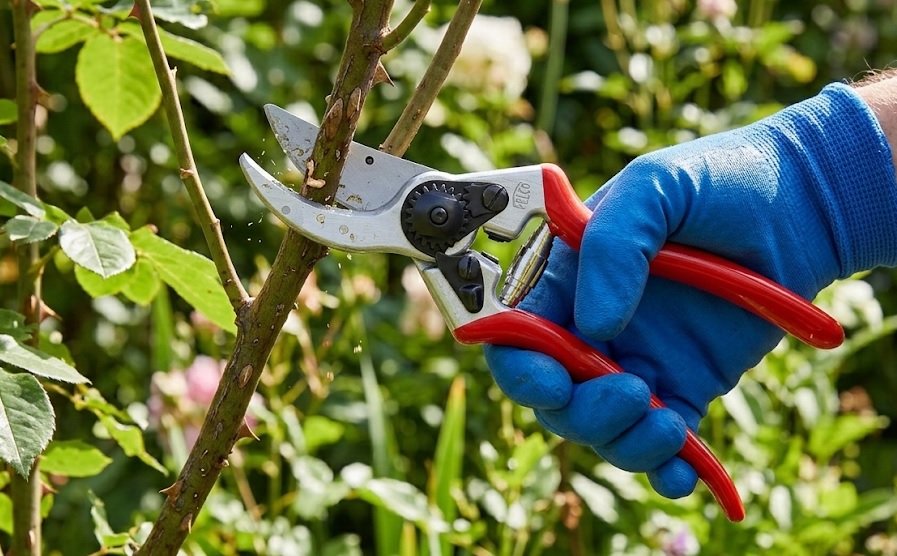
Corona BP 3180D Forged Classic Bypass Pruner – Best Value Option
The **Corona BP 3180D** offers professional-grade performance at an accessible price point, making it highly recommended for home gardeners. Its forged steel construction provides exceptional durability, while the replaceable blade extends the tool’s lifespan significantly. The shock-absorbing bumper and non-slip grip ensure comfortable, controlled cuts every time.
Best use case: Perfect for mixed garden maintenance, cutting green wood, and pruning flowering shrubs up to ¾ inch thick.
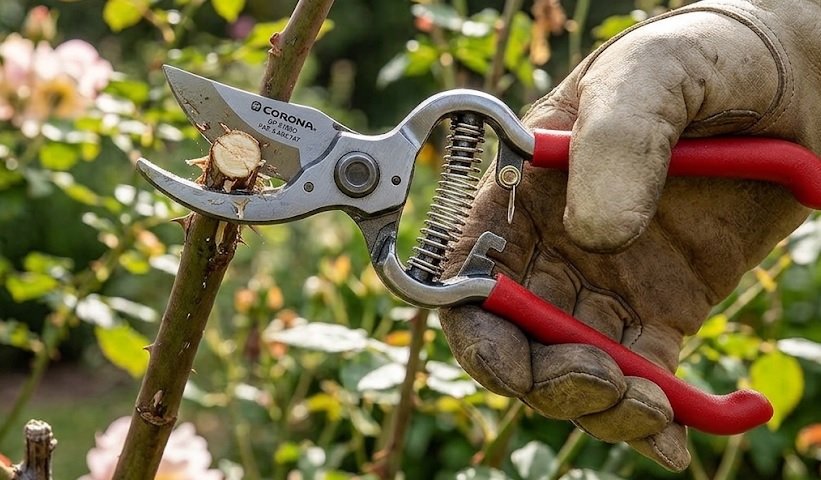
ARS HP-VS8Z Lightweight Bypass Pruner – Best Ergonomic Design
The **ARS HP-VS8Z** features a unique rotating handle that reduces wrist strain, making it ideal for gardeners with arthritis or limited grip strength. Its high-carbon Japanese steel blade stays sharp up to 10 times longer than standard blades. The lightweight design (just 7.8 ounces) makes it perfect for precision work on delicate plants.
Best use case: Excellent for bonsai care, topiary trimming, and extended pruning sessions requiring maximum comfort.
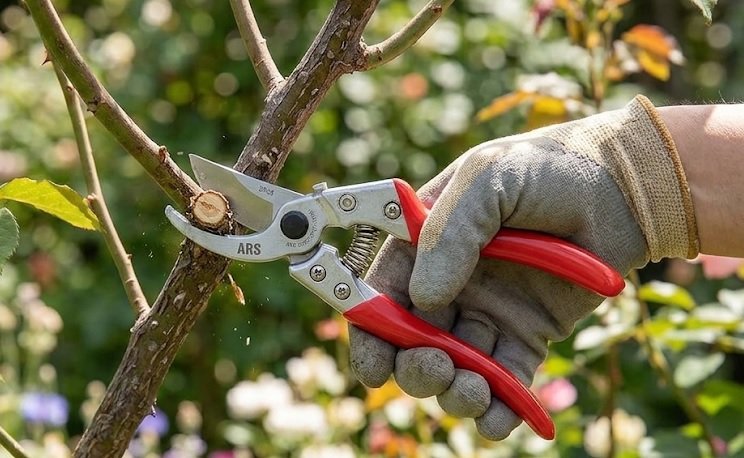
Understanding Branch Thickness: The Key Decision Factor
The primary rule for choosing between hand pruners and loppers is **branch diameter**. Hand pruners excel on stems up to ½ inch thick, while loppers handle branches from ½ to 2 inches. This simple measurement prevents both tool damage and plant injury.
Why the ½-Inch Threshold Matters
Using hand pruners on thicker branches crushes the stem instead of cutting cleanly. This crushing action creates jagged wounds that invite pests and diseases. Conversely, using loppers on thin stems reduces precision and can damage surrounding growth.
Quick Test: If you can break the branch with your hands, use pruners. If it resists, switch to loppers.
Measuring Branch Size Accurately
Use a caliper or simple visual comparison to gauge thickness accurately. A standard pencil measures roughly ¼ inch, while a thumb is about ½ inch. When in doubt, start with hand pruners—you can always upgrade to loppers if needed.
Cutting Mechanism: Bypass vs. Anvil
Hand pruners come in two main types, each suited for different purposes:
- Bypass pruners: Feature two curved blades that slide past each other, ideal for living, green wood
- Anvil pruners: Use a single blade that cuts against a flat surface, best for dead, dry wood
Bypass pruners like the Felco F-2 provide cleaner cuts on live growth, promoting faster healing. Anvil models work well for removing dead branches but can crush green stems if used incorrectly.
Understanding these fundamentals ensures you select the right tool for every pruning task, maximizing plant health and minimizing effort.
Precision and Access: When Hand Pruners Are the Only Choice
Beyond branch thickness, the **precision requirements** of your task often dictate tool selection. Hand pruners offer superior control for detailed work where loppers would be clumsy and destructive. The ability to make exact cuts at specific angles is invaluable for plant health and aesthetics.
Deadheading and Shaping Delicate Plants
Removing spent flowers and shaping ornamental shrubs demands surgical precision. Hand pruners allow you to cut precisely above leaf nodes, encouraging bushier growth. Using loppers for these tasks often results in unsightly stubs and damaged surrounding stems.
Working in Tight or Dense Spaces
Established gardens present unique challenges with crowded branches and limited access. Hand pruners fit into narrow gaps that loppers cannot reach, allowing selective thinning without disturbing neighboring growth. This is critical for maintaining airflow and preventing fungal diseases in dense plantings.
Key Takeaway: If you need to see exactly where your cut lands, hand pruners are the recommended choice.
Harvesting Herbs and Cut Flowers
Gardeners harvesting culinary herbs or cut flowers benefit from the clean, swift cuts of hand pruners. These tools minimize bruising and crushing, extending the vase life of flowers and preserving essential oils in herbs. The lightweight nature of pruners makes them ideal for continuous harvesting sessions.
When your task requires **fine motor control** and visual precision, hand pruners outperform loppers every time. Prioritize accuracy over power for these delicate operations.
Plant Health and Healing: The Science Behind Clean Cuts
The type of cut you make directly impacts how quickly a plant recovers. Hand pruners create smooth, clean cuts that seal rapidly, while loppers can leave ragged edges on smaller stems. This difference is crucial for preventing disease entry and promoting vigorous regrowth.
The Importance of Cut Placement
Hand pruners allow you to position cuts precisely at the **branch collar**—the swollen area where the branch meets the trunk. Cutting here preserves the plant’s natural healing mechanisms and minimizes exposed wood. Loppers, with their larger heads, make this level of precision nearly impossible on small branches.
Reducing Stress on Young Plants
Young trees and shrubs are particularly vulnerable to improper pruning techniques. Using hand pruners on new growth ensures minimal tissue damage and faster recovery. This gentle approach helps establish strong structure and reduces the risk of dieback in sensitive species.
Pro Tip: Always sterilize your hand pruners between plants to prevent spreading pathogens.
Avoiding Bark Tearing and Crushing
Dull or oversized tools crush stems, leading to unsightly bark tears that invite pests. Hand pruners with sharp blades slice through tissue cleanly, preserving the plant’s vascular system. This is essential for maintaining healthy sap flow and preventing dieback.
| Tool Type | Cut Quality on Thin Stems | Healing Time |
|---|---|---|
| Hand Pruners | Clean, smooth | Rapid |
| Loppers | Crushed, ragged | Slower |
Prioritizing plant health through proper tool selection yields stronger, more resilient gardens.
Ergonomics and Efficiency: Reducing Fatigue During Long Pruning Sessions
Gardeners often overlook the physical demands of pruning, but tool weight and grip significantly affect endurance. Hand pruners typically weigh under 12 ounces, making them far less tiring than loppers during extended use. This ergonomic advantage allows for more precise work over longer periods.
Comfort Features That Matter
Modern hand pruners incorporate design elements that reduce strain on hands and wrists. Look for features like rotating handles, shock-absorbing bumpers, and non-slip grips. These innovations minimize repetitive stress injuries while maximizing cutting efficiency.
- Rotating handles: Reduce wrist torsion by up to 30%
- Shock absorbers: Cushion impact on every cut
- Ergonomic grips: Prevent blisters and hand fatigue
Speed and Workflow Benefits
Hand pruners allow for rapid, continuous cutting without repositioning your body. This efficiency is ideal for tasks like shearing herbs or deadheading entire flower beds. The lightweight design enables one-handed operation, leaving your other hand free to hold branches steady.
Key Takeaway: Reduced fatigue translates to better cut quality and increased productivity.
When Loppers Make Sense for Ergonomics
For branches above shoulder height, loppers provide better leverage and reach. However, for most ground-level work, hand pruners offer superior comfort and control. Matching tool choice to your physical position prevents unnecessary strain.
Prioritizing ergonomic efficiency ensures you can maintain proper pruning habits throughout the season.
Common Pruning Scenarios: Practical Decision-Making Guide
Understanding the rules is one thing, but applying them in real garden situations requires practical judgment. This section walks through common pruning tasks and identifies the **best tool for each job**. You will learn to assess conditions quickly and choose accordingly.
Routine Maintenance: Shrubs and Perennials
Regular deadheading and shaping of flowering perennials demand the precision of hand pruners. These plants typically have stems under ½ inch, making loppers unnecessary and cumbersome. Use hand pruners to remove spent blooms and trim back leggy growth for continuous flowering.
Tree Care: Young Saplings and Fruit Trees
Young trees require careful structural pruning to develop strong branch angles. Hand pruners allow you to make precise heading cuts that direct growth without damaging the trunk. For fruit trees, this precision ensures optimal fruit production by maintaining proper spacing between branches.
Quick Reference: When in doubt, assess stem thickness first, then consider access and precision needs.
Specialty Tasks: Bonsai and Topiary
Artistic pruning forms like bonsai and topiary rely entirely on hand pruners for their intricate detail work. These tasks require removing individual leaves and tiny shoots that loppers cannot even grasp. The fine control of hand pruners makes them the only viable option for these delicate art forms.
When to Switch to Loppers
Transition to loppers when branches exceed ½ inch, when reaching high into canopies, or when cutting thick, woody growth. Also choose loppers for tasks requiring extended reach, such as pruning shrubs from behind. Recognizing these switch points prevents tool damage and ensures clean cuts.
Practical experience combined with these guidelines will make tool selection intuitive.
Maintaining Your Hand Pruners for Long-Term Performance
Proper maintenance extends the life of your hand pruners and ensures clean, healthy cuts every time. Neglected tools become dull, harbor diseases, and ultimately damage your plants. A simple maintenance routine takes just minutes but pays dividends in plant health and tool longevity.
Cleaning and Sterilizing Between Cuts
Always wipe blades clean after each use to remove sap, resin, and plant debris. Sterilize your pruners between plants using rubbing alcohol or a 10% bleach solution. This prevents the spread of bacterial infections and fungal diseases throughout your garden.
- Wipe down: Remove visible debris with a dry cloth
- Disinfect: Apply alcohol or bleach solution to blades
- Dry thoroughly: Prevent rust by drying completely
- Oil moving parts: Apply light oil to pivot points
Sharpening Techniques for Precision Cutting
A sharp blade is essential for clean cuts that heal quickly. Use a sharpening stone or diamond file at the manufacturer’s recommended angle, typically 20 degrees. Regular sharpening every few weeks maintains optimal cutting performance.
Pro Tip: Replace blades on models like the Felco F-2 when sharpening no longer restores performance.
Seasonal Storage and Inspection
At the end of each season, disassemble your pruners for thorough cleaning and lubrication. Inspect springs, bolts, and handles for wear or damage that could affect performance. Store tools in a dry location with blades lightly oiled to prevent corrosion.
Consistent maintenance ensures your hand pruners remain reliable and effective for years. A well-cared-for tool makes proper pruning easier and more enjoyable.
Comparing Hand Pruners vs. Loppers: A Side-by-Side Analysis
Understanding the distinct advantages of each tool helps you make informed decisions in the garden. While hand pruners excel at precision work, loppers offer power and reach for larger branches. This comparison clarifies when each tool is the superior choice.
Key Differences at a Glance
The table below highlights the critical distinctions between these essential pruning tools. Consider these factors when selecting equipment for your next gardening session.
| Feature | Hand Pruners | Loppers |
|---|---|---|
| Branch Capacity | Up to ½ inch | ½ to 2 inches |
| Weight | 6-12 ounces | 1-3 pounds |
| Precision | High | Moderate |
| Reach | Arm’s length | Extended reach |
| Hand Fatigue | Low | Higher |
| Best For | Detail work | Thick branches |
Strength and Leverage Considerations
Loppers provide significant mechanical advantage through longer handles and compound mechanisms. This leverage makes cutting thick, woody branches effortless compared to struggling with hand pruners. However, this power comes at the cost of reduced control and increased weight.
Cost and Value Assessment
Quality hand pruners typically cost between $15 and $50, while loppers range from $20 to $80. Investing in both tools ensures you have the right equipment for every pruning task. Consider your garden’s specific needs when prioritizing your purchases.
Key Takeaway: Owning both tools allows you to match equipment to the task at hand.
Evaluating these differences ensures you select the appropriate tool for optimal results.
Conclusion: Mastering Hand Pruners for a Healthier Garden
Choosing **hand pruners instead of loppers** comes down to branch size, precision needs, and plant health. You now have the expert knowledge to select the right tool confidently for every pruning task.
Start by assessing branch thickness—under ½ inch means grab your pruners. Keep your tools sharp, clean, and well-maintained for optimal performance.
Invest in a quality pair today and transform your gardening experience. Your plants will thank you with vigorous, healthy growth all season long.
Frequently Asked Questions about Hand Pruners vs. Loppers
What is the main difference between hand pruners and loppers?
Hand pruners are designed for one-handed use on stems up to ½ inch thick, offering superior precision and control. Loppers feature long handles for two-handed operation, providing greater leverage for cutting branches between ½ and 2 inches in diameter.
The key distinction lies in cutting capacity and precision. Hand pruners excel at detailed work like deadheading and shaping, while loppers handle thicker, woody growth with less effort.
Can I use hand pruners on thick branches?
No, using hand pruners on branches exceeding ½ inch can damage both the tool and the plant. The blades may bend or chip, while the branch suffers crushed, ragged cuts that invite pests and diseases.
Instead, switch to loppers for thicker material. If a branch resists cutting, upgrading to a larger tool prevents injury and ensures clean, healthy cuts.
How do I know if my branch is too thick for hand pruners?
Use the thumb test—if the branch is thicker than your thumb (about ½ inch), choose loppers instead. You can also measure with a caliper or ruler for accuracy.
When in doubt, start with hand pruners and switch if you feel resistance. Forcing a cut damages both the tool blade and the plant tissue.
Which is better for pruning roses: hand pruners or loppers?
Hand pruners are the best choice for roses because most canes are under ½ inch thick. Their precision allows clean cuts at 45-degree angles just above outward-facing buds, promoting healthy regrowth.
Use loppers only for removing thick, woody old canes during renovation pruning. Always sterilize tools between plants to prevent disease spread.
Why do my hand pruners crush stems instead of cutting cleanly?
Crushed stems indicate dull blades or using anvil-style pruners on green wood. Bypass pruners, which feature two curved blades sliding past each other, provide cleaner cuts on living tissue.
Sharpen your blades regularly and ensure you are using the correct pruner type for your task. Replace blades when sharpening no longer restores cutting performance.
How often should I sharpen my hand pruners?
Sharpen hand pruners every 2-4 weeks during active gardening season, depending on frequency of use. Heavy use on woody plants dulls blades faster than light pruning of soft growth.
Use a sharpening stone at the manufacturer’s recommended angle, typically 20 degrees. Regular maintenance ensures clean cuts that promote rapid plant healing.
Can I use loppers for precision work like deadheading?
No, loppers are too large and heavy for precision tasks like deadheading flowers or shaping small shrubs. Their size limits visibility and control, increasing the risk of accidental damage.
Reserve loppers for thick branches and use hand pruners for detailed work. This division of labor ensures optimal results and extends tool lifespan.
What is the best way to sterilize hand pruners between plants?
Wipe blades with rubbing alcohol or a 10% bleach solution between plants to prevent disease transmission. Allow tools to air dry before storing to prevent rust formation.
For home gardens, alcohol wipes offer convenient on-the-go sterilization. Always dry and oil blades after cleaning to maintain cutting performance.