
No, you should not line the bottom of a raised garden bed with weed fabric. While it seems like a proven method for blocking weeds, this material often harms soil health and blocks beneficial earthworms. This complete guide reveals why landscape fabric fails and offers expert tips for superior drainage and natural weed control.
You will learn the exact reasons weed fabric causes more problems than it solves. We will also compare alternative materials, such as cardboard and hardware cloth, to help you build the healthiest growing environment possible. Discover the best layering strategy for your raised beds to boost yields and reduce maintenance for years to come.
Best Landscape Fabric Alternatives for Raised Garden Beds
Choosing the right barrier for your raised bed bottom is crucial for drainage and soil health. We have tested and researched the top alternatives to weed fabric to bring you the best options available. These products prevent weeds without suffocating your soil’s ecosystem.
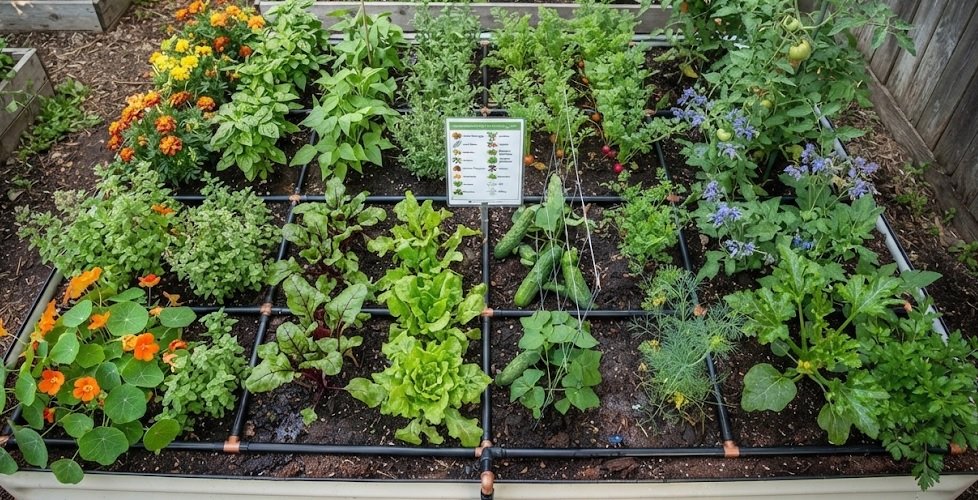
Garden Grid™ Watering System by Garden In Minutes – Best Overall Choice
The Garden Grid™ (Model GG-4X8) replaces both underground irrigation and weed barriers. This system sits above the soil line, preventing weeds from establishing while delivering precise water directly to roots. It is ideal for gardeners who want a complete, low-maintenance watering and weeding solution in one durable package.
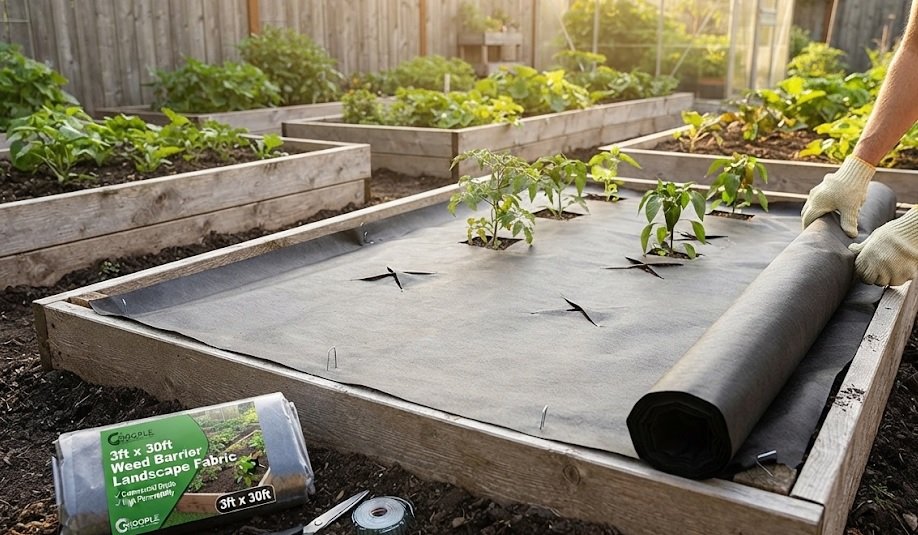
HOOPLE Garden Weed Barrier Landscape Fabric – Best for Paths
The HOOPLE 5oz Heavy Duty Weed Barrier (Model HP-WB5150) is a thick, woven fabric that excels under gravel or between raised beds. It blocks sunlight effectively to stop weed growth while remaining permeable for water. This is the best option for permanent pathways, though it should not be placed inside the planting zone.
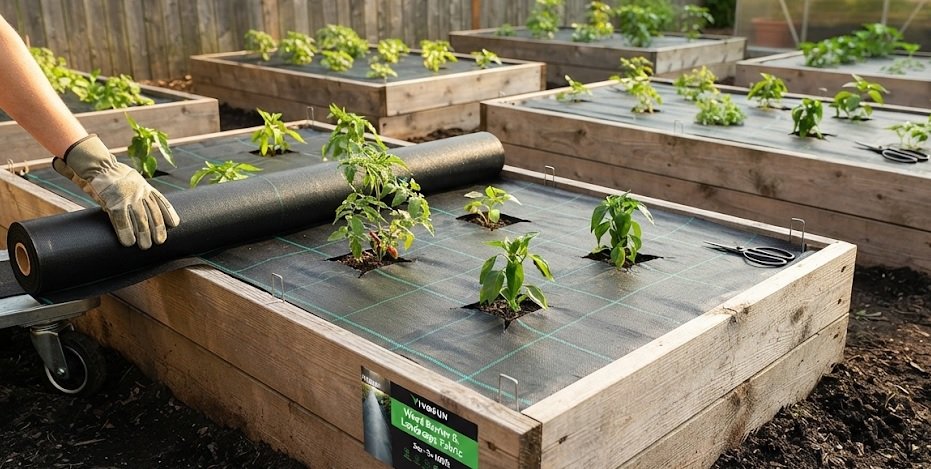
Vivosun 4x100ft Raised Garden Bed Liner – Best Budget Option
The Vivosun Heavy Duty PE Tarpaulin (Model VSPE-4100) is a cost-effective solution for protecting wooden frames from moisture rot. While not a weed barrier for the bottom, it works perfectly as a side liner to extend bed longevity. It is ideal for gardeners on a budget looking to protect their lumber investment.
Why Weed Fabric Fails in Raised Garden Beds
Weed fabric creates a physical barrier that blocks water infiltration and gas exchange. Over time, organic matter and soil particles clog the tiny pores, causing water to pool on top. This leads to waterlogged roots and increased risk of root rot diseases.
The Soil Health Problem
Earthworms and beneficial microorganisms cannot pass through the fabric to aerate the soil. These organisms are essential for breaking down organic matter and creating nutrient-rich castings. Without them, your raised bed soil becomes compacted and lifeless.
The Weed Seed Problem
Wind and birds deposit new weed seeds directly on top of the fabric. These seeds germinate in the thin layer of soil and debris that accumulates on the surface. The result is weeds growing in the fabric itself, with roots that become nearly impossible to remove.
What to Use Instead
Cardboard and newspaper offer a biodegradable alternative that blocks weeds initially. Hardware cloth with 1/4-inch mesh prevents burrowing pests like gophers while allowing water flow. For the best results, layer these materials strategically:
- Bottom layer: Hardware cloth to block pests
- Middle layer: Cardboard to suppress weeds
- Top layer: 2-3 inches of coarse gravel for drainage
This layered approach mimics natural soil profiles and supports healthy root development. It also breaks down over time, adding organic matter instead of creating waste.
How to Properly Layer Your Raised Garden Bed Bottom
Building the perfect raised bed base requires understanding drainage and soil biology. The goal is to create a barrier that blocks pests and weeds while allowing water and air to flow freely. Here is the proven method used by professional gardeners.
Step-by-Step Layering Guide
Start by clearing the ground area where your raised bed will sit. Remove grass, rocks, and existing weeds to create a level surface. This preparation prevents future growth from pushing up through your new layers.
- Install hardware cloth: Cut 1/4-inch galvanized mesh to fit the bottom. Staple it securely to the frame edges to block voles and gophers.
- Add cardboard sheets: Lay overlapping cardboard pieces to smother remaining grass and weed seeds. Use plain, uncoated cardboard without tape or glossy print.
- Fill with soil: Add your raised bed soil mix directly on top. The cardboard will decompose within months, adding carbon to the soil.
Drainage Considerations for Different Climates
In wet climates, add a 2-inch layer of coarse gravel between the cardboard and soil. This creates a drainage reservoir that prevents waterlogged roots during heavy rains.
For dry climates, skip the gravel and use a thicker cardboard layer to retain moisture. You can also add a layer of wood chips beneath the bed to slowly release nutrients as they break down.
Common Mistakes to Avoid
- Using landscape fabric: It blocks earthworms and creates drainage problems.
- Adding too much gravel: A thick layer creates a “perched water table” that keeps roots wet.
- Forgetting to level the ground: Uneven bases cause structural stress on bed frames.
Maintaining Your Raised Garden Bed Without Weed Fabric
Once your raised bed is properly layered, ongoing maintenance becomes simple and organic. Without weed fabric, you will need to adopt a few sustainable practices to keep weeds at bay. These methods improve soil health rather than degrading it over time.
Mulching Strategies for Weed Prevention
A thick layer of organic mulch is your first defense against weed seeds. Apply 2-3 inches of straw, shredded leaves, or wood chips on top of the soil. This blocks sunlight while retaining moisture and regulating soil temperature.
Replenish mulch twice per year as it breaks down into the soil. Each application adds valuable organic matter that feeds beneficial microbes. This continuous cycle replaces the need for synthetic barriers entirely.
Routine Weed Management Tips
Weeds that do appear are easier to remove without fabric because roots cannot tangle in mesh. Use these proven methods to stay ahead of unwanted growth:
- Hand-pull after watering: Moist soil releases roots more easily, preventing breakage.
- Use a hoe weekly: Shallow cultivation disrupts weed seedlings before they establish.
- Apply corn gluten meal: This natural pre-emergent prevents weed seeds from germinating.
Seasonal Soil Care Practices
Test your soil pH annually and amend with compost to maintain fertility. Add 1-2 inches of finished compost each spring to replace nutrients used by previous crops. This practice keeps your raised bed productive without synthetic fertilizers.
Consider planting cover crops like clover or buckwheat during off-seasons. These living mulches suppress weeds and add nitrogen when turned under. This proactive approach reduces maintenance while improving soil structure.
Comparing Raised Bed Bottom Options: Pros and Cons
Choosing the right bottom layer depends on your specific garden conditions and pest pressures. Each material offers distinct advantages and potential drawbacks. This comparison helps you make an informed decision for your raised garden bed.
Material Comparison Table
Review the key differences between popular raised bed bottom materials. Use this quick reference to select the best option for your unique situation.
| Material | Weed Control | Drainage | Pest Barrier | Lifespan |
|---|---|---|---|---|
| Cardboard | Excellent | Good | Poor | 6-12 months |
| Hardware Cloth | None | Excellent | Excellent | 10+ years |
| Landscape Fabric | Good initially | Poor over time | Fair | 2-3 years |
| Newspaper | Good | Good | Poor | 3-6 months |
| Gravel Layer | None | Excellent | Fair | Permanent |
Cost Comparison of Bottom Materials
Budget plays a significant role in material selection for most gardeners. Here is what you can expect to spend per square foot for each option:
- Cardboard: Free to $0.10 per square foot from local stores
- Hardware cloth: $1.50-$2.50 per square foot for galvanized mesh
- Landscape fabric: $0.30-$0.80 per square foot for quality brands
- Newspaper: Free if you collect from neighbors or recycling centers
- Gravel: $0.50-$1.00 per square foot for 2-inch depth
Environmental Impact Considerations
Biodegradable options like cardboard and newspaper enrich soil as they decompose. Synthetic materials like landscape fabric end up in landfills after their useful life ends.
For most gardeners, a combination approach offers optimal results. Start with hardware cloth for long-term pest prevention, then add cardboard for initial weed control. This strategy provides immediate benefits and lasting soil health improvements.
Expert Tips for Specific Raised Bed Scenarios
Different gardening situations require tailored solutions for the bottom of raised beds. Whether you are gardening on concrete, dealing with aggressive pests, or building a deep bed, these expert tips will guide you. Adapt these proven methods to match your unique circumstances.
Raised Beds on Hard Surfaces
Placing raised beds directly on concrete, patios, or balconies requires special consideration. You need to ensure proper drainage while protecting the surface beneath from moisture damage. Use feet or casters to elevate the bed slightly and allow water to escape freely.
Add a 2-inch layer of gravel at the bottom to create a drainage reservoir. This prevents water from pooling at the base and causing root rot. Consider using a liner specifically designed for hard surfaces to protect your patio.
Deep Root Gardening Beds
For beds taller than 24 inches, you can use the bottom portion for fill materials. Place large logs, branches, and untreated wood chunks in the lower third of the bed. This creates a “hugelkultur” effect that retains moisture and slowly releases nutrients.
Dealing with Aggressive Pests
In areas with heavy vole, mole, or gopher pressure, hardware cloth is non-negotiable. Use 1/4-inch galvanized mesh and extend it up the sides of the bed by 6 inches. This prevents pests from tunneling in from below or the sides.
- For voles: Use 1/4-inch mesh and bury edges 6 inches deep
- For moles: Add a wire basket that wraps the entire root zone
- For rabbits: Extend hardware cloth up the sides 24 inches
Check the mesh annually for rust or damage, especially in humid climates. Replace any corroded sections promptly to maintain a continuous barrier. This proactive maintenance ensures long-term pest protection for your investment.
Frequently Asked Questions About Raised Bed Liners
Many gardeners have specific questions about what works best for their raised beds. Here are clear, evidence-based answers to the most common concerns. These responses will help you avoid costly mistakes and grow healthier plants.
Should I Use Plastic Sheeting Under My Raised Bed?
No, plastic sheeting traps water and creates anaerobic conditions that harm plant roots. It also blocks beneficial soil organisms from moving between the ground and your bed. If you must use plastic, poke drainage holes every 6 inches and only use it on hard surfaces.
How Long Does Cardboard Last in a Raised Bed?
Standard cardboard takes approximately 6 to 12 months to fully decompose underground. Thicker, double-wall cardboard lasts longer and provides better initial weed suppression. The decomposition process adds valuable carbon to your soil, improving its structure over time.
Can I Put Rocks or Gravel at the Bottom of My Raised Bed?
A thin layer of gravel (1-2 inches) is acceptable in wet climates for improved drainage. However, a thick layer creates a perched water table that keeps roots saturated. Stick to a shallow gravel layer or skip it entirely in most cases.
Do I Need a Liner If My Raised Bed Has No Bottom?
Open-bottom beds that sit directly on soil do not strictly need a liner. However, adding hardware cloth prevents burrowing pests from entering through the bottom. A layer of cardboard also suppresses grass and weeds during the first growing season.
What Is the Best Way to Prevent Weeds in a Raised Bed?
Combine a cardboard base layer with a 2-3 inch organic mulch on top of the soil. This dual approach blocks weeds from below and above the soil surface. Replenish mulch seasonally and hand-pull any weeds that appear promptly.
Tools and Accessories for Building Your Raised Bed Base
Having the right tools makes installing your raised bed bottom layer much easier. You will need a few essential items to cut materials, secure them properly, and protect your hands. Here is a practical list of tools recommended for this project.
Essential Tools for Installation
Start with a sturdy pair of tin snips or heavy-duty scissors for cutting hardware cloth. Wear thick leather gloves to protect your hands from sharp wire edges. A staple gun with galvanized staples secures mesh and fabric to wooden frames efficiently.
- Tin snips: Cut through galvanized mesh cleanly without fraying
- Staple gun: Fasten materials securely to the bed frame
- Utility knife: Slice cardboard and landscape fabric with precision
- Measuring tape: Ensure accurate cuts for a snug fit
- Work gloves: Protect hands from sharp edges and splinters
Optional Accessories for Enhanced Performance
A soil knife is invaluable for cutting through roots and making planting holes. A garden fork helps loosen compacted soil before adding new layers. A wheelbarrow simplifies transporting soil and gravel to your bed location.
Safety Considerations When Working with Materials
Always wear safety glasses when cutting wire mesh to prevent eye injuries. Avoid walking on installed hardware cloth without protection to prevent punctures. Keep all tools out of reach of children and pets during the installation process.
Clean and dry your tools after each use to prevent rust and extend their lifespan. Store them in a dry location away from moisture and direct sunlight. Proper tool maintenance ensures they are ready for your next gardening project.
Conclusion: Skip Weed Fabric for Healthier Raised Beds
Lining your raised garden bed bottom with weed fabric is a common mistake that harms soil health. Instead, use hardware cloth for pest protection and cardboard for initial weed suppression. This combination promotes drainage, supports earthworms, and builds richer soil over time.
Start your raised bed project today with these proven layering methods. Gather your materials, follow the step-by-step guide, and enjoy a thriving garden without the frustration of fabric failure. Your plants will thank you with vigorous growth and abundant harvests for years to come.
Frequently Asked Questions about Lining Raised Garden Beds
What is the best material to put at the bottom of a raised garden bed?
The best combination is hardware cloth covered by cardboard. Hardware cloth blocks burrowing pests while cardboard suppresses weeds and decomposes into beneficial organic matter. This layered approach provides immediate protection and long-term soil improvement.
Avoid landscape fabric and plastic sheeting, which block drainage and harm soil life. For beds on hard surfaces, add a 2-inch gravel layer beneath the cardboard. This combination works for most climates and gardening situations.
Should I line the bottom of my raised garden bed with landscape fabric?
No, landscape fabric is not recommended for raised bed bottoms. It clogs with soil particles over time, preventing water drainage and airflow to plant roots. Earthworms cannot pass through the fabric, which disrupts natural soil aeration and nutrient cycling.
Instead, use permeable materials like cardboard or newspaper that break down naturally. These biodegradable options suppress weeds initially while enriching your soil as they decompose.
How deep should a raised garden bed be for vegetables?
Most vegetables need at least 12 inches of quality soil to thrive. Deep-rooted crops like tomatoes, carrots, and potatoes require 18-24 inches for optimal growth. Taller beds also provide better drainage and are easier to maintain without bending.
If your bed sits on grass or soil, you can add 6 inches of raised bed and let roots grow into the ground below. For hard surfaces, plan for a minimum of 18 inches of soil depth.
Will cardboard attract termites to my raised garden bed?
Cardboard alone does not typically attract termites, but it can provide shelter if conditions are favorable. Termites prefer moist, undisturbed wood in contact with soil. To minimize risk, avoid thick cardboard layers and keep your raised bed well-drained.
Use a single layer of cardboard and cover it with soil immediately. This reduces the window for pests to colonize the material before it decomposes.
Can I put grass clippings at the bottom of a raised bed?
Yes, grass clippings can be used as a bottom layer, but only if they are dry and chemical-free. Fresh clippings mat together and create anaerobic conditions that produce foul odors. Allow clippings to dry thoroughly before adding them to your bed.
Mix dry clippings with cardboard or leaves for better aeration. This combination adds nitrogen and organic matter as it breaks down, benefiting your soil.
How do I stop weeds from growing through the bottom of my raised bed?
Start by placing overlapping cardboard sheets at the bottom to smother existing weeds and grass. Add a 2-3 inch layer of organic mulch on top of your soil to block new weed seeds. Hand-pull any weeds that appear before they set seed.
Maintain a consistent mulching schedule and avoid disturbing the soil unnecessarily. This prevents dormant weed seeds from reaching the surface and germinating.
What should I put under a raised garden bed on concrete?
Place a protective barrier like a pond liner or heavy-duty tarp between the concrete and bed frame. This prevents moisture damage to the concrete surface. Elevate the bed slightly with feet or casters to allow water to drain freely.
Add a 2-inch gravel layer at the bottom for drainage, followed by cardboard and soil. This setup prevents waterlogging and protects your concrete investment.
Why is water pooling in my raised garden bed?
Water pooling usually indicates poor drainage caused by compacted soil or a non-permeable liner. Remove any landscape fabric or plastic that may be blocking water flow. Aerate the soil with a garden fork and add organic matter like compost to improve drainage.
Ensure your bed has adequate drainage holes if it has a solid bottom. For beds on soil, consider adding a gravel layer to facilitate water movement.