Companion plants naturally repel garden pests by masking scents, attracting predators, and acting as living barriers. This proven method reduces damage without harsh chemicals, creating a healthier ecosystem. Strategic placement maximizes these protective benefits.
In this complete guide, you’ll discover the top pest-repelling plants, their ideal pairings, and expert tips for implementation. We’ll cover everything from aromatic herbs to vibrant flowers. Keep reading to transform your garden into a resilient, self-defending sanctuary.
Best Companion Planting Guides for a Thriving Garden
To master companion planting, a reliable reference is essential. These three books offer expert tips and proven methods for every gardener. Each resource provides specific pairings to naturally repel garden pests and boost yields.
“The Vegetable Gardener’s Bible” (10th Anniversary Edition) by Edward C. Smith
This is the **best overall choice** for comprehensive growing strategies. It details the WORD system for high-yield beds, with a dedicated chapter on companion planting. The clear charts make identifying natural pest deterrents quick and easy. Ideal for beginners and seasoned growers wanting a foundational reference.
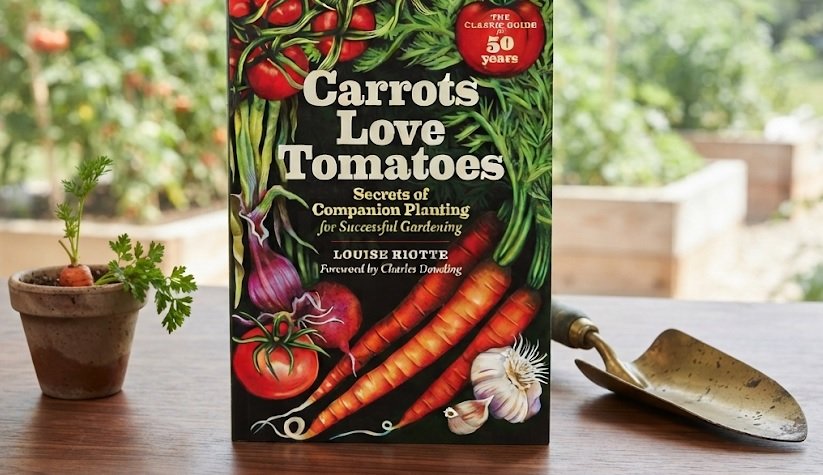
“Carrots Love Tomatoes: Secrets of Companion Planting” by Louise Riotte
This classic is the **best option** for specific plant pairings. Riotte’s book offers an exhaustive A-to-Z list of compatible and incompatible plants. It provides time-tested, anecdotal wisdom on using herbs and flowers to deter pests. Perfect for gardeners seeking a simple, alphabetical lookup for companion planting combinations.
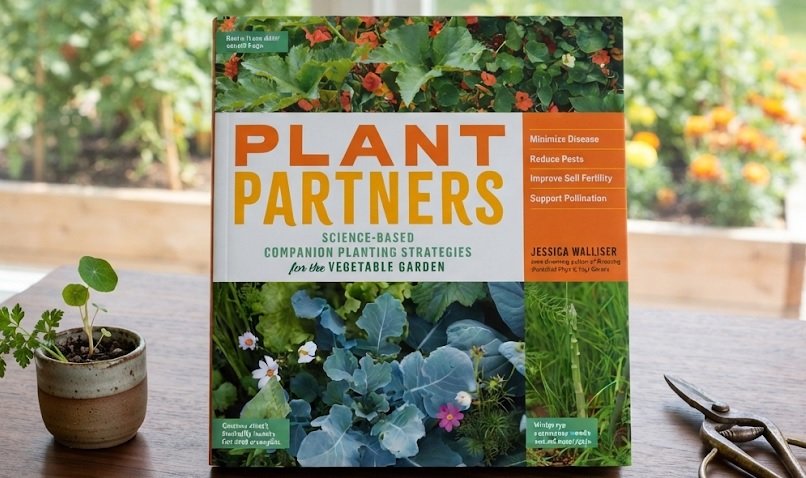
“Plant Partners: Science-Based Companion Planting Strategies” by Jessica Walliser
For a modern, evidence-based approach, this is the **recommended** choice. Walliser focuses on the science behind pest-repelling and beneficial insect attraction. It explains *why* certain pairings work, offering a deeper understanding of garden ecology. This is ideal for gardeners who prefer proven methods over folklore.
How Companion Planting Works: The Science of Natural Pest Control
Companion planting leverages natural plant chemistry and biology to create a balanced ecosystem. It is a proven method that reduces reliance on synthetic pesticides. Understanding these mechanisms helps you choose the most effective combinations.
Mechanisms of Pest Repellency
Plants defend themselves through several distinct strategies. These natural interactions form the basis of effective companion planting.
- Scent Masking: Strong-smelling herbs like rosemary and sage confuse pests. They mask the attractive aroma of target crops like carrots or cabbage.
- Visual Disruption: Tall plants, such as sunflowers, break up the visual silhouette of crops. This makes it harder for flying insects to locate their host plants.
- Chemical Deterrents: Certain roots release compounds into the soil. Marigolds, for example, emit a chemical that repels nematodes.
- Trap Cropping: Some plants are more attractive to pests than others. Nasturtiums lure aphids away from your prized vegetables, acting as a sacrificial plant.
Attracting Beneficial Predators
Beyond repelling pests, companion plants actively invite their natural enemies. Flowers like dill, fennel, and yarrow are excellent for this purpose. They provide nectar and pollen for predatory insects.
These beneficial insects—such as ladybugs, lacewings, and parasitic wasps—then control pest populations. This creates a self-regulating system where nature does the heavy lifting. It is a proactive approach to garden health.
Key Takeaway Box
Summary: Companion planting works through scent masking, visual disruption, chemical deterrents, and attracting predators. These methods create a resilient garden ecosystem that protects itself naturally.
Top Pest-Repelling Companion Plants for Your Vegetable Garden
Certain plants are superstars when it comes to natural pest control. Integrating these into your garden beds provides reliable protection. Here are the most effective and versatile options to consider.
Marigolds: The Garden’s Protective Workhorse
Marigolds are the **best option** for general pest deterrence. Their strong scent repels aphids, mosquitoes, and even rabbits. They also release a chemical from their roots that kills harmful nematodes in the soil.
- Best pairings: Tomatoes, peppers, potatoes, and squash.
- Key benefit: Protects underground and above-ground simultaneously.
Basil: Aromatic Protection for Nightshades
Basil is a culinary favorite that doubles as a powerful insect repellent. Its pungent essential oils confuse and deter tomato hornworms, thrips, and flies. It also improves the flavor and growth of nearby tomato plants.
- Best pairings: Tomatoes, peppers, and asparagus.
- Key benefit: Repels flying insects and enhances crop flavor.
Nasturtiums: The Ultimate Trap Crop
Nasturtiums are sacrificial plants that lure pests away from your vegetables. Aphids and cabbage loopers prefer them over your prized crops. They also act as a ground cover, retaining soil moisture and suppressing weeds.
- Best pairings: Cabbage, broccoli, kale, and cucumbers.
- Key benefit: Attracts pests away and provides edible flowers.
Quick Reference Table
| Plant | Pests Repelled | Best Companions |
|---|---|---|
| Marigold | Aphids, Nematodes | Tomatoes, Squash |
| Basil | Hornworms, Flies | Tomatoes, Peppers |
| Nasturtium | Aphids, Loopers | Cabbage, Cucumbers |
These three plants provide a solid foundation for any pest management strategy. Start with these to see immediate results in your garden.
How to Implement Companion Planting in Your Garden Layout
Knowing which plants work together is only half the battle. Proper layout and timing are crucial for success. Follow these expert tips to maximize the pest-repelling benefits in your garden.
Strategic Placement Techniques
Where you position companion plants matters as much as what you plant. Interplanting, rather than separate rows, creates the most effective barrier.
- Interplanting: Scatter repellent plants between your vegetables. This confuses pests and prevents them from forming large colonies.
- Border Planting: Create a protective perimeter using strong-smelling herbs. This acts as a first line of defense against incoming insects.
- Succession Planting: Plant companions at different times to ensure continuous protection. This maintains a consistent deterrent presence throughout the season.
Timing and Spacing Considerations
Proper spacing prevents competition for water and nutrients. Overcrowding can stress plants, making them more susceptible to pests. Follow seed packet guidelines for optimal distances.
Plant fast-growing companions like radishes early. They mature quickly and provide early-season protection while slower crops establish. This is a proven method for maximizing garden efficiency.
Common Mistakes to Avoid
Avoid planting incompatible species that can hinder each other’s growth. For example, keep fennel away from most vegetables, as it inhibits their development. Also, avoid monoculture planting, which creates a target-rich environment for pests.
Pro Tip: Start with a simple interplanting plan. Choose just two or three companion pairings to test. Observe the results and expand gradually based on what works best in your specific climate.
Implementing these strategies will create a balanced, resilient garden. You will notice fewer pests and healthier, more productive plants.
Advanced Companion Planting Strategies for Specific Pests
While general pairings provide broad protection, targeted strategies yield exceptional results. Different pests require specific deterrents. Here are proven methods for tackling common garden invaders.
Combating Aphids and Whiteflies
Aphids and whiteflies are among the most destructive garden pests. They multiply rapidly and weaken plants by sucking sap. Strategic companion planting can effectively control these infestations.
- Plant chives and garlic near roses and lettuce to repel aphids with their strong sulfur compounds.
- Grow catnip around eggplants and peppers; it is scientifically proven to repel flea beetles and aphids.
- Use sweet alyssum as a ground cover to attract hoverflies, whose larvae consume up to 150 aphids daily.
Deterring Cabbage Worms and Loopers
Cabbage worms and loopers devastate brassica crops like kale and broccoli. They are the larvae of white butterflies and moths. Interplanting with aromatic herbs is the best defense.
Thyme and oregano create a fragrant barrier that confuses these pests. Dill attracts parasitic wasps that prey on the larvae, offering a two-pronged attack. This combination provides robust protection for your leafy greens.
Repelling Tomato Hornworms
Tomato hornworms are large, voracious caterpillars that can strip a plant overnight. They are difficult to spot due to their green camouflage. Companion planting offers a proactive solution.
- Plant borage near tomatoes; it repels hornworms while also improving soil calcium levels.
- Grow marigolds as a border; their root exudates deter the moths that lay hornworm eggs.
- Incorporate basil between tomato plants to mask their scent and confuse adult moths.
Key Takeaway: Match your companion plants to your specific pest problems. This targeted approach delivers faster, more effective results than generic pairings.
Seasonal Companion Planting: Year-Round Pest Protection
Pest pressure changes throughout the growing season. A static planting plan leaves gaps in your defenses. Adapting your companion plants to each season ensures continuous, effective protection.
Spring Planting: Early Season Defense
Cool-season pests like cutworms and flea beetles emerge early. Protect your tender seedlings from day one with fast-growing companions.
- Radishes act as trap crops for flea beetles, sacrificing themselves to protect your leafy greens.
- Peas fix nitrogen in the soil, boosting the health and resilience of neighboring spring crops.
- Cilantro attracts beneficial insects early, establishing a predator population before pests peak.
Summer Strategies: Peak Pest Pressure
Summer brings the highest concentration of aphids, hornworms, and beetles. Your companion planting must be robust and diverse during this period. Interplanting heat-tolerant herbs is essential.
Basil and oregano thrive in summer heat while repelling a wide range of pests. Nasturtiums provide continuous trap cropping for aphids. This combination creates a dense, aromatic barrier around your vegetables.
Fall Extensions: Protecting Late Crops
Fall gardens face cabbage worms and root maggots. Extend your protection with cold-hardy companion plants. These continue to deter pests as temperatures drop.
- Garlic and onions planted in fall repel root maggots and aphids well into winter.
- Mustard greens act as a trap crop for harlequin bugs, keeping them off your cabbage.
- Dill continues attracting parasitic wasps until the first hard frost.
| Season | Key Pests | Best Companions |
|---|---|---|
| Spring | Flea Beetles, Cutworms | Radishes, Peas |
| Summer | Aphids, Hornworms | Basil, Nasturtiums |
| Fall | Worms, Maggots | Garlic, Dill |
By planning for each season, you maintain a consistent defense. This proactive approach keeps your garden healthy and productive all year long.
Common Companion Planting Mistakes and How to Avoid Them
Even experienced gardeners make errors when implementing companion planting. These mistakes can reduce effectiveness or even harm your crops. Recognizing and avoiding them is key to success.
Overcrowding and Competition
Planting too densely to maximize pest protection often backfires. Overcrowded plants compete for water, nutrients, and sunlight. This stress makes them more vulnerable to pest attacks.
- Respect spacing guidelines: Follow seed packet recommendations for each species.
- Balance protection with airflow: Good circulation prevents fungal diseases that attract pests.
- Monitor plant health: Yellowing leaves or stunted growth indicate excessive competition.
Ignoring Allelopathic Interactions
Some plants release chemicals that inhibit the growth of their neighbors. This phenomenon, called allelopathy, can sabotage your garden. Fennel is notorious for suppressing most nearby vegetables.
Black walnut trees produce juglone, a toxin harmful to tomatoes, peppers, and potatoes. Avoid planting these vegetables near walnut trees. Always research potential negative pairings before planting.
Inconsistent Maintenance
Companion plants require regular care to remain effective. Deadheading flowers encourages continuous blooming and pest repellency. Overgrown herbs lose their aromatic potency and become less useful.
- Prune regularly: Keep herbs bushy and productive with frequent harvesting.
- Remove spent plants: Trap crops like nasturtiums should be pulled once heavily infested.
- Rotate annually: Prevent pest buildup by moving companion plants to different beds each year.
Key Takeaway: Successful companion planting requires planning and ongoing attention. Avoid these common pitfalls to create a truly resilient, self-defending garden.
Integrating Companion Planting with Other Organic Pest Control Methods
Companion planting works best as part of a holistic pest management strategy. Combining it with other organic methods creates a robust defense system. This integrated approach ensures your garden remains healthy and productive.
Physical Barriers and Traps
Physical controls provide immediate, targeted protection. They work synergistically with companion plants to reduce pest populations. Use these methods alongside your planting strategy for maximum effect.
- Row covers: Use floating row covers to exclude flying insects while allowing light and water through.
- Sticky traps: Place yellow sticky traps near companion plants to catch adult whiteflies and aphids.
- Handpicking: Regularly inspect plants and remove large pests like hornworms and cabbage worms manually.
Biological Controls and Beneficial Insects
Companion plants attract beneficial predators, but you can also introduce them directly. This accelerates the establishment of a natural predator population. It is a proven method for rapid pest suppression.
Release ladybugs and lacewings to control aphid outbreaks. Apply beneficial nematodes to the soil to target root-dwelling pests like grubs. These biological agents work in harmony with your companion planting efforts.
Cultural Practices and Soil Health
Healthy soil produces resilient plants that resist pests naturally. Focus on building soil fertility through organic amendments. This foundational approach enhances the effectiveness of all other methods.
- Crop rotation: Rotate plant families annually to prevent pest and disease buildup.
- Proper watering: Water deeply and infrequently to encourage strong root systems.
- Mulching: Apply organic mulch to suppress weeds and retain soil moisture.
| Method | Best Use Case | Compatibility |
|---|---|---|
| Row Covers | Excluding flying insects | High |
| Ladybugs | Aphid outbreaks | High |
| Crop Rotation | Preventing buildup | Excellent |
Combining these strategies creates a comprehensive, organic pest control system. Your garden will thrive with minimal intervention and maximum resilience.
Conclusion: Start Using Companion Plants That Naturally Repel Garden Pests
Companion planting offers a proven, chemical-free path to a thriving garden. By strategically pairing plants, you create a self-sustaining ecosystem that deters pests effectively. This complete guide has equipped you with expert tips and practical strategies.
Start small with marigolds and basil this season. Observe the results and expand your plantings gradually. Your garden will become more resilient, productive, and beautiful.
Take action today and transform your growing space. Your healthiest harvest awaits.
Frequently Asked Questions About Companion Plants That Naturally Repel Garden Pests
What is companion planting for pest control?
Companion planting is the strategic placement of different plants together to benefit each other. It uses natural plant chemicals and scents to repel harmful insects. This method reduces the need for synthetic pesticides.
It works through various mechanisms like scent masking and attracting beneficial predators. This creates a balanced ecosystem where pests are naturally controlled. It is a cornerstone of organic gardening.
How do companion plants repel pests?
Companion plants repel pests through several biological mechanisms. Strong-smelling herbs like rosemary confuse pests by masking the scent of target crops. Other plants release chemicals from their roots that deter soil-dwelling pests.
Some companion plants act as trap crops, luring pests away from valuable vegetables. Others attract beneficial insects that prey on common garden pests. Together, these methods create a multi-layered defense system.
What are the best companion plants for tomatoes?
Basil is the best companion for tomatoes, repelling hornworms and improving flavor. Marigolds protect against nematodes in the soil, while borage deters tomato hornworms. These pairings are proven and highly effective.
Plant basil between tomato plants for maximum scent disruption. Add marigolds as a border to protect the root zone. This combination provides robust, season-long protection for your tomato crop.
Do companion plants really work or is it a myth?
Scientific research confirms that companion planting is effective, though results vary. Studies show marigolds successfully reduce nematode populations. Catnip has been proven to repel flea beetles and aphids effectively.
However, it is not a miracle cure. Companion planting works best as part of an integrated pest management strategy. Combine it with other organic methods for optimal results.
Which plants should not be planted together?
Fennel is the most notorious incompatible plant, inhibiting the growth of most vegetables. Keep it isolated from your main garden beds. Black walnut trees also release toxins harmful to tomatoes and peppers.
Avoid planting onions near beans and peas, as they stunt each other’s growth. Dill can cross-pollinate with fennel, reducing seed viability. Always research pairings before planting to prevent negative interactions.
How close should companion plants be to vegetables?
Companion plants should be close enough to provide protection without competing for resources. A distance of 12-18 inches is generally ideal for most pairings. This allows the repellent scents and root chemicals to be effective.
For border plantings, position companions along the outer edge of the bed. Interplanting directly between rows also works well. Monitor growth and adjust spacing if overcrowding occurs.
Can companion planting eliminate all garden pests?
No, companion planting cannot eliminate all pests, but it significantly reduces populations. It is most effective against common pests like aphids, hornworms, and cabbage worms. Severe infestations may require additional intervention.
Combine companion planting with physical barriers and biological controls for comprehensive protection. Regular monitoring is essential to catch issues early. This integrated approach delivers the best results.
What is the best way to start companion planting?
Start with two or three proven pairings that address your most common pests. Marigolds with tomatoes and basil with peppers are excellent beginner choices. These are easy to grow and highly effective.
Plan your garden layout on paper before planting to ensure proper spacing. Keep a journal to track what works in your specific climate. Expand your companion planting strategy gradually as you gain confidence.