Learning how to prevent fungal diseases in a vegetable garden requires proven methods that stop spores before they spread. By mastering proper watering and airflow, you can protect your crops and ensure a bountiful, healthy harvest all season long.
This complete guide reveals expert tips for identifying early warning signs and implementing organic prevention strategies. Discover the simple daily habits that keep blight, mildew, and rot from destroying your hard work. Continue reading to build your defense plan against common plant pathogens.
Best Fungicides and Preventative Sprays for Vegetable Gardens
Choosing the right preventative treatment is crucial for stopping fungal outbreaks before they take hold. The following three products are widely recommended by horticultural experts for their proven effectiveness and ease of use. Each offers a unique approach to protecting your vegetable crops.
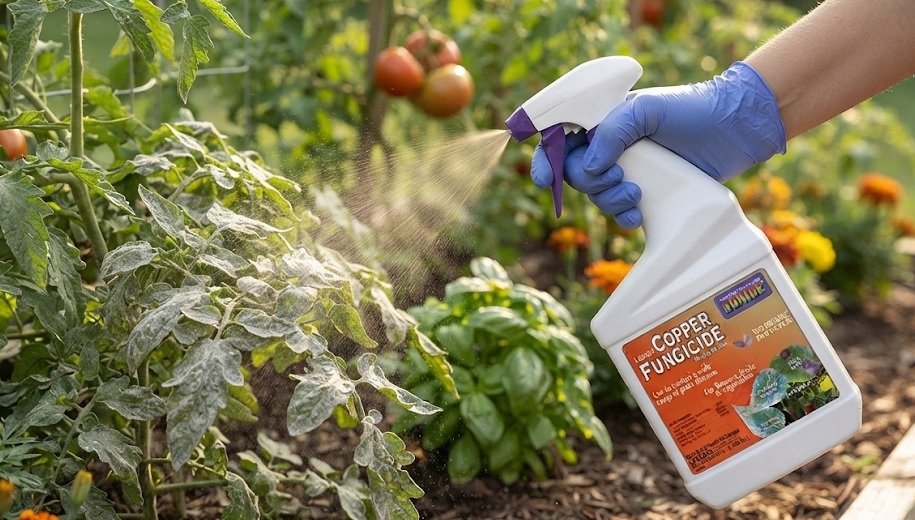
Bonide Copper Fungicide RTU – Best Overall Choice
The Bonide Copper Fungicide RTU (Ready-to-Use) is the best option for organic gardeners seeking broad-spectrum protection. This liquid formula kills over 65 plant diseases, including blight and powdery mildew, on contact. It is ideal for treating tomatoes, potatoes, and peppers, providing a reliable shield against reinfection.
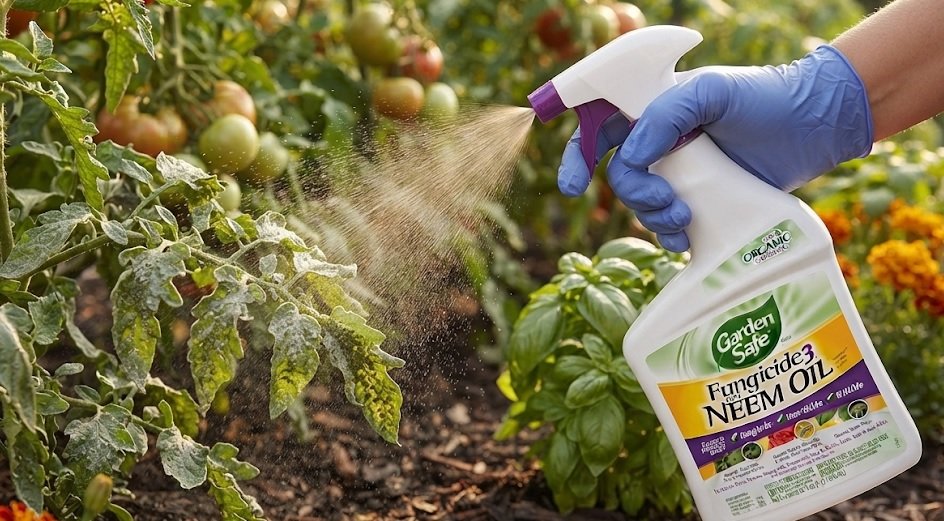
Garden Safe Fungicide3 – Best 3-in-1 Action
For maximum convenience, the Garden Safe Fungicide3 (Concentrate) combines a fungicide, insecticide, and miticide in one solution. This product is recommended for gardeners battling multiple pest and disease issues simultaneously. It effectively controls black spot, rust, and botrytis while also eliminating common garden insects, making it a versatile tool.
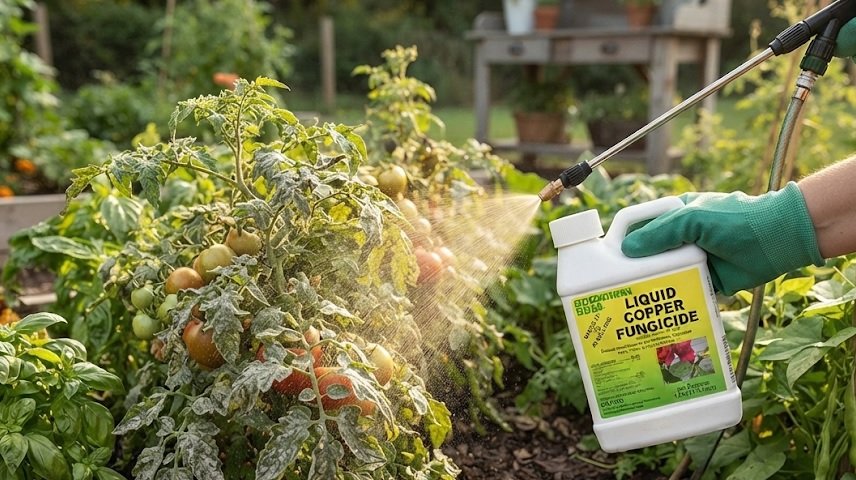
Southern Ag Liquid Copper Fungicide – Best Value
The Southern Ag Liquid Copper Fungicide (32 oz) is a highly concentrated, economical choice for large vegetable plots. As a best-in-class preventative, it creates a protective barrier on plant surfaces to stop spore germination. This option is ideal for proactive gardeners who apply treatments on a regular schedule before symptoms appear.
Understanding the Root Causes of Fungal Outbreaks
Fungal diseases thrive when three conditions align: moisture, warmth, and host plants. Most vegetable garden fungi require free water on leaf surfaces for spores to germinate and penetrate plant tissue. Recognizing these triggers is the first step in implementing effective prevention strategies.
Environmental Conditions That Encourage Spore Growth
High humidity and poor air circulation create a microclimate ripe for fungal development. Overhead watering in the evening leaves foliage wet overnight, giving spores ample time to establish. Similarly, overcrowded plantings trap moisture and block sunlight from reaching lower leaves.
- Excess moisture: Water splashing onto soil spreads spores onto lower leaves.
- Poor airflow: Dense foliage prevents rapid drying after rain or irrigation.
- Temperature swings: Cool nights paired with warm days stress plants and increase susceptibility.
How to Break the Disease Cycle Naturally
Successful prevention focuses on disrupting the pathogen’s life cycle before it becomes visible. Start by watering at the base of plants using drip irrigation or soaker hoses to keep foliage completely dry. This single change reduces fungal pressure by up to 80% in most vegetable gardens.
Spacing plants according to seed packet recommendations ensures proper ventilation and sunlight penetration. Mulching around plants with straw or shredded leaves prevents soil-borne spores from splashing upward during rain events. Additionally, rotating crops annually prevents pathogens from building up in the same soil year after year.
Organic Prevention Methods and Cultural Practices That Work
Organic prevention goes beyond simply avoiding chemicals—it builds a resilient garden ecosystem. By prioritizing soil health and proactive monitoring, you create conditions where plants naturally resist fungal invasion. These methods are safe for pollinators, pets, and beneficial soil organisms.
Building Healthy Soil for Disease Resistance
Healthy soil produces robust plants with thicker cell walls that resist pathogen entry. Incorporate generous amounts of compost before planting to boost beneficial microbial populations that outcompete fungal pathogens. Maintaining proper soil pH (6.0-7.0) ensures optimal nutrient uptake, keeping plants vigorous and less susceptible to stress-related infections.
Implementing a Weekly Prevention Schedule
Consistency is the key to successful fungal prevention. Follow this proven weekly routine to stay ahead of potential outbreaks:
- Inspect leaves: Check undersides and stems for early discoloration or powdery residue every 3-4 days.
- Apply preventative sprays: Use a baking soda solution (1 tablespoon per gallon) or neem oil weekly during humid periods.
- Prune selectively: Remove lower leaves touching soil and thin crowded branches to improve airflow.
- Sanitize tools: Wipe pruners with rubbing alcohol between plants to prevent cross-contamination.
Choosing Resistant Vegetable Varieties
Selecting disease-resistant cultivars is the smartest long-term prevention strategy. Look for seed packets and plant labels with codes like VF (Verticillium/Fusarium wilt) or PM (powdery mildew resistance). These varieties are bred specifically to withstand common fungal threats, reducing your reliance on sprays.
Identifying and Treating Common Fungal Diseases Early
Early detection is your most powerful weapon against fungal diseases. Most pathogens show distinctive warning signs days before they become catastrophic. Learning to recognize these symptoms allows you to intervene quickly and save affected plants.
Recognizing the Most Prevalent Vegetable Garden Fungi
Different fungal pathogens present unique visual cues. Powdery mildew appears as white, talcum-like spots on upper leaf surfaces, spreading rapidly in dry, warm conditions. Early blight shows as dark brown rings on lower leaves, while downy mildew creates yellow angular patches with fuzzy gray growth underneath.
| Disease | Key Symptom | Common Hosts |
|---|---|---|
| Powdery Mildew | White powdery coating | Squash, cucumbers, peas |
| Early Blight | Target-like leaf spots | Tomatoes, potatoes |
| Botrytis | Gray fuzzy mold | Lettuce, beans, berries |
| Rust | Orange-brown pustules | Beans, corn, asparagus |
Immediate Action Steps Upon Detection
Act swiftly when you spot suspicious symptoms to prevent spores from spreading to healthy plants. Remove and discard infected leaves immediately—never compost them, as spores can survive the process. Apply an appropriate organic fungicide, such as copper or sulfur-based products, according to label instructions.
- Isolate affected plants: Create distance from healthy neighbors to halt spore transmission.
- Reduce moisture: Water only in the morning and avoid wetting foliage entirely.
- Improve airflow: Prune surrounding vegetation to increase ventilation around infected areas.
- Disinfect tools: Clean pruners and stakes with a 10% bleach solution after handling diseased plants.
Seasonal Prevention Strategies for Year-Round Garden Health
Fungal disease prevention requires adjusting your approach as seasons change. Each growth phase presents unique risks and opportunities for intervention. Tailoring your strategy to the calendar ensures continuous protection from seedling emergence through harvest.
Spring: Starting Clean and Building Defense
Begin the season by clearing all previous plant debris, as overwintering spores hide in fallen leaves and stems. Solarize your soil by covering beds with clear plastic for 4-6 weeks before planting to kill soil-borne pathogens. Choose certified disease-free seeds and transplants to avoid introducing problems from the start.
- Test soil drainage: Ensure beds drain well to prevent waterlogged roots that invite root rot fungi.
- Apply preventative mulch: Lay down organic mulch after planting to block soil splash.
- Install drip irrigation: Set up soaker hoses before plants grow large and difficult to access.
Summer: Managing Heat and Humidity Stress
Warm, humid summer months create ideal conditions for rapid fungal spread. Water deeply but infrequently in the early morning, allowing foliage to dry completely before evening. Increase spacing between plants as they mature to maintain airflow through the canopy.
Consider using shade cloth during extreme heat waves to reduce plant stress, which lowers susceptibility to infection. Apply a light layer of compost tea every 3-4 weeks to boost beneficial microbes on leaf surfaces that compete with pathogens.
Fall: Preventing Spore Overwintering
Fall cleanup determines next year’s disease pressure more than any other seasonal task. Remove all spent plants, especially those showing any signs of fungal infection, and dispose of them in municipal compost or trash. Till the soil lightly to expose any remaining spores to winter cold and UV radiation.
Common Mistakes That Worsen Fungal Problems
Even experienced gardeners unknowingly make errors that exacerbate fungal issues. Recognizing these pitfalls is just as important as knowing the correct prevention techniques. Avoiding these common mistakes will save you time, money, and frustration.
Overwatering and Poor Irrigation Timing
The most frequent mistake is watering too often and at the wrong time of day. Evening watering leaves foliage wet overnight, providing fungi with the extended moisture they need to germinate. Frequent shallow watering also encourages surface roots that are more vulnerable to disease.
- Water deeply once or twice weekly: This encourages deep root growth and reduces surface moisture.
- Always water in the morning: Leaves dry quickly in the sun, minimizing infection windows.
- Avoid splashing soil: Direct water at the base, not over the entire plant canopy.
Overcrowding and Ignoring Spacing Guidelines
Planting too densely creates humid, shaded microclimates where spores thrive. Ignoring spacing recommendations on seed packets leads to competition for light and airflow. Dense foliage also makes it difficult to spot early disease symptoms until they have spread significantly.
Using High-Nitrogen Fertilizers Excessively
Over-fertilizing with nitrogen produces lush, soft growth that is highly susceptible to fungal attack. This rapid growth creates thin cell walls that pathogens can easily penetrate. Instead, use balanced fertilizers or compost that promotes steady, sturdy development.
Skipping Regular Garden Sanitation
Failing to remove fallen leaves, spent fruits, and plant debris creates a reservoir of spores. These materials harbor pathogens that will reinfect next season’s crops. Consistent cleanup is a simple yet powerful tool in your fungal prevention arsenal.
Advanced Biological Controls and Natural Remedies
Beyond cultural practices, biological controls offer cutting-edge protection without synthetic chemicals. These methods harness beneficial organisms and natural compounds to suppress fungal pathogens. Integrating these advanced tools elevates your prevention strategy to a professional level.
Harnessing Beneficial Microbes and Biofungicides
Trichoderma harzianum and Bacillus subtilis are beneficial microbes that colonize plant roots and leaves, outcompeting pathogens for space and nutrients. Products like RootShield and Serenade deliver these organisms directly to your plants. They are particularly effective when applied preventatively during periods of high disease pressure.
- Apply early: Introduce beneficial microbes at transplant time for maximum root protection.
- Reapply after rain: Heavy rainfall can wash away biological control agents from leaf surfaces.
- Combine with compost tea: Brewed compost tea adds diverse beneficial organisms that boost overall plant immunity.
DIY Organic Sprays and Homemade Solutions
Simple household ingredients create effective, low-cost preventative sprays. A baking soda solution (1 tablespoon per gallon of water with a drop of dish soap) alters leaf surface pH, inhibiting spore germination. Neem oil, derived from the neem tree, acts as both a fungicide and insect repellent, providing dual protection.
Milk spray, diluted at a 1:10 ratio with water, is a surprisingly effective remedy against powdery mildew. The proteins in milk create an antiseptic effect on leaf surfaces while boosting the plant’s natural defenses. Apply these sprays every 7-14 days during humid weather for best results.
When to Consider Chemical Fungicides
Severe outbreaks may require synthetic fungicides as a last resort. Copper and sulfur-based products are acceptable in organic gardening but should be used sparingly to avoid soil accumulation. Always rotate between different active ingredients to prevent pathogen resistance from developing.
Monitoring and Record-Keeping for Long-Term Success
Successful fungal prevention relies on consistent observation and learning from past seasons. Tracking your garden’s health creates a valuable database for future planning. This systematic approach transforms gardening from guesswork into a precise science.
Developing a Weekly Garden Inspection Routine
Set aside 15-20 minutes each week to thoroughly examine your vegetable plants. Check the undersides of leaves, stem junctions, and the soil surface where early symptoms often appear. Use a magnifying glass to distinguish between fungal spots, insect damage, and nutrient deficiencies.
- Inspect after rain: Wet conditions accelerate spore spread, making post-rain checks critical.
- Photograph suspicious areas: Document changes over time to track symptom progression accurately.
- Check new growth: Young, tender leaves are most vulnerable to infection and show signs first.
Keeping a Garden Journal for Disease Tracking
Maintain a simple notebook or digital spreadsheet to record weather patterns, watering schedules, and disease observations. Note which varieties perform well and which consistently show susceptibility in your climate. This historical data guides future plant selection and prevention timing.
Using Predictive Tools and Local Resources
Many agricultural extensions offer disease forecasting alerts based on local weather data. These tools predict when conditions favor specific fungal outbreaks, allowing proactive treatment. Additionally, your local cooperative extension office provides region-specific guidance on common pathogens and resistant varieties.
Conclusion: Mastering Fungal Disease Prevention in Your Vegetable Garden
Preventing fungal diseases requires a proactive, multi-layered approach combining cultural practices, biological controls, and vigilant monitoring. By implementing the strategies outlined above, you can dramatically reduce disease pressure and enjoy healthier, more productive plants.
Start with proper watering and airflow, then layer in resistant varieties and organic treatments. Track your results in a garden journal to refine your approach each season. Your efforts will reward you with a thriving, abundant harvest free from the frustration of fungal devastation.
Frequently Asked Questions about Preventing Fungal Diseases in Vegetable Gardens
What is the most effective way to prevent fungal diseases in a vegetable garden?
The most effective prevention combines proper watering techniques with good air circulation. Water at the base of plants in the morning using drip irrigation, keeping foliage dry throughout the day. This single practice eliminates the moisture that spores need to germinate.
Additionally, space plants according to package guidelines and prune regularly to improve airflow. Rotating crops annually and choosing disease-resistant varieties further strengthens your defense against common fungal pathogens.
How often should I apply fungicide to my vegetable plants?
Preventative fungicide applications should occur every 7-14 days during humid or rainy periods. Reduce frequency during dry weather when fungal pressure is naturally lower. Always follow the specific label instructions for your chosen product, as application rates vary.
For organic options like neem oil or copper sprays, reapply after heavy rain, which washes away protective residues. Monitor your plants weekly and adjust your schedule based on observed disease pressure and weather conditions.
Can I use baking soda to treat powdery mildew on vegetables?
Yes, baking soda is an effective home remedy for powdery mildew. Mix 1 tablespoon of baking soda with 1 gallon of water and add a few drops of liquid dish soap as a surfactant. Spray affected leaves thoroughly every 7-10 days.
This solution works by altering the pH on leaf surfaces, creating an environment where mildew spores cannot survive. Apply in the morning or evening to avoid leaf burn during peak sunlight hours.
What are the signs of fungal disease versus nutrient deficiency?
Fungal diseases typically show distinctive patterns like concentric rings, powdery coatings, or fuzzy growth on leaf surfaces. Nutrient deficiencies usually appear as uniform yellowing or discoloration across entire leaves without raised spots or powdery textures. Fungal spots often have defined edges and may spread rapidly.
Check the underside of leaves for spores or webbing, which confirms fungal activity. If symptoms appear uniformly across older leaves first, suspect nutrient issues rather than disease.
Should I remove plants infected with fungal disease immediately?
Yes, remove severely infected plants promptly to prevent spores from spreading to healthy neighbors. Carefully pull the entire plant, including roots, and place it in a sealed bag for disposal. Do not compost infected material, as most fungal spores survive standard composting temperatures.
For partially infected plants, remove only the affected leaves and stems using sterilized pruners. Disinfect tools between cuts with rubbing alcohol to avoid spreading pathogens through your garden.
What is the best way to water vegetables to prevent fungus?
Use drip irrigation or soaker hoses directed at the soil surface rather than overhead sprinklers. Water deeply and infrequently—about 1 inch per week—to encourage deep root growth. Always water in the early morning so any moisture on foliage evaporates quickly.
Avoid evening watering, which leaves plants wet overnight and creates ideal conditions for spore germination. Mulching around plants also prevents soil splash, which carries spores onto lower leaves.
Can crop rotation help prevent fungal diseases?
Yes, crop rotation is a critical prevention strategy that breaks disease cycles in the soil. Avoid planting vegetables from the same botanical family in the same location for at least 3 years. This prevents pathogens from building up in the soil where they can infect new plants.
Rotate between different plant families, such as nightshades, brassicas, and legumes, to disrupt the life cycles of soil-borne fungi. This practice also improves soil health by varying nutrient demands and root structures.
Are copper fungicides safe for organic vegetable gardens?
Yes, copper fungicides are approved for organic gardening and effectively control many fungal diseases. However, use them sparingly, as copper can accumulate in soil and become toxic to beneficial organisms over time. Apply only when disease pressure is high or as a preventative during humid weather.
Copper products work best when applied before symptoms appear, creating a protective barrier on plant surfaces. Always follow label rates and avoid overuse to maintain a healthy soil ecosystem.