Choosing the **best wood for raised garden beds** is the most critical decision for longevity and safety. The right lumber resists rot and keeps toxins away from your soil. This complete guide reveals proven methods for selecting the perfect material.
You will learn how to compare natural rot-resistant woods against budget-friendly softwoods. We’ll break down durability, cost, and chemical safety to help you build a thriving bed. Keep reading for expert tips that save you money and prevent early replacement.
Best Wood Options for Raised Garden Beds – Detailed Comparison
1. Western Red Cedar Lumber – Best Overall Choice
Western Red Cedar remains the **recommended choice** for most gardeners due to its natural rot resistance and insect-repelling oils. It lasts 10-15 years without chemical treatment, making it safe for organic growing. This option is ideal for vegetable beds where soil health is the top priority. Cedar resists warping and cracking, even in extreme weather conditions.
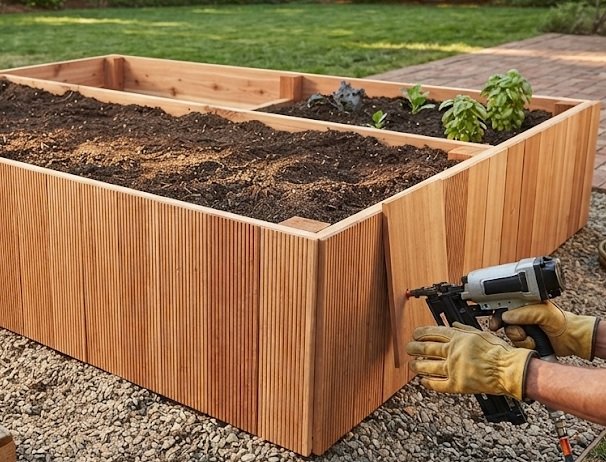
2. Thermally Modified Ash Boards – Best Modern Alternative
Thermally modified ash is the **best option** for gardeners seeking a sustainable, long-lasting material. The heat treatment process makes the wood durable for 20+ years while remaining completely non-toxic. It offers superior dimensional stability and resists moisture penetration effectively. This is a premium choice for permanent garden structures that you will never need to replace.
3. Black Locust Timber – Best Longevity Investment
Black locust is the **best choice** for those prioritizing maximum lifespan, lasting 25-40 years in ground contact. It is naturally dense and contains high levels of tannins that repel pests and decay. This hardwood is ideal for larger raised beds and commercial garden applications. The higher upfront cost is justified by its unmatched durability and structural strength.
Comparing Wood Durability and Rot Resistance for Garden Beds
Understanding how different woods perform in moist soil conditions is essential before making a purchase. The lifespan of your raised bed depends entirely on the wood’s natural resistance to decay. Let’s examine the key factors that determine longevity and safety.
Natural Rot Resistance Explained
Some woods contain natural oils and tannins that repel moisture and fungi. Cedar, redwood, and black locust are classified as naturally durable species. Untreated pine and fir will rot within 3-5 years, requiring replacement.
- Cedar: Contains thujaplicins, a natural fungicide
- Redwood: High tannin content blocks moisture absorption
- Black Locust: Extremely dense cellular structure resists decay
- Pine: Low natural resistance unless pressure-treated
Lifespan Comparison Table
| Wood Type | Expected Lifespan | Cost per Board Foot |
|---|---|---|
| Cedar | 10-15 years | $8-$12 |
| Redwood | 15-20 years | $10-$15 |
| Black Locust | 25-40 years | $15-$20 |
| Pressure-Treated Pine | 10-15 years | $3-$5 |
Safety Considerations for Edible Gardens
Modern pressure-treated wood uses copper compounds that are safe for vegetable beds. However, older treatments containing arsenic were banned in 2003. Always check the label for ACQ or CA markings to ensure food-safe status.
Untreated woods like cedar are naturally safe but require more maintenance. Apply a food-grade linseed oil annually to extend their lifespan without introducing chemicals. This simple step prevents cracking and water damage effectively.
Key Takeaway: Match the wood type to your budget and expected garden lifespan. Cedar offers the best balance of safety, cost, and durability for most home gardeners.
How to Choose the Right Wood Thickness and Dimensions
Selecting the correct board thickness prevents bowing and extends the life of your raised garden bed. Thicker lumber resists soil pressure and moisture penetration more effectively. The right dimensions also affect your overall construction budget significantly.
Recommended Board Thickness by Wood Type
Standard raised beds use 2-inch nominal lumber, which measures 1.5 inches actual thickness. This provides adequate structural support for beds up to 4 feet wide. For taller beds exceeding 24 inches, consider 3-inch thick boards for added stability.
- 1-inch boards: Suitable for temporary beds, last 3-5 years
- 2-inch boards: Best for permanent beds, resist bowing well
- 3-inch boards: Ideal for commercial or very tall structures
Optimal Bed Dimensions for Wood Efficiency
Standard lumber comes in 8, 10, and 12-foot lengths, which minimizes waste when planning your cuts. A 4×8-foot bed uses exactly two 8-foot boards per side. This configuration requires only four boards total, making it the most cost-effective option.
| Bed Size | Boards Needed (2×8) | Total Cost (Cedar) |
|---|---|---|
| 4×4 feet | 2 boards | $64-$96 |
| 4×8 feet | 4 boards | $128-$192 |
| 4×12 feet | 6 boards | $192-$288 |
Corner Post Requirements for Structural Integrity
Adding 4×4 corner posts extends the lifespan of any wood bed by preventing side panel movement. Posts should extend 6-8 inches below ground level for proper anchoring. This simple addition prevents soil pressure from pushing boards outward over time.
Pro Tip: Purchase boards at least 2 feet longer than your bed dimensions. This allows you to cut off any cracked ends and still have full-length pieces for construction.
Budget-Friendly Wood Alternatives That Still Perform Well
Not every gardener has the budget for premium cedar or redwood lumber. Fortunately, several cost-effective alternatives offer decent durability without breaking the bank. These options work well for beginner gardeners or temporary installations.
Pressure-Treated Pine: The Economic Standard
Modern pressure-treated pine is treated with copper-based preservatives that are safe for vegetable gardens. It costs roughly 60% less than cedar while providing comparable lifespan. The green tint fades to a natural gray within one season of outdoor exposure.
- Cost: $3-$5 per board foot versus $8-$12 for cedar
- Lifespan: 10-15 years when properly installed
- Safety: Approved for edible gardens since 2003
Reclaimed and Recycled Wood Options
Reclaimed barn wood and old fence boards offer character and sustainability at minimal cost. However, you must verify the wood was not treated with toxic chemicals previously. Never use railroad ties or wood treated with creosote, as these leach harmful substances into soil.
Salvaged hardwood pallets can work if stamped with “HT” for heat-treated. Avoid pallets marked “MB” which indicates methyl bromide fumigation. Sand all reclaimed wood thoroughly to remove debris and potential contaminants before construction.
Composite and Alternative Materials
Composite decking boards made from recycled plastic and wood fiber never rot or splinter. They cost more upfront but eliminate replacement costs entirely. These boards work best for gardeners who want a permanent, zero-maintenance solution.
| Material | Initial Cost | Lifespan | Maintenance |
|---|---|---|---|
| Pressure-Treated Pine | $40-$60 per bed | 10-15 years | Low |
| Reclaimed Wood | $0-$30 per bed | 5-10 years | High |
| Composite Boards | $150-$250 per bed | 25+ years | None |
Smart Budget Strategy: Use pressure-treated pine for the frame and line the interior with heavy-duty landscape fabric. This protects the wood from direct soil contact and extends lifespan by 5+ years.
Step-by-Step Guide to Building a Raised Garden Bed with Wood
Once you have selected the right wood, proper construction ensures maximum longevity and performance. Following these proven steps will prevent common issues like bowing and premature rot. This process works for any wood type mentioned earlier.
Tools and Materials You Will Need
Gather all necessary supplies before starting to avoid mid-project interruptions. Basic tools include a saw, drill, measuring tape, and level. You will also need galvanized screws or nails that resist corrosion in moist soil conditions.
- 4×8-foot boards: Two 8-foot lengths for sides
- 4×4 corner posts: Four posts cut to 24-inch height
- Galvanized screws: 3-inch exterior-grade deck screws
- Landscape fabric: Heavy-duty roll for interior lining
- Drill with bits: Pilot holes prevent wood splitting
Construction Process in Five Simple Steps
Start by cutting your boards to the desired length using a circular saw. Standard 4×8 beds require two 8-foot boards and two 4-foot boards. Mark all cuts clearly before sawing to avoid errors.
- Assemble the frame: Attach boards to corner posts using 3-inch screws, ensuring corners are square
- Add interior lining: Staple landscape fabric to the inside walls, overlapping edges by 6 inches
- Level the location: Dig a shallow trench where the frame will sit, then check with a level
- Secure the structure: Drive 12-inch stakes at each corner for additional stability
- Fill with soil: Add raised bed mix, watering between layers to settle air pockets
Maintenance Tips to Extend Wood Lifespan
Inspect your bed annually for signs of cracking, warping, or insect damage. Apply a food-safe wood sealer every two years to protect exposed surfaces. Replace any severely damaged boards immediately to prevent structural failure.
Time-Saving Tip: Pre-drill all screw holes before assembly. This prevents wood from splitting and makes the entire process faster and more precise.
Common Mistakes to Avoid When Choosing Wood for Raised Beds
Many gardeners make preventable errors that shorten their raised bed lifespan significantly. Understanding these pitfalls saves both money and frustration. Here are the most frequent mistakes and how to avoid them effectively.
Using Untreated Softwoods for Permanent Beds
Regular pine, fir, and spruce boards rot within 2-3 years when in direct soil contact. These woods lack natural preservatives and absorb moisture rapidly. They are only suitable for temporary beds lasting one growing season.
- Mistake: Assuming all lumber is equal for outdoor use
- Solution: Choose naturally durable species or pressure-treated options
- Warning: Even painted softwoods will eventually rot from ground contact
Ignoring Interior Lining and Moisture Barriers
Skipping landscape fabric dramatically accelerates wood deterioration. Direct soil contact keeps boards constantly damp, inviting fungal growth. A simple interior lining doubles the lifespan of any wood type.
Use 6-mil plastic sheeting or heavy-duty landscape fabric along interior walls. Extend the barrier 2 inches above the soil line to prevent moisture wicking. This also prevents soil from staining the wood surface.
Selecting Chemically Treated or Contaminated Wood
Older pressure-treated wood containing chromated copper arsenate (CCA) was banned for residential use in 2003. Railroad ties and utility poles contain creosote, which is highly toxic to plants and humans. Always verify the treatment type before purchasing reclaimed materials.
| Material to Avoid | Reason | Safe Alternative |
|---|---|---|
| CCA-treated wood | Arsenic leaches into soil | ACQ or CA treated pine |
| Railroad ties | Creosote contamination | Cedar or black locust |
| Painted pallets | Unknown chemical coatings | Heat-treated (HT) pallets |
Inadequate Corner Support and Structural Bracing
Beds without corner posts will bow outward under soil pressure within one season. The weight of wet soil exerts tremendous force on side panels. Always install 4×4 corner posts and consider center braces for beds longer than 8 feet.
Expert Reminder: The cheapest wood becomes expensive when you factor in replacement labor. Investing in proper materials and construction techniques pays off within 3-5 years.
Environmental Impact and Sustainability of Different Wood Choices
Your wood selection has significant environmental consequences beyond your garden’s lifespan. Sustainable sourcing and carbon footprint matter for eco-conscious gardeners. Understanding these factors helps you make responsible choices that benefit the planet.
Carbon Footprint of Wood Production
Naturally durable woods like cedar and redwood require decades to mature before harvesting. This long growth period increases their environmental cost compared to fast-growing pine. However, wood remains carbon-negative overall since trees sequester CO2 during their lifetime.
- Cedar: Harvested from old-growth or managed forests in the Pacific Northwest
- Pine: Grown in sustainable plantations, reaching harvest size in 20-30 years
- Black Locust: Fast-growing invasive species, making it highly sustainable
- Thermally modified ash: Uses low-grade wood that would otherwise be discarded
Certifications That Guarantee Responsible Sourcing
Look for Forest Stewardship Council (FSC) certification when purchasing lumber. This ensures the wood comes from responsibly managed forests that protect biodiversity. The Sustainable Forestry Initiative (SFI) also verifies sustainable practices.
Local sourcing dramatically reduces transportation emissions. Check for regional mills that harvest within 100 miles of your location. This supports local economies while minimizing your garden’s carbon footprint.
End-of-Life Disposal and Recyclability
Untreated wood can be composted, chipped for mulch, or burned for heat at the end of its lifespan. Pressure-treated wood requires special disposal at certified facilities due to copper content. Composite materials cannot be recycled and end up in landfills.
| Wood Type | Recyclable | Compostable | Disposal Method |
|---|---|---|---|
| Cedar | Yes | Yes | Mulch or compost |
| Pressure-Treated Pine | No | No | Special waste facility |
| Black Locust | Yes | Yes | Firewood or compost |
| Composite | No | No | Landfill |
Eco-Friendly Choice: Black locust offers the best sustainability profile due to its rapid growth and 40-year lifespan. This combination minimizes environmental impact while maximizing garden longevity.
Where to Buy Quality Wood for Raised Garden Beds
Finding the right supplier ensures you get quality lumber at a fair price. Local and online options each offer distinct advantages depending on your needs. Understanding where to shop saves money and prevents material disappointments.
Local Lumber Yards and Home Improvement Stores
Big-box stores like Home Depot and Lowe’s offer convenient access to cedar, pine, and pressure-treated options. However, their lumber quality varies significantly by location and season. Local lumber yards often provide better quality wood with more consistent grading.
- Home Depot/Lowe’s: Wide availability, competitive pricing, convenient returns
- Local lumber yards: Higher quality, expert advice, custom cutting services
- Reclaimed wood suppliers: Unique character, sustainable options, variable quality
- Specialty wood dealers: Premium species like black locust and thermally modified ash
Online Retailers and Delivery Options
Online suppliers expand your access to specialty woods not stocked locally. Many offer delivery directly to your driveway, saving pickup time and vehicle space. Shipping costs can add significantly to the final price for heavy lumber.
Check customer reviews and request wood samples before ordering large quantities. Reputable online sellers provide detailed moisture content specifications and grading documentation. Confirm the return policy in case boards arrive damaged or warped.
Cost Comparison Across Different Suppliers
| Supplier Type | Cedar Price (per board foot) | Delivery Options | Quality Rating |
|---|---|---|---|
| Big-box store | $8-$10 | Store pickup or delivery | Variable |
| Local lumber yard | $9-$12 | Local delivery | High |
| Online specialty | $11-$15 | Nationwide shipping | Premium |
| Reclaimed supplier | $5-$8 | Local pickup only | Variable |
Seasonal Buying Tips for Better Prices
Lumber prices fluctuate seasonally, with the best deals typically in late fall and winter. Demand drops after gardening season, prompting retailers to discount inventory. Early spring purchases often carry premium pricing due to high demand.
Money-Saving Strategy: Buy your lumber in winter and store it in a dry garage until spring construction. This locks in lower prices and allows the wood to acclimate to your local humidity levels.
Conclusion: Choosing the Best Wood for Raised Garden Beds
Selecting the right wood for your raised garden bed determines its longevity, safety, and overall value. Cedar offers the best balance of durability and cost, while black locust provides unmatched lifespan for permanent installations. Pressure-treated pine remains a budget-friendly option that performs reliably.
Match your wood choice to your gardening goals and budget. Proper construction and interior lining extend any wood’s lifespan significantly.
Ready to build? Visit your local lumber yard this week to compare prices and quality firsthand. Your perfect raised bed starts with the right wood today.
Frequently Asked Questions about Wood for Raised Garden Beds
What is the best wood to use for a raised garden bed?
Cedar is widely considered the best overall choice for raised garden beds due to its natural rot resistance and safety for edible plants. It lasts 10-15 years without chemical treatment, making it ideal for organic gardening.
Black locust offers superior longevity at 25-40 years but costs significantly more. For budget-conscious gardeners, modern pressure-treated pine provides a safe, affordable alternative with similar lifespan to cedar.
Is pressure-treated wood safe for vegetable gardens?
Yes, modern pressure-treated wood using ACQ (Alkaline Copper Quaternary) or CA (Copper Azole) is safe for vegetable gardens. These copper-based preservatives do not leach harmful chemicals into soil at dangerous levels.
However, avoid older treated wood manufactured before 2003, which may contain arsenic-based CCA treatments. Always check for current treatment labels and consider lining the interior with landscape fabric for extra protection.
How long will untreated pine last in a raised garden bed?
Untreated pine typically lasts only 3-5 years when in direct soil contact. The constant moisture and fungal exposure cause rapid decay of this softwood species.
You can extend pine’s lifespan to 7-10 years by applying food-grade linseed oil and installing an interior moisture barrier. However, for permanent beds, investing in naturally durable wood is more cost-effective long-term.
What is the cheapest wood for building a raised garden bed?
Untreated pine is the cheapest option at $2-$4 per board foot, but its short lifespan makes it less economical over time. Reclaimed wood from pallets or old fences can be free but requires careful inspection for contamination.
Pressure-treated pine offers the best value at $3-$5 per board foot with a 10-15 year lifespan. This makes it roughly 60% cheaper than cedar while providing comparable durability and safety.
Can I use cedar fence pickets for a raised garden bed?
Yes, cedar fence pickets work well for raised garden beds and are more affordable than dimensional lumber. Standard pickets measure 5.5 inches wide and 6 feet long, making them suitable for shallow beds up to 12 inches deep.
Use two layers of pickets stacked vertically for deeper beds, reinforcing corners with 4×4 posts. This approach costs about half of using premium cedar boards while providing the same natural rot resistance.
How do I keep wood from rotting in a raised garden bed?
Install a heavy-duty landscape fabric or 6-mil plastic liner along interior walls to prevent direct soil contact. Extend the liner 2 inches above the soil line to block moisture wicking.
Apply food-grade wood sealer every 2-3 years to protect exposed surfaces. Ensure proper drainage by adding gravel at the base and avoid overwatering, which accelerates wood decay.
Which is better for raised beds: cedar or redwood?
Both cedar and redwood offer excellent natural rot resistance, but redwood lasts slightly longer at 15-20 years versus 10-15 years for cedar. Redwood also resists cracking and warping better in extreme temperature fluctuations.
However, cedar is generally more affordable and widely available across North America. Redwood harvesting has raised environmental concerns, making cedar the more sustainable choice for most gardeners.
Can I use composite decking boards for raised garden beds?
Yes, composite decking boards work effectively for raised garden beds and never rot, splinter, or require maintenance. They last 25+ years, making them a permanent solution despite higher upfront costs.
Ensure the composite material is food-safe and free from recycled content that might contain contaminants. Most major brands like Trex and TimberTech use safe materials, but verify specifications before purchasing.