
🕑 14 min read
Compost typically takes **3 to 12 months** to break down fully, depending on your method, materials, and maintenance. Hot composting is the fastest route, yielding rich soil in as little as 30 to 90 days.
In this complete guide, you will learn the exact timelines for every composting style, plus expert tips to accelerate the process. Discover proven methods to transform kitchen scraps into black gold faster than you thought possible. Let’s dig into the science of decomposition.
Key Takeaways
- 30–90 days: Hot composting is fastest, requiring a 4:1 carbon-to-nitrogen ratio.
- 3–12 months: Cold composting takes longer but needs minimal effort.
- Size matters: Chop materials into 1-inch pieces to speed decomposition by up to 50%.
- Aeration is key: Turn your pile every 3–4 days to double the breakdown rate.
- Moisture level: Aim for a damp-sponge feel (40–60% moisture) for optimal microbial activity.
In This Article
- Best Compost Bins for Faster Breakdown – Detailed Comparison
- Understanding the Compost Decomposition Timeline
- How to Speed Up Compost Breakdown – Proven Methods
- Signs Your Compost Is Ready – How to Know When It’s Done
- Composting Methods Compared – Which One Fits Your Lifestyle?
- Seasonal Composting – How Weather Affects Breakdown Time
- Common Composting Mistakes That Slow Down Breakdown
- Using Compost Activators and Additives – Do They Really Work?
- Conclusion: Mastering Compost Breakdown Timelines
- Frequently Asked Questions about Compost Breakdown Time
Best Compost Bins for Faster Breakdown – Detailed Comparison
FCMP Outdoor IM4000 Tumbling Composter – Best Overall Choice
The **dual-chamber design** lets you compost continuously while one side cures. This tumbling unit accelerates breakdown by aerating effortlessly with just five rotations every two days. Ideal for gardeners wanting finished compost in as little as **two weeks** during warm months.
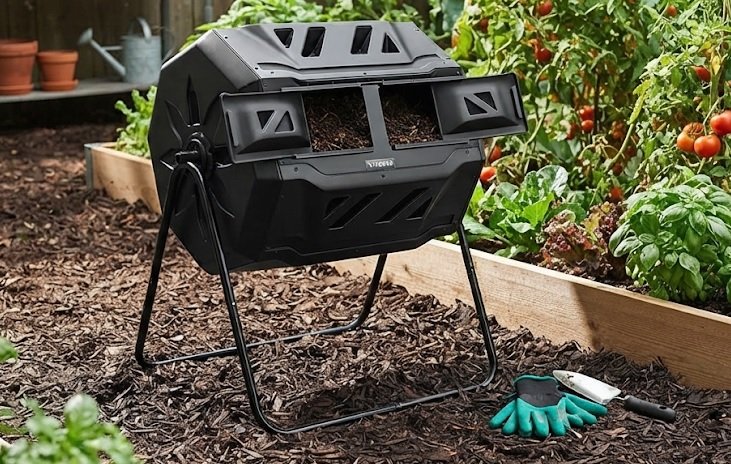
Best use case: Homeowners with medium yards seeking speed and convenience without heavy lifting.
Algreen Products Soil Saver Classic Compost Bin – Best Budget Option
This **125-gallon static bin** holds up to 600 pounds of organic waste, making it perfect for large families. Its open-bottom design allows earthworms and microbes direct access, naturally speeding up decomposition. The sliding door makes harvesting finished compost from the bottom effortless.
Best use case: Dedicated composters who prefer a set-and-forget approach with maximum capacity.
REDMON Green Culture 65-Gallon Tumbling Composter – Best Value for Speed
Featuring a **galvanized steel frame** and UV-resistant drum, this composter withstands harsh weather while maintaining internal heat. Its 65-gallon capacity balances portability with volume, producing usable compost in **3 to 4 weeks** with regular turning. The reinforced hinges and latch system ensure durability season after season.
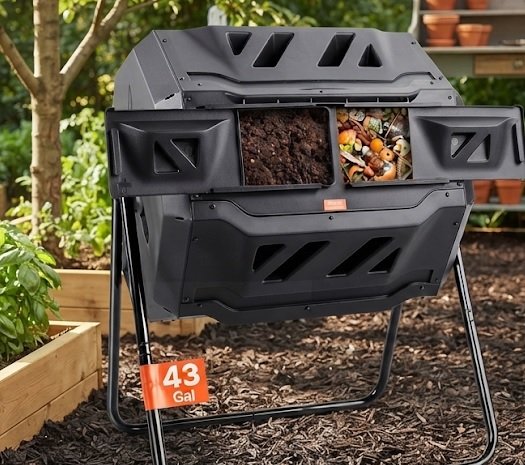
Best use case: Urban gardeners with limited space who want rapid results from kitchen scraps and yard trimmings.
Understanding the Compost Decomposition Timeline
The speed of compost breakdown depends on four critical factors: **carbon-to-nitrogen ratio, particle size, moisture, and aeration**. Get these right, and you will see finished compost in weeks. Ignore them, and your pile may take over a year to mature.
The Three Phases of Composting
Every compost pile moves through distinct temperature phases that dictate breakdown speed. Understanding these stages helps you manage expectations and timing effectively.
- Mesophilic Phase (Days 1–3): Microbes multiply rapidly, raising temperatures to 70–90°F. This is when simple sugars and proteins break down first.
- Thermophilic Phase (Days 4–30): Temperatures climb to 130–160°F, killing weed seeds and pathogens. This hot phase is where most decomposition happens.
- Cooling and Curing (Days 30–90+): Temperatures drop as fungi take over, breaking down tougher materials like lignin and cellulose.
How Material Type Affects Breakdown Speed
Different organic materials decompose at vastly different rates. Mixing fast and slow materials strategically keeps your pile active.
Fast-decomposing materials (2–6 weeks): Grass clippings, coffee grounds, vegetable scraps, and manure. These are high in nitrogen and moisture, feeding microbes quickly.
Slow-decomposing materials (6–24 months): Woody branches, sawdust, cardboard, and corn cobs. High carbon content makes them resistant to breakdown without sufficient nitrogen.
Pro Tip: Shred or chop slow materials into pieces smaller than 2 inches. This increases surface area for microbes and accelerates decomposition by up to 50%.
Your climate also plays a significant role. Warm, humid regions see faster microbial activity year-round, while cold climates pause decomposition entirely during winter months. Aim to start a new pile in early spring to maximize the full growing season for breakdown.
How to Speed Up Compost Breakdown – Proven Methods
If waiting months for compost feels too slow, you can accelerate the process significantly. These proven methods cut decomposition time by up to 75% when applied consistently.
Optimize Your Carbon-to-Nitrogen Ratio
The ideal compost ratio is **25–30 parts carbon to 1 part nitrogen** by weight. Too much carbon slows decomposition drastically, while excess nitrogen creates foul odors and attracts pests.
- Carbon-rich “browns”: Dried leaves, straw, cardboard, and wood chips.
- Nitrogen-rich “greens”: Grass clippings, vegetable scraps, coffee grounds, and fresh plant trimmings.
- Quick fix: Add a handful of blood meal or alfalfa pellets to boost nitrogen instantly.
Turn Your Pile Strategically
Oxygen is the fuel for aerobic microbes that break down organic matter. Turning your pile every **3–4 days** introduces fresh oxygen and redistributes heat and moisture evenly.
Frequent turning also prevents anaerobic conditions that generate methane and slow decomposition. Use a compost aerator tool or pitchfork to fluff the pile thoroughly each time.
Manage Moisture and Particle Size
Microbes need water to survive, but too much drowns them. Your compost should feel like a **wrung-out sponge**—moist but not dripping.
Chop everything into **1–2 inch pieces** before adding to your pile. Smaller particles expose more surface area to microbial attack, accelerating breakdown dramatically.
| Method | Time Saved | Effort Level |
|---|---|---|
| Hot composting (active) | 70–80% faster | High |
| Tumbling bin | 50–60% faster | Moderate |
| Adding compost activator | 30–40% faster | Low |
For best results, combine these methods. A hot pile with correct ratios, regular turning, and optimal moisture will produce finished compost in **30–60 days** during peak summer conditions.
Signs Your Compost Is Ready – How to Know When It’s Done
Knowing when compost is ready prevents you from harvesting immature material that can harm plants. Look for these physical indicators to determine if your compost has fully broken down.
Visual and Textural Cues
Finished compost is **dark brown to black** with a crumbly, soil-like texture. You should not recognize any original ingredients, except for occasional woody fragments that take longer to decompose.
- Color: Rich, dark brown or nearly black throughout the pile.
- Texture: Loose, friable crumbs that fall apart easily when squeezed.
- Smell: Earthy, pleasant aroma resembling fresh forest soil—no ammonia or rot.
The Bag Test for Readiness
This simple test takes just a few days and gives you a definitive answer. Fill a resealable plastic bag halfway with your compost, moisten it slightly, and seal it tightly.
Leave the bag at room temperature for **3–5 days**, then open it and sniff immediately. If you detect a sour or ammonia smell, the compost is still active and needs more curing time.
Troubleshooting Common Compost Problems
Sometimes your pile stalls or develops issues that delay decomposition. Here are quick fixes for the most frequent problems:
- Pile is dry and dusty: Add water gradually while turning until it feels like a damp sponge.
- Pile is wet and slimy: Mix in dry browns like shredded cardboard or straw to absorb excess moisture.
- Pile is not heating up: Add more green materials or manure to boost nitrogen levels.
- Foul odor: Turn the pile immediately and add coarse, dry carbon materials to restore airflow.
Quick Check: If earthworms are present in your pile, that’s a great sign—they only inhabit mature, safe compost environments.
Once your compost passes these tests, it is ready to enrich your garden beds, potting mixes, or lawns. Use it within a few months for the highest nutrient content, as aging compost slowly loses potency.
Composting Methods Compared – Which One Fits Your Lifestyle?
Different composting methods produce finished compost at different speeds. Your choice depends on available space, time commitment, and how quickly you need results.
Hot Composting – Fastest Method
Hot composting requires building a pile of at least **3 cubic feet** with balanced greens and browns. This method generates internal temperatures of 130–160°F, breaking down materials in **30–90 days**.
- Pros: Quickest results, kills weed seeds and pathogens, produces high-quality compost.
- Cons: Requires regular turning (every 3–4 days), needs bulk materials, demands more attention.
Cold Composting – Minimal Effort
Cold composting involves simply piling organic materials and letting nature take its course. Breakdown happens slowly over **6–12 months** or longer, depending on your climate and materials.
- Pros: Virtually no maintenance, accepts any organic material, no ratio calculations needed.
- Cons: Slowest method, may harbor weed seeds, requires patience and ample space.
Vermicomposting – Indoor-Friendly Option
Using red wiggler worms, this method produces nutrient-rich castings in **2–3 months**. Worms consume kitchen scraps and convert them into some of the most potent fertilizer available.
- Pros: Works indoors year-round, odor-free when maintained properly, produces superior compost.
- Cons: Requires worm care, smaller capacity, temperature-sensitive (55–77°F ideal).
| Method | Time to Finish | Effort | Best For |
|---|---|---|---|
| Hot | 30–90 days | High | Gardeners needing quick results |
| Cold | 6–12 months | Low | Casual composters with space |
| Vermicomposting | 2–3 months | Moderate | Apartment dwellers, indoor use |
Choose the method that aligns with your schedule and goals. Many gardeners start with cold composting, then upgrade to hot composting once they master the basics.
Seasonal Composting – How Weather Affects Breakdown Time
Your local climate dramatically influences how long compost takes to break down. Temperature and moisture levels directly impact microbial activity, which drives decomposition.
Composting in Warm Seasons
Spring and summer provide ideal conditions for rapid decomposition. Soil temperatures above **60°F** keep microbes active and multiplying at peak rates.
- Spring: Start new piles as temperatures rise; expect breakdown in 60–90 days.
- Summer: Heat accelerates activity, but monitor moisture—piles dry out quickly in direct sun.
- Tip: Place your bin in partial shade during summer to prevent excessive drying.
Composting in Cold Weather
Winter slows microbial activity significantly, often pausing decomposition entirely when temperatures drop below freezing. However, you can keep your pile active with a few adjustments.
- Insulate the pile: Surround your bin with straw bales or leaves to trap internal heat.
- Increase pile size: Larger piles retain heat better; aim for at least 4 cubic feet.
- Add winter greens: Stockpile kitchen scraps and add them in one large batch to boost temperatures.
Adjusting Moisture for Your Climate
Rainy regions face waterlogged piles, while arid areas struggle with dryness. Both extremes slow decomposition by starving microbes of ideal conditions.
| Climate | Challenge | Solution |
|---|---|---|
| Wet/Rainy | Excess moisture | Add dry browns, cover pile |
| Dry/Arid | Rapid drying | Water regularly, add shade |
| Cold | Frozen pile | Insulate, use hot composting |
Regardless of season, monitor your pile weekly and adjust conditions as needed. A well-maintained pile will continue breaking down even in challenging weather, just at a slower pace.
Common Composting Mistakes That Slow Down Breakdown
Even experienced gardeners make mistakes that extend composting time significantly. Identifying and fixing these errors can cut your waiting period by months.
Incorrect Carbon-to-Nitrogen Balance
Adding too many browns starves microbes of nitrogen, halting decomposition entirely. Conversely, excess greens create a slimy, foul-smelling pile that breaks down unevenly.
- Symptom of too much carbon: Pile remains cold and materials look unchanged after weeks.
- Symptom of too much nitrogen: Strong ammonia smell, sticky texture, and fly infestations.
- Quick fix: Rebuild the pile with a proper 25–30:1 carbon-to-nitrogen ratio by weight.
Ignoring Pile Size Requirements
Piles smaller than **3 cubic feet** struggle to generate and retain enough heat for rapid decomposition. Microbes need mass to stay warm and active.
If your pile is too small, combine it with fresh materials until it reaches the minimum size. Alternatively, use a compost bin that insulates better than an open heap.
Neglecting to Turn the Pile
Without oxygen, aerobic microbes die and are replaced by anaerobic bacteria that decompose slowly and produce foul odors. Turning your pile weekly prevents this stagnation.
Set a reminder to turn your compost every **3–7 days** during active breakdown periods. Use a compost crank or pitchfork to lift and flip materials from the bottom to the top.
Adding Problematic Materials
Certain items slow decomposition or contaminate your finished compost. Avoid adding these to keep your pile working efficiently:
- Meat, dairy, and oils: Attract pests and create anaerobic conditions.
- Diseased plants: Pathogens may survive in cold compost piles.
- Weeds with seeds: Seeds can remain viable unless temperatures reach 140°F.
- Pet waste: Contains pathogens harmful to humans and slows breakdown.
Reminder: A healthy compost pile is a balanced ecosystem. Monitor it weekly, adjust as needed, and you will harvest rich compost far sooner than you expect.
Using Compost Activators and Additives – Do They Really Work?
Compost activators promise faster breakdown, but results vary widely. Understanding what these products actually do helps you decide if they are worth the investment.
Natural Activators vs. Commercial Products
Natural activators are high-nitrogen materials that jump-start microbial activity. Commercial products contain concentrated bacteria or enzymes designed to accelerate decomposition.
- Natural options: Fresh grass clippings, coffee grounds, manure, and alfalfa meal.
- Commercial activators: Powdered or liquid formulas with dormant microbes and nutrients.
- Cost comparison: Natural activators are often free; commercial products range from $10–$30 per container.
When Activators Actually Help
Activators provide the most benefit when your pile lacks sufficient nitrogen or microbial life. They are especially useful for piles made primarily of woody, carbon-heavy materials.
If your compost already has balanced greens and browns, activators add little value. The microbes needed for decomposition are already present in soil, air, and organic matter.
DIY Activator Recipes That Work
You can create effective activators at home using common household ingredients. These recipes provide an immediate nitrogen boost without spending money.
- Grass clippings tea: Steep fresh clippings in water for 24 hours, then pour over the pile.
- Urine dilution: Mix 1 part urine with 10 parts water and apply directly (rich in nitrogen and uric acid).
- Comfrey or nettle leaves: Chop and bury these nutrient-dense plants deep in the pile.
| Activator Type | Cost | Effectiveness |
|---|---|---|
| Commercial | $10–$30 | Moderate |
| Natural (manure) | Free–$5 | High |
| DIY tea | Free | Moderate–High |
For most home composters, natural activators provide the best value. Focus on maintaining proper ratios and moisture first—activators are a supplement, not a substitute for good pile management.
Conclusion: Mastering Compost Breakdown Timelines
Understanding how long compost takes to break down empowers you to plan your gardening schedule effectively. Whether you choose hot, cold, or vermicomposting, the right techniques dramatically shorten your wait.
Your best strategy: balance carbon and nitrogen, maintain proper moisture, and turn your pile regularly. Start with a tumbling bin or hot pile for the fastest results this season.
Begin your composting journey today—your garden will reward you with nutrient-rich soil in just weeks. Every handful of finished compost represents a win for both your plants and the planet.
Frequently Asked Questions about Compost Breakdown Time
What is the fastest way to make compost at home?
The fastest method is hot composting with a tumbling bin, which can produce finished compost in 30–90 days. Maintain a 25–30:1 carbon-to-nitrogen ratio and turn the pile every 3–4 days.
Chop materials into small pieces and keep moisture at a damp-sponge level. These conditions maximize microbial activity and accelerate decomposition significantly.
How do I know when compost is ready to use?
Finished compost is dark brown, crumbly, and smells earthy like fresh forest soil. You should not recognize any original ingredients, and the volume will have reduced by about 50%.
Use the bag test for certainty: seal a moist sample in a plastic bag for 3–5 days. If it smells sour or like ammonia, it needs more curing time.
Why is my compost pile not breaking down?
Common causes include insufficient nitrogen, a pile that is too small (under 3 cubic feet), or lack of moisture. Check your carbon-to-nitrogen ratio and adjust by adding grass clippings or manure.
Also ensure your pile has adequate aeration. Turn it weekly and verify moisture levels—it should feel like a wrung-out sponge, not dry or waterlogged.
Can compost break down in 2 weeks?
Yes, with optimal conditions and active management, some compost can finish in as little as 2–3 weeks. This requires hot composting with frequent turning, small particle sizes, and ideal moisture.
Commercial composters and tumbling bins make this achievable for home gardeners. However, most backyard piles take 1–3 months even under good conditions.
What should not be added to compost?
Avoid meat, dairy, oils, diseased plants, and weeds with mature seeds. These items attract pests, create odors, or introduce pathogens that survive cold composting.
Also exclude pet waste, which contains harmful bacteria, and treated wood products. Stick to vegetable scraps, fruit peels, eggshells, coffee grounds, leaves, and grass clippings.
Does turning compost speed up decomposition?
Yes, turning introduces oxygen that aerobic microbes need to break down organic matter efficiently. Turn your pile every 3–7 days during active decomposition to speed up the process.
Frequent turning also distributes heat and moisture evenly, preventing anaerobic pockets that slow decomposition. Use a pitchfork or compost aerator for best results.
Is it better to compost in sun or shade?
Partial shade is ideal for most compost piles. Direct sun dries out materials quickly, while full shade keeps piles too cool for rapid microbial activity.
In hot climates, place your bin where it receives morning sun and afternoon shade. In cooler areas, choose a sunnier spot to help maintain internal temperatures above 60°F.
How much compost do I need for my garden?
A general rule is to add 1–2 inches of compost to garden beds annually, or mix 20–30% compost into potting soil. For new beds, work in 3–4 inches before planting.
Calculate your garden area in square feet and multiply by 0.1 to estimate cubic feet needed for a 1-inch layer. This ensures healthy soil structure and nutrient availability.