🕑 11 min read
Community gardens help offset rising food costs by providing fresh, low-cost produce grown right in your neighborhood. With grocery bills climbing, these shared green spaces offer proven methods to save money while eating healthier.
This complete guide explores how community gardens reduce household expenses, the expert tips for maximizing your harvest, and why joining one may be the smartest financial move you make this year. Keep reading to discover how a small plot can deliver big savings.
Key Takeaways
- $200–$600 saved yearly by the average community garden household.
- Plot fees often cost under $50 per season, including water access.
- One tomato plant can yield 10+ pounds of fruit—worth $30+ retail.
- Free classes, tools, and seeds cut startup costs to nearly zero.
- Waiting lists exist, so apply early in the growing season.
Best Gardening Products for Offsetting Rising Food Costs – Detailed Comparison
These three recommended products help community gardeners maximize yields, cut water bills, and grow more food per square foot. Each is a proven, budget-friendly option ideal for beginners and seasoned growers alike.
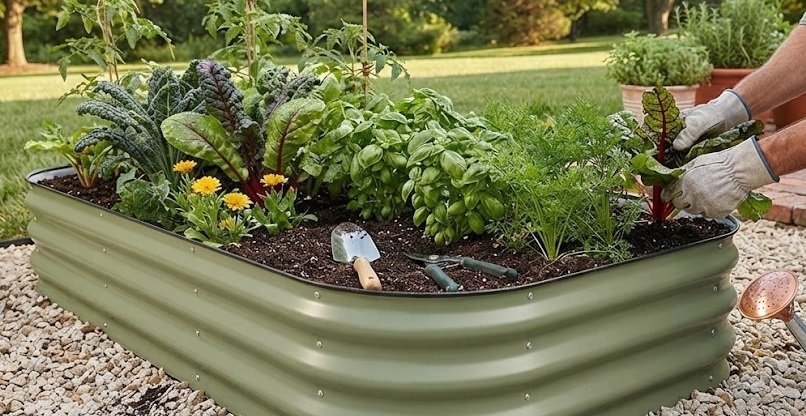
Miracle-Gro Raised Bed Garden Kit (Model 30025) – Best Overall Choice
This 4×4-foot cedar raised bed kit assembles in under 30 minutes with no tools required. The naturally rot-resistant wood lasts for years, while the elevated design improves drainage and warms soil earlier in spring. Ideal for community gardeners with limited plots or poor native soil.
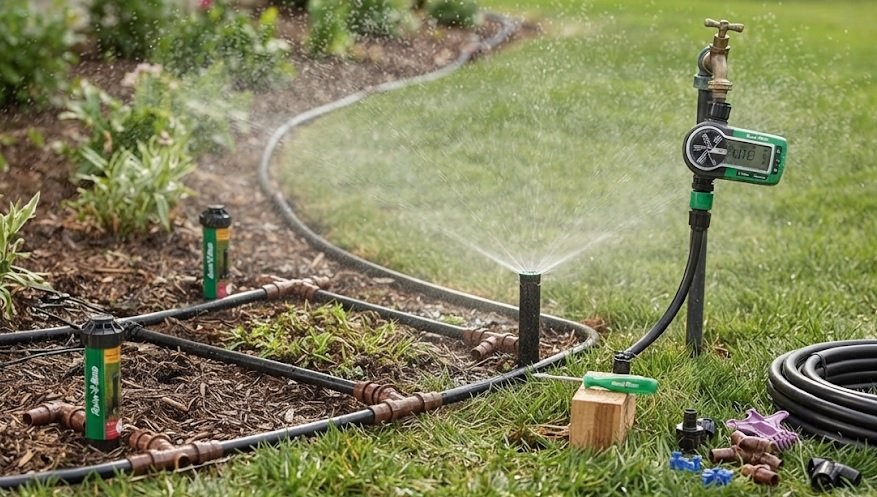
Rain Bird 32ETI Easy to Install In-Ground Sprinkler System – Best Water-Saving Option
Watering is the biggest hidden garden expense, and this automatic sprinkler kit cuts usage by up to 30%. The programmable timer delivers consistent moisture without waste, making it ideal for busy gardeners. Recommended for plots larger than 100 square feet where hand-watering becomes impractical.
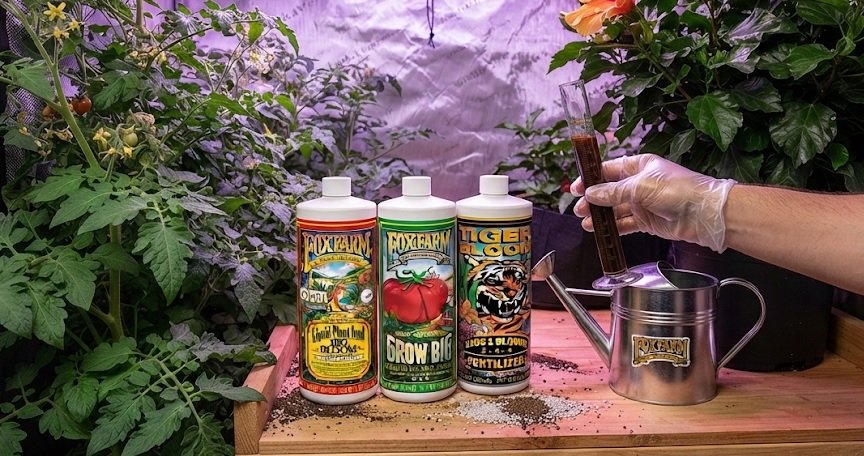
Fox Farm FX14049 Liquid Nutrient Trio Soil Formula – Best Fertilizer for Higher Yields
Bigger harvests mean bigger savings, and this three-bottle nutrient trio boosts vegetable output dramatically. The organic-based formula supports tomatoes, peppers, and leafy greens through every growth stage. A best option for gardeners wanting maximum pounds of produce per dollar spent on inputs.
How Much Money Do Community Gardens Actually Save on Groceries?
Community gardens deliver measurable grocery savings, especially for households growing staple vegetables. The average gardener saves $200 to $600 annually, according to gardening industry surveys. These savings grow quickly when you prioritize high-value crops.
Average Yearly Savings by Produce Type
| Produce | Typical Yield | Retail Value |
|---|---|---|
| Tomatoes (4 plants) | 40–60 lbs | $120–$180 |
| Zucchini (2 plants) | 20–30 lbs | $40–$60 |
| Leafy greens (1 bed) | 15–25 lbs | $60–$100 |
| Herbs (6 pots) | Continuous | $50–$80 |
Why Community Plots Cut Costs More Than Backyard Gardens
Shared infrastructure spreads expenses across many households. This makes community gardening cheaper than building a private garden from scratch.
- Free water access: Most sites include irrigation, saving $100+ per season.
- Shared tools: No need to buy tillers, wheelbarrows, or hoses.
- Bulk seed orders: Groups buy seeds at wholesale prices.
- Low plot fees: Annual rents typically range from $20 to $50.
Hidden Savings Beyond the Grocery Bill
Community gardens also reduce spending on gym memberships, stress relief, and entertainment. Many members report better mental health and stronger neighborhood ties.
Quick Summary
- High-value crops like tomatoes and herbs deliver the fastest payback.
- Shared water and tools eliminate the biggest gardening expenses.
How to Join a Community Garden and Start Saving Money
Joining a community garden is simpler than most people expect. Follow these steps to secure a plot and start growing food within weeks.
Step-by-Step Process for Getting Started
- Find local gardens: Search the American Community Gardening Association directory or call your city parks department.
- Contact the coordinator: Ask about plot availability, fees, and waitlists.
- Submit your application: Most require proof of residency and a small deposit.
- Sign the agreement: Rules typically cover watering schedules, upkeep, and pesticide use.
- Claim your plot: Begin planting immediately or wait for the next season.
Typical Costs and Requirements to Expect
Most community gardens charge modest annual fees that cover water, insurance, and shared tools. Costs vary widely by city and plot size.
| Plot Size | Average Annual Fee | Best For |
|---|---|---|
| 4×4 feet | $20–$30 | Herbs, lettuce |
| 4×8 feet | $40–$60 | Tomatoes, peppers |
| 10×10 feet | $60–$100 | Family food supply |
What to Grow for Maximum Grocery Savings
Choose crops with high retail value and generous yields. These deliver the best return on your plot fee and time.
- Tomatoes: Expensive to buy, easy to grow, and highly productive.
- Herbs: Fresh basil and cilantro cost $3+ per bunch at stores.
- Salad greens: Regrow after cutting for multiple harvests.
- Zucchini: One plant feeds a family all summer.
Quick Summary
- Applications are quick, but popular gardens have waitlists—apply early.
- High-value crops like tomatoes and herbs maximize savings per square foot.
Maximizing Your Community Garden Savings: Expert Tips
Getting a plot is only the first step. These proven strategies help you squeeze every dollar of value from your community garden space.
Smart Planning to Cut Costs Further
Strategic planning reduces waste and boosts yields throughout the season. Prioritize crops that cost the most at grocery stores.
- Start seeds indoors: Seedlings cost pennies versus $4–$6 at nurseries.
- Compost on-site: Free fertilizer from kitchen scraps and garden waste.
- Share with neighbors: Trade surplus crops to diversify without extra plots.
- Save seeds: Replant heirloom varieties year after year for free.
Preserving Your Harvest to Extend Savings
Preservation lets you enjoy summer produce all winter. This stretches savings far beyond the growing season.
| Method | Best Crops | Shelf Life |
|---|---|---|
| Freezing | Tomatoes, peppers, greens | 8–12 months |
| Canning | Tomatoes, beans, pickles | 1–2 years |
| Dehydrating | Herbs, onions, peppers | 1–3 years |
Common Mistakes That Waste Money
Avoid these pitfalls to protect your savings and keep your plot productive.
- Overplanting: Too many plants means wasted seed and crowded beds.
- Skipping soil tests: Poor soil leads to weak plants and lost harvests.
- Ignoring watering rules: Violations can cost you your plot.
- Letting weeds spread: Neglect invites pests and reduces yields.
Quick Summary
- Seed-starting, composting, and seed-saving slash recurring costs.
- Preserving harvests extends grocery savings through winter months.
Community Gardens vs. Other Food Cost Solutions: Which Saves More?
Community gardens are one of several ways to fight rising grocery bills. Comparing options helps you choose the best fit for your budget and lifestyle.
Direct Comparison of Money-Saving Options
| Option | Startup Cost | Yearly Savings | Effort Level |
|---|---|---|---|
| Community garden | $20–$50 | $200–$600 | Moderate |
| Backyard garden | $150–$500 | $200–$600 | Moderate |
| Food co-op membership | $50–$200 | $100–$300 | Low |
| Couponing apps | Free | $100–$400 | Low |
Why Community Gardens Often Win on Value
Community plots combine low startup costs with high savings potential. Shared resources eliminate the biggest barriers that stop beginners.
- Lower entry cost: No need to buy land, tools, or irrigation systems.
- Built-in mentorship: Experienced gardeners share free advice and tips.
- Social benefits: Membership builds community connections and reduces stress.
- Fresh food access: Harvests beat store produce in nutrition and taste.
Who Benefits Most From Joining?
Certain households see the fastest returns from community gardening. Consider joining if any of these describe your situation.
- Renters: No yard space? A community plot solves that instantly.
- Fixed-income families: Every dollar saved on produce matters.
- Beginners: Learn from neighbors instead of costly trial and error.
- Health-focused households: Fresh vegetables support better diets.
Quick Summary
- Community gardens offer the lowest startup cost of any home-growing option.
- Renters, beginners, and fixed-income families gain the most value.
Real-World Results: What Community Gardeners Actually Save
Real gardeners report consistent savings that add up fast. Their experiences show what beginners can realistically expect in the first year.
Sample First-Year Savings Breakdown
Consider a typical household with a 4×8-foot plot costing $50 per season. Here is how the numbers add up.
| Expense Category | Cost | Retail Value Grown |
|---|---|---|
| Plot fee | $50 | — |
| Seeds and seedlings | $25 | — |
| Tomatoes and peppers | — | $180 |
| Herbs and greens | — | $140 |
| Zucchini and beans | — | $80 |
| Net savings | $75 spent | $325 saved |
What Experienced Gardeners Report
Long-term members consistently save more as their skills improve. Many describe the first season as a learning investment.
- Year one: Modest savings of $150–$300 while learning basics.
- Year two: Savings climb to $300–$500 with better planning.
- Year three+: Skilled gardeners report $500–$700 annually.
- Bonus value: Free exercise, stress relief, and community ties.
Factors That Affect Your Actual Savings
Not every gardener saves the same amount. These variables shape your real results.
- Climate: Longer growing seasons mean more harvests.
- Plot size: Larger beds produce more but cost slightly more.
- Crop choices: High-value crops like berries boost returns.
- Time invested: Regular care directly increases yields.
Quick Summary
- A typical first-year gardener nets roughly $250 in grocery savings.
- Savings grow each season as skills and soil quality improve.
Beyond Groceries: Additional Financial and Community Benefits
Community gardens deliver value far beyond the produce you harvest. Members gain health, social, and even property benefits that stretch every dollar further.
Health Savings That Add Up
Growing your own food encourages healthier eating habits. This reduces long-term medical costs linked to poor diets.
- Lower food bills: Fresh vegetables replace expensive processed foods.
- Free exercise: Gardening burns 200–300 calories per hour.
- Stress relief: Time outdoors improves mental health without costly therapy.
- Better nutrition: Homegrown produce is often more nutrient-dense.
Social and Community Advantages
Community gardens strengthen neighborhood bonds and create support networks. These connections offer value that money cannot easily buy.
- Shared knowledge: Experienced growers mentor newcomers for free.
- Food sharing: Surplus harvests get traded or donated.
- Safety and pride: Well-kept gardens improve neighborhood appearance.
- Kids’ education: Children learn where food comes from firsthand.
Long-Term Financial Ripple Effects
Savings compound over years of membership. Gardeners often reinvest savings into other household needs.
| Benefit | Estimated Annual Value |
|---|---|
| Grocery savings | $200–$600 |
| Gym membership avoided | $300–$600 |
| Reduced healthcare costs | Variable |
| Social and mental wellness | Priceless |
Quick Summary
- Health and fitness savings can exceed grocery savings alone.
- Community ties and shared knowledge add lasting non-financial value.
Overcoming Common Barriers to Joining a Community Garden
Many people hesitate to join a community garden due to perceived obstacles. Most of these concerns have simple, practical solutions.
Addressing Time and Space Concerns
Busy schedules and small living spaces stop many potential gardeners. Fortunately, community plots are designed with flexibility in mind.
- Limited time: Low-maintenance crops like herbs need just 15 minutes weekly.
- No yard: Plots replace the need for private land entirely.
- Shared duties: Some gardens assign communal watering schedules.
- Flexible hours: Most sites allow access from dawn to dusk.
Handling Waitlists and Limited Availability
Popular gardens often have waiting lists that stretch for months. Smart planning helps you secure a plot faster.
- Apply early: Sign up in winter before spring demand spikes.
- Join multiple lists: Increases your chances of getting a plot.
- Volunteer first: Active helpers often receive priority placement.
- Consider satellite sites: Churches and schools often host smaller gardens.
Managing Costs and Commitment Fears
Beginners worry about hidden fees or failing at their first attempt. Community gardens are built to lower these risks.
- Low fees: Most charge under $60 per season with no long contracts.
- Free mentorship: Neighbors help troubleshoot problems.
- Shared tools: No upfront equipment purchases required.
- Flexible renewal: Skip a season without penalty at most sites.
Quick Summary
- Time, space, and cost barriers are easily overcome with planning.
- Applying early and volunteering boosts your chances of securing a plot.
Conclusion: Start Saving With Community Gardens Today
Community gardens help offset rising food costs by delivering $200 to $600 in annual grocery savings. They also provide free exercise, fresh produce, and stronger neighborhood bonds.
The best practice is simple: apply early, grow high-value crops, and preserve your harvest. These proven methods maximize every dollar.
Find a local garden this week and secure your plot. Your grocery budget will thank you.
Start growing today—small plots create big savings.
Frequently Asked Questions about Community Gardens and Food Costs
What is a community garden and how does it lower food costs?
A community garden is a shared plot where members grow their own vegetables and herbs. Each household rents a small bed for a low seasonal fee.
Members save money because they harvest fresh produce instead of buying it. Shared water, tools, and seeds keep expenses minimal all season.
How much money can I realistically save by joining a community garden?
Most gardeners save between $200 and $600 annually on groceries. First-year savings tend to be lower while you learn the basics.
Experienced members often exceed $500 per year. Savings grow as soil quality improves and you master high-value crops like tomatoes and herbs.
How do I find and join a community garden near me?
Search the American Community Gardening Association directory or contact your city parks department. Most gardens list contact details online.
Apply early, since popular sites have waitlists. Expect a small fee, a signed agreement, and proof of residency in some cities.
What are the best crops to grow for maximum grocery savings?
Choose high-value crops that cost the most at stores. Tomatoes, herbs, salad greens, and zucchini deliver the best return per square foot.
These plants produce generous yields and regrow after cutting. Avoid low-value crops like corn and potatoes that take up too much space.
Is a community garden better than growing food in my own backyard?
Community gardens win on startup cost and shared resources. Plot fees run $20–$60, while backyard setups often cost $150 or more.
Backyard gardens offer more privacy and space. However, renters and beginners usually save more by joining a community plot first.
How much time does a community garden plot require each week?
Plan on 2–4 hours weekly during peak growing season. Low-maintenance crops like herbs need only 15 minutes of care.
Time demands drop in cooler months. Many gardens offer shared watering schedules, which helps busy members stay consistent.
Why is my community garden harvest smaller than expected?
Common causes include poor soil, inconsistent watering, and overcrowded beds. Weeds and pests also reduce yields significantly.
Test your soil, follow spacing guidelines, and water deeply rather than often. Ask experienced neighbors for free troubleshooting advice.
What is the best way to preserve my harvest and extend savings?
Freeze tomatoes, peppers, and greens for 8–12 months of use. Can beans and pickles for shelf life of one to two years.
Dehydrate herbs, onions, and peppers for long-term storage. Preserving lets you enjoy summer produce all winter without grocery store prices.