
🕑 11 min read
Reducing meat consumption can lower your grocery bill by 20–30%, according to multiple consumer studies. Shifting toward plant-based proteins cuts costs while improving your health and reducing your environmental footprint.
This complete guide breaks down exactly how eating less meat affects your weekly food budget. You’ll discover proven methods to save money, expert tips on smart protein swaps, and real cost comparisons to help you shop smarter starting today.
Key Takeaways
- 20–30% savings: Replacing meat with beans, lentils, and tofu cuts grocery bills significantly.
- Beef costs roughly 3x more per gram of protein than plant-based alternatives.
- Processed meat substitutes often cost more than the meat they replace.
- Meal planning around plant proteins prevents overspending and food waste.
- Savings grow over time as you build a cheaper, repeatable shopping routine.
Best Budget-Friendly Products for Reducing Meat Consumption – Detailed Comparison
These three affordable kitchen staples make plant-based eating easier and cheaper. Each is recommended for beginners and experienced cooks alike, helping you cut grocery spending without sacrificing flavor or protein.
Ninja Foodi 8-Quart Pressure Cooker (OL501) – Best Overall Choice
The Ninja Foodi OL501 pressure cooks dried beans in under 40 minutes, slashing costs versus canned options. It’s the best option for batch-cooking lentils, chickpeas, and rice. This versatile appliance replaces multiple gadgets, delivering long-term savings that offset its upfront price. Ideal for meal-prepping large plant-based portions weekly.

Hamilton Beach 6-Speed Electric Food Processor (70725A) – Best for Meal Prep
The Hamilton Beach 70725A quickly chops vegetables, blends hummus, and processes veggie burger mixes. Its affordable price point makes it ideal for anyone transitioning to meat-free cooking. Recommended for households that prep multiple plant-based meals each week, it cuts both food costs and prep time efficiently.

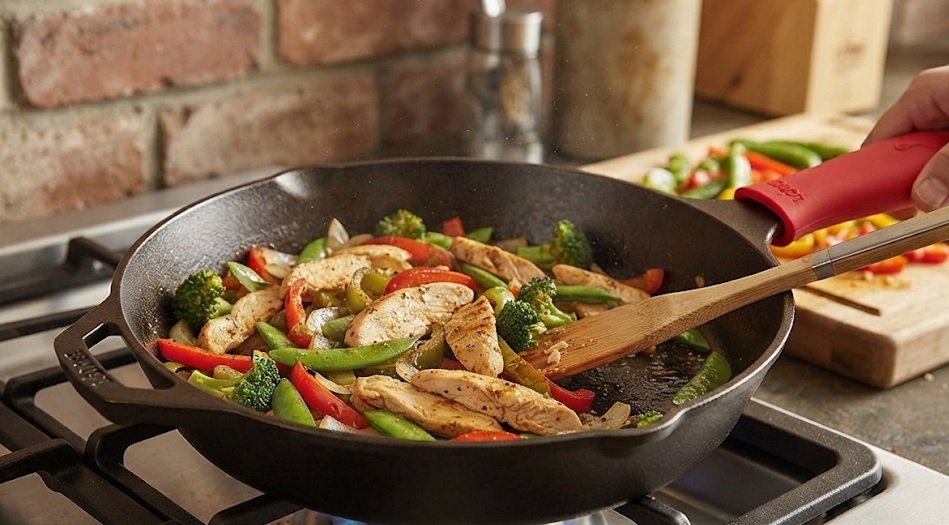
Lodge 12-Inch Cast Iron Skillet (L8SK3) – Best for Tofu and Veggies
The Lodge L8SK3 delivers excellent searing for tofu, tempeh, and roasted vegetables. Its durable, oven-safe design handles high heat beautifully, mimicking meat textures. Recommended as the best option for budget cooks wanting restaurant-quality plant proteins without expensive equipment. A one-time purchase that lasts decades.
How Much Money Can You Save by Eating Less Meat?
Cutting meat from just a few meals each week produces measurable savings. Most households spend $50–$100 weekly on animal proteins, making this category a prime target for budget cuts.
Average Cost Per Protein Source
Plant proteins consistently undercut meat on a per-serving basis. The table below shows typical U.S. grocery prices per cooked cup or equivalent serving.
| Protein Source | Average Cost Per Serving |
|---|---|
| Beef (ground) | $1.80–$2.50 |
| Chicken breast | $1.20–$1.60 |
| Dried beans | $0.20–$0.35 |
| Lentils | $0.25–$0.40 |
| Tofu | $0.50–$0.75 |
Realistic Weekly Savings Examples
Small swaps add up quickly across a full shopping trip. Consider these practical scenarios:
- Meatless Mondays: Replacing one beef dinner saves roughly $8–$12 weekly.
- Bean-based lunches: Swapping deli meat for chickpea salads saves about $15 weekly.
- Full vegetarian shift: Households cutting most meat report $40–$70 weekly savings.
Quick Summary: Plant proteins cost 60–90% less per serving than beef, and even modest swaps generate $30–$70 in monthly grocery savings.
These numbers show why reducing meat consumption delivers fast budget relief. Next, let’s examine which specific swaps maximize your savings.
Smart Protein Swaps That Lower Your Grocery Bill
Knowing the prices is one thing; applying them is another. These practical swaps help you reduce meat spending without losing protein or flavor.
1. Replace Ground Beef with Lentils or Mushrooms
Lentils and finely chopped mushrooms mimic ground beef texture in tacos, pasta sauce, and chili. A pound of dried lentils costs about $1.50 versus $5–$7 for beef. Blending half lentils with half beef cuts costs while keeping familiar flavors.
2. Swap Deli Meat for Canned Chickpeas
Canned chickpeas cost under $1 per can and make filling sandwich salads. Mash them with mayo, celery, and seasoning for a cheap, protein-rich lunch. This single swap saves roughly $3–$5 per lunch compared to turkey or ham.
3. Use Eggs and Tofu Instead of Chicken
Eggs and tofu deliver complete protein at a fraction of chicken’s price. A tofu stir-fry costs about $2 per serving, while chicken versions run $4–$5. Both absorb sauces well, so picky eaters barely notice the difference.
4. Build Meals Around Beans and Rice
Beans and rice form a complete protein for under $0.50 per serving. This classic combination anchors countless budget-friendly meals worldwide. Add frozen vegetables for nutrition without raising costs much.
Quick Summary: Four simple swaps—lentils for beef, chickpeas for deli meat, tofu for chicken, and beans with rice—can cut protein costs by more than half.
These swaps work best with a clear shopping strategy. Let’s look at how to plan meals that lock in these savings.
How to Plan Meat-Free Meals That Cut Grocery Costs
Smart planning turns cheap ingredients into consistent savings. Follow these steps to reduce meat consumption while controlling your food budget every week.
Step-by-Step Weekly Planning Process
- Audit your current spending: Review receipts to identify how much goes toward meat.
- Choose 3 meat-free dinners: Start small to avoid overwhelm and waste.
- Build meals around sales: Buy beans, rice, and frozen vegetables when discounted.
- Batch cook once weekly: Prepare lentils, grains, and roasted veggies in advance.
- Track your savings: Compare weekly totals to stay motivated.
Budget-Friendly Shopping Tips
Where you shop matters as much as what you buy. These habits stretch every dollar further:
- Buy dried beans and lentils: They cost 60% less than canned versions.
- Shop the bulk bins: Grains, nuts, and spices are cheaper in bulk.
- Choose frozen produce: It’s nutritious, affordable, and reduces waste.
- Compare store brands: Tofu and plant milks vary widely in price.
Common Mistakes That Raise Costs
Not every meat-free choice saves money. Watch for these budget traps:
- Processed meat substitutes: Often cost more than real meat.
- Overbuying fresh produce: Spoilage wastes money fast.
- Ignoring protein portions: Too-large servings erase savings.
Quick Summary: A simple five-step weekly plan—audit, choose, build on sales, batch cook, and track—keeps plant-based eating cheap and consistent.
With a solid plan in place, the final piece is understanding how these changes affect your budget long term.
Long-Term Effects of Reducing Meat Consumption on Your Budget
Short-term savings are encouraging, but the real impact compounds over months and years. Understanding the long-term financial effects helps you stay committed.
Annual Savings Projections
Modest weekly cuts grow into substantial yearly totals. The table below estimates savings based on how much meat you remove.
| Meat Reduction Level | Weekly Savings | Annual Savings |
|---|---|---|
| One meat-free day | $10–$15 | $520–$780 |
| Half of all meals | $25–$40 | $1,300–$2,080 |
| Mostly plant-based | $40–$70 | $2,080–$3,640 |
Hidden Financial Benefits Beyond Groceries
Grocery savings tell only part of the story. Reduced meat consumption often lowers other expenses too:
- Lower healthcare costs: Plant-rich diets may reduce risks of heart disease and diabetes.
- Less food waste: Beans and grains store far longer than fresh meat.
- Fewer restaurant splurges: Home-cooked plant meals replace pricey meat dishes.
How to Sustain Your Savings Over Time
Consistency matters more than intensity. These habits keep costs low for the long haul:
- Reassess quarterly: Adjust your plan as prices and habits change.
- Rotate recipes: Variety prevents boredom and takeout temptation.
- Reinvest savings: Direct extra money toward goals like debt or emergencies.
Quick Summary: Reducing meat can save $520–$3,640 annually, with added savings from lower healthcare costs, less waste, and fewer restaurant meals.
These long-term figures reveal why this shift pays off far beyond a single shopping trip.
Does Reducing Meat Consumption Always Save Money?
Not every meat-free choice guarantees savings. Understanding when costs rise helps you avoid common budget pitfalls while cutting back on animal products.
When Plant-Based Eating Costs More
Certain products carry premium price tags that can exceed meat. Watch for these expensive traps:
- Processed meat alternatives: Beyond and Impossible burgers often cost $8–$12 per pound.
- Specialty superfoods: Quinoa, hemp seeds, and protein powders add up fast.
- Pre-cut produce: Convenience packaging can triple vegetable prices.
- Organic everything: Selective organic buying saves more than buying all organic.
Who Saves the Most Money
Savings vary based on your starting habits and location. These groups typically see the biggest gains:
- Heavy beef eaters: Replacing beef delivers the largest per-serving savings.
- Frequent restaurant diners: Home-cooked plant meals cut spending dramatically.
- Large households: Bulk beans and grains scale cheaply for families.
- Strategic shoppers: Those who plan around sales maximize every dollar.
Balancing Cost, Nutrition, and Convenience
Cheapest doesn’t always mean best. A balanced approach protects both your budget and your health:
- Prioritize whole foods: Beans, lentils, eggs, and tofu offer the best value.
- Use substitutes sparingly: Treat processed alternatives as occasional treats.
- Keep meals simple: Fewer specialty ingredients mean lower bills.
Quick Summary: Whole plant proteins save the most, while processed substitutes and specialty superfoods can cost more than meat—so choose wisely.
Now that you know where savings come from and where they don’t, you can build a plan that truly works.
Practical Tips for Cutting Meat Costs Without Sacrificing Flavor
Saving money on groceries doesn’t mean bland meals. These flavor-first strategies keep your food satisfying while your meat spending drops.
Use Umami-Rich Ingredients
Umami creates the savory depth meat normally provides. These affordable pantry staples add instant richness:
- Soy sauce and miso: Both deliver deep, meaty flavor for pennies per serving.
- Smoked paprika: Adds a subtle smoky note that mimics bacon or grilled meat.
- Nutritional yeast: Provides a cheesy, savory taste ideal for sauces and scrambles.
- Mushrooms: Fresh or dried, they add texture and earthiness to any dish.
Master Budget-Friendly Cooking Techniques
How you cook matters as much as what you cook. These methods maximize flavor from cheap ingredients:
- Roast vegetables: High heat caramelizes natural sugars for deeper taste.
- Build layered sauces: Onions, garlic, and tomatoes form a cheap flavor base.
- Marinate tofu properly: Press it first, then soak in bold sauces for 30 minutes.
- Toast your spices: Briefly heating them releases far more aroma and flavor.
Stretch Meat Further with Blended Meals
You don’t have to eliminate meat entirely to save. Blending stretches it without anyone noticing:
- Mix lentils into ground beef: Use a 50/50 ratio in tacos, chili, or pasta sauce.
- Add beans to soups: They bulk up stews while cutting meat quantities.
- Combine mushrooms with chicken: Extends portions in stir-fries and casseroles.
Quick Summary: Umami ingredients, smart cooking techniques, and blended meat dishes deliver full flavor at a fraction of the cost.
With flavor covered, the last step is turning these habits into lasting change.
Building a Sustainable Meat-Reduction Routine That Saves Money
Lasting savings come from habits, not willpower. A gradual, structured approach makes reducing meat consumption easier to maintain long term.
Start Small and Scale Gradually
Sudden, drastic changes rarely stick. Build momentum with these progressive steps:
- Week 1–2: Add one meat-free dinner per week.
- Week 3–4: Introduce two meat-free lunches.
- Month 2: Try a full meat-free day each week.
- Month 3+: Gradually increase plant-based meals as comfort grows.
Track Progress and Celebrate Wins
What gets measured gets maintained. Simple tracking keeps motivation high:
- Log weekly grocery totals: Seeing real numbers reinforces the habit.
- Note favorite recipes: A running list prevents decision fatigue.
- Set savings goals: Direct extra money toward something meaningful.
- Celebrate milestones: Reward yourself without derailing your budget.
Involve Your Whole Household
Shared effort produces better results. These tips help families stay on board:
- Cook together: Participation builds enthusiasm for plant-based meals.
- Let others choose: Rotating who picks dinner reduces resistance.
- Keep familiar formats: Tacos, stir-fries, and pasta make swaps feel normal.
Quick Summary: Start with one meat-free meal weekly, track your savings, and involve your household to turn temporary changes into permanent habits.
These routines transform occasional swaps into steady, reliable grocery savings.
Conclusion: Reducing Meat Consumption for Smarter Grocery Spending
Reducing meat consumption delivers real financial relief. Simple swaps like beans, lentils, and tofu can cut your grocery bill by 20–30% while keeping meals flavorful and nutritious.
The key is starting small and staying consistent. Plan meals, track your savings, and blend meat with plant proteins to stretch every dollar further.
Try one meat-free meal this week and watch your grocery spending drop. Start today and build momentum one meal at a time.
Your budget—and your health—will thank you.
Frequently Asked Questions about Reducing Meat Consumption and Grocery Spending
How much money can I save by reducing meat consumption?
Most households save between 20–30% on groceries by cutting back on meat. Weekly savings typically range from $10 to $70, depending on how much meat you remove.
Over a full year, that adds up to $520–$3,640. Heavy beef eaters and large families tend to see the biggest savings.
What is the cheapest plant protein to replace meat with?
Dried beans and lentils are the cheapest plant proteins available. They cost roughly $0.20–$0.40 per serving compared to $1.80–$2.50 for beef.
Beans and rice together form a complete protein for under $0.50 per serving. Eggs and tofu are also excellent budget-friendly options.
Is eating less meat actually cheaper than buying meat?
Yes, whole plant proteins are almost always cheaper than meat. However, processed meat substitutes like Beyond and Impossible burgers often cost more than real meat.
To save money, focus on beans, lentils, eggs, and tofu rather than packaged alternatives. Whole foods deliver the best value.
How do I start reducing meat consumption without overspending?
Start with one meat-free dinner per week, then gradually increase. Plan meals around sales and buy dried beans, rice, and frozen vegetables in bulk.
Batch cooking once weekly saves both time and money. Track your grocery totals to stay motivated as savings grow.
Why did my grocery bill go up after going meat-free?
Your bill likely rose because of processed substitutes, specialty superfoods, or pre-cut produce. These items carry premium prices that exceed meat.
Switch to whole foods like lentils, chickpeas, and tofu. Buy frozen vegetables and store brands to bring costs back down quickly.
What is the best way to stretch meat further and save money?
Blend meat with plant proteins to extend portions without anyone noticing. Use a 50/50 mix of lentils and ground beef in tacos, chili, or pasta sauce.
Add beans to soups and mushrooms to stir-fries. These swaps cut meat quantities while keeping meals filling and flavorful.
Does reducing meat consumption save money long term?
Absolutely. Annual savings range from $520 to $3,640 depending on your level of reduction. These gains compound over time.
You may also save on healthcare costs, food waste, and restaurant meals. Plant-based staples store longer and reduce spoilage.
Which meals are easiest to make meat-free on a budget?
Tacos, stir-fries, pasta dishes, and soups are the easiest to convert. They rely on beans, lentils, tofu, or vegetables as the main protein.
These familiar formats keep picky eaters happy. They also use cheap pantry staples, making them ideal for budget-conscious households.