
🕑 10 min read
Freezing food is one of the most effective ways to reduce grocery waste and cut household costs. By preserving leftovers, batch-cooked meals, and fresh produce, you stop throwing money in the trash.
This complete guide reveals expert tips on meal prep, smart storage, and proven methods to extend shelf life. Keep reading to discover how your freezer can become your best budget-saving tool.
Key Takeaways
- 70% of freezer-friendly foods last 3–12 months, far beyond fridge life
- Label everything with contents and date to prevent mystery-item waste
- Freeze in portions to thaw only what you need and avoid repeat waste
- Batch cooking once weekly can cut monthly grocery bills by up to 30%
- Blanch vegetables first to lock in texture, color, and nutrients
Best Freezer Products for Reducing Grocery Waste and Cost
The right freezing tools make food preservation easier and more reliable. Below are three recommended options that help you store, organize, and protect food for months.
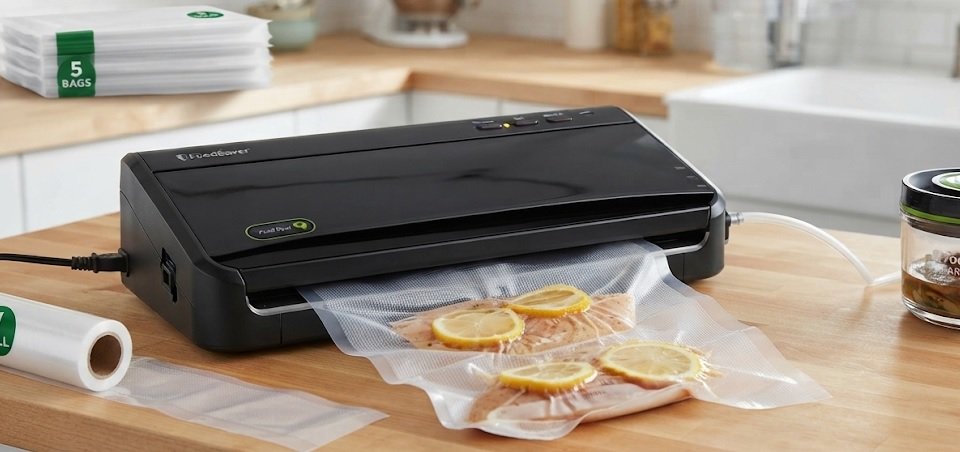
1. Vacuum Sealer – Best Overall Choice
The Anova Precision Vacuum Sealer Pro (ANVS01) is the best option for serious meal preppers. It removes air to prevent freezer burn and extends shelf life up to 5x longer than standard bags. Ideal for bulk meat, leftovers, and batch-cooked meals.
2. Freezer Storage Containers – Best for Meal Prep
Rubbermaid Brilliance 10-Piece Set offers airtight, stackable containers designed for freezer-to-microwave use. The crystal-clear lids let you identify contents instantly, reducing mystery-item waste. Perfect for portioned soups, stews, and grains you can grab and reheat fast.
3. Reusable Freezer Bags – Best Budget Option
Stasher Reusable Silicone Bags (Stand-Up Mega) are a durable, eco-friendly alternative to disposable plastic. They withstand -40°F to 400°F, making them safe for freezer, sous-vide, and microwave. Ideal for freezing produce, sauces, and snacks while cutting single-use plastic costs over time.
How Freezing Food Reduces Grocery Waste and Saves Money
Freezing food is one of the simplest habits that delivers immediate financial and environmental returns. Understanding why it works helps you build a system that lasts.
Why Frozen Food Lasts So Much Longer
Freezing stops bacterial growth by holding food below 0°F (-18°C). This pause button on spoilage means nutrients and flavor stay locked in for months instead of days.
According to the USDA, properly frozen food remains safe indefinitely, though quality peaks within specific windows.
Key Financial and Environmental Benefits
- Lower grocery bills: Buying in bulk during sales and freezing portions can cut spending by 20–30% monthly.
- Fewer shopping trips: A stocked freezer means fewer emergency runs and less impulse buying.
- Reduced methane emissions: Wasted food in landfills produces methane; freezing prevents that waste entirely.
- Preserved nutrition: Frozen produce retains most vitamins, often outperforming week-old “fresh” items.
What You Can Freeze (and What You Can’t)
| Freezes Well | Freezes Poorly |
|---|---|
| Meat, poultry, fish | Raw potatoes |
| Soups, stews, sauces | Whole eggs in shell |
| Bread, berries, bananas | Leafy greens (raw) |
| Cooked rice and grains | Soft cheeses |
Knowing these boundaries prevents disappointment and wasted effort. Next, we’ll cover the exact steps to freeze food correctly.
How to Freeze Food Properly: Step-by-Step Guide
Correct freezing technique determines whether food tastes fresh months later or turns mushy and bland. Follow these proven methods for consistent results.
7 Steps to Freeze Food the Right Way
- Cool first: Let cooked food reach room temperature within two hours before freezing.
- Portion smartly: Freeze in meal-sized amounts so you thaw only what you need.
- Remove air: Use vacuum sealers or press out air from bags to prevent freezer burn.
- Label everything: Write contents and date on each package with a marker.
- Freeze flat: Lay bags flat to save space and speed up thawing.
- Keep it cold: Maintain freezer at 0°F (-18°C) or lower.
- Rotate stock: Use oldest items first with a “first in, first out” system.
Best Storage Times for Common Foods
| Food | Recommended Freezer Time |
|---|---|
| Ground meat | 3–4 months |
| Cooked soups/stews | 2–3 months |
| Raw chicken pieces | 9 months |
| Berries | 6–12 months |
Common Freezing Mistakes to Avoid
- Overfilling containers: Liquids expand; leave headspace to prevent cracks.
- Freezing warm food: Raises freezer temperature and risks spoiling nearby items.
- Skipping labels: Unmarked packages become mystery items you eventually toss.
Master these habits, and your freezer transforms into a reliable pantry that protects both your budget and your time.
Meal Planning and Batch Cooking with Your Freezer
A well-organized freezer turns weekly meal planning into a stress-free routine. Batch cooking once saves hours later and slashes takeout spending.
How to Build a Freezer Meal System
- Plan a week of meals: Choose recipes that share ingredients to reduce costs.
- Shop once: Buy proteins and produce in bulk during sales.
- Cook in large batches: Double recipes like chili, curry, or casseroles.
- Portion and freeze: Divide into single or family servings immediately.
- Track inventory: Keep a simple list taped to the freezer door.
Smart Ways to Use Frozen Leftovers
- Repurpose creatively: Turn frozen roast chicken into soups, tacos, or salads.
- Smoothie packs: Freeze fruit and yogurt portions for grab-and-go breakfasts.
- Soup starters: Freeze sautéed onions, carrots, and celery as flavor bases.
Freezer Inventory Tips That Prevent Waste
An organized freezer means you actually eat what you store. A quick inventory check before shopping prevents duplicate purchases.
| Habit | Waste Reduction Benefit |
|---|---|
| Weekly inventory check | Prevents overbuying and duplicates |
| FIFO rotation | Ensures oldest items get eaten first |
| Clear containers | Makes contents visible at a glance |
These habits compound over time, turning your freezer into a savings engine rather than a forgotten graveyard of food.
Maximizing Savings: Cost Comparison and Budget Impact
Understanding the real numbers behind freezing helps you commit to the habit. The savings add up faster than most households expect.
Fresh vs. Frozen: Cost Breakdown
Frozen food often costs less per serving because bulk buying and reduced spoilage lower your effective price. Here’s how the numbers compare.
| Factor | Fresh Food | Frozen Food |
|---|---|---|
| Average spoilage rate | 30–40% | Under 5% |
| Cost per serving | Higher | Lower |
| Shopping frequency | Weekly | Bi-weekly or monthly |
Real Household Savings Examples
- Family of four: Freezing leftovers and bulk meat can save $150–$250 monthly.
- Single households: Portion freezing cuts food waste by up to 60%.
- Meal preppers: Batch cooking reduces takeout spending by $200+ per month.
Hidden Costs of Food Waste
The average American family throws away roughly $1,500 in food annually, according to USDA estimates. Freezing directly targets this loss by extending usable life.
Beyond groceries, wasted food carries environmental costs through production, transport, and landfill methane. Freezing addresses both your wallet and your carbon footprint.
Quick Wins to Start Saving Today
- Freeze leftover portions instead of refrigerating them for days.
- Buy meat and produce on sale, then freeze immediately.
- Cook double batches and freeze half for busy weeks.
These small shifts deliver measurable savings within the first month of consistent practice.
Freezer Maintenance and Food Safety Tips
Proper maintenance keeps your freezer running efficiently and your food safe. A few simple habits prevent costly breakdowns and spoiled stock.
Essential Food Safety Guidelines
- Keep it at 0°F (-18°C): Use an appliance thermometer to verify temperature.
- Thaw safely: Refrigerate overnight or use cold water—never thaw on the counter.
- Refreeze with caution: Only refreeze thawed food if it was thawed in the fridge.
- Respect the two-hour rule: Never leave perishables at room temperature longer.
How to Maintain Your Freezer for Peak Performance
- Clean monthly: Wipe shelves and remove crumbs to prevent odors.
- Check seals: Test door gaskets with a dollar bill—if it slides easily, replace them.
- Defrost when needed: Keep ice buildup under ¼ inch for efficiency.
- Don’t overpack: Leave space for air circulation around items.
Power Outage: What to Do
A full freezer stays safe for about 48 hours without power; a half-full one lasts 24 hours. Keep the door closed and add dry ice if the outage extends beyond that window.
| Situation | Action |
|---|---|
| Outage under 24 hours | Keep door shut, check temperature after |
| Food above 40°F for 2+ hours | Discard to avoid illness |
| Refrozen ice crystals present | Safe if food still feels cold |
These maintenance habits protect both your health and your investment in stocked food.
Common Freezing Mistakes That Waste Money
Even enthusiastic freezers make errors that undermine savings. Avoiding these pitfalls keeps your food edible and your budget intact.
Top Mistakes to Stop Making
- Freezing in oversized portions: You thaw more than you need, then toss the rest.
- Using flimsy bags: Thin plastic lets in air, causing freezer burn within weeks.
- Forgetting to date items: Undated food gets pushed to the back and forgotten.
- Overstuffing the freezer: Blocks cold air circulation and causes uneven freezing.
- Freezing high-water foods raw: Cucumbers, lettuce, and melons turn mushy when thawed.
Signs Your Frozen Food Has Gone Bad
Freezer burn isn’t dangerous but ruins texture and flavor. Watch for these warning signs before cooking.
| Sign | What It Means |
|---|---|
| Grayish-brown patches | Freezer burn from air exposure |
| Ice crystals inside packaging | Temperature fluctuations occurred |
| Off or rancid smell | Discard immediately—do not eat |
How to Fix Your Freezing Habits
- Invest in quality storage: Vacuum sealers and thick containers pay for themselves.
- Label with dates: A marker and tape cost pennies and prevent waste.
- Organize by category: Group meats, veggies, and meals in designated zones.
Correcting these habits recovers money you’re currently losing to spoiled food every month.
Freezing Specific Foods: What Works and What Doesn’t
Not every food survives the freezer equally well. Knowing the exceptions prevents disappointment and wasted money.
Foods That Freeze Beautifully
- Meats and poultry: Maintain quality for months when wrapped tightly.
- Soups and stews: Actually improve as flavors meld during storage.
- Berries: Freeze individually on trays for smoothie-ready portions.
- Bananas: Peel, slice, and freeze for baking or nice cream.
- Bread: Slice first, then freeze for toast-ready convenience.
Foods That Don’t Freeze Well
| Food | Why It Fails |
|---|---|
| Raw potatoes | Turn grainy and mushy when thawed |
| Whole eggs in shell | Expand and crack; freeze beaten instead |
| Soft cheeses | Separate and become watery |
| Fried foods | Lose crispness and turn soggy |
| Mayonnaise-based salads | Separate into oily texture |
Special Tips for Tricky Foods
- Blanch vegetables first: Boiling 1–3 minutes stops enzymes that cause mushiness.
- Flash-freeze individually: Prevents berries and dumplings from clumping together.
- Add extra sauce: Pasta and rice absorb moisture during freezing.
Following these guidelines ensures your frozen food tastes as good as the day you stored it.
Conclusion: How Freezing Food Cuts Grocery Waste and Cost
Freezing food is a proven method to reduce grocery waste and lower household costs. With proper storage, labeling, and rotation, your freezer becomes a powerful money-saving tool.
The key takeaway is simple: freeze smarter, waste less, and save more. Start with one batch-cooked meal this week.
Apply these strategies today and watch your grocery bills shrink. Your freezer is ready—make it work for you.
Frequently Asked Questions about Freezing Food to Reduce Grocery Waste and Cost
What is the best temperature for freezing food safely?
Set your freezer to 0°F (-18°C) or lower for safe long-term storage. This temperature stops bacterial growth and preserves quality for months.
Use an appliance thermometer to verify accuracy, since built-in dials often drift. Temperatures above 0°F accelerate freezer burn and shorten shelf life.
How long can you keep frozen food before it goes bad?
Frozen food stays safe indefinitely at 0°F, but quality declines over time. Ground meat lasts 3–4 months, while chicken pieces keep for 9 months.
Use our storage chart as a guide: soups last 2–3 months, berries 6–12 months. Always label packages with dates to track freshness.
How do you prevent freezer burn on stored food?
Remove all air from packaging using vacuum sealers or airtight containers. Freezer burn happens when cold air dries out exposed food surfaces.
Wrap items tightly in plastic wrap, then foil, then place in freezer bags. Label and date everything so you rotate stock before quality drops.
What foods should never be frozen?
Avoid freezing raw potatoes, whole eggs in shells, soft cheeses, and mayonnaise-based salads. These turn grainy, watery, or separate when thawed.
Leafy greens and cucumbers also become mushy. Blanch vegetables first, and freeze beaten eggs in ice cube trays instead of whole shells.
How much money can freezing food actually save?
The average family throws away about $1,500 in food yearly. Freezing leftovers and bulk purchases can cut that waste by 60% or more.
Households typically save $150–$250 monthly by batch cooking, buying sales in bulk, and reducing takeout. Savings compound quickly with consistent habits.
What is the best way to thaw frozen food safely?
Thaw food in the refrigerator overnight, in cold water, or in the microwave. Never thaw meat on the counter, where bacteria multiply rapidly.
Plan ahead for fridge thawing, which takes 24 hours for most items. Cook food immediately after cold-water or microwave thawing.
Can you refreeze food after it has been thawed?
You can refreeze food only if it thawed in the refrigerator or was cooked afterward. Never refreeze items thawed at room temperature.
Refreezing may reduce quality and texture, especially for meats and produce. Cook thawed food first, then freeze the prepared dish for best results.
How do you organize a freezer to reduce waste?
Group items by category—meats, vegetables, meals, and desserts—in labeled zones. Keep a written inventory taped to the door and update it weekly.
Follow the FIFO rule: first in, first out. Place older items in front and use clear containers so contents stay visible at a glance.